Clairvaux Abbey
A Cistercian center where silence formed a life of action
Understand sacred places, explore living traditions, and learn how to engage respectfully with Pilgrim Map.
Access has not been verified. Check current local guidance before planning a visit.
Ville-sous-la-Ferté, Grand Est, France
Read the sources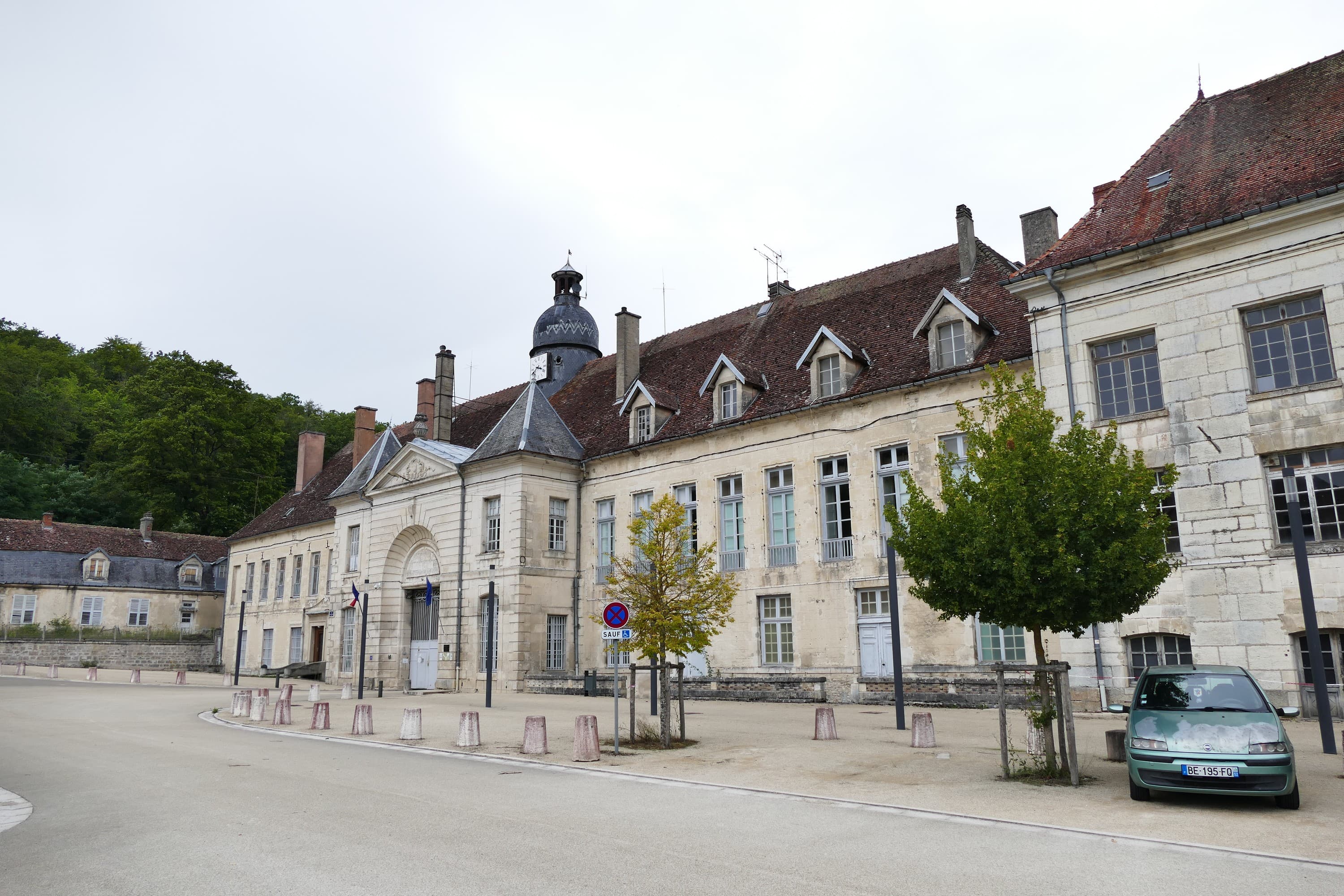
Visit essentials
A quick read before you go
- Etiquette
- Follow current custodial instructions; do not interrupt worship, cross closures, or photograph…
Overview
Clairvaux Abbey was founded in 1115 and became inseparable from Bernard of Clairvaux's Cistercian reform. Its later use as a prison is part of the same place's history, but monastic enclosure and incarceration should not be collapsed into an easy analogy.
Context and lineage
Founded in 1115 and led by Bernard of Clairvaux, Clairvaux became a major Cistercian abbey. The monastery was dissolved during the French Revolution; the complex later served as a prison and is now a protected heritage site undergoing conversion and restoration.
Plan your visit
Confirm opening hours, services, access, and photography rules with the current custodian before travel.
Respectful visit
Follow current custodial instructions; do not interrupt worship, cross closures, or photograph private devotion.
Do not infer private practice, guaranteed spiritual effects, or current access from historic descriptions.
Location
Map loads as you approach this section.
Pilgrim reflections
A portrait of encounter, not a score
Pilgrims describe what they felt, how present they could become, and whether the place would shape a journey. There are no stars and no ranking of traditions.
No reviewed reflections yet
The first pilgrims can help describe the character of being here.
Share a reflection
Available after an account-backed “Been there.” Every reflection is reviewed before publication.
Nearby sacred places
Explore other sacred places in the region. Proximity does not establish access or travel time; check each place’s guidance.
References
Sources consulted for this page. Source categories describe the publication, not a guarantee that every claim is verified. Traditional accounts and outside interpretations may differ.
- 01Clairvaux Abbey official historyofficial
- 02French Ministry of Culture: Clairvaux conversionSource context
- 03Vatican reflection for Saint Bernardofficial
Share a photo
Help visitors recognize Clairvaux Abbey. Every submission is reviewed before publication.