Church of the Black Madonna
A mountain shrine where the Black Madonna gathers many faiths
Understand sacred places, explore living traditions, and learn how to engage respectfully with Pilgrim Map.
Access has not been verified. Check current local guidance before planning a visit.
Letnicë, Viti, Kosovo
Read the sources
Visit essentials
A quick read before you go
- Duration
- One to two hours for a quiet visit; a full day or more during the pilgrimage.
- Access
- Letnicë/Letnica village lies in the Viti/Vitina municipality of southeastern Kosovo, in the…
Overview
Letnica is a small, half-emptied village in southeastern Kosovo's Karadak hills, quiet around its slowly restored church most of the year but transformed each 15 August as thousands gather before a wooden Black Madonna darkened by age and venerated as a worker of miracles. Pilgrims may arrive on foot, barefoot, or carrying stones in old penitential practice.
The Roman Catholic sanctuary is the historic spiritual heart of the Janjevci, Kosovo Croats descended from miners from Dubrovnik and the Bay of Kotor, most of whom emigrated during the 1990s wars. Orthodox Christians and Muslims also come, and childless couples across faiths seek the gift of a child. Tradition holds that Agnes Gonxha Bojaxhiu sensed her future missionary vocation here around 1928 as a teenager, before becoming Mother Teresa.
The pilgrimage joins enduring devotion, communal loss, and a rare softening of boundaries before a weeping mother of dark wood.
Why this place is sacred
What makes Letnica feel set apart is the convergence of several rare things in one remote place. At its center is the Black Madonna herself, a centuries-old wooden statue believed to weep and to heal, the object of devotion that crosses confessional boundaries. The mountain setting in the Karadak hills lends remoteness and a sense of pilgrimage earned by the climb.
The shrine is bound to the memory of Mother Teresa, who is said to have discerned her vocation here, layering a modern saint's story onto an older Marian one. And it functions as shared sacred ground, where Albanian, Croat, and Serbian pilgrims, Catholic, Orthodox, and Muslim, have gathered in a region more often defined by division. The penitential traditions of walking barefoot or carrying stones add a bodily intensity to the devotion that many visitors find leaves a deep impression.
Experience and orientation
The character of a visit depends entirely on the season. For most of the year Letnica is hushed and sparsely peopled, a village church under restoration, its grounds calm enough for unhurried prayer and reflection. On 15 August the same place becomes emotionally charged and dense with people: candlelight, prayer, and pilgrims who have walked long distances, some barefoot or carrying stones in their hands or mouths as acts of penance.
Visitors often describe a striking sense of shared devotion across ethnic and religious lines, an atmosphere unusual for the region. Many speak of answered prayers, especially for fertility and healing, and of the emotional release of lighting candles for the dead. Beneath both moods runs a quieter undercurrent of loss, the near-empty village a reminder of the Croat community that has largely gone.
Context and lineage
The village of Letnica is reportedly over seven hundred years old, founded by Catholic immigrants from Dubrovnik and the Kotor region who came to work the mountain mines. A church stood on the site by at least 1866, and the present building was rebuilt and completed in the 1920s and 1930s, with sources giving date ranges between 1924 and 1933.
The title 'Lady of the Black Mountain' rests on a tradition that the Virgin appeared in these hills; pilgrims have long reported tears flowing from the statue's eyes and miraculous cures.
The sanctuary belongs to the Latin-rite Roman Catholic tradition and remains the devotional anchor of the historic Kosovo Croat (Janjevci) community, now largely in diaspora, for whom the annual Assumption pilgrimage is a homecoming. It is distinct from the Serbian Orthodox 'Medieval Monuments in Kosovo' and is not a UNESCO site.
Traditions and practice
The defining observance is the Feast of the Assumption on 15 August, with Mass and procession. Pilgrims undertake penitential journeys on foot, sometimes barefoot or carrying stones in their hands or mouth, light candles, and venerate the Black Madonna with intercessory prayer, particularly for fertility and healing.
The mid-August pilgrimage continues to draw several thousand Albanian, Croat, Serbian, and other pilgrims, in some years accompanied by KFOR soldiers as participants and for security. Heritage restoration work by students and tradespeople is ongoing, and the shrine remains open the rest of the year for quieter visits.
If you seek the full devotional intensity, come for the 15 August feast and accept the crowds as part of the experience. For stillness, visit in late spring through early autumn when the village is quiet. Lighting a candle, whatever your faith, is a fitting and welcomed gesture before the Black Madonna.
Roman Catholicism
ActiveOne of the most important Marian pilgrimage shrines in Kosovo and the wider region, home of the Black Madonna and the historic spiritual heart of the local Croat (Janjevci) community, linked to the vocation of the future Mother Teresa.
Feast of the Assumption pilgrimage (15 August), Marian devotion before the Black Madonna, votive offerings and candle lighting, and penitential journeys on foot.
Interfaith / folk Marian devotion
ActiveThe pilgrimage draws Orthodox Christians and Muslims alongside Catholics; childless couples of different faiths visit the statue seeking the gift of a child, and the shrine has long served as shared sacred ground.
Intercessory prayer for fertility and healing, and candle lighting for deceased family members.
Perspectives and open questions
Heritage bodies treat Letnica as a significant Catholic pilgrimage church of the Kosovo Croat community, while devotion centers on the miracle-working Black Madonna.
Scholarly perspective
Historians and heritage bodies such as the OSCE and the European Union regard Letnica as an important Catholic pilgrimage church of the historic Kosovo Croat community, now the focus of cross-community heritage preservation. The Mother Teresa vocation story is well attested in tradition and Church accounts, though precise details vary.
Living and traditional perspectives
For local Catholics and the Croat (Janjevci) diaspora, the Black Madonna is a living, miracle-working protector and the emotional anchor of an annual homecoming pilgrimage.
Alternative interpretations
Folk belief credits the statue with weeping, healing, and the granting of children; Black Madonnas more broadly carry layered devotional and symbolic associations.
Open questions
The true age, origin, and reason for the darkening of the statue, and the precise medieval history of the site, remain uncertain. Sources disagree on the church's rebuild dates and on whether an earlier medieval church stood here.
Plan your visit
Access and arrival
Letnicë/Letnica village lies in the Viti/Vitina municipality of southeastern Kosovo, in the Karadak (Skopska Crna Gora) hills near the North Macedonia border. It is reached by road, best by car; the village is sparsely populated outside the pilgrimage season.
Respectful visit
Dress modestly as for any Catholic church, with shoulders and knees covered.
Generally permitted around the shrine; be respectful and unobtrusive during Mass and prayer.
Candles and votive offerings are customary, as are donations toward the church and its restoration.
Maintain reverence inside the church, and defer to clergy and to any crowd-management or security arrangements on the pilgrimage day.
On pilgrimage day, defer to clergy and to any crowd-management or security arrangements. Be mindful that the near-empty village reflects real displacement; approach the shrine's history with sensitivity rather than as mere spectacle.
Location
Map loads as you approach this section.
Pilgrim reflections
A portrait of encounter, not a score
Pilgrims describe what they felt, how present they could become, and whether the place would shape a journey. There are no stars and no ranking of traditions.
No reviewed reflections yet
The first pilgrims can help describe the character of being here.
Share a reflection
Available after an account-backed “Been there.” Every reflection is reviewed before publication.
Nearby sacred places
Explore other sacred places in the region. Proximity does not establish access or travel time; check each place’s guidance.

Church of the Presentation of the Theotokos, Kučevište
Kučevište, Kučevište, Čučer-Sandevo Municipality, Skopje Region, North Macedonia
20.1 km away

Church of Saint Nicetas, Banjani
Banjani, Banjani/Gornjane, Čučer-Sandevo Municipality, Skopje Region, North Macedonia
21.3 km away
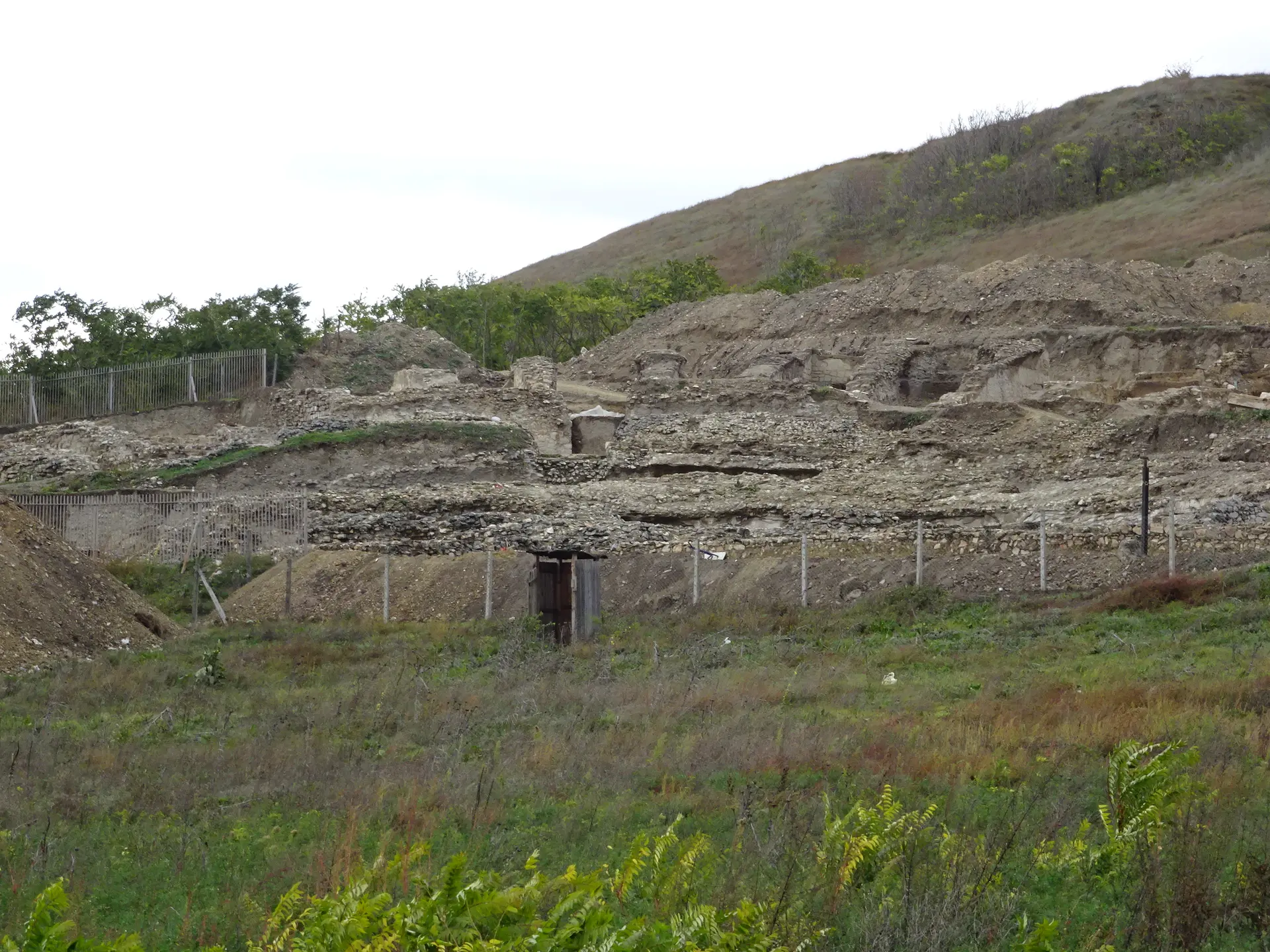
Scupi
Greater Skopje, North Macedonia
31.0 km away

Mustafa Pasha Mosque
Skopje, Skopje, Skopje Region, North Macedonia
32.2 km away
References
Sources consulted for this page. Source categories describe the publication, not a guarantee that every claim is verified. Traditional accounts and outside interpretations may differ.
- 01Reviving the legacy of Letnicë/Letnica - traces of Mother Teresa of Calcutta — OSCE Mission in KosovoofficialHeritage, restoration, Mother Teresa connection
- 02Breathing new life: Restoring cultural heritage in Letnicë/Letnica, Kosovo — European Commission (FPI)officialRestoration project, heritage lab, current state
- 03Thousands Revisit Kosovo Village Where Mother Teresa Heard Call — Balkan Insight (BIRN)newsBlack Madonna, pilgrimage, Croat community, Janjevo, multi-faith pilgrims
- 04Pilgrims crowd church where Mother Teresa once prayed — Religion News ServicenewsFeast of the Assumption, pilgrim demographics, statue
- 05In Pictures: Pilgrims Follow Mother Theresa to Kosovo Mountain Church — Balkan Insight (BIRN)newsPilgrimage practices and atmosphere
- 06Pilgrimage to the Black Madonna — U.S. Army / KFORofficialKFOR participation, August 15 feast, pilgrim numbers, multi-ethnic attendance
- 07The Church of Letnica — Visit VitiaguideLocal municipal tourism description, architecture, dates
- 08Black Madonna of Letnica — Interfaith MaryblogMarian devotion context, legends; epistemic marker only
Share a photo
Help visitors recognize Church of the Black Madonna. Every submission is reviewed before publication.