Barsana Monastery, Romania
A living nunnery built entirely in wood, continuing the Maramures craft tradition in the Iza Valley
Understand sacred places, explore living traditions, and learn how to engage respectfully with Pilgrim Map.
Access has not been verified. Check current local guidance before planning a visit.
Bârsana, Maramureș, Romania

Visit essentials
A quick read before you go
- Duration
- Allow 1.5 to 2 hours for a thorough visit of the new monastery complex, including the church,…
- Access
- Located in Barsana village, Maramures County, northwestern Romania.
Overview
At Barsana, wood carries forest scent, darkens with age and touch, and makes devotion inseparable from craft. On a plateau above Barsana village in the Iza Valley, master carpenters built the new monastery from 1993 onward with interlocking oak logs, no nails or power tools. This ancient Maramures technique was refined when wooden churches expressed spiritual resistance to Habsburg authorities who barred Orthodox communities from building in stone.
Not a replica or museum, Barsana is a working convent where nuns live, pray, and tend extraordinary gardens. Its approximately 57-metre spire is visible across the valley; inside, Octavian Ciocsan's frescoes continue Romanian Orthodox painting, with Cyrillic inscriptions linking present and older sacred art amid pervasive oak scent. Separate on a village hill stands the Church of the Presentation of the Virgin in the Temple.
Noble priest Ioan Stefanca and his sons built it in 1720 to give thanks for deliverance from the 1710 plague. One of eight UNESCO-listed Maramures wooden churches, it was later moved above plague victims buried without proper Christian funerals, an act of posthumous care expressing Orthodox communion between living and dead.
Why this place is sacred
The plateau where the monastery stands overlooks the Iza Valley, one of the most traditionally preserved landscapes in Europe. The green hills roll toward the horizon in every direction, broken only by villages whose wooden houses, carved gates, and haystacks appear unchanged across generations. The air carries the scent of cut grass, wildflowers, and, closer to the monastery, the unmistakable presence of oak.
What registers first is the coherence. Every structure in the complex is wood. The towering church, the nuns' cells, the chapel, the bell tower, the gates, the fences, the garden structures, the cobbled paths bordered by wooden edging. No concrete, no steel, no material that was not once a living thing. This creates an environment of extraordinary warmth and unity, as though the monastery grew from the forest rather than being built from it.
The gardens deserve unhurried attention. Cobbled alleys wind between flowerbeds, medicinal herb plots, fruit trees, and small devotional spaces. The nuns tend these gardens as a practice, and the care shows in every border and pathway. The monastic ideal of cultivating both inner and outer landscapes takes visible form here.
To walk slowly through the gardens on a summer morning, when the dew is still on the flowers and the bell has just called the community to prayer, is to understand what Barsana offers that a photograph cannot convey.
Then there is the older church on the hill. The walk from the village to the hilltop is short but the atmosphere changes with each step. The church is modest in scale, intimate in a way that the grand new monastery cannot be. Its frescoes by Toader Hodor, painted in 1806 with Baroque and Rococo influences, cover the interior walls in a rich layering of biblical narrative.
The knowledge that this church was moved to the hill where plague victims lay unburied transforms the visit. Standing inside, you are standing among the forgotten dead, in a building raised to bring them the consolation of sacred presence.
A monastery was first documented in Barsana in 1390. The old wooden church was built in 1720 by the noble priest Ioan Stefanca and his sons as a gesture of gratitude to God for protecting the community during the devastating plague of 1710. The monastery itself was suppressed in 1791 under Habsburg reforms and the monastic community dispersed.
The current nunnery, re-established in 1993, continues the Orthodox tradition in a region where building in wood was an assertion of faith and cultural identity.
The arc from documented presence in 1390 to dissolution in 1791 to rebirth in 1993 gives Barsana a narrative of faith enduring through adversity. The old wooden church, moved in 1806 to the burial hill of plague victims, carries the weight of communal memory and loss. The decision in 1993 to rebuild entirely in wood, using traditional techniques rather than modern construction, was not merely aesthetic.
It was an assertion that the Maramures wooden building tradition is alive, not merely preserved. The success of the Barsana monastery has inspired a revival of wooden construction throughout the region, making it both a spiritual and a cultural catalyst.
Experience and orientation
The road to Barsana follows the Iza Valley through some of the most traditionally preserved countryside in Romania. Wooden houses with carved gates line the route. Haystacks stand in fields that have been worked the same way for generations. The pace of the landscape prepares you for what the monastery will ask: slowness, attention, presence.
The new monastery announces itself through its spire, visible across the valley long before the complex comes into view. As you approach, the scale of the wooden construction becomes apparent. The church tower rises to approximately 57 meters, and the entire ensemble of buildings, fences, gates, and garden structures is constructed in oak, joined without nails. The effect is not of grandeur imposed on the landscape but of something that belongs to it.
Entering the complex, the cobbled alleys draw you through a series of encounters. The gardens come first, their flower beds and herb plots bordered by low wooden fences, maintained with a precision that reflects the monastic discipline of the community. The nuns' cells, the chapel, the bell tower, the house of the artists, the house of the masters, the museum exhibiting old icons and documents, all unfold as you walk. The scent of oak is constant.
The sound of footsteps on stone is the loudest thing.
The church interior, when you enter, is covered in frescoes by Octavian Ciocsan. The paintings are contemporary but work within the Romanian Orthodox tradition, their Cyrillic inscriptions a deliberate connection to an older era of sacred art. The quality of light filtered through the wooden structure gives the interior a warmth that stone churches cannot replicate.
The Sunday morning liturgy at 10:45 AM is, by visitor accounts, one of the most moving experiences available in Maramures. The nuns' chanting resonates through the wooden church with an acoustic quality shaped by the material itself. For those who attend, the combination of sound, scent, light, and communal devotion creates something that stays.
The older UNESCO church requires a separate visit. It stands on Jbar Hill in the village center, reached by a short walk. The scale is intimate, the interior dark and layered with Toader Hodor's frescoes from 1806. The contrast with the grand new monastery deepens the understanding of both. One is a living community building on ancestral tradition at monumental scale.
The other is a quiet monument to gratitude, grief, and the faith that the dead are not beyond the reach of prayer.
Begin at the new monastery complex. Allow the gardens their full effect before entering the church. If visiting on Sunday, plan to arrive well before 10:45 AM for the liturgy. After exploring the monastery, museum, and annexes, walk down to the village and up Jbar Hill to the old UNESCO church. The two sites together tell the complete story of Barsana. Allow at least two and a half hours for both.
Context and lineage
The oldest document attesting to a church in Barsana dates to 1390. The monastery that grew around it served the Orthodox community through centuries of shifting political authority in the Maramures region. In 1720, the noble priest Ioan Stefanca and his sons built the wooden Church of the Presentation of the Virgin in the Temple as an act of thanksgiving for divine protection during the plague of 1710, which devastated the region.
In 1791, Habsburg authorities dissolved the monastery as part of broader reforms targeting Romanian Orthodox monastic institutions. The community dispersed and the monastic tradition fell silent for two centuries.
In 1806, the wooden church was moved to Jbar Hill, the site where plague victims had been buried without proper Christian funerals. The relocation was an act of extraordinary spiritual care, placing a consecrated building among the forgotten dead to offer them posthumous solace.
In 1993, the monastic tradition was reborn. A community of nuns re-established the monastery on the original site, and architect Dorel Cordos designed a new complex built entirely in the traditional Maramures wooden style. Master carpenters, including Ioan Stiopei Buga, Petru Boris, Vasile Rus, Toader Barsan, Ioan Barsan, and Petru Iura, constructed the buildings using interlocking oak logs without nails or power tools.
The new church, completed with a spire reaching approximately 57 meters, became one of the tallest wooden structures in Europe.
Barsana belongs to the Romanian Orthodox tradition and represents the rebirth of female monastic life in the Maramures region after two centuries of suppression. The monastery's choice to build in wood, using ancestral techniques, places it within the broader Maramures wooden church tradition that UNESCO recognized as outstanding universal value. The connection between the 1720 plague church and the 1993 revival carries a narrative of faith enduring through adversity that resonates with the region's understanding of itself.
Ioan Stefanca
Noble priest who built the old wooden church (1720) with his sons as a thanksgiving for divine protection during the plague of 1710. The church he created became one of eight UNESCO World Heritage wooden churches of Maramures.
Toader Hodor
Painter who created the interior frescoes of the old wooden church in 1806, incorporating Baroque and Rococo influences into the Orthodox iconographic tradition. His work represents a distinctive moment in the evolution of Maramures sacred art.
Dorel Cordos
Architect who designed the new monastery complex from 1993, successfully scaling traditional Maramures wooden building techniques to monumental proportions. His work demonstrated that the wooden church tradition was not merely a historical curiosity but a living architectural language.
Octavian Ciocsan
Artist who created the interior frescoes of the new monastery church, working in the Romanian Orthodox painting tradition with deliberate use of Cyrillic inscriptions to connect the contemporary complex to the deeper layers of Romanian sacred art.
Prioress Filofteia Oltean
Leader of the current monastic community, overseeing the nunnery's life of prayer, traditional crafts including icon painting and textile work, and the maintenance of the gardens that have become one of Barsana's distinguishing features.
Traditions and practice
The monastic cycle at Barsana follows the Romanian Orthodox pattern: Matins, Hours, Divine Liturgy, Vespers, and Compline structure the day. The Feast of the Twelve Holy Apostles on June 30 is the monastery's principal celebration, drawing the largest gathering of pilgrims from across the Maramures region and beyond. The Presentation of the Virgin in the Temple on November 21 is the feast day of the old UNESCO church in the village.
Traditional Maramures customs are observed during major Orthodox feasts: Easter night processions with candles moving through the darkness, Christmas colindatori caroling groups performing centuries-old hymns, and summer pilgrimage traditions that bring communities together along the Iza Valley.
The Sunday liturgy at 10:45 AM is the weekly gathering most accessible to visitors and is consistently described as a highlight of any visit to Maramures. The nuns' chanting fills the wooden church with a sound shaped by the material of the building itself, and the combination of incense and oak creates a sensory environment that visitors carry with them long after leaving.
The nuns maintain traditional crafts, including icon painting and textile work, and the monastery shop offers their handmade products. The museum in the complex exhibits old icons, documents, and historical information about the site. Candles can be purchased and lit as a devotional practice.
For visitors who are not attending a formal service, the monastery still offers rich opportunities for contemplative engagement. Walk the cobbled alleys slowly, allowing the gardens to set the pace. Sit on one of the benches among the flower beds and listen to the silence that is not empty but layered with birdsong, wind in the trees, and the occasional distant bell. In the church, let your eyes adjust to the filtered light before studying the frescoes.
Notice how the scent of oak deepens as you move further inside.
At the old church on Jbar Hill, the contemplative dimension is different. The approach on foot, up through the village and along the hillside, is itself a form of preparation. Inside, the darkness is near-total before your eyes adjust, and then the frescoes emerge from the walls as though slowly being revealed. The knowledge that you are standing on ground where plague victims were buried without ceremony adds a weight that the building itself seems to hold.
Sit quietly if you can. Let the place work.
Romanian Orthodox Christianity
ActiveBarsana has been a center of Orthodox worship since at least 1390, when documents first attest to a church here. The monastery served as a monastic community until its dissolution in 1791. Re-established in 1993 as a nunnery, it continues the Orthodox tradition in a region where wooden church building was itself an act of spiritual resistance against Habsburg Catholic authorities. The monastery's dedication to the Holy Apostles and the old church's dedication to the Presentation of the Virgin in the Temple reflect deep Orthodox Marian and apostolic devotion.
Daily monastic cycle of prayer and work. Sunday liturgy at 10:45 AM open to visitors. The Feast of the Twelve Apostles (June 30) is the monastery's principal celebration drawing large numbers of pilgrims. Orthodox calendar celebrations throughout the year. The nuns maintain traditional crafts including icon painting and textile work.
Maramures wooden church building tradition
ActiveUnlike most Maramures wooden churches that survive only as historical monuments, Barsana represents a living continuation of the tradition. The new monastery complex, designed by architect Dorel Cordos and built by local master carpenters using traditional techniques without nails or power tools, demonstrates that the Maramures wooden building tradition is not merely preserved but actively practiced. The success of the Barsana monastery has inspired a revival of wooden construction throughout the region.
Construction using interlocking oak logs, wooden joints without nails, steeply pitched roofs, tall spires. The new church reaches approximately 57 meters, making it one of the tallest wooden structures in Europe. Interior frescoes use traditional Romanian Cyrillic inscriptions. The ongoing maintenance and expansion of the complex by the same methods ensures that the skills continue to be transmitted.
Perspectives and open questions
Barsana can be understood as a monastic community, as a masterwork of living craft tradition, as an act of cultural resurrection, or as a contemplative landscape where the spiritual and material are woven from the same wood.
Scholarly perspective
Architectural and cultural scholars recognize the Barsana complex as embodying two significant phases of the Maramures wooden church tradition. The 1720 UNESCO-listed church represents the historical tradition born of Habsburg prohibition, a modest and elegant building with important Baroque-influenced frescoes by Toader Hodor. The new monastery complex from 1993 is recognized as the most significant example of the contemporary revival of traditional Romanian wooden architecture, demonstrating that the Maramures tradition is not merely preserved but alive and evolving.
Architect Dorel Cordos's design is praised for successfully scaling up traditional techniques to monumental proportions without losing the essential character of the form. Art historians note the frescoes by Octavian Ciocsan as a deliberate contemporary continuation of the Romanian Orthodox painting tradition, their Cyrillic inscriptions an explicit link to the older strata of Romanian sacred art.
Living and traditional perspectives
For the people of Barsana and the wider Maramures region, the monastery represents the rebirth of a spiritual tradition that was suppressed for two centuries. The decision to build in wood, using the methods of their ancestors, was not merely aesthetic but an assertion of cultural identity and spiritual continuity.
The connection between the 1720 plague church and the 1993 revival carries a powerful narrative: the same faith that built the original church in gratitude for deliverance from plague now finds expression in the largest wooden religious complex in the region. The Sunday gathering of the community at the monastery, often in traditional folk costume, embodies the Maramures ideal of faith as communal life.
Alternative interpretations
Some visitors interpret the entirely wooden environment of the monastery as creating a distinctive quality that sets it apart from stone or brick churches. The use of living material that was once a forest is sometimes read as a deliberate integration of the natural and sacred worlds. The extraordinary verticality of the 57-meter church spire is occasionally interpreted as expressing the Maramures spiritual aspiration to reach toward heaven while remaining rooted in the earth and forest.
The monastery's position overlooking the Iza Valley, one of the most traditionally preserved landscapes in Europe, reinforces a sense of timelessness that visitors frequently describe but struggle to articulate.
Open questions
The precise circumstances of the original monastery's dissolution in 1791 and the fate of its monastic community are not fully documented. Why the old wooden church was moved multiple times and what motivated each relocation beyond the stated reasons is not entirely clear. The identity and training of the original builders of the 1720 church are not recorded beyond the noble priest Ioan Stefanca and his sons.
Whether any material from the pre-1720 monastic buildings was incorporated into the current old church remains unknown.
Plan your visit
Access and arrival
Located in Barsana village, Maramures County, northwestern Romania. Approximately 20 km southeast of Sighetu Marmatiei and 58 km northeast of Baia Mare. Accessible by car via the road along the Iza Valley. No direct public transport to Barsana; arrange transport from Sighetu Marmatiei or Baia Mare. The new monastery is prominently visible on the plateau above the village. The old UNESCO church is on Jbar Hill in the village center, a separate location that should not be overlooked.
Mobile phone signal is available in the village and at the monastery. No specific keyholder arrangement is required for the monastery, though the old church in the village may occasionally be locked; inquire locally.
Barsana village has a limited number of guesthouses and pensions offering traditional Maramures hospitality. Sighetu Marmatiei, 20 km northwest, provides a wider range of accommodations. The Iza Valley guesthouses offer an immersive experience of rural Maramures life.
Respectful visit
Modest dress strictly required. Women: shoulders covered, long skirts or dresses below the knee, headscarves expected. Men: long trousers, hats removed. Wraps may be available at the entrance.
Exterior photography of the monastery buildings and grounds is generally permitted and encouraged. Interior photography inside the churches may be restricted; always ask a nun for permission before photographing. Do not photograph the nuns without their consent. Flash photography should be avoided to protect frescoes and icons.
Entry to the monastery is free. Donations are welcomed and support the monastic community directly. Candles can be purchased and lit. The monastery shop sells handmade items produced by the nuns, and purchases are the most direct way to support the community's livelihood.
Monastic living quarters are closed to visitors. Services should not be interrupted. Icons, frescoes, and religious objects should not be touched. No food or drink inside the churches. The old UNESCO wooden church in the village requires a separate visit and may have its own access arrangements.
Barsana is an active convent. The nuns who live and pray here are not performers or historical re-enactors. Visitors are guests in a working religious community and should behave accordingly. Loud conversation, intrusive photography, and disruptive behavior are inappropriate. The monastery's contemplative atmosphere is its most valuable quality, and maintaining it is everyone's responsibility.
Current practical details
Address
DJ186 276, 437035 Bârsana, Romania
Phone
Hours
Hours, fees, and access can change — verify on the official source before you travel. Practical details last checked Jun 2026.
Location
Map loads as you approach this section.
Pilgrim reflections
A portrait of encounter, not a score
Pilgrims describe what they felt, how present they could become, and whether the place would shape a journey. There are no stars and no ranking of traditions.
No reviewed reflections yet
The first pilgrims can help describe the character of being here.
Share a reflection
Available after an account-backed “Been there.” Every reflection is reviewed before publication.
Nearby sacred places
Explore other sacred places in the region. Proximity does not establish access or travel time; check each place’s guidance.
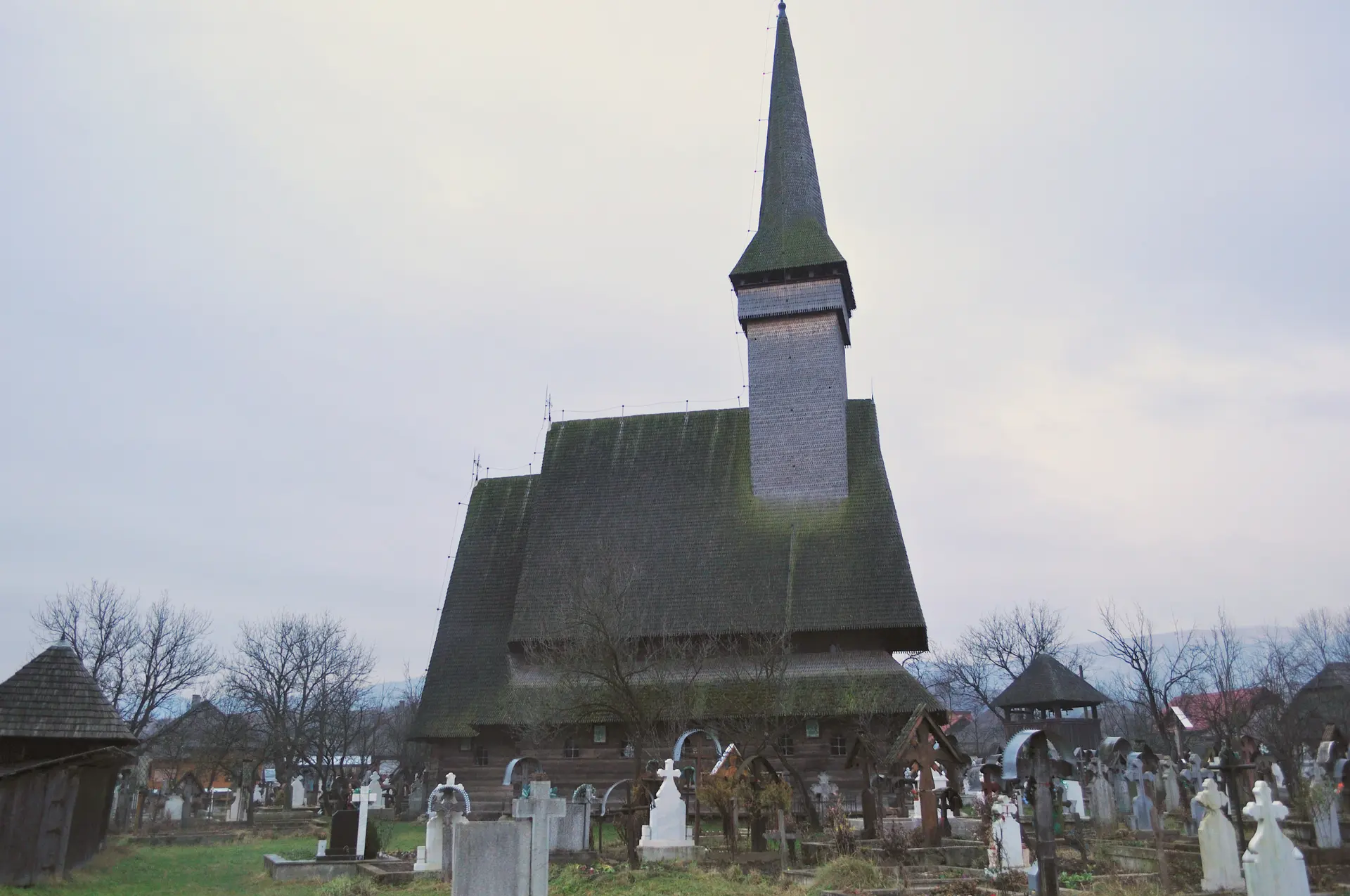

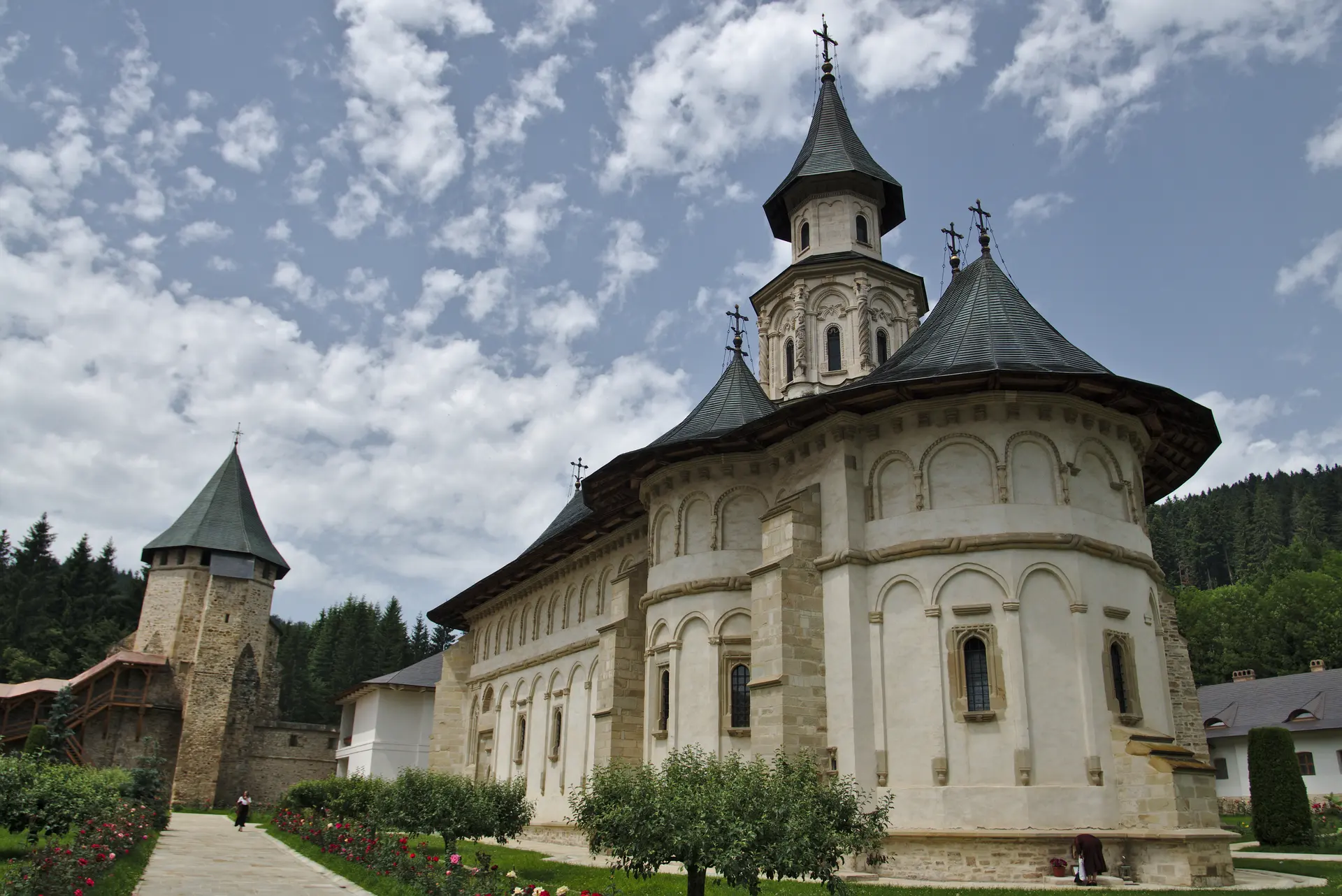

Photo gallery
3 curated photos
Share a photo
Help visitors recognize Barsana Monastery, Romania. Every submission is reviewed before publication.