Site type guide
Stone Row
Stone Row sites reveal how different traditions shape sacred space through architecture, landscape, ritual, and memory.
3 stone row sacred sites. Use the country and tradition filters to narrow in.
Atlas summary
Stone Row sacred sites overview
Stone Row sacred sites span countries, traditions, pilgrimage routes, and sacred landscapes represented in the Pilgrim Map atlas.
Use this guide to compare major country clusters, represented traditions, UNESCO-tagged places, and the map distribution before opening individual site pages.
| Coverage | 3 stone row sacred sites across the current atlas. |
|---|---|
| Major countries | |
| Traditions |
By country
By tradition
Refine the atlas
Search within stone row sites
All sites
3
Showing 1-3 of 3 sites in this site-type guide
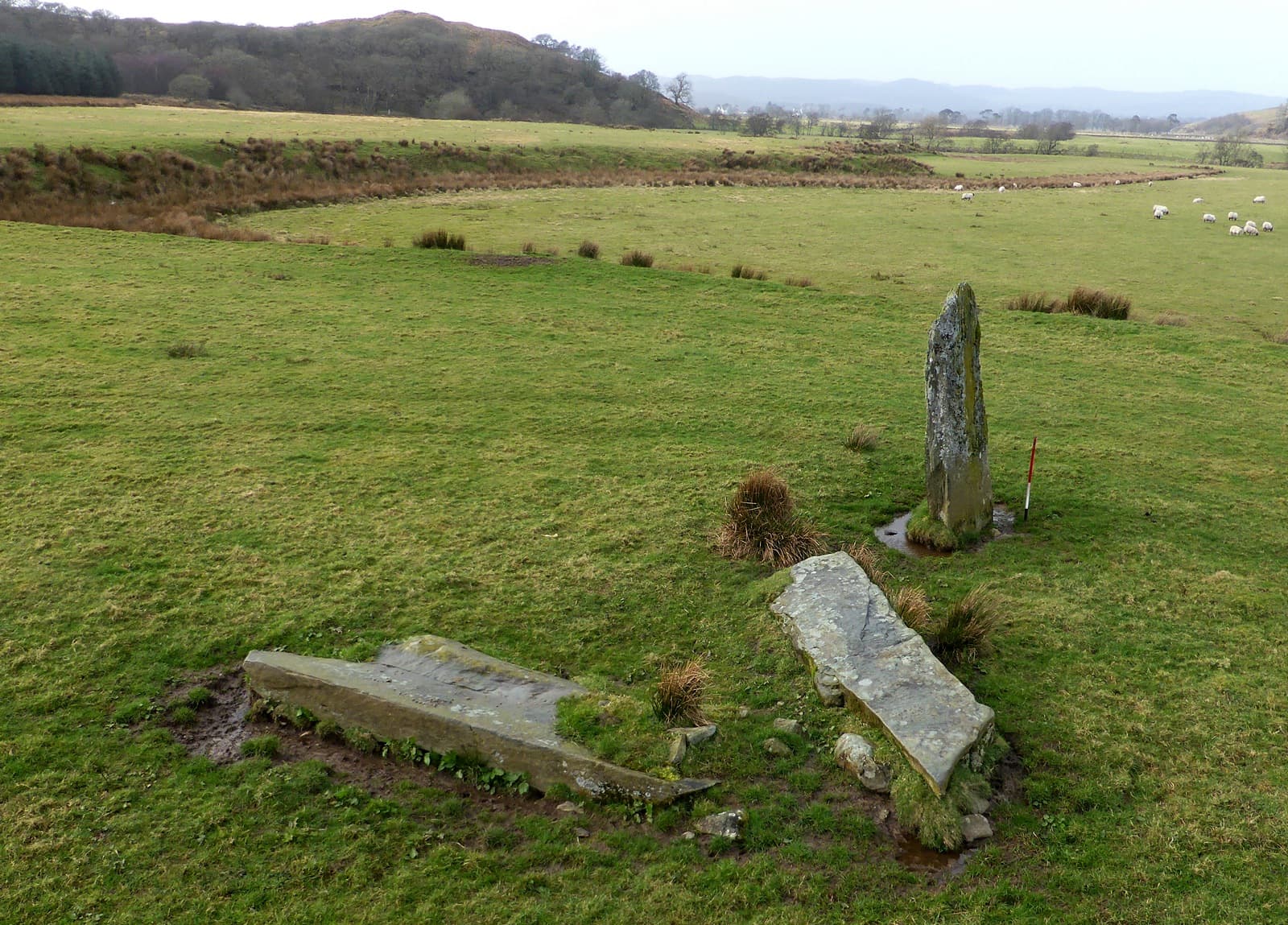
Dunamuck North Stone Row
Kilmartin, Argyll and Bute, United Kingdom
On the flat ground west of the River Add, where Kilmartin Glen opens into moorland and rough pasture, Dunamuck North Stone Row stands in quiet witness....
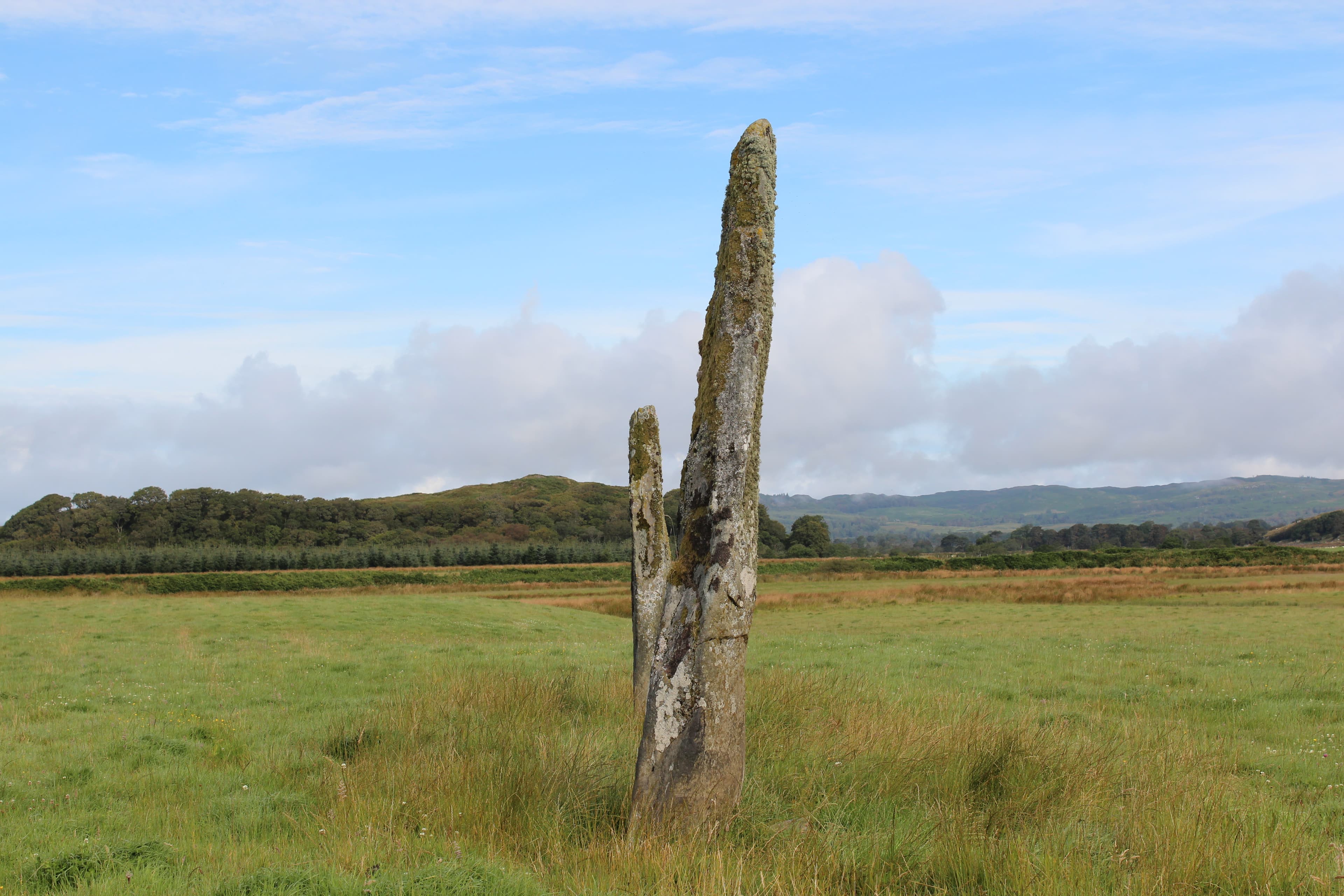
Dunamuck South Stone Row
Kilmichael Glassary, Argyll and Bute, United Kingdom
On level ground beside the River Add, two massive stone slabs stand where Bronze Age hands raised them four thousand years ago....
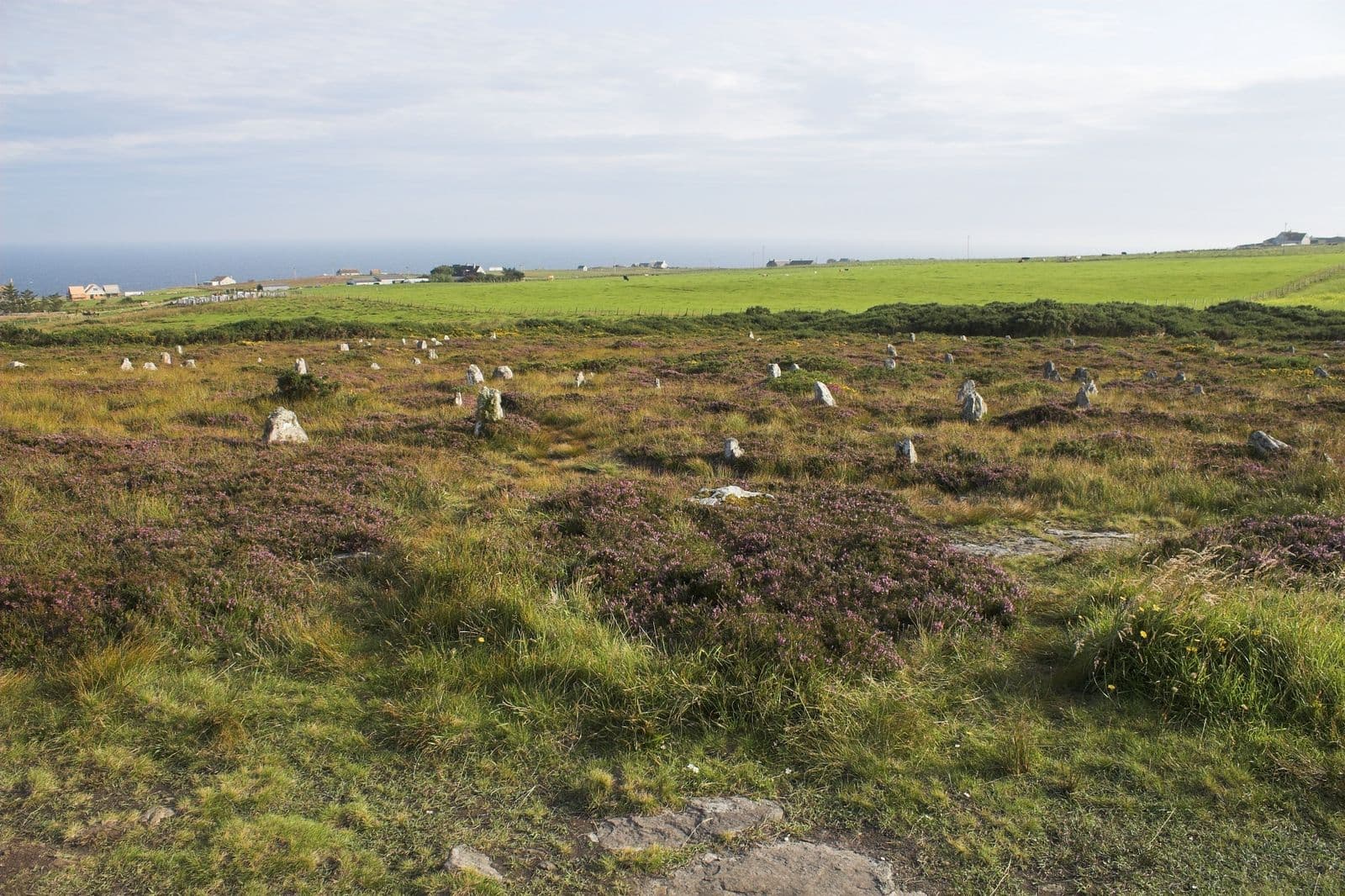
Hill o' Many Stanes
Lybster, Caithness, United Kingdom
On a low hill near the village of Mid Clyth in Caithness, approximately two hundred small standing stones are arranged in twenty-two rows that fan outward as they run down...
Key questions
Stone Row sacred-site questions
- What stone row sacred sites are included?
- Stone Row sacred sites are places where this site type carries religious, ritual, cultural, or pilgrimage significance. This guide lists 3 in the current Pilgrim Map atlas.
- Where are these stone row sites located?
- Major country clusters include United Kingdom.
- Which traditions are represented?
- Traditions represented here include Celtic and Prehistoric.
- Can I view stone row sacred sites on a map?
- Yes. Compare the country and tradition clusters, switch to map view for geography, then use site pages for practical context and related places.