Site type guide
Royal Tumulus
Royal Tumulus sites reveal how different traditions shape sacred space through architecture, landscape, ritual, and memory.
4 royal tumulus sacred sites. Use the country and tradition filters to narrow in.
Atlas summary
Royal Tumulus sacred sites overview
Royal Tumulus sacred sites span countries, traditions, pilgrimage routes, and sacred landscapes represented in the Pilgrim Map atlas.
Use this guide to compare major country clusters, represented traditions, UNESCO-tagged places, and the map distribution before opening individual site pages.
| Coverage | 4 royal tumulus sacred sites across the current atlas. |
|---|---|
| Major countries | |
| Traditions |
By tradition
All sites
4
Showing 1-4 of 4 sites in this site-type guide

Amisos Hill
Samsun, Turkey
Amisos Hill rises above Samsun on the Turkish Black Sea coast, its summit concealing the golden burial chambers of the Pontus Kingdom elite....

Ancient Royal Tombs of Lapaha
Mu'a / Lapaha, Tongatapu, Tongatapu, Tonga
Stepped platforms of uncemented coral limestone at Lapaha hold the traditional burial ground of the Tuʻi Tonga, paramount chiefs said to descend from the sky god Tangaloa....
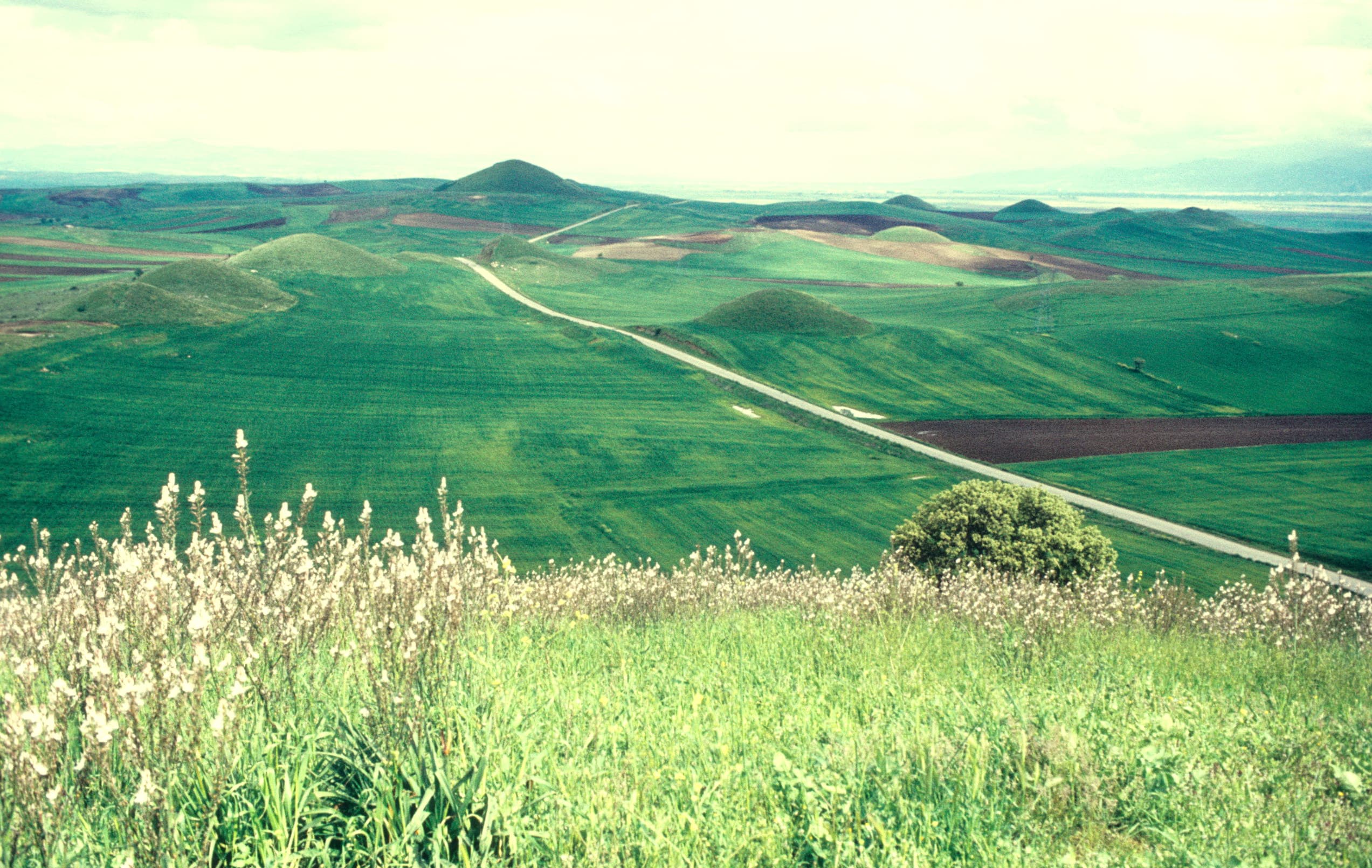
Bin Tepe
Manisa, Turkey
Bin Tepe is the royal tumulus cemetery of the Lydian Mermnad dynasty, located on a ridge above Marmara Lake 8 km north of Sardis....

Karakuş Tumulus
Adıyaman, Turkey
Karakuş Tumulus is an artificial mound 30 metres high and 150 metres across, built c....
Key questions
Royal Tumulus sacred-site questions
- What royal tumulus sacred sites are included?
- Royal Tumulus sacred sites are places where this site type carries religious, ritual, cultural, or pilgrimage significance. This guide lists 4 in the current Pilgrim Map atlas.
- Where are these royal tumulus sites located?
- Major country clusters include Turkey, Tonga.
- Which traditions are represented?
- Traditions represented here include Ancient, Indigenous.
- Can I view royal tumulus sacred sites on a map?
- Yes. Compare the country and tradition clusters, switch to map view for geography, then use site pages for practical context and related places.