Site type guide
Rock-cut Sanctuary
Rock-cut Sanctuary sites reveal how different traditions shape sacred space through architecture, landscape, ritual, and memory.
3 rock-cut sanctuary sacred sites. Use the country and tradition filters to narrow in.
Atlas summary
Rock-cut Sanctuary sacred sites overview
Rock-cut Sanctuary sacred sites span countries, traditions, pilgrimage routes, and sacred landscapes represented in the Pilgrim Map atlas.
Use this guide to compare major country clusters, represented traditions, UNESCO-tagged places, and the map distribution before opening individual site pages.
All sites
3
Showing 1-3 of 3 sites in this site-type guide
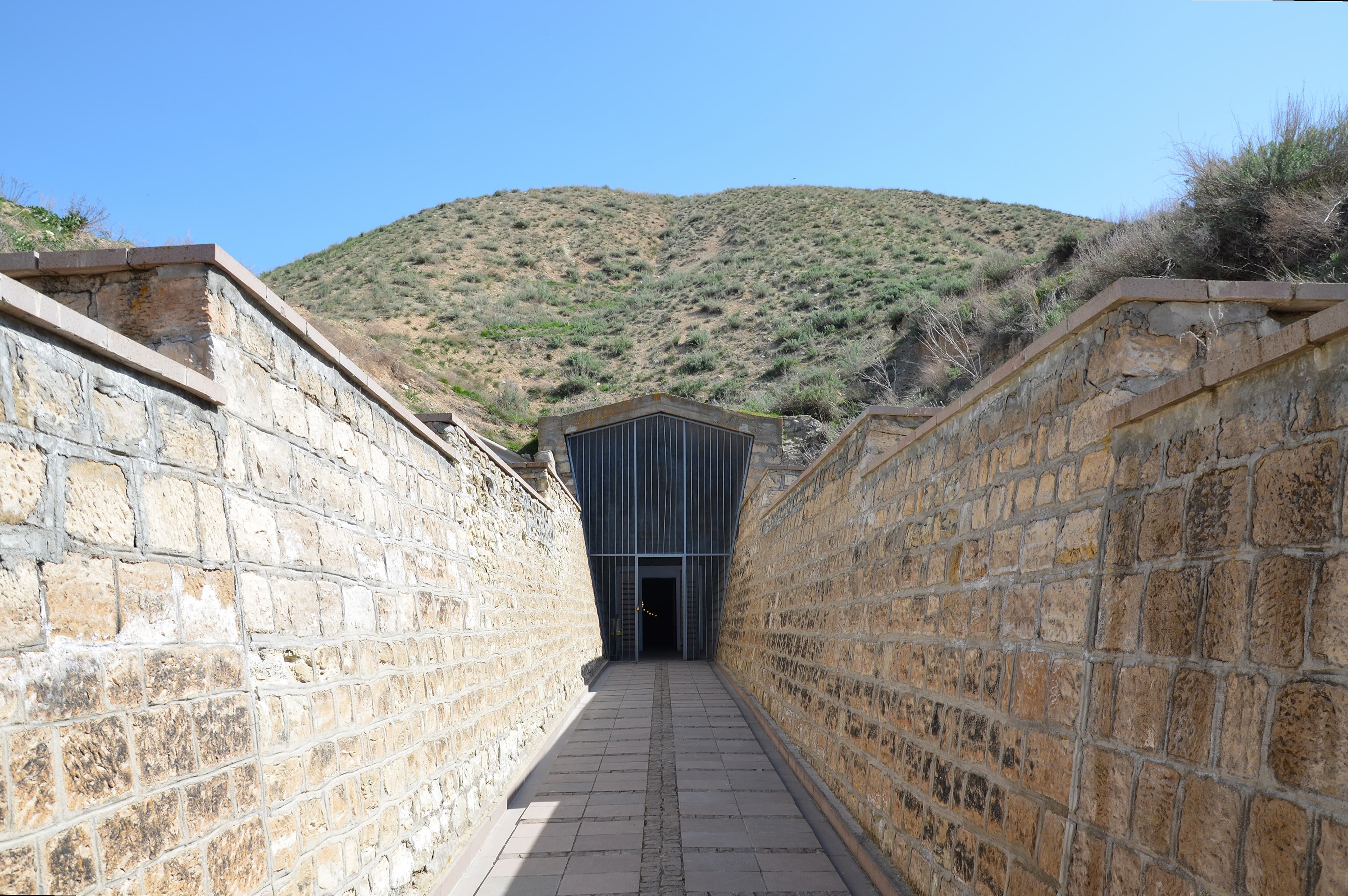
Midas Tumulus
Eskişehir, Turkey
Despite the name, Midas Monument is not a burial place. It is the largest and most elaborate open-air sanctuary ever carved for the Phrygian Mother Goddess — a...
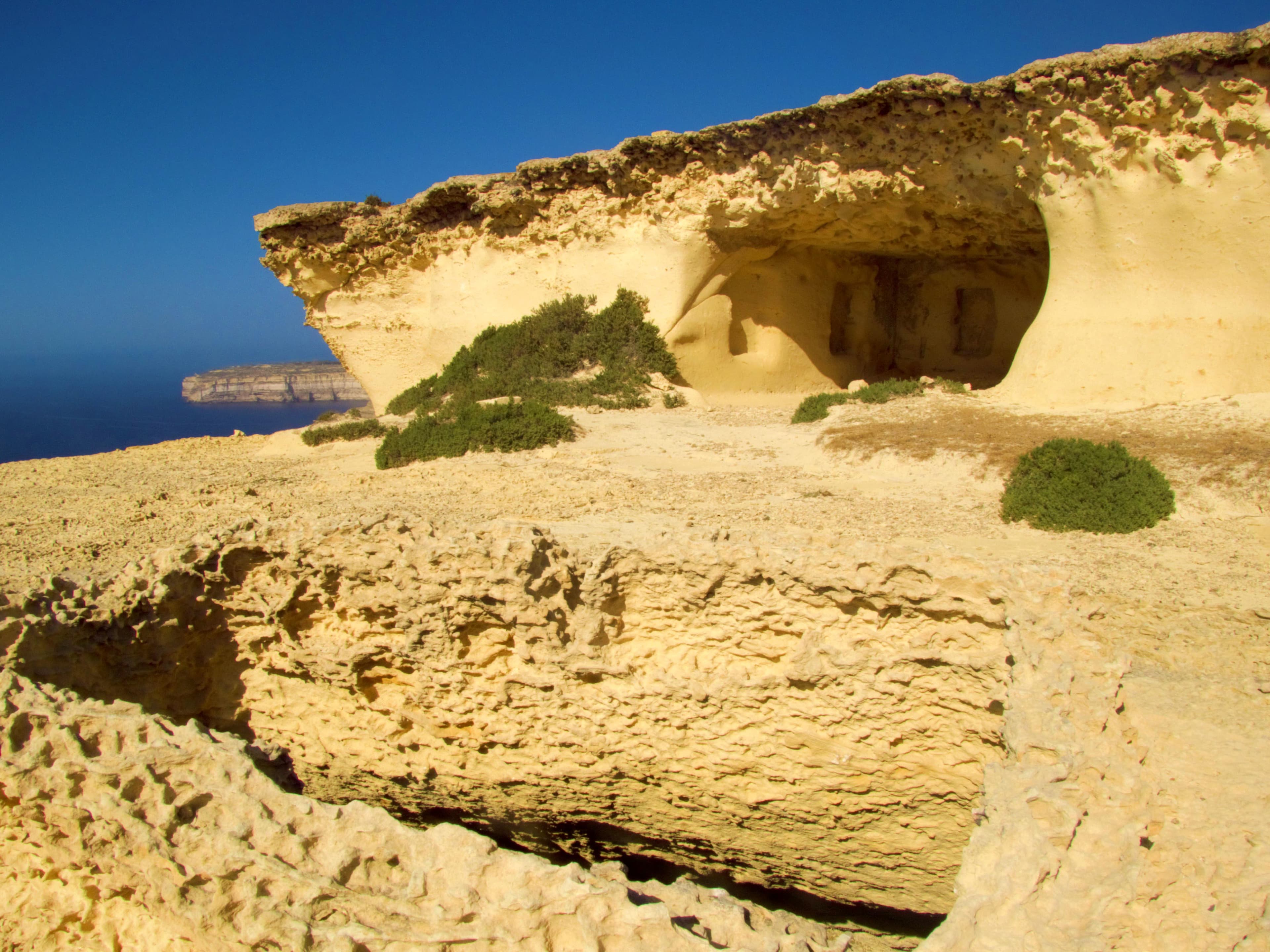
Wardija Punic Temple
San Lawrenz, Malta
Ras il-Wardija stands at the extreme southwest of Gozo, 120 metres above the sea, where Punic sailors carved rock-hewn niches into the clifftop and left offerings to...

Yazılıkaya
Çorum, Turkey
Yazılıkaya is the largest known open-air Hittite sanctuary, located 2 km northeast of Hattusha in central Turkey....
Key questions
Rock-cut Sanctuary sacred-site questions
- What rock-cut sanctuary sacred sites are included?
- Rock-cut Sanctuary sacred sites are places where this site type carries religious, ritual, cultural, or pilgrimage significance. This guide lists 3 in the current Pilgrim Map atlas.
- Where are these rock-cut sanctuary sites located?
- Major country clusters include Turkey, Malta.
- Which traditions are represented?
- Traditions represented here include Ancient.
- Can I view rock-cut sanctuary sacred sites on a map?
- Yes. Compare the country and tradition clusters, switch to map view for geography, then use site pages for practical context and related places.