Site type guide
Petroglyph Site
Petroglyph Site sites reveal how different traditions shape sacred space through architecture, landscape, ritual, and memory.
3 petroglyph site sacred sites. Use the country and tradition filters to narrow in.
Atlas summary
Petroglyph Site sacred sites overview
Petroglyph Site sacred sites span countries, traditions, pilgrimage routes, and sacred landscapes represented in the Pilgrim Map atlas.
Use this guide to compare major country clusters, represented traditions, UNESCO-tagged places, and the map distribution before opening individual site pages.
| Coverage | 3 petroglyph site sacred sites across the current atlas. |
|---|---|
| Major countries | |
| Traditions |
By tradition
Refine the atlas
Search within petroglyph site sites
All sites
3
Showing 1-3 of 3 sites in this site-type guide

Pedra do Ingá
Ingá, Paraíba, Brazil
In the bed of the Ingá River in northeastern Brazil, a massive gneiss wall bears more than four hundred petroglyphs carved over thousands of years....
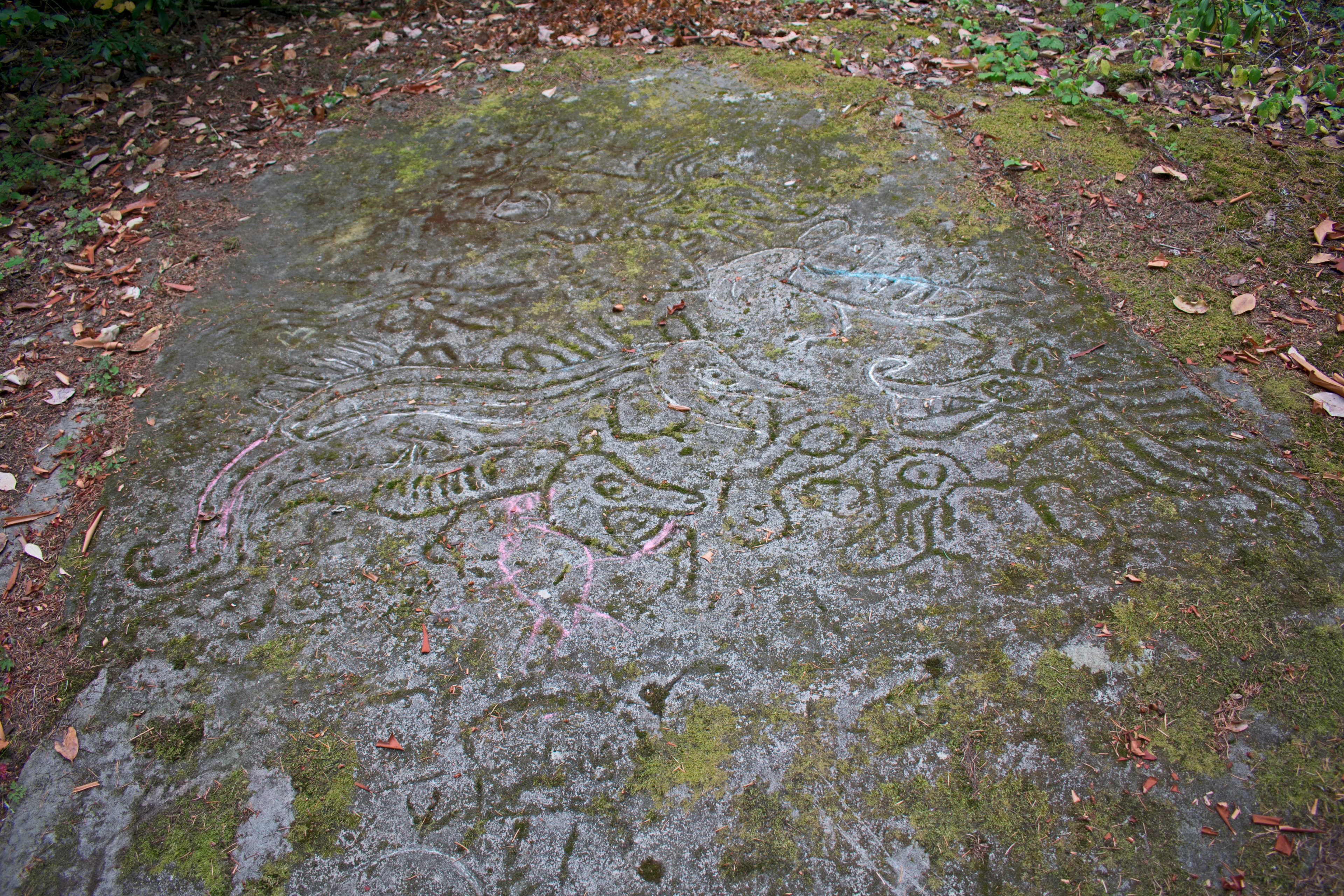
Petroglyph Provinical Park, BC
Nanaimo, British Columbia, Canada
On a sandstone hill overlooking Nanaimo Harbour, where the Nanaimo River reaches the sea, the ancestors of the Snuneymuxw First Nation carved images of sea wolves,...
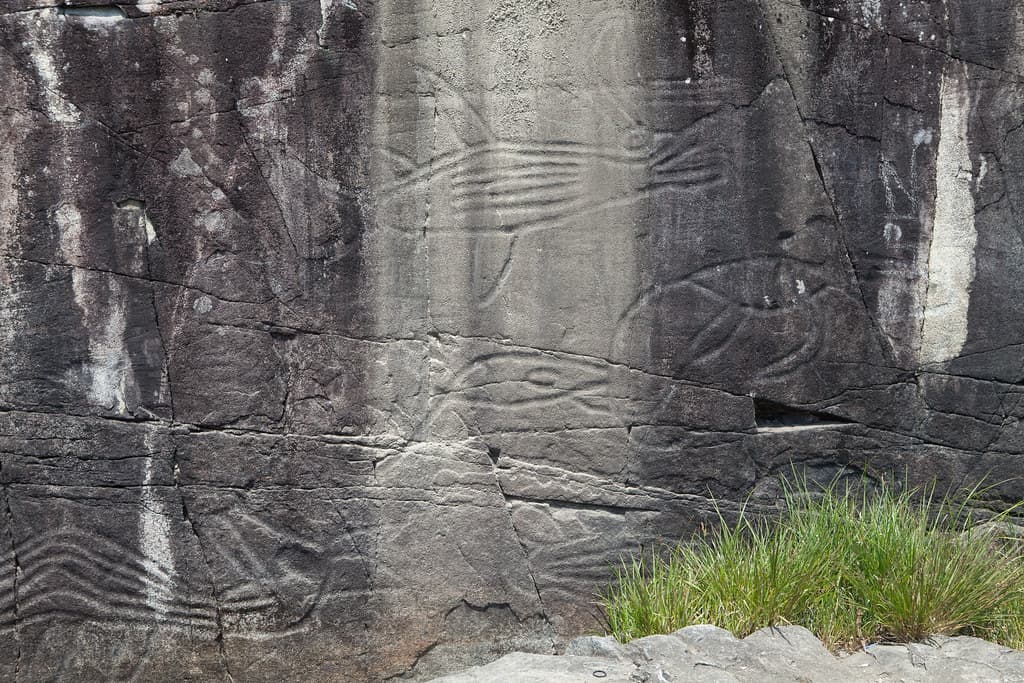
Sproat Lake Petroglyphs, BC
Port Alberni, British Columbia, Canada
Nine ancient petroglyphs mark a lakeside rock face in central Vancouver Island, carved by ancestors of the Hupacasath First Nation....
Key questions
Petroglyph Site sacred-site questions
- What petroglyph site sacred sites are included?
- Petroglyph Site sacred sites are places where this site type carries religious, ritual, cultural, or pilgrimage significance. This guide lists 3 in the current Pilgrim Map atlas.
- Where are these petroglyph site sites located?
- Major country clusters include Canada, Brazil.
- Which traditions are represented?
- Traditions represented here include Indigenous, Pre-Columbian.
- Can I view petroglyph site sacred sites on a map?
- Yes. Compare the country and tradition clusters, switch to map view for geography, then use site pages for practical context and related places.