Petroglyph Provinical Park, BC
Coast Salish rock carvings at a place the Snuneymuxw knew as a threshold between worlds
Understand sacred places, explore living traditions, and learn how to engage respectfully with Pilgrim Map.
Access has not been verified. Check current local guidance before planning a visit.
Nanaimo, British Columbia, Canada
Read the sources
Image of Petroglyph Provinical Park, BC. Image source · CC-BY-SA-4.0
Visit essentials
A quick read before you go
- Duration
- Twenty to sixty minutes for the full trail loop.
- Etiquette
- Petroglyph Provincial Park is a sacred Indigenous heritage site.
Overview
Petroglyph Provincial Park preserves one of British Columbia's densest concentrations of indigenous rock art. Carvings were pecked and abraded into natural sandstone outcrops on a low hill near the Nanaimo River estuary, within the traditional territory of the Snuneymuxw First Nation—a Coast Salish people who have inhabited this region for over five thousand years.
The petroglyphs show sea wolves, human figures, supernatural beings, turtles, snakes, birds, fish, and abstract symbolic designs. The recurring sea wolves, mythological creatures merging wolf and marine forms, represent the boundary between terrestrial and marine spirit worlds in Coast Salish cosmology. The Snuneymuxw chose this place because natural forces were believed to concentrate here, allowing approach to the spirit world.
In Snuneymuxw tradition, the creator Xaals turned the powerful shaman Thauxwaam to stone here as punishment for arrogance and disrespect. The story grounds the relationship between human power and divine authority in the landscape. The petroglyphs are teaching rocks, carrying cultural knowledge and spiritual instruction across a millennium.
Established in 1948 to protect the carvings from deterioration, the park is now a day-use heritage site with interpretive panels, a short trail, and concrete replicas for visitor rubbings. Originals remain on the hillside, some behind protective glass installed in 1984. The Snuneymuxw maintain a living cultural and spiritual connection, authority over decisions affecting the carvings, and ongoing conservation stewardship.
Why this place is sacred
The petroglyphs exist at a convergence. The Nanaimo River meets the sea below the sandstone hill. Land gives way to water. The carvings of sea wolves — beings that move between the marine and terrestrial worlds — are not decorative motifs but records of a cosmology in which the boundaries between realms are fluid and spiritually charged.
Coast Salish tradition holds that petroglyphs were made at places where the forces of nature were especially strong, usually marked by waterfalls, distinctive rock formations, or caves, and nearly always near water. The Nanaimo estuary fulfils this pattern. The carvers were not choosing scenic viewpoints but identifying locations where spiritual reality was close to the surface — places where encounters with guardian spirits, shamanistic journeys, and visions were more likely to occur.
The mythology of Thauxwaam deepens this quality. A shaman of great power, transformed to stone by the creator Xaals for his arrogance, Thauxwaam's story places the landscape itself within a narrative of sacred consequence. The rock is not inert matter but the residue of a divine encounter. To stand on this sandstone is to stand where power met its limit, where a human being crossed a threshold he should not have crossed.
This is what gives the site its quality as what some traditions call a thin place — not the beauty of the harbour view, though it is beautiful, but the accumulated weight of spiritual intention. For over a thousand years, people came to this hill to carve images of what they had seen in the spirit world: sea wolves, supernatural beings, figures from dreams and visions.
Each carving is a record of someone's encounter with the numinous, pecked into stone so it would not be forgotten. The density of these records — dozens of petroglyphs concentrated on a small hillside — creates a kind of spiritual archive whose full meaning is held by the Snuneymuxw and not entirely available to outsiders.
The petroglyphs served multiple ceremonial and spiritual purposes within Coast Salish and Snuneymuxw culture. They commemorated coming-of-age ceremonies, recorded potlatch events, marked territorial boundaries for hunting and fishing grounds, and documented encounters with the spirit world during shamanistic rituals and vision quests. The carvings were also records of significant natural events including floods, landslides, storms, and wars.
Rock art in this Coast Salish tradition is fundamentally linked with shamanism and the search for benevolent spirits — the shaman's major tasks being healing and prophecy.
The petroglyphs date to at least the tenth century CE, though the Snuneymuxw have inhabited this region for over five thousand years, and the carvings may be considerably older. The practice of carving petroglyphs at this location has ceased as a living tradition, but the site's sacred significance to the Snuneymuxw has not diminished.
The park was established on August 24, 1948, making it one of the earliest provincial park designations specifically intended to protect indigenous rock art. In 1984, a glass enclosure was constructed over the main body of original petroglyphs to shield them from acid rain, algae, frost, and vandalism. Concrete replica casts were installed to allow visitors to interact with the forms through rubbing without damaging the originals.
In 1996, Snuneymuxw elders granted permission to the Gabriola Historical and Museum Society to create replicas of rapidly eroding petroglyphs from other locations in their territory. This act of cultural authority — the elders deciding what could be reproduced and what could not — demonstrates the continuing relationship between the Snuneymuxw and their ancestral carvings.
More recently, the Snuneymuxw have engaged in direct cultural dialogue with BC Hydro over damage to petroglyphs elsewhere in their territory, asserting their role as stewards of a living heritage.
Experience and orientation
You arrive at a small pull-out parking lot on the east side of the Trans-Canada Highway, about four kilometres south of central Nanaimo. The entrance is somewhat hidden by cliffs alongside the highway, easy to miss if you are not watching for the sign. From the parking area, a short walkway leads into the wooded hillside.
The interpretive area comes first. Concrete casts of the petroglyphs are arranged here, along with information panels explaining their cultural context and the history of the Snuneymuxw people. These replicas are where visitors can make rubbings — pressing paper against the cast surface and rubbing with crayon or charcoal to transfer the carved forms. Bring your own supplies; the park does not provide them.
The tactile act of rubbing connects you to the shapes in a way that looking alone cannot. Your hand follows the lines the original carvers pecked into stone a thousand years ago.
From the interpretive area, the trail climbs the sandstone hill to the original petroglyphs. The path is short but somewhat steep and uneven in places. On the exposed rock faces, the carvings appear — sea wolves with their elongated bodies and merged lupine-marine features, human figures, faces with round staring eyes, turtles, snakes, birds, and forms that resist easy identification.
Some of the main petroglyphs are sheltered behind protective glass installed in 1984, which can make them harder to see clearly depending on light conditions and reflections.
Low-angle light reveals the carvings most fully. Early morning and late afternoon are the best times for seeing and photographing the petroglyphs, as the shadows cast by oblique sunlight make the pecked lines stand out against the sandstone surface. At midday, when the sun is directly overhead, the carvings can become nearly invisible — a reminder that these images live in relationship with the light and were not made for constant display.
The hilltop opens to views over Nanaimo Harbour and the water beyond. This is where the estuary spreads below, where the Nanaimo River meets the sea. The juxtaposition of the carvings and the view is not accidental. The Snuneymuxw chose this place because of its position at the meeting of land and water, and the harbour vista gives physical form to that threshold.
Stand here quietly and notice what the carvers would have seen: the same water, the same meeting of river and sea, the same sky above the strait.
The park occupies roughly two hectares on a hillside facing east toward Nanaimo Harbour. The parking area and interpretive zone are at the lower elevation; the original petroglyphs are on the sandstone outcrops above. The full loop trail covers approximately 0.3 miles (0.5 kilometres) with about eight metres of elevation gain. Most visitors spend twenty to sixty minutes at the site. The trail returns you to the parking area via the same path or a short loop.
Context and lineage
Snuneymuxw mythology tells of the powerful shaman Thauxwaam, who grew arrogant in his abilities. The creator Xaals — a transformer figure in Coast Salish tradition who reshaped the world and its inhabitants — punished Thauxwaam by turning him to stone. This transformation story connects the rock formations and petroglyphs to the spiritual authority of the creator and serves as a lasting teaching about the limits of human power before the sacred.
The petroglyphs themselves belong to a broader Coast Salish rock art tradition in which carvings were made at places of concentrated spiritual force. According to this tradition, locations were chosen not randomly but at sites marked by distinctive natural features — waterfalls, rock formations, caves — and nearly always near water. The carvings recorded encounters with the spirit world: vision quests, shamanistic journeys, meetings with supernatural beings.
They were also records of communal events — coming-of-age ceremonies, potlatches, territorial boundaries — and of significant natural events such as floods, storms, and wars.
The Nanaimo petroglyphs belong to the Coast Salish rock art tradition, one of the major petroglyph traditions of the Pacific Northwest Coast. The Snuneymuxw are part of the broader Coast Salish cultural group, speakers of the Hul'qumi'num language, and have inhabited the Nanaimo region for over five thousand years.
The petroglyphs at this park are part of a wider network of rock art sites scattered across Vancouver Island and the Strait of Georgia region. Gabriola Island, a short ferry ride from Nanaimo, has additional petroglyph sites. Cedar-by-the-Sea, about fifteen kilometres south, and Sproat Lake, roughly a hundred kilometres west, hold further examples of Coast Salish carving.
These sites are connected not just by technique and imagery but by the shared cosmology that understood certain locations as places of concentrated spiritual power.
The carving tradition is linked across much of Canada with shamanism, the search for benevolent spirits, healing, prophecy, and the vision quest — a practice in which individuals sought direct encounters with guardian spirits through fasting, isolation, and prayer at places of power.
Thauxwaam
Powerful shaman in Snuneymuxw mythology
Xaals
Creator and transformer figure in Coast Salish tradition
Snuneymuxw Elders (1996)
Cultural authorities and stewards of the petroglyphs
Government of British Columbia
Park establishment and conservation
Traditions and practice
The petroglyphs were created as part of multiple ceremonial and spiritual practices within Coast Salish culture. Shamans came to places of concentrated natural force to seek contact with spirit beings for healing and prophecy. Individuals undertook vision quests — periods of fasting and solitary vigil — at sites like this one, where encounters with guardian spirits were believed to be more likely. Coming-of-age ceremonies were commemorated in the rock.
Potlatch events, the great redistributive gatherings that bound Coast Salish communities together, were recorded. Territorial boundaries for hunting and fishing grounds were marked.
The carving itself was likely a ritual act, not merely a practical one. The choice of location, the selection of images, the physical labour of pecking and abrading sandstone — all were embedded in a spiritual framework where the act of making and the thing made were inseparable from the sacred encounter being recorded.
No publicly documented ceremonies currently take place at the park. The Snuneymuxw First Nation maintains a living spiritual connection to the site, but any ongoing practices are considered private Indigenous matters. The absence of public documentation does not indicate absence of practice — it indicates that some knowledge is held by those to whom it belongs and is not meant for general circulation.
Begin at the concrete replica casts in the interpretive area. Place a sheet of paper over the surface and rub with crayon or charcoal. The act of tracing these forms with your hand connects you to the carved lines in a way that looking alone does not — you follow the contours that someone pecked into stone a thousand years ago, and your body learns what the eye sees only partially.
Then climb the short trail to the sandstone gallery. Move slowly. The carvings are subtle, especially in flat light, and reveal themselves gradually. Look for the sea wolves first — the elongated bodies, the merged forms that are neither entirely wolf nor entirely marine creature. Notice the human figures, the round-eyed faces, the turtles and snakes and birds. Some forms will resist identification. Let them remain unknown.
Stand at the hilltop and look out over the harbour. The Nanaimo River estuary spreads below, the place where fresh water meets salt. This is the threshold the carvers knew — the meeting of land and sea, the zone where one world gives way to another. Consider that the people who made these carvings stood at this same vantage point and understood it as a place where the spirit world was close.
Low-angle light — early morning or late afternoon — casts shadows that make the carvings leap from the rock. If you can time your visit for these hours, the petroglyphs will show you what midday conceals. Late afternoon light falling across the sandstone can make a carving appear that you walked past without seeing an hour earlier.
Bring patience. The park is small and the trail is short, but the carvings reward sustained attention. Twenty minutes is enough to walk the loop; an hour is what the site deserves.
Coast Salish / Snuneymuxw Petroglyph Tradition
HistoricalThe petroglyphs represent one of the highest concentrations of indigenous rock art in British Columbia. Created by the ancestors of the Snuneymuxw First Nation over at least a thousand years, the sandstone carvings depict sea wolves, human figures, supernatural beings, and symbolic designs. Known as teaching rocks, they served as carriers of cultural knowledge and spiritual instruction within Coast Salish society.
The carvings were made for multiple purposes: commemorating coming-of-age ceremonies, recording potlatch events, marking territorial boundaries, and as part of shamanistic rituals involving vision quests and spirit encounters. Locations were chosen at places where forces of nature were believed to be especially strong, usually near water. The carving act itself was likely embedded in ceremonial practice.
Snuneymuxw Cultural and Spiritual Stewardship
ActiveThe Snuneymuxw First Nation maintains a living cultural and spiritual connection to the petroglyph sites throughout their territory. Petroglyph Provincial Park is described as a place of dreams and a spiritual refuge. The Snuneymuxw exercise cultural authority over the carvings and their reproduction, and they hold sacred knowledge about the deeper meanings of the petroglyphs that is not publicly shared.
Specific contemporary spiritual practices at the site are not publicly documented, as this is considered sacred Indigenous knowledge. The Snuneymuxw elders exercised cultural authority in granting permission in 1996 for the creation of petroglyph replicas. The First Nation also engages in active cultural dialogue regarding petroglyph conservation, as demonstrated by their engagement with BC Hydro over damage to petroglyphs in their territory.
Heritage Conservation and Interpretation
ActiveThe park has been managed as a heritage conservation site since its establishment in 1948, one of British Columbia's earliest provincial park designations for indigenous rock art protection. The 1984 glass enclosure over the main petroglyphs, the concrete replica casts, and the interpretive panels represent ongoing efforts to balance public access with preservation.
BC Parks manages day-to-day site operations, trail maintenance, and interpretive programming. The Nanaimo Museum offers petroglyph-related educational programs. Conservation efforts include the protective glass enclosure, replica casting for visitor interaction, and interpretive signage providing cultural and historical context.
Perspectives and open questions
The Nanaimo petroglyphs invite interpretation from multiple frameworks that do not easily reduce to one another. Archaeological scholarship analyses technique, dating, and cultural attribution. Snuneymuxw tradition understands the site as sacred ground where the spirit world was — and perhaps still is — accessible. These perspectives address different questions and operate on different registers, and neither fully contains what the petroglyphs mean.
Scholarly perspective
Archaeologists and anthropologists classify the Nanaimo petroglyphs as Coast Salish rock art dating to at least the tenth century CE, created by the ancestors of the Snuneymuxw First Nation. The carvings were pecked and abraded into natural sandstone outcrops near the Nanaimo River estuary, depicting sea wolves, human figures, supernatural beings, fish, birds, turtles, snakes, wolves, and abstract symbolic designs.
Scholars place the petroglyphs within the broader Northwest Coast and Coast Salish rock art traditions, where carvings were made at locations believed to hold concentrated spiritual power, nearly always near water. The petroglyphs served multiple documented functions: marking territorial boundaries, commemorating coming-of-age ceremonies and potlatch events, recording significant natural events, and serving as part of shamanistic practice involving vision quests and spirit encounters.
The Canadian Encyclopedia notes that rock art across much of Canada is linked with shamanism, the search for benevolent spirits, healing, prophecy, and the vision quest tradition. The Nanaimo petroglyphs fit this broader pattern while exhibiting specific Coast Salish stylistic features, particularly in the sea wolf imagery.
The park was designated in 1948 specifically for conservation purposes, making it one of British Columbia's earliest efforts to protect indigenous rock art. The 1984 glass enclosure over the main petroglyph group represents a further commitment to preservation, though its effectiveness and current condition are not well documented in publicly available sources.
Living and traditional perspectives
The Snuneymuxw First Nation, speakers of the Hul'qumi'num language, have inhabited the Nanaimo region for over five thousand years. The petroglyphs are part of their living cultural heritage, not archaeological artefacts from a vanished people. The site is described as a place of dreams — a location where the boundary between the ordinary world and the spirit world is permeable.
The mythology of Thauxwaam, the powerful shaman turned to stone by the creator Xaals for his arrogance, embeds the physical landscape in a sacred narrative about the relationship between human power and divine authority. Xaals is a transformer figure in Coast Salish tradition, responsible for shaping the world and establishing its moral order. Thauxwaam's punishment is not merely a story but an event inscribed in the land.
The carvings of sea wolves represent beings that move between the marine and terrestrial worlds, reflecting a cosmology in which the boundaries between realms are fluid and spiritually significant. Deeper spiritual interpretations of specific carvings are considered sacred Snuneymuxw knowledge and are not shared publicly. This boundary is itself meaningful — it indicates that the site holds layers of significance that are not available to all visitors, and that the Snuneymuxw maintain authority over what is known and shared.
The Snuneymuxw continue to exercise cultural stewardship over the petroglyphs, as demonstrated by their role in granting permission for replicas, their engagement with BC Hydro over damage to petroglyphs in other parts of their territory, and their ongoing relationship with the site as a sacred place.
Alternative interpretations
Some visitors and spiritual seekers experience the petroglyph site as a place of heightened energy, consistent with the Snuneymuxw understanding that the location was chosen for its concentrated natural forces. The sea wolf imagery has drawn parallels with transformation mythology found across Pacific Northwest Coast cultures, where beings shift between human, animal, and supernatural forms.
The site's position at the Nanaimo River estuary — where land meets sea, fresh water meets salt — places it at a liminal zone that many spiritual traditions recognise as significant. The petroglyphs have attracted interest from researchers studying rock art as a cross-cultural expression of altered states of consciousness and shamanic journeying, though care must be taken not to impose external frameworks on a specifically Coast Salish sacred site.
Open questions
Genuine mysteries persist at Petroglyph Provincial Park. The precise age of the petroglyphs is uncertain; the tenth-century date represents an approximate minimum based on available evidence, but the carvings could be substantially older given the five-thousand-year habitation of the region. The full spiritual meaning of individual carvings is known to the Snuneymuxw but is not publicly shared — a deliberate and respected boundary around sacred knowledge.
The total number of petroglyphs at the site is not consistently documented across sources. Whether the site was used for astronomical observations or alignments has not been established. The specific rituals that accompanied the creation of each petroglyph — who carved, when, under what ceremonial conditions — cannot be reconstructed from the archaeological record alone.
The relationship between the Nanaimo petroglyphs and other petroglyph sites across Vancouver Island and the Strait of Georgia remains an area of ongoing scholarly interest, with questions about whether these sites formed a connected ceremonial network or represent independent local traditions.
Plan your visit
Access and arrival
Nanaimo offers a full range of accommodation from hotels to hostels and campgrounds. The park is within the city's urban fringe and easily accessible from any Nanaimo lodging. The city has restaurants, grocery stores, and all standard services.
Respectful visit
No formal requirements. Comfortable walking shoes are recommended, as the trail can be steep and uneven in places. Dress for Vancouver Island weather, which can be variable — layers and rain gear are advisable outside the summer months.
Photography is generally permitted at this BC Parks site. Early morning and late afternoon light produce the best results, as low-angle sunlight casts shadows that reveal the carving details. Photograph respectfully and do not touch or manipulate the original carvings to improve a photograph.
No tradition of visitor offerings is documented at this site. The most respectful offering is attentive presence and careful behaviour. Do not leave objects at or on the petroglyphs.
Stay on designated trails at all times | Do not touch, chalk, or make rubbings on the original petroglyphs | Use only the concrete replica casts for tactile interaction and rubbings | Do not remove stones or materials from the site | Day-use only — no camping | Treat the site as sacred Indigenous heritage
The petroglyphs are sacred to the Snuneymuxw First Nation, and the site should be approached with the same respect you would bring to any place held sacred by a living people. Do not touch, chalk, or attempt to make rubbings on the original petroglyphs — the concrete replicas exist specifically for this purpose. The sandstone is soft and the carvings are fragile; damage from touching is cumulative and irreversible.
Some visitors report petty crime in the parking area. Do not leave valuables visible in your vehicle.
Current practical details
Address
990-960, Trans-Canada Hwy, Nanaimo, BC V9R 6K5, Canada
Phone
Hours
Hours, fees, and access can change — verify on the official source before you travel. Practical details last checked Jun 2026.
Location
Map loads as you approach this section.
Pilgrim reflections
A portrait of encounter, not a score
Pilgrims describe what they felt, how present they could become, and whether the place would shape a journey. There are no stars and no ranking of traditions.
No reviewed reflections yet
The first pilgrims can help describe the character of being here.
Share a reflection
Available after an account-backed “Been there.” Every reflection is reviewed before publication.
Nearby sacred places
Explore other sacred places in the region. Proximity does not establish access or travel time; check each place’s guidance.
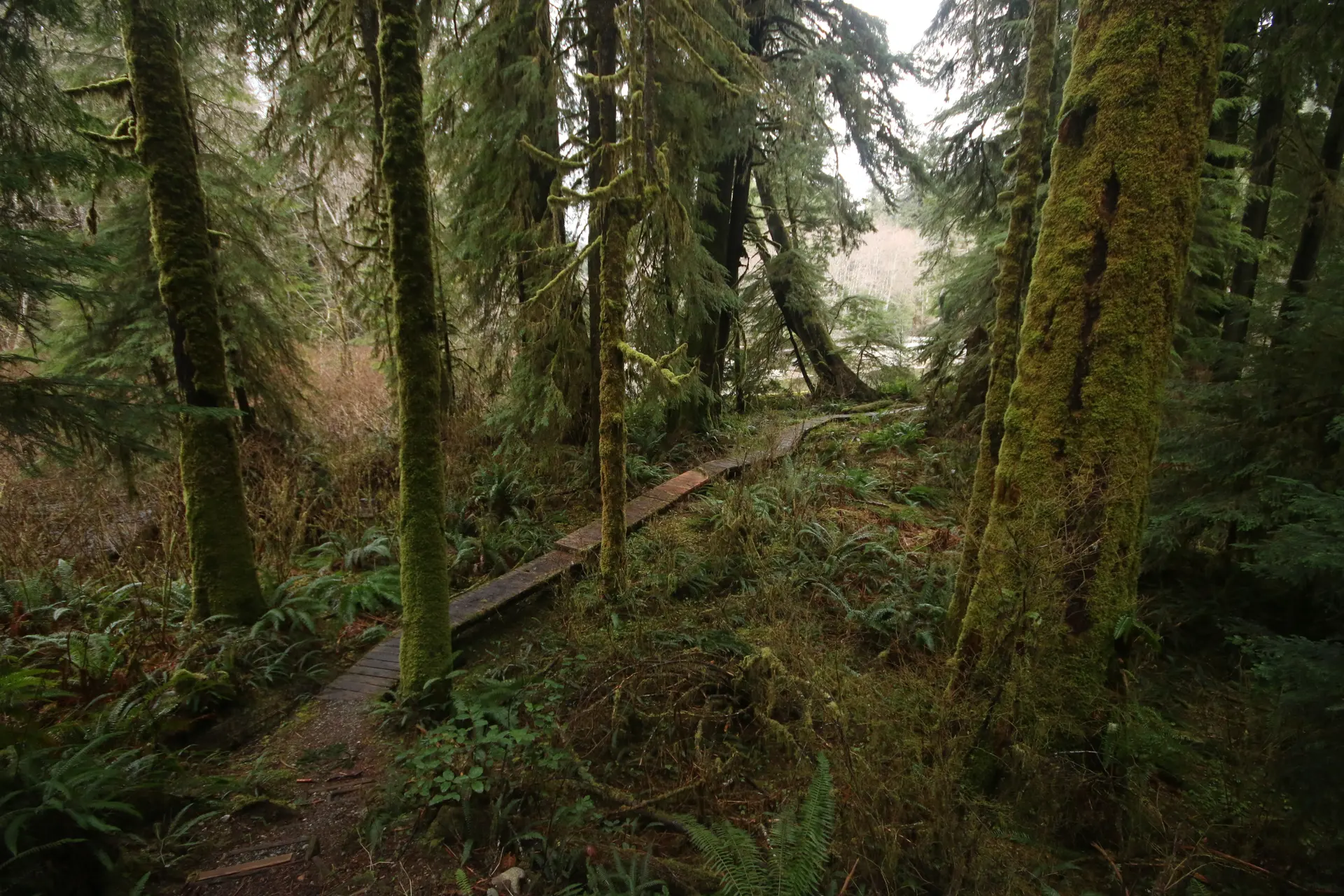
Walbran Valley
Duncan, British Columbia, Canada
43.4 km away

International Buddhist Temple
Richmond, Richmond, British Columbia, Canada
58.4 km away
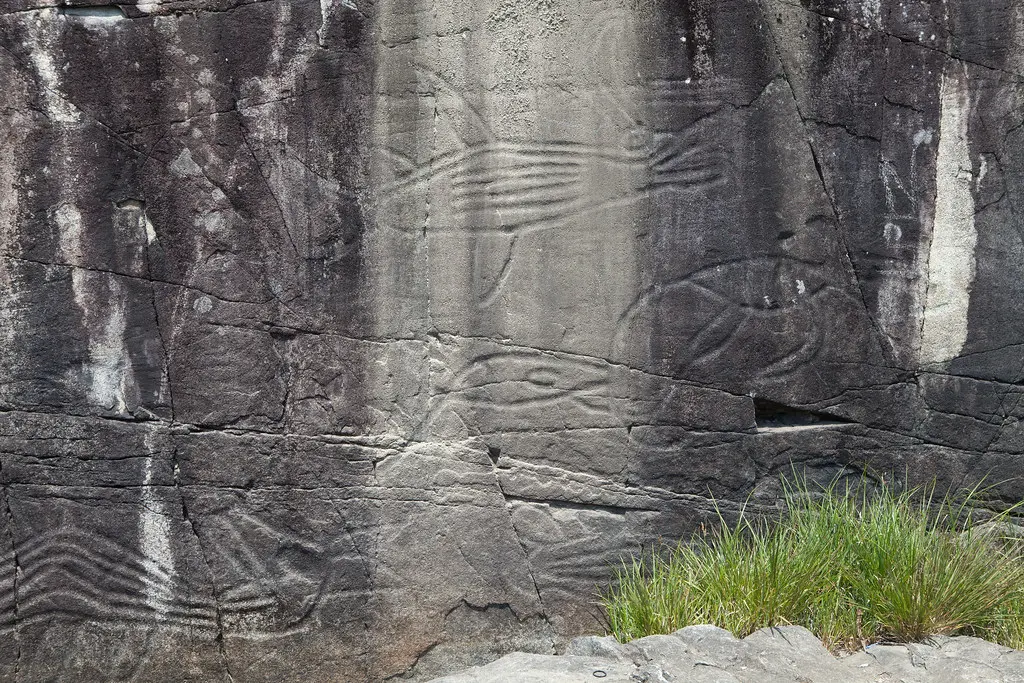
Sproat Lake Petroglyphs, BC
Port Alberni, British Columbia, Canada
74.1 km away

Abbotsford Sikh Temple
Abbotsford, Abbotsford, British Columbia, Canada
118.3 km away
References
Sources consulted for this page. Source categories describe the publication, not a guarantee that every claim is verified. Traditional accounts and outside interpretations may differ.
- 01Petroglyph Park | BC Parks — BC ParksofficialOfficial provincial parks authority page with visitor information, conservation details, and cultural context
- 02Petroglyph Replicas | City of Nanaimo — City of NanaimoSource contextMunicipal source documenting petroglyph replicas and original site locations across Snuneymuxw territory
- 03Petroglyphs - Nanaimo Museum — Nanaimo MuseumSource contextMuseum source with cultural and educational context for the petroglyphs
- 04Snuneymuxw engage with B.C. Hydro in cultural dialogue over petroglyph damage — Snuneymuxw First NationSource contextFirst Nation's own website documenting engagement over petroglyph conservation
- 05Pictographs and Petroglyphs - The Canadian Encyclopedia — The Canadian EncyclopediaSource contextAuthoritative Canadian reference on rock art traditions, shamanism, and vision quests in Indigenous cultures
- 06Petroglyph Provincial Park - Wikipedia — Wikipedia contributorsSource contextEncyclopedia article with historical details, coordinates, establishment date, and mythology references including Thauxwaam and Xaals
- 07Petroglyph Provincial Park - A Walk and a Lark — A Walk and a LarkSource contextDetailed visitor account with descriptions of carvings, site layout, interpretive area, and practical information
- 08Petroglyph Provincial Park - Vancouver Island — VancouverIsland.comSource contextTourism portal with information about spiritual significance, mythology of Thauxwaam, and visitor tips
- 09Petroglyph Provincial Park in Nanaimo — Vancouver Island ViewSource contextLocal guide with historical context and practical visiting information
- 10Petroglyphs Provincial Park: Home to Canada's Greatest Collection of Rock Carvings — Ancient OriginsSource contextArchaeological and historical context for the petroglyphs with information about Coast Salish practices
- 11Petroglyph Provincial Park Map - Mapcarta — MapcartaSource contextMapping source providing GPS coordinates for the park
- 12Petroglyph Provincial Park - The Megalithic Portal — The Megalithic PortalSource contextSpecialist rock art database with coordinates and site classification
- 13Petroglyph Park - ehCanadaTravel — ehCanadaTravelSource contextTravel guide with visitor experience details and facility information
- 14Snuneymuxw First Nation - Wikipedia — Wikipedia contributorsSource contextOverview of the Snuneymuxw people, their territory, language (Hul'qumi'num), and cultural history
- 15Petroglyph Park | Gabriola Museum — Gabriola Historical and Museum SocietySource contextInformation about petroglyph replicas created with Snuneymuxw elder permission; context on regional petroglyph sites
- 16Petroglyph Provincial Park - AllTrails — AllTrailsSource contextTrail details including distance (0.3 mi loop), elevation gain (26 ft), and user reviews
Share a photo
Help visitors recognize Petroglyph Provinical Park, BC. Every submission is reviewed before publication.