Site type guide
Giants' Grave
Giants' Grave sites reveal how different traditions shape sacred space through architecture, landscape, ritual, and memory.
3 giants' grave sacred sites. Use the country and tradition filters to narrow in.
Atlas summary
Giants' Grave sacred sites overview
Giants' Grave sacred sites span countries, traditions, pilgrimage routes, and sacred landscapes represented in the Pilgrim Map atlas.
Use this guide to compare major country clusters, represented traditions, UNESCO-tagged places, and the map distribution before opening individual site pages.
| Coverage | 3 giants' grave sacred sites across the current atlas. |
|---|---|
| Major countries | |
| Traditions |
By country
By tradition
Refine the atlas
Search within giants' grave sites
All sites
3
Showing 1-3 of 3 sites in this site-type guide
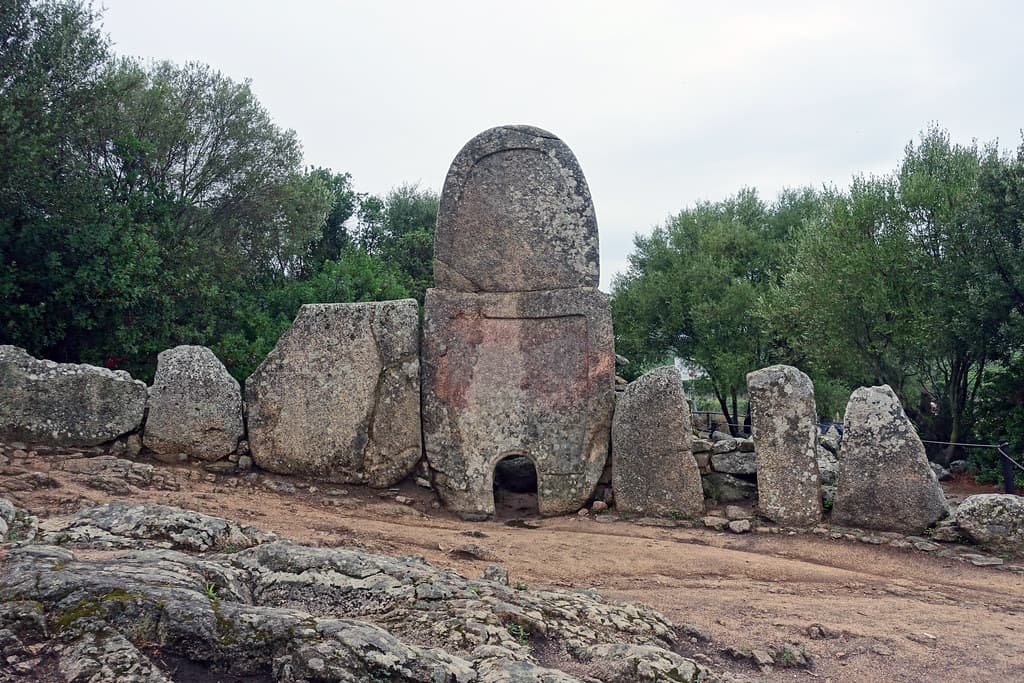
Coddu Vecchiu Grave
Alzachèna/Arzachena, Sardinia, Italy
In the Sardinian countryside near Arzachena, a granite stele rises four meters into the sky. Carved into its face is a doorway—not for the living, but for the dead....
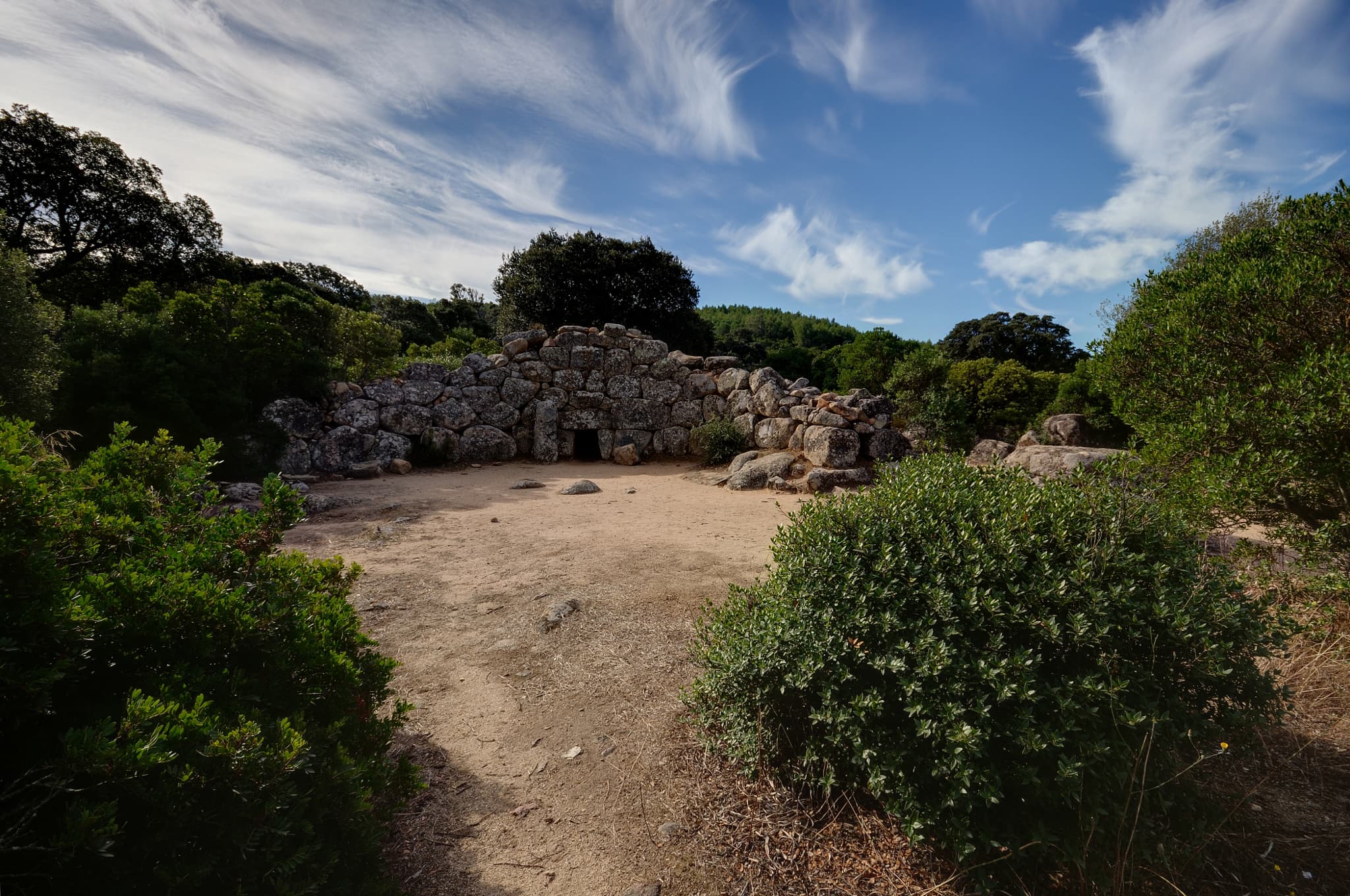
Giant’s Grave of Sa Domu e s’Orcu
Quartùcciu/Quartucciu, Sardinia, Italy
Rising from the forested slopes of the Sette Fratelli mountains, the Giants' Grave of Is Concias preserves one of Sardinia's finest examples of Nuragic collective burial....
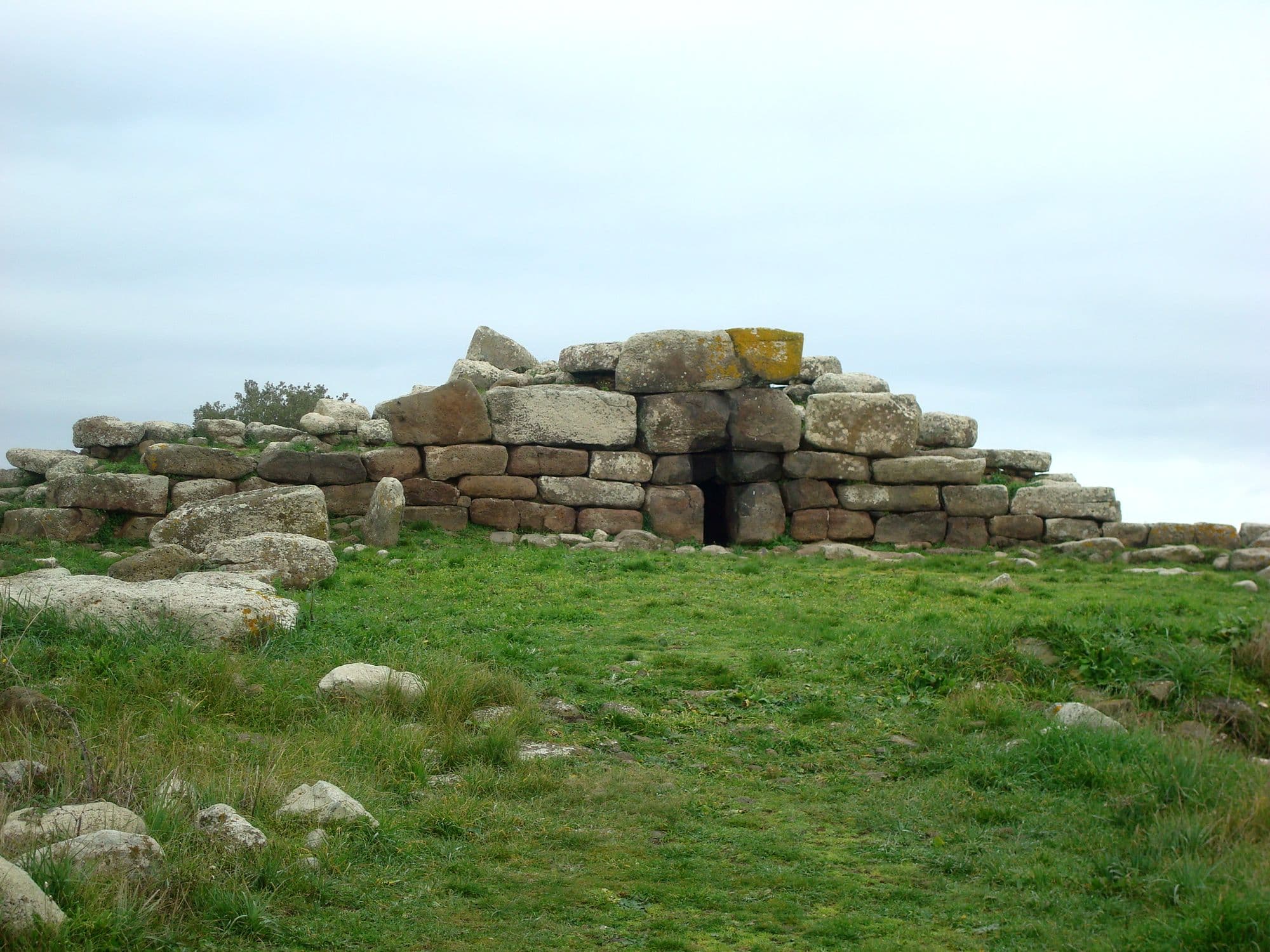
Giants' Grave of Sa Domu e s'Orcu
Siddi, Sardegna, Italy
In the Marmilla region of southern-central Sardinia, a megalithic gallery grave bears a name that speaks of ancient awe: Sa Domu e s'Orcu—the House of the Ogre....
Key questions
Giants' Grave sacred-site questions
- What giants' grave sacred sites are included?
- Giants' Grave sacred sites are places where this site type carries religious, ritual, cultural, or pilgrimage significance. This guide lists 3 in the current Pilgrim Map atlas.
- Where are these giants' grave sites located?
- Major country clusters include Italy.
- Which traditions are represented?
- Traditions represented here include Celtic and Prehistoric.
- Can I view giants' grave sacred sites on a map?
- Yes. Compare the country and tradition clusters, switch to map view for geography, then use site pages for practical context and related places.