Tradition guide
Norse
Norse sites connect places through shared lineage, practice, story, and pilgrimage across the global atlas.
3 sacred places share this lineage. Use the country and site-type filters to narrow in.
Atlas summary
Norse sacred sites overview
Norse sacred sites connect places through shared lineage, ritual use, memory, and pilgrimage practice across the Pilgrim Map atlas.
Use this page to compare country clusters, common place types, UNESCO-tagged landmarks, and the map distribution before exploring individual site pages.
| Coverage | 3 Norse sacred places in the current atlas. |
|---|---|
| Country clusters | |
| Common place types |
By site type
Refine the atlas
Search within Norse sites
Showing 1-3 of 3 sites in this tradition guide

Anundshög Stone Ship
Västerås, Västmanlands län, Sweden
Five kilometres from Vasteras, Sweden's largest burial mound rises nine metres above a ridge lined with stone ships, runestones, and hundreds of Iron Age graves....
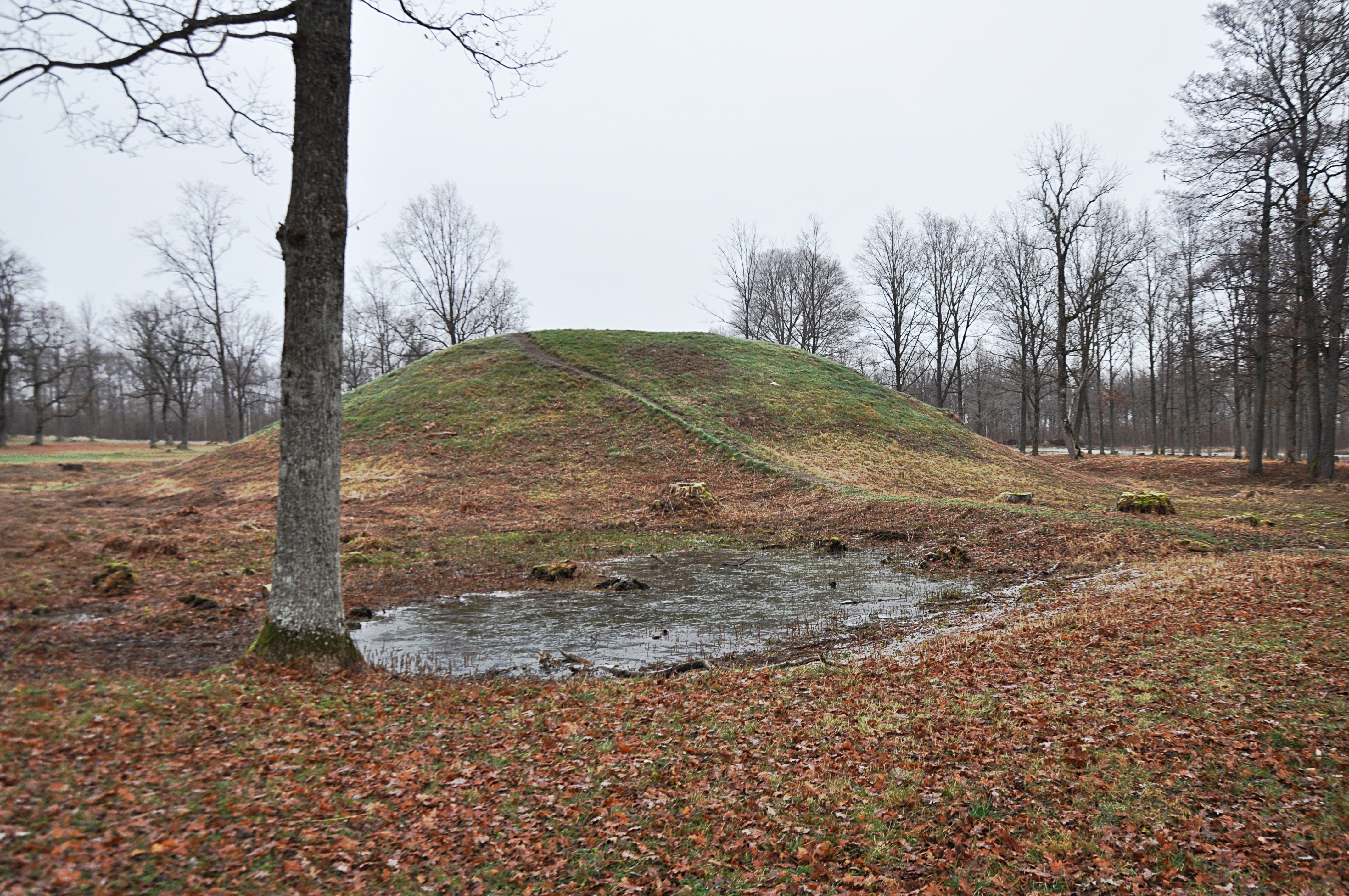
Borre Mound Cemetery
Horten, Vestfold og Telemark, Norway
Nine monumental mounds rise from parkland above the Oslofjord, marking where Norse kings with claimed divine ancestry were laid to rest over three centuries....
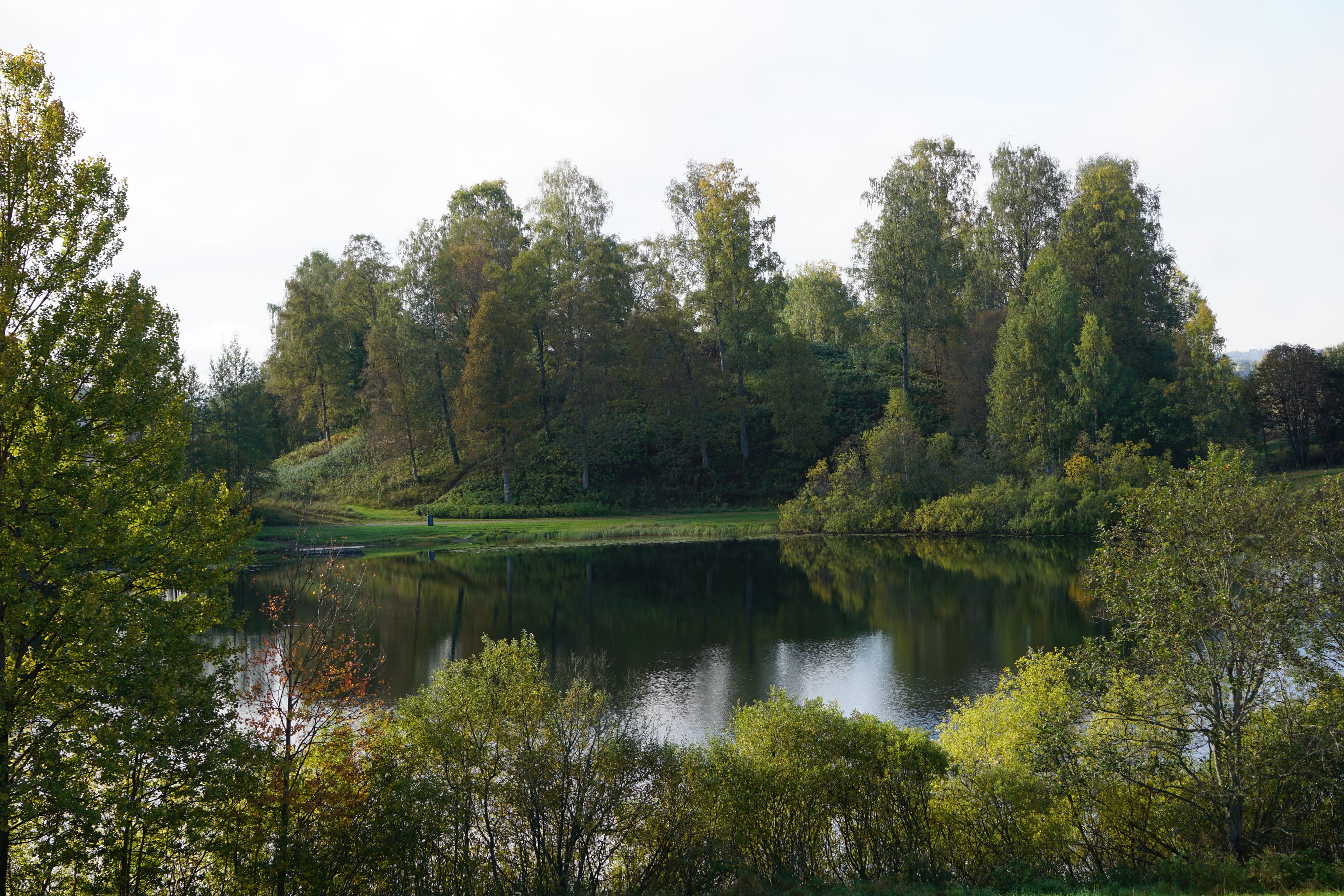
Rakni Burial Mound
Jessheim, Viken, Norway
In the farmlands north of Oslo, an earthen mound rises fifteen metres above the plain, wider than a football pitch....
Key questions
Norse sacred-site questions
- What are Norse sacred sites?
- Norse sacred sites are places connected by shared lineage, practice, memory, ritual use, or pilgrimage tradition.
- Where can I find Norse sacred sites?
- The strongest country clusters in this guide include Norway, Sweden.
- What kinds of places are included?
- Common place types include burial mound, tumulus.
- Can I map Norse sacred sites?
- Yes. Compare country clusters and site types first, then open individual pages for coordinates, historical context, and visitor guidance.