Residence of the 12th Imam Muhammad Almahdi, Sahla Mosque, Najaf
Kufa's mosque of awaited hope, held in Shia tradition as the future home of Imam al-Mahdi
Understand sacred places, explore living traditions, and learn how to engage respectfully with Pilgrim Map.
Access has not been verified. Check current local guidance before planning a visit.
Al Kufa, Najaf, Iraq
Read the sources
Visit essentials
A quick read before you go
- Duration
- 45 minutes to 2 hours depending on devotions at the maqams.
- Access
- On the northwest side of the Great Mosque of Kufa, about 10 km from Najaf; easily combined with…
Overview
Al-Sahlah Mosque stands northwest of the Great Mosque of Kufa, the second mosque of the old garrison city and, in Twelver Shia devotion, a place of messianic expectation. A hadith attributed to Imam al-Sadiq names it as the house where the awaited Imam al-Mahdi will reside with his family after his reappearance. It is therefore a place of intizar, patient waiting in which hope is central to devotion.
Tradition holds that the prophet Idris (Enoch) lived here, stitching clothes and worshipping at Bayt al-Khidr; Ibrahim (Abraham) resided here and departed from the mosque on a journey; and al-Khidr, the green prophet, is bound to the place. Named maqams mark these associations and stations for Imam al-Sajjad and Imam al-Sadiq. These prophetic-residence traditions are devotional articles of faith rather than historical claims.
The mosque originated in the seventh century, but almost none of its early fabric survives. Rebuilt several times, it most recently underwent comprehensive reconstruction from 2011 to 2018. Its reputation endures as a place where the troubled find comfort and prayers are answered, visited most intensely on the Najaf-Kufa pilgrim circuit on the night of Tuesday into Wednesday.
Why this place is sacred
Al-Sahlah's sanctity is oriented toward the future. Where many holy places enshrine what has happened, this mosque enshrines what is awaited — the return of the Hidden Imam and his dwelling here. That forward-looking charge is layered over older prophetic memory: Idris stitching and worshipping, Ibrahim setting out, al-Khidr present. For believers the mosque is also a place of immediate consolation, with a long reputation for answered prayer and relief from anxiety.
Hope, memory, and consolation gather in one serene space, felt most strongly on the recommended Tuesday night.
A tribal mosque of the Banu Zafar established in the seventh century in the time of Imam Ali, the second major mosque of Kufa.
Rebuilt in 750 AH (1349/1350 CE), again in the late twentieth century, and comprehensively redesigned and rebuilt between 2011 and 2018; the present complex is modern on an ancient site.
Experience and orientation
Pilgrims describe al-Sahlah as spacious and calm, its atmosphere quieter and more inward than the great congregational mosque nearby. The visit centers on the named maqams — the stations of Idris (Bayt al-Khidr), Ibrahim, Salih, Imam al-Sajjad and Imam al-Sadiq — where worshippers settle to perform prescribed prayers and offer supplication.
The mosque is at its most charged on the night of Tuesday into Wednesday, the traditionally recommended time, when many gather to pray and to ask for the hastening of the Mahdi's return. Many visit as part of the Najaf-Kufa circuit, pairing it with the Great Mosque of Kufa and the shrine of Imam Ali.
Pass through security first, then move between the named maqams, settling at each for prayer and supplication. The mosque rewards an unhurried, inward visit; if you can, come on a Tuesday evening, when the atmosphere of awaiting is strongest.
Context and lineage
The mosque was established in the seventh century, in the time of Imam Ali, originally as a mosque of the Banu Zafar tribe — the second major mosque of the garrison city of Kufa after the Great Mosque. Over the centuries it accumulated devotional meaning far beyond its tribal beginnings.
A hadith of Imam al-Sadiq, preserved in al-Kafi, names it as the house where the awaited Mahdi will dwell after his return, and traditions of prophetic residence — Idris, Ibrahim, al-Khidr — gathered around its named maqams. Successive Shia patrons rebuilt it, culminating in the comprehensive reconstruction of 2011-2018.
Twelver Shia Islam, with layered prophetic associations (Idris, Ibrahim, al-Khidr).
Imam al-Mahdi
The awaited Twelfth Imam
Prophet Idris (Enoch)
Prophet associated with the site
Prophet Ibrahim (Abraham)
Prophet associated with the site
Imam al-Sadiq
Sixth Shia Imam
Traditions and practice
Recommended deeds (a'mal) and prayers at the maqams of Idris, Ibrahim, Salih, Imam al-Sajjad and Imam al-Sadiq, with the recommended visit falling on the maghrib of Tuesday (the start of Wednesday). Supplications focus on personal needs, the comfort of the anxious, and the hastening of the Mahdi's reappearance.
Daily worship and visitation continue, with gatherings on the recommended nights and during Shia commemorations and Mahdi-related occasions.
Approach the mosque as a place of waiting: sit at a maqam, slow your breathing, and let the prayers of those around you set the rhythm. Reflection on hope, patience, and the comfort of the troubled fits the place for visitors of any background.
Twelver Shia Islam
ActiveRevered as the second-holiest mosque in Kufa after the Great Mosque and, per a hadith of Imam al-Sadiq in al-Kafi, the future house where Imam al-Mahdi will reside after his reappearance. Tradition makes it the dwelling of the prophets Idris, Ibrahim and al-Khidr, with named maqams for prayer.
Recommended deeds and prayers at the maqams, especially on the night of Tuesday into Wednesday; supplications for needs, comfort of the anxious, and the hastening of the Mahdi's return.
Perspectives and open questions
Al-Sahlah is read both as a much-rebuilt historic mosque and as a focal point of living messianic hope.
Scholarly perspective
Historically the second major mosque of the garrison city of Kufa, of seventh-century origin but surviving only through repeated rebuildings; architecturally it is a modern complex on an ancient site.
Living and traditional perspectives
Twelver Shia tradition venerates it as the future home of the Mahdi and the dwelling of several prophets, with prescribed devotions at named maqams.
Alternative interpretations
Devotional traditions emphasize answered prayer, relief of anxiety, and a living connection to the Hidden Imam.
Open questions
The prophetic-residence traditions and the Mahdi's future habitation are articles of faith beyond historical verification.
Plan your visit
Access and arrival
On the northwest side of the Great Mosque of Kufa, about 10 km from Najaf; easily combined with the Great Mosque of Kufa and the shrine of Imam Ali.
Najaf, about 10 km away, is the natural base, with the fullest range of pilgrim accommodation.
Respectful visit
Modest dress: women wear hijab and abaya; men cover legs and shoulders. Remove shoes for prayer areas.
Often not permitted inside, and electronics including phones may have to be left at security. Confirm on arrival.
Donations to the mosque, supplications and prescribed prayers; no required material offering.
Security screening at entry; no electronics inside where prohibited; reverent silence in prayer areas.
Current practical details
Address
29QH+HXM، مسجد السهلة، Najaf, Najaf Governorate, 00964, Iraq
Phone
Hours
Hours, fees, and access can change — verify on the official source before you travel. Practical details last checked Jun 2026.
Location
Map loads as you approach this section.
Pilgrim reflections
A portrait of encounter, not a score
Pilgrims describe what they felt, how present they could become, and whether the place would shape a journey. There are no stars and no ranking of traditions.
No reviewed reflections yet
The first pilgrims can help describe the character of being here.
Share a reflection
Available after an account-backed “Been there.” Every reflection is reviewed before publication.
Nearby sacred places
Explore other sacred places in the region. Proximity does not establish access or travel time; check each place’s guidance.

Mausoleum of Maytham Altammar, Kufa, Najaf
Al Kufa, Najaf, Iraq
2.0 km away

Mausoleums of Muslim bin Aqil, Hani bin Urwa and Almukhtar, Kufa Mosque, Najaf
Al Kufa, Najaf, Iraq
2.3 km away
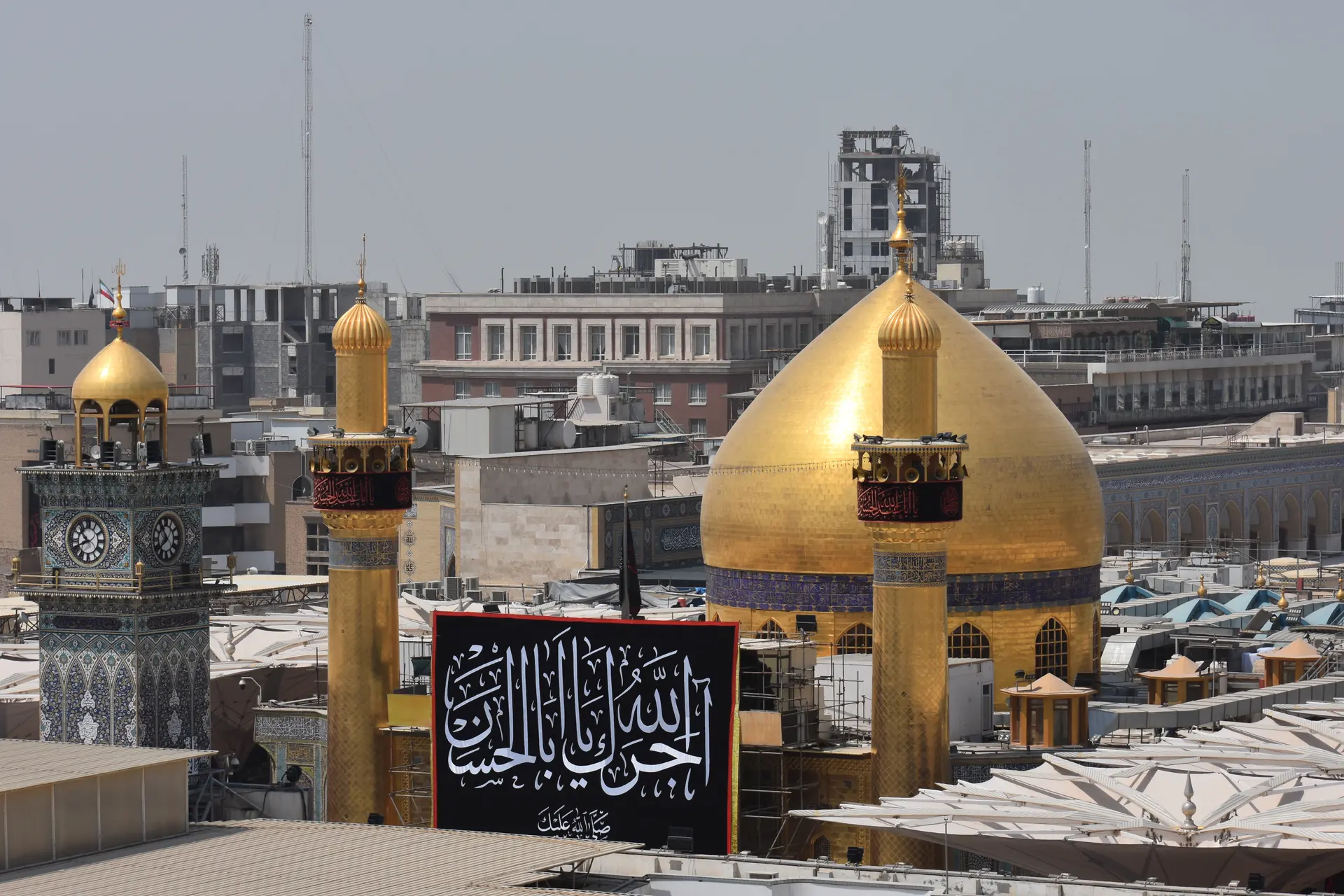
Mausoleum of 1st Imam Ali bin Abu Talib, Najaf
Najaf, Iraq
7.8 km away

Mausoleum of Ezekiel, Kafel
Al Kifl, Babylon, Iraq
20.9 km away
References
Sources consulted for this page. Source categories describe the publication, not a guarantee that every claim is verified. Traditional accounts and outside interpretations may differ.
- 01Masjid al-Sahla, Kufa — Archnet — Archnet (MIT/Aga Khan)academicArchitectural documentation of the mosque.
- 02Al-Sahlah Mosque — Wikipedia — Wikipedia contributorsacademic7th-c. origin, second oldest mosque in Kufa after the Great Mosque, originally Banu Zafar; future residence of Imam al-Mahdi; rebuilds 750 AH, late 20th c., 2011-2018; prophet residences (Idris, Abraham, Khidr).
- 03Al-Sahla Mosque — WikiShia — WikiShiaacademicMaqams of Idris (Bayt al-Khidr), Salih, Imam al-Sajjad and Imam al-Sadiq; recommended deeds and timing; al-Kafi hadith on the Mahdi's future house.
- 04Mosques and Holy Places — The Ritual System of the Virtuous Community — Al-Islam.org — Al-Islam.orgspiritualDevotional significance and recommended prayers at al-Sahla.
- 05The Majestic Al-Sahla Great Mosque — Evendo — EvendoSource contextVisitor info: location ~10 km from Najaf, modest dress, security check, electronics not allowed.
- 06Al Sahlah Great Mosque — Tripadvisor — Tripadvisor reviewersSource contextVisitor reviews, coordinates, practical notes.
- 07Mosque of As-Sahla — Islam Guidance (Sibtayn) — Sibtayn.comspiritualDevotional account of the mosque's merits and prophetic associations.
Share a photo
Help visitors recognize Residence of the 12th Imam Muhammad Almahdi, Sahla Mosque, Najaf. Every submission is reviewed before publication.