Nether Largie South Cairn
The oldest threshold in a valley of the dead, where ancestors gathered across a thousand years
Understand sacred places, explore living traditions, and learn how to engage respectfully with Pilgrim Map.
Access has not been verified. Check current local guidance before planning a visit.
Kilmartin, Scotland, United Kingdom
Read the sources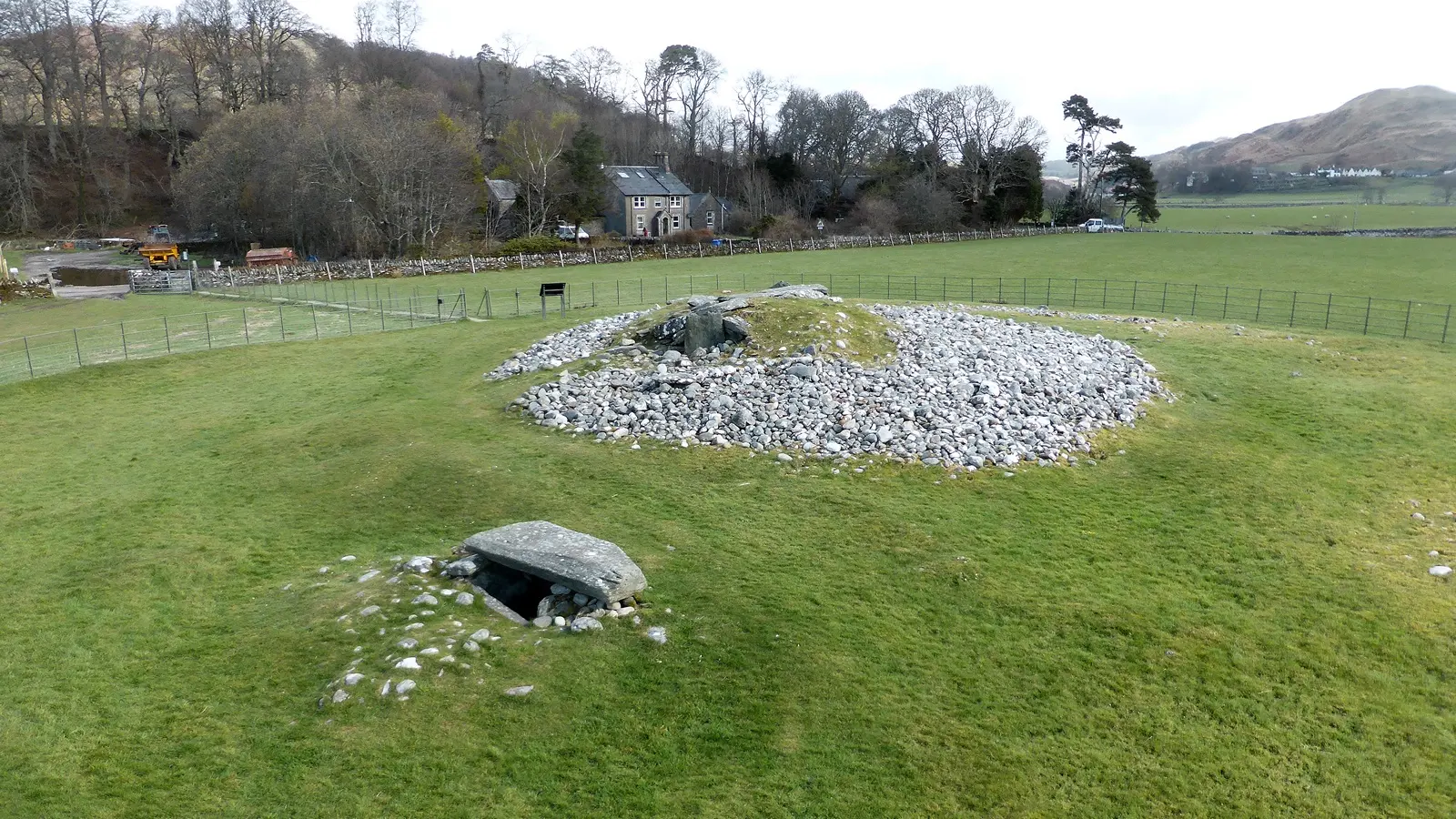
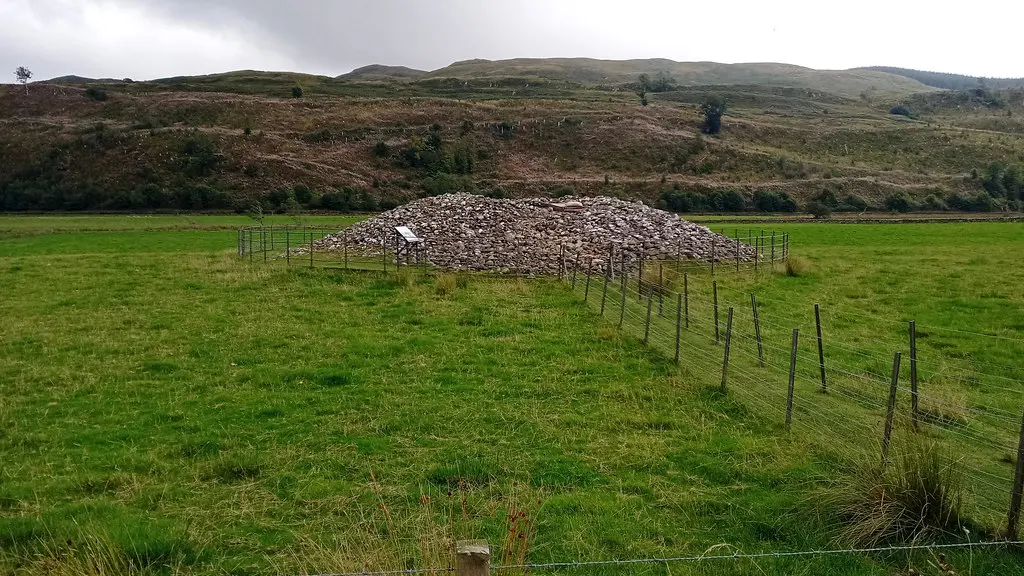
Image of Nether Largie South Cairn. Image source · CC-BY-SA-2.0
Visit essentials
A quick read before you go
- Duration
- A focused visit to Nether Largie South takes thirty to sixty minutes.
- Etiquette
- Nether Largie South Cairn is an open-access Scheduled Ancient Monument requiring respectful…
Overview
Five thousand years ago, farming communities in western Scotland built a long trapezoidal cairn here, its chamber divided into four compartments. For centuries they returned to place ancestral bones in the communal darkness beneath the stones.
Nether Largie South is the oldest monument in Kilmartin Glen's linear cemetery, five burial cairns extending two kilometres across the valley floor—the only such arrangement in Britain. Its entrance faces north, where the sun never rises, an orientation that may have mattered to people who understood cardinal directions cosmologically.
A thousand years after the first burials, the cairn was enlarged with stone-lined cists for individual interments, probably chiefs. This shift from communal deposition to singular burial reflected changing beliefs, while reuse of the same monument suggests its power endured across cultural transitions.
Canon William Greenwell's 1864 excavation recovered Neolithic pottery, arrowheads, and cremated bone from pebble-paved compartments; these finds are now in the British Museum. They confirm a deliberately maintained boundary between living and dead.
The chamber remains accessible, its ceiling standing since the fourth millennium BC above spaces where bones accumulated for centuries. More than eight hundred ancient monuments surround it in a landscape deeply inscribed with its builders' understanding of death.
Why this place is sacred
The Neolithic communities of Kilmartin Glen understood certain places as inherently liminal. This stretch of valley, bounded by hills and carved by the Kilmartin Burn, became a landscape dedicated to the relationship between the living and the dead.
Nether Largie South was the first expression of this understanding. Its builders chose the southern end of what would become a two-kilometre chain of burial monuments, each generation extending the sacred geography northward. The trapezoidal cairn was not merely a repository for remains but a designed threshold: a chamber with compartments, a paved floor, an entrance oriented toward the quarter of permanent shadow.
The chamber's division into four compartments suggests not random storage but deliberate arrangement. Bones were placed in relationship to one another, the dead organized by some principle we cannot recover. The pebble-paved floor and the layered deposits of cremated bone, pottery, and quartz chips indicate repeated ceremonial visits over centuries. This was not a place where the dead were deposited and forgotten but a site of ongoing engagement.
When Bronze Age people enlarged the cairn a thousand years later, they added individual cists to a communal monument. The combination preserved both modes of relating to the dead: the collective ancestral presence of the Neolithic chamber and the singular honour of the Bronze Age cist. Two understandings of death existed within the same stones.
The wider landscape deepens this liminality. Temple Wood stone circles stand two hundred metres away, aligned with celestial events. Standing stones mark the valley. Rock art covers exposed surfaces. The glen accumulated sacred meaning across three millennia, each addition affirming the intuition that this particular valley opened onto something beyond ordinary experience.
Archaeological consensus identifies Nether Largie South as a Clyde-type chambered cairn, the characteristic tomb architecture of Neolithic Argyll. These monuments functioned as communal ossuaries where the bones of multiple individuals were deposited over extended periods, creating a collective ancestral presence.
The four-compartment chamber, over six metres long and approximately 1.7 metres high, was designed to accommodate many burials arranged by some organisational principle now lost. The pebble-paved floor and layered deposits suggest the chamber was periodically accessed for new deposits and ceremonial activity. Bodies may have been processed elsewhere, through exposure or secondary burial, before bones were brought to the cairn.
The monument's placement at the southern end of the valley, with the chamber entrance oriented north, suggests deliberate cosmological positioning. In many ancient traditions, the north is associated with death and the underworld, as it is the direction from which the sun never shines. Whether the builders of Nether Largie South shared this association cannot be confirmed, but the pattern is suggestive.
For perhaps a millennium after its construction, the cairn served its original communal function. Neolithic farming communities returned to deposit their dead, maintaining the ancestral presence within the chamber. Each visit affirmed the bond between the living community and its gathered ancestors.
Around 2000 BC, the cultural landscape shifted. Bronze Age people enlarged the cairn from its original trapezoidal form into a round cairn over thirty metres wide, adding two stone-lined cists designed for individual burials. This architectural modification reflected a broader cultural change from communal bone deposition to individual interment, yet the choice to build within an existing sacred monument preserved continuity. The dead of the new era joined the dead of the old.
At some point active burial ceased. The cairn remained in the landscape, known to subsequent inhabitants. Stone robbing reduced its size over centuries, but the essential structure survived. By 1864, when Canon William Greenwell conducted his three-day excavation, the chamber still held its deposits: Neolithic pottery and arrowheads, Beaker fragments from the Bronze Age transition, cremated bone, and quartz chips.
Greenwell's finds went to the British Museum, where they remain. The cairn was designated a Scheduled Ancient Monument. Kilmartin Museum, redesigned in 2023, now provides interpretation for visitors. The monument continues to receive those who come to stand within it, each visitor adding another layer to a site that has accumulated meaning for five thousand years.
Experience and orientation
The walk from the car park at the junction of the A816 and B8025 takes about twenty minutes along a path that can be muddy in wet weather. This is appropriate. The ground of Kilmartin Glen has been walked for five millennia, and it does not owe you a clean approach.
The cairn appears as a mound of stones in the valley floor, less dramatic than some megalithic monuments but large enough to enter. This is its distinction among the five cairns of the linear cemetery: Nether Largie South alone allows you inside. The chamber is over six metres long and tall enough to stand in, its walls formed by stone slabs that have held their position since the fourth millennium BC.
Inside, the compartments created by upright slabs are still visible. The space is intimate and contained. Light enters from the northern entrance, diffused by the passage. You occupy the same darkness that once held ancestral bones deposited across centuries. The pebble floor that Canon Greenwell found paved beneath his feet in 1864 is the same ground.
Outside, the landscape offers context that no single monument can provide. Looking north along the valley, the other cairns of the linear cemetery are visible or nearby: Ri Cruin, Nether Largie Mid, Nether Largie North, and Glebe Cairn, stretching two kilometres through the glen. To the southwest, Temple Wood stone circles stand within a short walk. Standing stones punctuate the valley. The density of monuments creates a sense of inhabiting a landscape deliberately consecrated across generations.
Those who sit quietly near the cairn rather than moving immediately to the next site often describe a particular quality of presence. The glen holds silence well. The hills contain the valley. The accumulated weight of human attention across five thousand years has left something in the ground that receptive visitors recognise without being able to name it.
Nether Largie South rewards unhurried attention. Begin at Kilmartin Museum if you can, where the redesigned displays provide context for what you will encounter in the glen.
At the cairn itself, enter the chamber. The space was built for this: the entrance was designed to be crossed. Inside, notice the compartment divisions, the stone slabs that organised the dead according to a principle you cannot recover. Let the containment of the space register. This is where bones accumulated across a thousand years of communal burial.
When you emerge, orient yourself within the linear cemetery. The chain of cairns stretches north through the valley. You stand at its oldest point, the monument that began three millennia of sacred building in this glen. Consider that each subsequent cairn was placed in relationship to this one, extending a conversation with the dead that began here.
Walk to Temple Wood stone circles if time allows. The proximity of burial cairns and ceremonial circles suggests these monuments functioned together, parts of a sacred landscape rather than isolated structures. The connection between sites deepens the encounter.
Context and lineage
No founding narrative survives from the Neolithic builders, who left no written records. What remains is the monument itself, the artefacts recovered from its chamber, and the landscape in which it was placed.
Archaeology reveals that they were farming communities who had settled in western Scotland during the fourth millennium BC. They cleared land, raised livestock, and cultivated crops. They also built monuments of stone that demanded communal effort far exceeding practical necessity. Something in their understanding of death and ancestral relationship required these structures.
The choice of this valley was deliberate. Over the following millennia, generation after generation added monuments to the glen: more cairns, stone circles, standing stones, rock art. The landscape accumulated sacred meaning, but Nether Largie South was where it began. The first cairn in the first linear cemetery in Britain was raised here, and everything that followed built upon its presence.
The practice lineage at Nether Largie South Cairn ended thousands of years ago. What persists is a lineage of landscape.
For perhaps a millennium, Neolithic communities brought their dead here, depositing bones in the compartmented chamber, returning for ceremonies we can infer but not reconstruct. Bronze Age people then added their own dead in new cists, honouring the site's accumulated authority while transforming its use.
The cairn survived the end of active burial. Subsequent inhabitants of the glen, the Iron Age Scots of Dal Riata whose capital Dunadd lies five kilometres south, inherited a landscape already ancient and already sacred. Whether they understood the cairns as their ancestors' work or attributed them to other forces cannot be determined.
Victorian antiquarians brought the monument into the modern record. Canon Greenwell's excavation removed artefacts to London but left the structure intact. Heritage protection followed. Kilmartin Museum, established nearby, now interprets the glen's archaeology for visitors. The monument continues its work of gathering attention, as it has for five millennia.
The Ancestors
spiritual
The communal dead deposited in the chamber over centuries constituted a gathered ancestral presence. Their individual identities are lost, but their collective placement within the four-compartment chamber defined the site's purpose and power. They were not merely stored but maintained in relationship with the living community.
Canon William Greenwell
historical
Librarian of Durham Cathedral and author of the influential 'British Barrows'. He excavated Nether Largie South over three days in 1864, recovering the artefacts that now reside in the British Museum. His work, though conducted by the standards of Victorian archaeology, provided the earliest systematic record of the cairn's contents.
The Bronze Age Chiefs
historical
Approximately a thousand years after the cairn's construction, high-status individuals were buried in newly added stone-lined cists. Their interment within an existing sacred monument suggests they claimed connection to an ancestral authority that predated their own culture.
Traditions and practice
Neolithic practice at the site centred on the communal deposition of ancestral remains within the chambered cairn. The four-compartment chamber, paved with pebbles, received deposits of bone, pottery, quartz chips, and cremated remains over an extended period. The layered nature of these deposits, discovered during Greenwell's 1864 excavation, indicates repeated ceremonial access rather than single-event burial.
Bodies may have been processed elsewhere before bones were collected and brought to the chamber. This secondary burial practice, common in Neolithic Britain, meant the dead underwent transformation before joining the ancestral community within the cairn. The chamber functioned as a gathering place for the processed dead, not as a primary burial site.
Bronze Age practice shifted to individual interment in stone-lined cists. The enlargement of the cairn to accommodate these burials approximately four thousand years ago represents a fundamental change in mortuary philosophy: from communal bone deposition to singular, contained burial. The continued use of the same monument, however, suggests the site's authority persisted across this cultural transition.
Heritage visitors come to appreciate one of Scotland's most significant prehistoric monuments and to enter a Neolithic burial chamber. Kilmartin Museum provides interpretation through its displays and a free self-guided trail booklet.
Free guided walks through the glen take place every Wednesday afternoon from April to October. These walks contextualise Nether Largie South within the wider ceremonial landscape, connecting cairns, stone circles, and standing stones into a coherent narrative of sacred geography.
Some visitors seek contemplative or spiritual engagement with the site. The ability to enter the chamber, rare among Scottish chambered cairns, creates conditions for personal reflection on mortality, ancestry, and the passage of time.
Enter the chamber. This is what the monument was built for: to be crossed into. Inside, the stone-slab compartments and the close ceiling create a contained space that separates you from the daylight world. You stand where the gathered dead once rested.
Notice the orientation. The entrance faces north. Whether this carried cosmological meaning for the builders cannot be confirmed, but the absence of direct sunlight in the chamber is a consequence of their choice. The dead were placed in shadow.
After emerging, stand at the cairn and look along the valley. The linear cemetery extends north. Five cairns in a line, spanning a thousand years of construction. You occupy the oldest point in a chain of sacred building that transformed this entire valley into a geography of the dead.
If you have walked from Kilmartin Museum, you approached from the north, following the sequence from newest to oldest. Consider reversing this: begin at Nether Largie South and walk north, moving forward through time, watching the mortuary architecture evolve from communal chamber to individual cist.
Neolithic Communal Burial
HistoricalNether Largie South was built as a Clyde-type chambered cairn during the fourth millennium BC, serving as a communal ossuary where the bones of the dead accumulated across generations. The four-compartment chamber, over six metres long, housed multiple individuals in arranged deposits of bone, pottery, quartz chips, and cremated remains. The monument functioned as an ongoing relationship between the living community and its gathered ancestors, not merely as a place of disposal but as a threshold maintained and revisited across centuries.
Communal deposition of ancestral remains characterised the primary use. Bodies were likely processed elsewhere through exposure or secondary burial before bones were collected and placed in the chambered cairn. The pebble-paved floor and layered deposits discovered during excavation indicate repeated ceremonial access. The four compartments suggest intentional organisation of the dead, though the principle of arrangement is unknown.
Bronze Age Individual Burial
HistoricalApproximately a thousand years after the cairn's construction, Bronze Age people enlarged the monument from a trapezoidal to a round cairn over thirty metres wide, adding two stone-lined cists for individual burials. This modification reflected a cultural shift from communal bone deposition to individual interment, likely of high-status chiefs. The choice to build within an existing sacred monument preserved continuity while transforming practice.
Individual burials in stone-lined cists replaced communal deposition. The cists were designed to contain single interments, a fundamental departure from the multi-generational accumulation of the Neolithic chamber. Associated finds from the broader linear cemetery include decorated food bowls, jet necklaces, and axe-head carvings on cist slabs, indicating the burials of people of considerable status.
Scottish Prehistoric Ceremonial Landscape
HistoricalNether Largie South anchors one end of a unique linear cemetery stretching two kilometres through Kilmartin Glen, itself part of a wider landscape containing over eight hundred ancient monuments. The glen represents one of the most significant prehistoric ceremonial landscapes in mainland Scotland, with monuments spanning from the Neolithic through the Bronze Age to the Iron Age.
The landscape was shaped over three millennia through the construction of cairns, stone circles, standing stones, and rock art. These monuments functioned as an integrated sacred geography rather than isolated structures. Ceremonial connections between sites are suggested by proximity, alignment, and shared construction periods, though specific ritual sequences cannot be reconstructed.
Perspectives and open questions
Nether Largie South Cairn invites interpretation while resisting certainty. The Neolithic builders left stone, not text. Their mortuary architecture speaks to an understanding of death and ancestry that archaeology can describe but not fully translate. Honest engagement holds multiple perspectives without forcing resolution.
Scholarly perspective
Archaeological classification identifies the cairn as a Clyde-type chambered tomb, the dominant mortuary architecture of Neolithic western Scotland. Clyde cairns characteristically feature a trapezoidal mound with a burial chamber at the broader end, divided into compartments by transverse slabs. Nether Largie South conforms to this type, with a chamber over six metres long divided into four compartments.
The linear cemetery arrangement is unique in Britain. Five cairns stretching two kilometres through the valley floor suggest deliberate landscape planning across generations. Scholars debate whether the alignment followed a pre-existing ceremonial route, responded to topographic features, or expressed cosmological principles about directionality and death.
Greenwell's 1864 excavation, conducted over just three days, recovered artefacts spanning from the Neolithic to the Bronze Age: round-based pottery, Beaker fragments, barbed and tanged arrowheads, flint flakes, and cremated bone. This sequence of deposits confirms the monument's extended use across cultural transitions. The finds reside in the British Museum, separated from their context by Victorian collecting practices.
Recent scholarship on Kilmartin Glen emphasises the ceremonial landscape as a whole rather than individual monuments. The relationship between cairns, stone circles, standing stones, and rock art suggests an integrated sacred geography that accumulated meaning across three millennia.
Living and traditional perspectives
No specific folk traditions attach uniquely to Nether Largie South Cairn in the way that stories gather around other Scottish monuments. The cairn exists within a broader cultural landscape shaped by successive inhabitants: Neolithic farmers, Bronze Age communities, Iron Age Scots of Dal Riata, medieval Gaelic speakers, and modern Scots.
The wider Kilmartin Glen carries associations with the kingdom of Dal Riata, whose capital Dunadd lies nearby. This early medieval Gaelic kingdom bridged Scotland and Ireland, and its rulers may have understood the glen's ancient monuments as ancestral markers legitimising their authority. The cairns predated their culture by millennia, but the landscape's accumulated sacred character would have been legible.
Gaelic place-names in the glen preserve older understandings. Kilmartin itself may derive from 'Cill Mhairtinn' (Church of Martin), overlaying Christian identity onto a landscape already ancient. The pattern of naming reflects the universal tendency to integrate existing sacred places into new frameworks rather than abandoning them.
Alternative interpretations
Some contemporary visitors and writers describe Kilmartin Glen as a 'thin place,' borrowing Celtic Christian terminology for locations where the boundary between the physical and spiritual worlds feels permeable. This framing, while anachronistic to the Neolithic builders, captures something genuine about the experience of being in a landscape so dense with ancient human attention.
The north-facing entrance of the burial chamber has attracted cosmological interpretation. In various mythological traditions, north is the direction of death, the cold quarter, the realm beyond the sun's reach. Whether Neolithic Argyll shared these associations cannot be determined from the archaeological record, but the pattern recurs across enough cultures to warrant consideration.
Earth mystery traditions sometimes incorporate Kilmartin Glen into theories about energy lines or landscape alignments. These interpretations, while not supported by archaeological evidence, reflect the site's capacity to generate meaning across different frameworks of understanding.
Open questions
Genuine uncertainties persist. The exact construction date falls somewhere in the fourth millennium BC, but precision beyond this is not possible. The original dimensions of the cairn are uncertain, as centuries of stone robbing have reduced its mass. The original height may have been approximately four metres, but this is estimated rather than confirmed.
No human remains have been recovered in identifiable condition. The bones that once filled the chamber have been removed or degraded. We know the dead were present from the cremated bone fragments, pottery, and arrowheads found by Greenwell, but we cannot determine how many individuals were interred or how they were selected for placement.
The organisational principle behind the four-compartment layout remains unknown. The deliberate division of space implies intentional arrangement, but the criterion, whether by family, status, chronological period, or some other principle, has not survived.
The relationship between the cairn and the Temple Wood stone circles, only two hundred metres away, is architecturally apparent but functionally unclear. The proximity implies connection, but its nature, whether ceremonies at the circles preceded or followed deposition in the cairn, whether they served the same community or different groups, cannot be recovered.
Plan your visit
Access and arrival
Kilmartin village has limited accommodation including B&Bs. Lochgilphead (8 miles south) and Oban (35 miles north) offer wider options. For those wishing to explore the glen over multiple days, self-catering cottages in the surrounding area provide good bases.
Respectful visit
permitted: Yes
Do not leave physical offerings at the site. This is an archaeological monument rather than an active shrine. Objects left behind become conservation issues and must be removed by heritage managers. If you wish to honour the site, do so through attention and silence.
Do not climb on the cairn stones | Do not remove or disturb any stones or archaeological material | Dogs must be kept on leads due to livestock in adjacent fields | Take all litter away including any left objects | No camping or overnight stays
Do not disturb or remove any stones. The cairn has survived five thousand years of weathering and centuries of stone robbing; it should not suffer further from visitors. Do not leave offerings, candles, or objects within the chamber. This is a heritage site, not an active shrine, and items left behind become conservation problems.
Current practical details
Address
Lochgilphead PA31 8QF, UK
Hours
Hours, fees, and access can change — verify on the official source before you travel. Practical details last checked Jun 2026.
Location
Map loads as you approach this section.
Pilgrim reflections
A portrait of encounter, not a score
Pilgrims describe what they felt, how present they could become, and whether the place would shape a journey. There are no stars and no ranking of traditions.
No reviewed reflections yet
The first pilgrims can help describe the character of being here.
Share a reflection
Available after an account-backed “Been there.” Every reflection is reviewed before publication.
Nearby sacred places
Explore other sacred places in the region. Proximity does not establish access or travel time; check each place’s guidance.
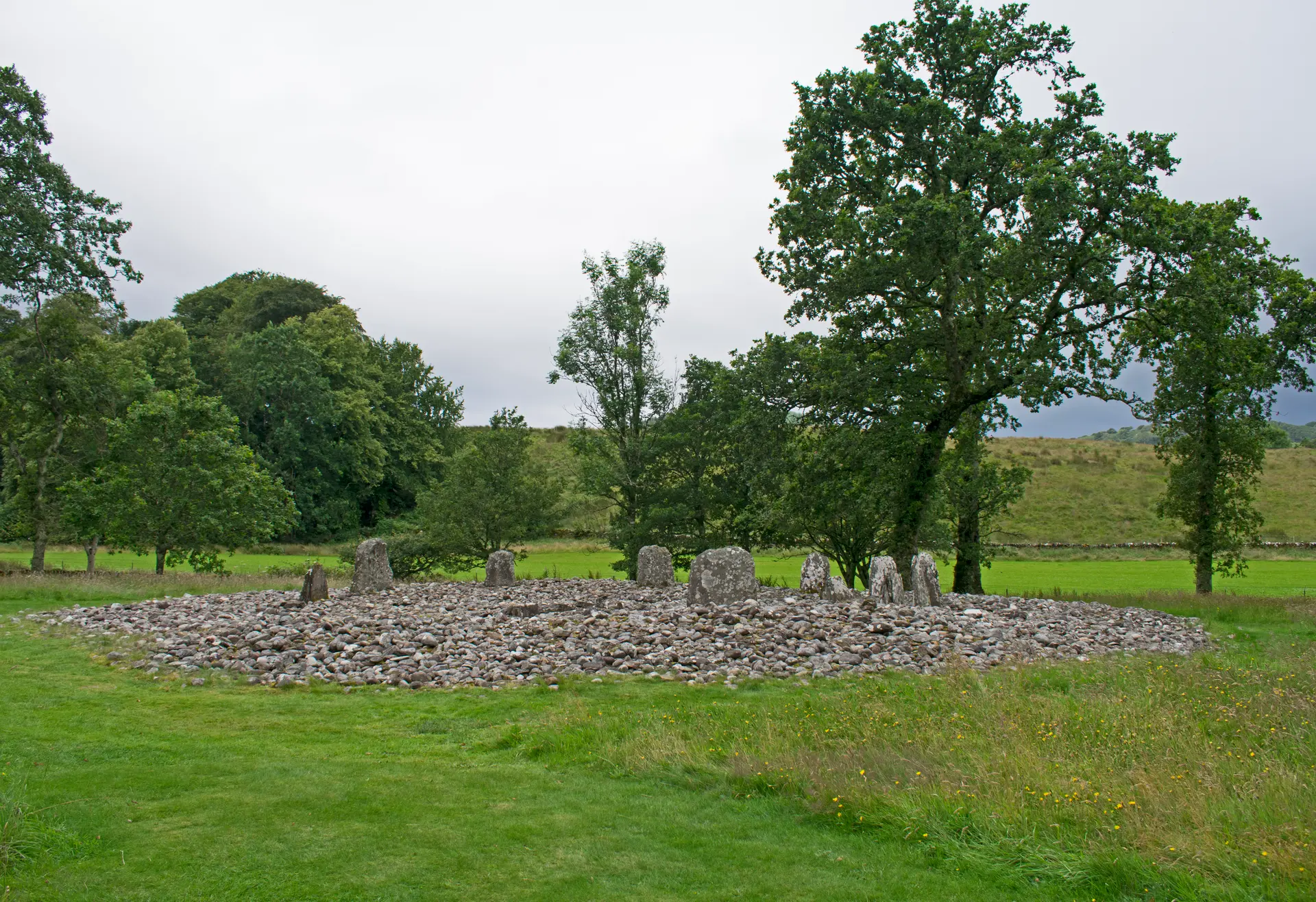
Temple Wood Stone Circle
Kilmartin, Scotland, United Kingdom
0.2 km away
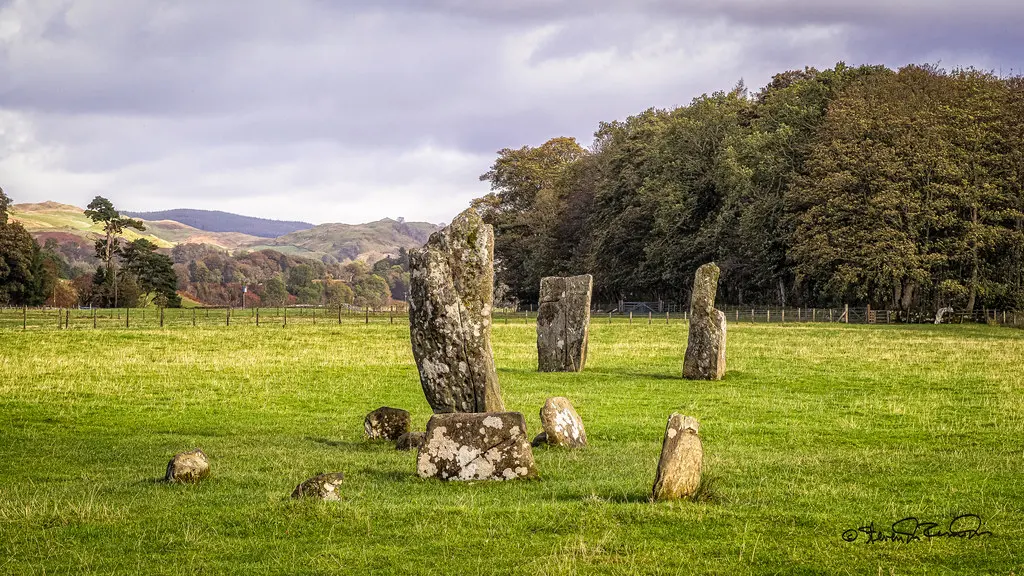
Nether Largie standing stones, Argyll, Scotland
Kilmartin, Scotland, United Kingdom
0.3 km away
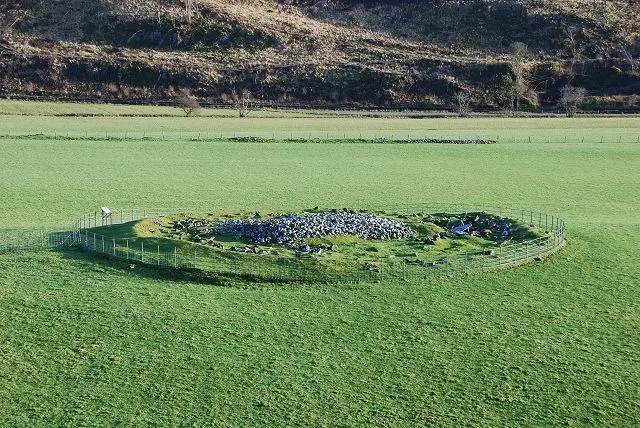
Nether Largie Mid Cairn
Kilmartin, Scotland, United Kingdom
0.4 km away
Nether Largie North Cairn
Kilmartin, Scotland, United Kingdom
0.6 km away
References
Sources consulted for this page. Source categories describe the publication, not a guarantee that every claim is verified. Traditional accounts and outside interpretations may differ.
- 01Kilmartin Glen: Nether Largie South Cairn — Historic Environment ScotlandofficialOfficial heritage body page with visiting information and overview
- 02Nether Largie South Cairn: History — Historic Environment ScotlandofficialDetailed history including excavation by Canon Greenwell, construction phases, and archaeological finds
- 03Nether Largie South - Canmore National Record — Historic Environment Scotland / CanmoreSource contextNational record of archaeological site with grid reference, classification, and survey data
- 04Self-Guided Trail — Kilmartin MuseumofficialOfficial museum self-guided trail guide covering the linear cemetery sites
- 05Nether Largie South, chambered cairn - Scheduled Monument SM13299 — Historic Environment ScotlandSource contextOfficial scheduled monument designation record
- 06Kilmartin Glen - Wikipedia — Wikipedia contributorsencyclopediaComprehensive article on Kilmartin Glen linear cemetery with citations to scholarly sources
- 07Nether Largie South Cairn Feature Page — Undiscovered ScotlandSource contextDetailed description of cairn structure, access, and context within Kilmartin Glen
- 08Nether Largie Cairns, Kilmartin Glen — Britain ExpressSource contextHistorical and visitor information for the Nether Largie cairn group
- 09Kilmartin Glen: Nether Largie South — The Hazel TreeblogDetailed visitor account with photographs and historical commentary including north-facing entrance symbolism
- 10Nether Largie South Chambered Cairn — The Megalithic PortalSource contextMegalithic database entry with site classification and visitor reports
- 11Nether Largie South Chambered Cairn - Wikidata — WikidataSource contextStructured data including coordinate location 56.124582, -5.495133
- 12Kilmartin Glen, Near Oban, Argyll, Scotland — Historic UKSource contextOverview of Kilmartin Glen as a sacred landscape with historical context
Share a photo
Help visitors recognize Nether Largie South Cairn. Every submission is reviewed before publication.