Hase-dera Shingon Buddhist Temple, Sakurai
Where Japanese pilgrimage itself was born in a vision of the Lord of Death
Sakurai, Nara Prefecture, Japan
At A Glance
- Coordinates
- 34.5358, 135.9056
- Suggested Duration
- One to two hours allows for ascending the steps, spending time in the main hall, and exploring the grounds. Those wishing to attend morning services should arrive early and allow additional time.
Pilgrim Tips
- Modest dress appropriate for a temple visit. Remove shoes when entering buildings.
- Generally permitted in outdoor areas and of the exterior architecture. Check current restrictions for the main hall interior and the Kannon statue. During services, photography would be inappropriate.
- The 399 steps may be challenging for those with mobility limitations; there is no elevator alternative. Mornings can be busy with tour groups; very early or late afternoon may offer quieter experience.
Overview
Hase-dera claims the astonishing distinction of being where pilgrimage began in Japan. According to tradition, founder Tokudo Shonin nearly died and met the Lord of Death, who ordered him to establish a pilgrimage to 33 Kannon sites. This became the Saigoku Kannon Pilgrimage—the oldest pilgrimage in Japan—with Hase-dera as Temple 8. Here stands Japan's largest wooden Kannon statue: ten meters of compassion rising in the mountain hall.
The founder Tokudo Shonin (656-735) fell gravely ill and, according to tradition, met the Lord of Death in his fever vision. But he was not allowed to die. Instead, he received a command: establish a pilgrimage to 33 sites sacred to Kannon Bosatsu, the bodhisattva of compassion. Thus began the Saigoku Kannon Pilgrimage, the oldest pilgrimage in Japan—and pilgrimage as a Japanese practice traces here.
Ascending Hase-dera's 399 covered steps, visitors climb through a wooden corridor that has sheltered pilgrims for centuries. The steps function not merely as access but as preparation—each one a small surrender to the vertical journey. At the summit waits the Eleven-headed Kannon, Japan's largest wooden statue of this deity, standing over ten meters tall.
This Kannon is unique: she holds both the lotus vase traditional to Kannon imagery and the staff of Jizo Bosatsu, who guides beings through hell. The combination expresses boundless compassion—Kannon here can reach any being in any realm, from the highest heaven to the lowest suffering.
The statue's history mirrors the temple's resilience. Fires destroyed earlier versions, but the current statue, carved in 1538, incorporates the original eighth-century head. The face that looks down on pilgrims today is 1,300 years old.
Context And Lineage
Hase-dera's significance derives from its role as the birthplace of Japanese pilgrimage and as host to Japan's largest wooden Kannon statue.
The temple was founded in 686 CE with prayers for Emperor Tenmu's recovery. But the more significant origin involves founder Tokudo Shonin (656-735), who fell gravely ill and, in his fevered state, encountered the Lord of Death. Rather than dying, Tokudo was ordered to establish a pilgrimage to 33 Kannon sites across western Japan. This command, received at the threshold of death, initiated the Saigoku Kannon Pilgrimage—the oldest pilgrimage in Japan—and established Hase-dera as Temple 8 of the circuit. Thus Japanese pilgrimage tradition traces its origin to a vision received at this temple.
Hase-dera is the head temple (sohonzan) of the Buzan sect of Shingon Buddhism, one of the tradition's two major branches. This sectarian leadership, combined with its pilgrimage significance and ancient heritage, makes it among the most important Buddhist temples in Japan.
Tokudo Shonin
Founder (656-735) who received the vision commanding establishment of the Saigoku Pilgrimage
Emperor Tenmu
Emperor for whose healing the original temple was established in 686
Emperor Shomu
Ordered major expansion and Kannon installation in 727
Tokugawa Iemitsu
Shogun who funded reconstruction of the main hall in 1650
Why This Place Is Sacred
As the birthplace of Japanese pilgrimage tradition, Hase-dera represents a uniquely foundational thin place—a location where not only heaven and earth meet but where the very practice of seeking such meetings in Japan began.
The thinness at Hase-dera operates on multiple levels simultaneously. Most immediately, there is the vertical journey of the 399 steps—a physical ascent through covered wooden corridors that serves as transition from ordinary to sacred space. This is thinness as architecture: the boundary crossed not through gate alone but through sustained bodily effort.
At the summit waits the Kannon herself, ten meters of carved camphor embodying limitless compassion. According to temple tradition, this statue was carved from the same sacred log as the famous Kannon at Kamakura's Hase-dera—one tree becoming two manifestations of the same compassionate presence. The face visible today is from the eighth century, making the encounter with the Kannon an encounter with 1,300 years of continuous devotion.
But the deepest thinness at Hase-dera is historical: this is where pilgrimage itself became Japanese. When Tokudo Shonin received his vision-command from the Lord of Death, he initiated a pattern of sacred travel that would shape Japanese spirituality for over a thousand years. Every pilgrimage in Japan—Shikoku's 88 temples, Kumano's ancient trails, the mountain paths of Dewa Sanzan—flows from the template established here.
The Saigoku Kannon Pilgrimage, originating at Hase-dera, created a sacred geography connecting 33 temples across western Japan. Each temple holds a principal Kannon image; together they manifest 33 forms of compassion. Visitors to Temple 8 enter this vast network at one of its most significant nodes.
The temple was originally founded in 686 CE with prayers for the healing of Emperor Tenmu. In 727, Emperor Shomu ordered major expansion and the installation of the Eleven-headed Kannon statue. The founding legend of the Saigoku Pilgrimage establishes the temple as the location where Japanese pilgrimage was divinely ordained.
Hase-dera became the head temple of the Buzan sect of Shingon Buddhism, one of the tradition's major branches. The temple gained renown through references in classical Japanese literature, including The Tale of Genji, establishing it in the cultural imagination of the Heian aristocracy. Successive fires destroyed earlier Kannon statues, with the current version (retaining the ancient head) carved in 1538. The main hall dates to 1650, reconstructed with donations from Tokugawa Iemitsu. Today Hase-dera continues as both major pilgrimage destination and one of Nara Prefecture's most visited temples.
Traditions And Practice
Hase-dera offers the full range of Buddhist practices centered on Kannon devotion, with particular significance as Temple 8 of Japan's oldest pilgrimage.
Pilgrims following the Saigoku Kannon Pilgrimage visit all 33 temples to receive the blessing of Kannon in her multiple forms. At Hase-dera, pilgrims ascend the 399 steps, worship at the main hall, and receive the temple stamp (goshuin) in their pilgrimage book. The massive Kannon statue is the focus of devotion, with pilgrims offering incense, coins, and prayers.
The temple offers daily morning chanting services (gongyo) that visitors may attend—typically beginning early morning and lasting 30-40 minutes. These services offer immersion in living Buddhist practice. Beyond formal pilgrimage, many visitors come for Kannon worship, seasonal beauty (especially peonies and autumn foliage), or connection to the temple's literary and cultural heritage.
Approach the 399 steps with awareness that the climb itself is practice. Let the ascent create receptivity. In the main hall, take time with the Kannon—her ancient face, her unusual iconography holding both lotus and staff. If visiting in morning, attending chanting services offers direct experience of Buddhist practice. The temple's seasonal beauty invites return visits at different times of year.
Shingon Buddhism
ActiveHase-dera is the head temple (sohonzan) of the Buzan sect of Shingon Buddhism, one of the two major branches of this esoteric tradition. The temple's leadership position combines with its pilgrimage significance and ancient heritage to make it among the most important Buddhist temples in Japan.
The temple maintains daily Shingon Buddhist services including morning chanting (gongyo) open to visitors. As Temple 8 of the Saigoku Kannon Pilgrimage, it serves pilgrims following Japan's oldest pilgrimage route. The massive Eleven-headed Kannon is the focus of devotion, embodying compassion that reaches beings in all realms.
Experience And Perspectives
Visitors describe the experience of climbing Hase-dera's 399 steps and encountering the massive Kannon as genuinely transformative—a physical journey that becomes spiritual preparation.
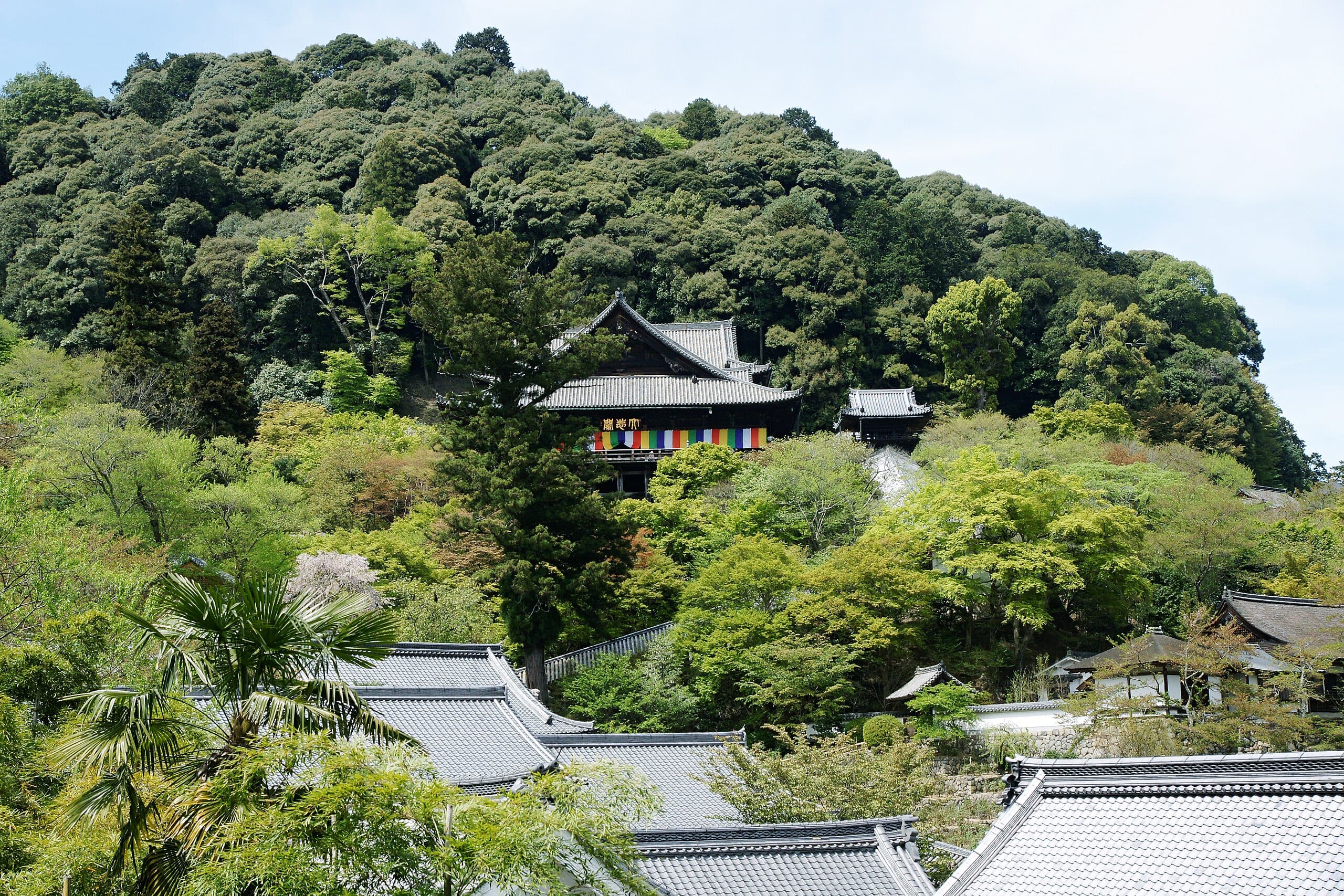
The approach to Hase-dera begins with the understanding that ascent awaits. The 399 steps rise through a covered wooden corridor called the Noborirou, its roofed passages providing shelter from sun and rain while creating an increasingly liminal atmosphere. The corridor dates to the Heian period in its basic design, though it has been maintained and rebuilt over centuries.
Climbing the steps, visitors see temple structures emerging above and fall into rhythm with the ascent. Some count steps; others lose count in the meditation of movement. By the time the main hall is reached, something has shifted—the journey upward creates receptivity for the encounter that waits.
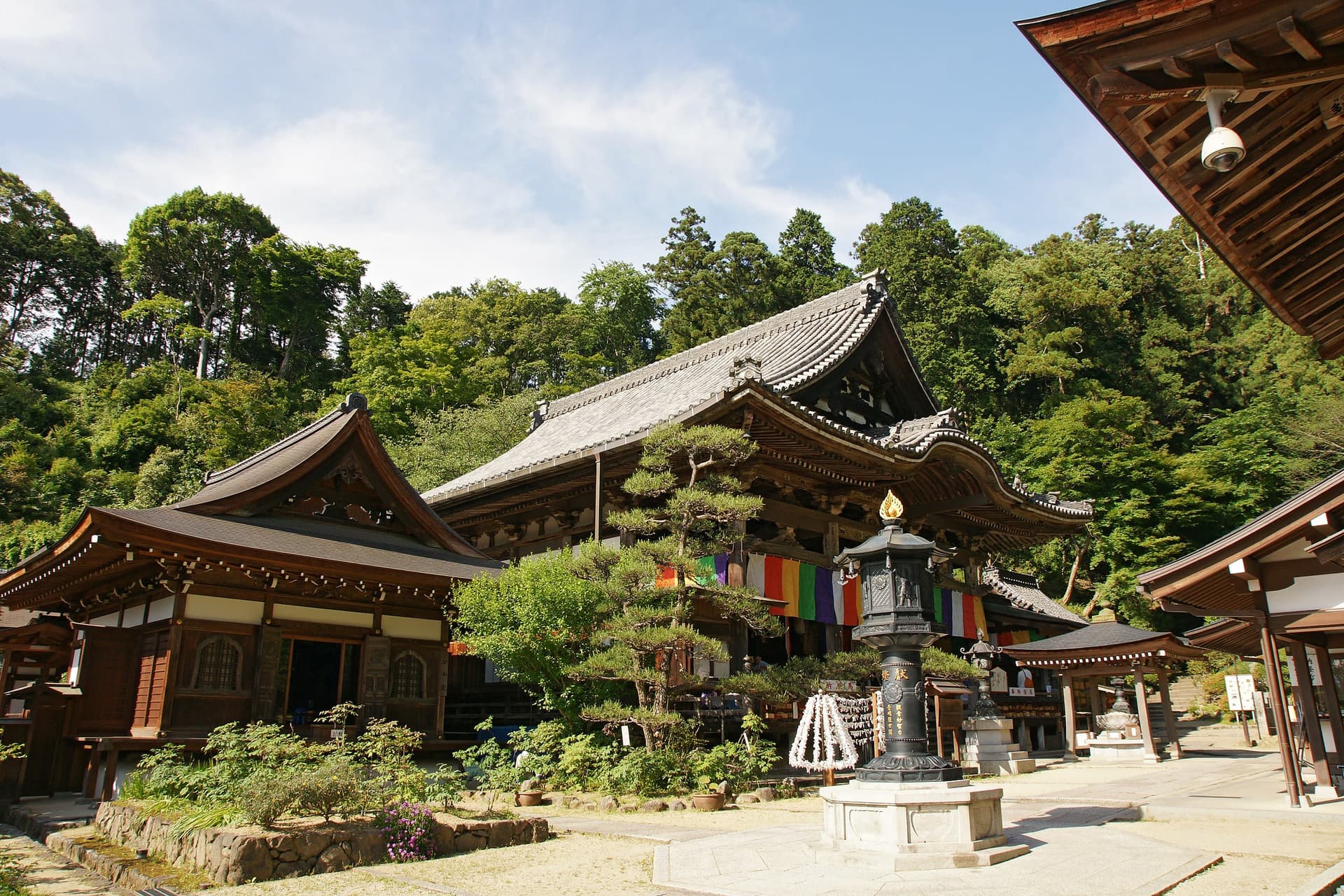
The main hall (kon-do) is an impressive structure rebuilt in 1650, but what draws the eye is the Kannon within. At over ten meters tall, she is Japan's largest wooden Kannon statue. The Eleven-headed form shows multiple faces arranged in tiers, each expressing a different aspect of compassion. The statue holds both lotus vase and Jizo's staff—an unusual iconography expressing the ability to reach beings in any realm of existence.
The face of this Kannon dates to the eighth century, preserved through fires that destroyed the body and recarved in 1538 around this ancient core. To meet the eyes of this statue is to meet a gaze that has rested on 1,300 years of pilgrims.
Hase-dera offers morning chanting services (gongyo) that visitors may attend. The sound of monks' voices in the early mountain air, the presence of the ancient Kannon, the knowledge of standing where pilgrimage began—these combine into an experience visitors consistently describe as profound.
The temple is also famous for its 700 peonies in spring and dramatic autumn foliage, adding natural beauty to the spiritual atmosphere. The seasons here are themselves forms of teaching.
Visitors enter the temple grounds and begin ascending the 399 steps through the covered corridor. The main hall at the summit houses the Kannon statue. Other significant structures include the pagoda and various sub-temples. Morning chanting services are held daily. The temple can be visited in one to two hours, though those wishing to attend services or spend contemplative time should allow longer.
Hase-dera invites interpretation as the origin point of Japanese pilgrimage, as a masterwork of Buddhist art, and as a living center of Kannon devotion.
Historians recognize the Saigoku Kannon Pilgrimage originating at Hase-dera as Japan's oldest organized pilgrimage route, establishing patterns that shaped subsequent pilgrimage development including the Shikoku 88 temples and Kumano trails. The temple's architectural and artistic heritage, including the massive Kannon statue with its ancient head, represents important evidence of Buddhist practice across centuries. Literary scholars study the temple's appearances in classical works including The Tale of Genji.
In Buddhist understanding, the founding vision was not mere hallucination but genuine encounter with supernatural reality. Tokudo Shonin met the Lord of Death and received authentic command. The Kannon statue embodies the actual compassionate presence of the bodhisattva, not merely representing but manifesting divine accessibility. The temple remains a powerful site for receiving Kannon's blessing.
Some visitors interpret the energy of the site through frameworks beyond Buddhist theology, experiencing the accumulated devotion of 1,300 years as itself a form of spiritual presence.
The original form of Tokudo Shonin's visionary experience—what exactly he saw and heard—lies beyond recovery. The full history of the sacred camphor log from which the Kannon was carved, said to have provided material for both Hase-dera and Kamakura Hase-dera statues, remains uncertain.
Visit Planning
Hase-dera is located in Sakurai, Nara Prefecture, accessible by train from Nara, Osaka, or Kyoto. Allow 1-2 hours for a meaningful visit.
The Sakurai area offers limited accommodations; many visitors stay in Nara city and make Hase-dera a day trip. Temple lodging (shukubo) may be available; inquire directly.
Standard Buddhist temple etiquette applies, with particular care appropriate to one of Japan's most significant temples and the head of a major Shingon sect.
As head temple of the Buzan sect and birthplace of Japanese pilgrimage, Hase-dera asks for the respectful conduct appropriate to a major religious institution. This means modest dress, quiet demeanor, and attention to temple protocols. The main hall is an active worship space where devotees come for Kannon's blessing; visitors should conduct themselves accordingly.
Modest dress appropriate for a temple visit. Remove shoes when entering buildings.
Generally permitted in outdoor areas and of the exterior architecture. Check current restrictions for the main hall interior and the Kannon statue. During services, photography would be inappropriate.
Small coins placed in offering boxes. Incense may be purchased and offered at the main hall.
{"Remove shoes before entering temple buildings","Maintain quiet and respectful demeanor","Do not disturb worshippers or monks during services","Follow any posted photography restrictions"}
Sacred Cluster
Nearby sacred places create the location cluster described in the growth plan. This block is intentionally crawlable and links into the wider regional graph.