Dolmen de la Madeleine
A Neolithic tomb transformed into chapel, bread oven, and cart shed over six millennia
Gennes, Maine-et-Loire, France

Visit essentials
Before you go
- Access
- Private field on outskirts of Gennes, on banks of Loire near Saumur.
- Address
- 49350 Gennes-Val-de-Loire, France
- Duration
- 30 minutes
- Etiquette
- Archaeological site on private land.
Overview
Over six thousand years ago, Neolithic peoples hauled sabal sandstone from Loire quarries to build an approximately 80-square-meter burial chamber, one of the Saumur region's largest dolmens. They buried their dead here, leaving bones and tools that archaeologists recovered in 1940.
Christianity later adapted the structure: Romanesque pillars inserted beneath its capstones transformed the chamber into a chapel dedicated to Mary Magdalene, whose name “Madeleine” remains attached to the stone. After the chapel fell from use, farmers installed a bread oven still visible in the passage chamber, then stored carts within its prehistoric walls.
Now a listed Historic Monument, the dolmen holds six millennia of purposes in the same stones: Neolithic burial, medieval prayer, peasant bread, and farm storage.
Why this place is sacred
What makes this place thin is the depth of human engagement. Neolithic peoples chose this location for burial—a decision that implies significance now irrecoverable. Whatever beliefs attended their dead to this chamber, whatever rituals consecrated the interment, are lost to prehistory.
But later peoples recognized something still. The medieval Christians who added Romanesque pillars and dedicated the space to Mary Magdalene were not ignorant of what they were adapting. They saw a place of power and claimed it for their God. The 'Madeleine' name speaks of redemption and transformation—apt for a tomb repurposed for worship.
The practical uses that followed—bread oven, cart storage—might seem diminishment, but they too represent continuity. The structure remained useful; the stones remained present in daily life rather than being quarried away. The dolmen's endurance, through purpose after purpose, is itself a form of thinness.
Neolithic communal burial chamber, over 6,500 years old
Neolithic burial (6,500+ years ago) → Medieval Christian chapel (Romanesque pillars added) → Bread oven → Farm cart storage → Historic Monument (listed). 1940 excavations recovered human bones and worked stone.
Experience and orientation
The dolmen stands in a private field on the outskirts of Gennes, near the Loire. Two massive capstones rest atop the chamber walls—sabal sandstone slabs hauled here before recorded history. The chamber beneath is large, approximately 80 square meters, one of the bigger examples in a region dense with megaliths.
Look for the adaptations. Romanesque pillars were inserted to support the capstones when the space became a chapel. The pillars bear 12th-century capitals—medieval artistry supporting Neolithic engineering. The bread oven remains are visible inside, speaking of centuries when the chapel was simply a convenient structure on a farm.
Stand where Neolithic peoples buried their dead. Stand where medieval Christians prayed to Mary Magdalene. Stand where peasants baked bread and stored carts. The thinness of this place is not mystical but historical—the accumulation of human purposes upon enduring stone.
Come with awareness of time's depth. This structure has served human purposes for over six millennia.
Context and lineage
Neolithic peoples built this burial chamber over 6,500 years ago using sabal sandstone from the Loire valley. The region around Saumur holds the second-highest concentration of megaliths in France. Excavations in 1940 recovered human bone fragments and worked stone tools.
Part of Lower Loire megalithic tradition. Christian adaptation suggests ongoing recognition of sacred character. Now French Historic Monument.
Traditions and practice
Neolithic burial rituals (unknown details). Medieval Christian worship (historical).
Archaeological tourism, megalithic interest visits
Visit with respect for the dead buried here and for private landowners. Take time to notice the adaptations—Romanesque pillars, oven remains, door fixtures.
Neolithic Megalithic Culture
HistoricalLarge burial chamber (80m²) in region with second-highest megalithic density in France. Built 6,500+ years ago. Later adapted as Christian chapel (Romanesque pillars), bread oven, farm storage. Listed Historic Monument.
No active practices; archaeological visits
Perspectives and open questions
The dolmen can be approached as Neolithic archaeology, as evidence of Christian adaptation of prehistoric sites, or as example of how structures outlast their purposes.
Scholarly perspective
Listed as French Historic Monument. 1940 excavations documented. Part of significant Lower Loire megalithic concentration.
Living and traditional perspectives
Christian dedication to Mary Magdalene suggests medieval recognition of site's power. The saint of transformation appropriate for a tomb.
Alternative interpretations
Some connect megaliths to earth energies or ancient wisdom traditions.
Open questions
Original Neolithic rituals. Why Christians chose 'Madeleine' name. Who first converted the space.
Plan your visit
Access and arrival
Private field on outskirts of Gennes, on banks of Loire near Saumur. Listed as Historic Monument. Respectful access to private land.
Saumur offers full range
Respectful visit
Outdoor clothing
Permitted
None expected
Private land; stay on paths
Private land; access with respect.
Current practical details
Address
49350 Gennes-Val-de-Loire, France
Phone
Hours
Hours, fees, and access can change — verify on the official source before you travel. Practical details last checked Jun 2026.
Location
Map loads as you approach this section.
Pilgrim reflections
A portrait of encounter, not a score
Pilgrims describe what they felt, how present they could become, and whether the place would shape a journey. There are no stars and no ranking of traditions.
No reviewed reflections yet
The first pilgrims can help describe the character of being here.
Share a reflection
Available after an account-backed “Been there.” Every reflection is reviewed before publication.
Nearby sacred places
Explore other sacred places in the region. Proximity does not establish access or travel time; check each place’s guidance.

Collégiale Saint-Martin de Candes
Candes-Saint-Martin, Indre-et-Loire, France
27.2 km away

Royal Abbey of Fontevraud
Fontevraud-l'Abbaye, Fontevraud-l'Abbaye, Maine-et-Loire / Pays de la Loire, France
27.9 km away

Solesmes Abbey
Solesmes, Solesmes, Sarthe / Pays de la Loire, France
56.9 km away
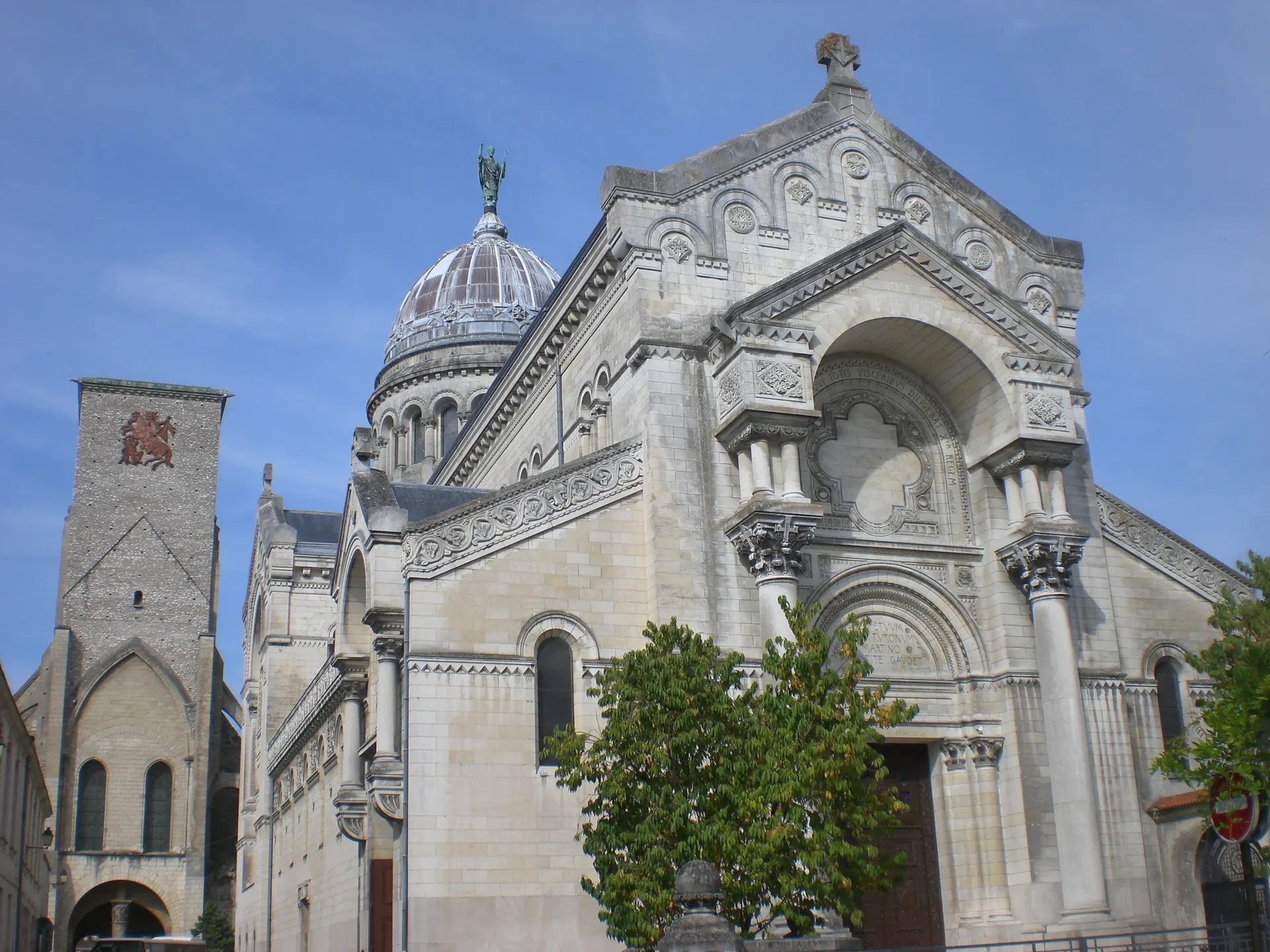
Basilica of Saint Martin, Tours
Tours, Indre-et-Loire, France
69.1 km away
References
Sources consulted for this page. Source categories describe the publication, not a guarantee that every claim is verified. Traditional accounts and outside interpretations may differ.
- 01Dolmen de la Madeleine, Gennes — Archaeology TravelacademicArchaeological context
- 02Dolmen dit de la Madeleine — Megalithic PortalSource contextDetailed megalithic documentation
- 03Dolmen of La Madeleine — France VoyageSource contextVisitor information
- 04Megaliths in the Lower Loire Valley — Cromwell InternationalSource contextRegional context
Share a photo
Help visitors recognize Dolmen de la Madeleine. Every submission is reviewed before publication.