Curtea De Arges Monastery, Romania
Where a master builder's sacrifice, royal tombs, and twisted stone columns converge in Romania's most storied monastery
Understand sacred places, explore living traditions, and learn how to engage respectfully with Pilgrim Map.
Access has not been verified. Check current local guidance before planning a visit.
Curtea de Argeș, Argeș, Romania
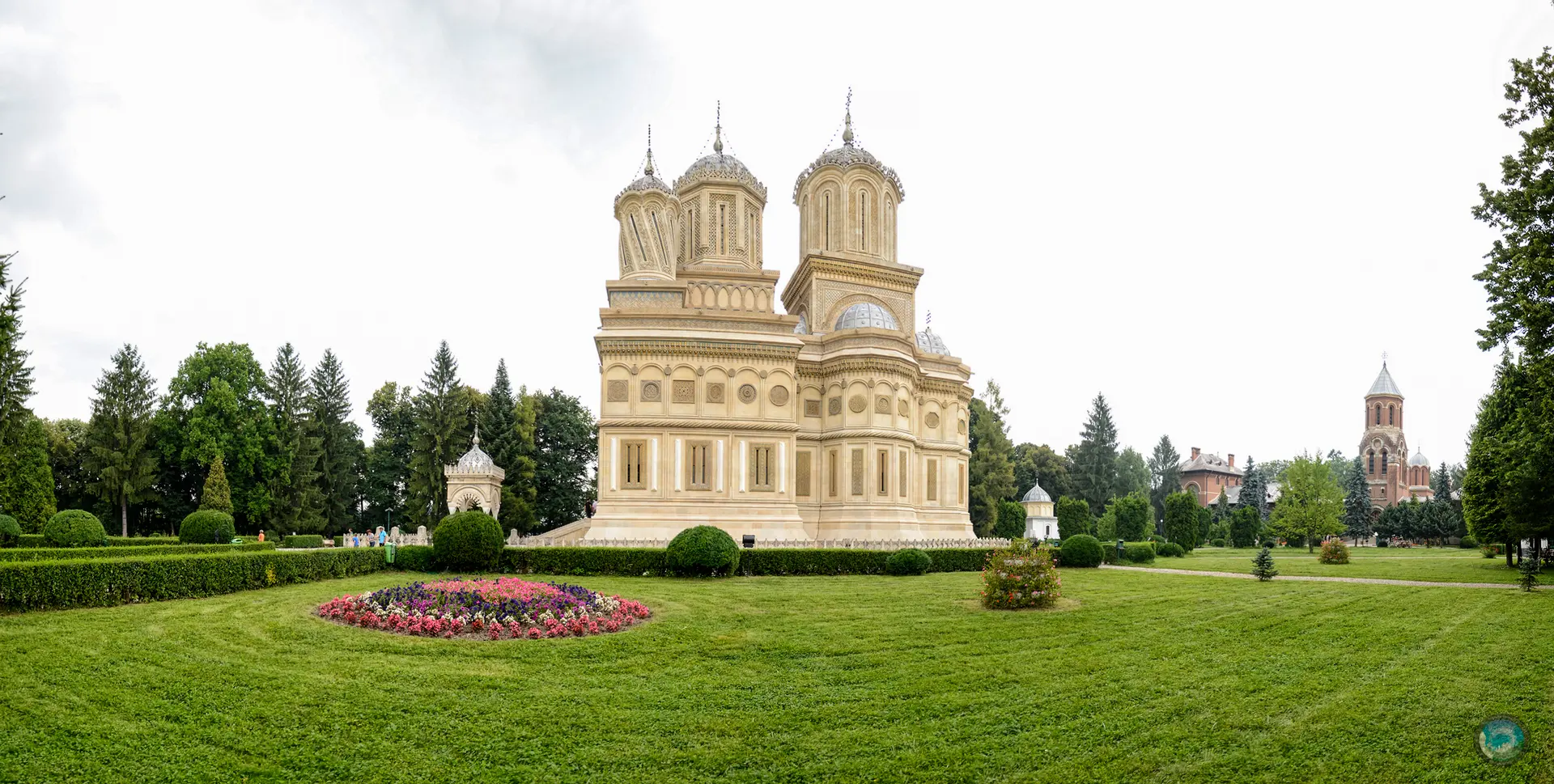
Image of Curtea De Arges Monastery, Romania. Image source · CC-BY-SA-4.0
Visit essentials
A quick read before you go
- Duration
- One to two hours for a thorough visit including the cathedral interior, royal tombs,…
- Access
- Located at 1 Basarabilor Street, Curtea de Arges, Arges County, southern Romania.
Overview
The approach matters at Curtea de Arges. A boulevard lined with ancient linden trees leads to the monastery, creating a processional axis that builds anticipation with every step. What awaits at the end is a building that appears to belong to a dream rather than a specific architectural tradition. Twisted columns spiral upward as though wrung from stone by hand. Knotted rope motifs frame the windows.
Stone lacework of extraordinary intricacy covers the facade in patterns that recall Ottoman geometric design, Armenian khachkars, and Georgian decorative carving simultaneously, yet resolve into something that is none of these and all of them at once.
Neagoe Basarab, who ruled Wallachia from 1512 to 1521, intended to create the most beautiful monastery in his domain. The result is a building that scholars recognize as the first known fusion of these diverse Eastern architectural traditions in a Christian church. The marble, reportedly sourced from Constantinople, glows in a range of whites and golds that shift with the light.
But the monastery's hold on Romanian consciousness goes deeper than architecture. The Legend of Master Manole, one of the foundational myths of Romanian culture, is set here. In the legend, the master builder's walls collapsed each night until he walled his pregnant wife into the structure, and only then did the building stand. The story, belonging to a widespread Balkan motif of immurement sacrifice, has become inseparable from the place itself.
Manole's Fountain, where the builder fell to his death after leaping from the roof on wooden wings, still flows beside the church.
Within the cathedral, the atmosphere shifts from mythic to intimately historical. Romania's kings and queens are buried here: Carol I and Queen Elisabeth, Ferdinand I and Queen Marie, Carol II, Queen Elena, King Michael I and Queen Anne. Their tombs transform the church into a national reliquary.
Nearby, in the Chapel-Paraclis, the relics of Saint Filofteia, a 12-year-old girl martyred by her father for giving food to the poor, have been carried in formal procession through the surrounding countryside during droughts, famines, and epidemics. She is known as the Protectress of Romania.
This convergence of architectural wonder, national myth, royal burial, and living devotion gives Curtea de Arges a density of meaning that few European sacred sites can equal.
Why this place is sacred
Several layers of meaning coexist here without resolving into a single narrative, and this is part of what gives the site its power.
The architectural layer is the most immediately striking. The twisted columns have no precise parallel in European architecture. They spiral with a quality that suggests living growth rather than carved stone, as though the building is still in the process of becoming. The stone lacework on the facade is so fine that it appears fragile, yet it has endured five centuries of weather and war.
The knotted rope motifs have been interpreted as representing the ropes used in construction, as symbols of eternity, and as references to the legend of Manole's imprisonment on the roof. Each reading adds a thread without exhausting the pattern.
The mythic layer runs beneath the stone. The Legend of Master Manole is not merely a story associated with the site but a foundational narrative of Romanian cultural identity. The conviction that great creation requires great sacrifice, that beauty and permanence are born from suffering, resonates with broader Romanian themes of endurance through adversity.
Standing beside Manole's Fountain, where the spring reportedly emerged from the spot where the builder fell, you are at the intersection of folklore and landscape, where a story has shaped the earth it describes.
The devotional layer is immediate and alive. Pilgrims come to venerate the relics of Saint Filofteia, passing beneath the reliquary in the Chapel-Paraclis in a gesture of submission and hope. For the faithful of Arges County and beyond, the saint is not a historical figure but a living intercessor whose protection has been sought in times of crisis for centuries. The emotional intensity around the relics during feast day celebrations is palpable.
The royal layer adds a national dimension. The tombs of Romania's monarchs place the monastery at the hinge between sacred and secular history. Memorial services for the dead kings and queens continue, and the presence of their remains gives the space a gravity that transforms it from a church into something closer to a national shrine.
Prince Neagoe Basarab built the monastery between 1512 and 1517 as the crowning achievement of his reign and a statement of Wallachian cultural ambition. The church was consecrated on August 15, 1517, the Feast of the Dormition of the Theotokos. It served as the seat of the Eparchy of Arges and was intended to be a monument of Orthodox faith expressed through an unprecedented architectural synthesis.
The original frescoes by Dobromir Zugravul, painted during the reign of Radu of Afumati in the 1520s, were replaced during the controversial restoration by French architect Andre Lecomte du Nouy between 1875 and 1904. This restoration preserved the structure but altered the interior significantly, replacing the medieval paintings with neo-Byzantine frescoes that remain the subject of scholarly debate. King Carol I designated the monastery as the royal necropolis in 1886, adding a new layer of national significance.
Pope John Paul II acknowledged the site when visiting Romania. The monastery continues to receive approximately 100,000 visitors and pilgrims annually.
Experience and orientation
The boulevard of linden trees converts your arrival into a procession whether you intend it or not. The trees are old and generous, their canopy creating a tunnel of filtered green light in summer, bare architecture in winter. The monastery appears at the boulevard's end, its white and golden stone catching the light in ways that shift throughout the day.
The first encounter with the exterior rewards slow circumnavigation. Walk around the building before entering. The twisted columns demand attention, their spiral forms appearing to rotate as you move past them. The stone lacework on the facade, carved with geometric and vegetal patterns of extraordinary refinement, reveals new details at every distance. At arm's length, the carving's precision is almost unsettling. From across the garden, the overall composition resolves into a harmony that individual study cannot convey.
Entering the cathedral, the atmosphere changes from wonder to solemnity. The neo-Byzantine frescoes by Lecomte du Nouy's restoration team fill the interior with vivid color and gold leaf. The royal tombs line the nave, their presence imposing a quality of hush that even large groups of visitors tend to respect.
King Carol I and Queen Elisabeth, King Ferdinand I and the remarkable Queen Marie, whose own account of choosing Curtea de Arges as her resting place reveals the depth of emotional attachment the monarchy felt to this site.
The Chapel-Paraclis, housing the relics of Saint Filofteia, is the spiritual heart of the living pilgrimage. During feast days, the faithful form long lines to pass beneath the reliquary, an act of physical submission and trust. The atmosphere during these occasions is charged with personal intensity. People come with specific needs, specific prayers, specific griefs.
Outside, Manole's Fountain completes the experience. The spring that flows here, according to the legend, from the place where the master builder fell after his impossible escape on wooden wings, connects the building to the Romanian cultural unconscious. Whether you read the legend as allegory, as preserved memory, or as foundational myth, its presence at the physical site gives the monastery a dimension that pure architecture or pure devotion could not achieve alone.
Approach via the linden boulevard if possible, even if it means parking at the boulevard's beginning and walking. Circumnavigate the exterior before entering. Inside, allow the royal tombs their weight. Visit the Chapel-Paraclis, and if the relics are accessible, observe how the faithful interact with them. End at Manole's Fountain and sit with the legend. The entire visit takes one to two hours.
Context and lineage
Neagoe Basarab, prince of Wallachia, began construction in 1512 during the first year of his reign. The building that emerged over the next five years drew on decorative traditions from across the Eastern Christian and Islamic worlds, creating a synthesis that art historians recognize as without precise parallel. The marble reportedly came from Constantinople. The consecration took place on August 15, 1517, the Feast of the Dormition of the Theotokos.
The Legend of Master Manole, the foundational myth associated with the site, tells of a master builder commissioned to create the most beautiful monastery in the land. Everything he built by day crumbled by night. He dreamed that for the walls to stand, the first wife to arrive must be walled into the structure. His own wife Ana came first, and as the walls rose around her, she begged to be freed, but Manole sealed her in. The monastery held.
When the prince, fearing that Manole might build something even more beautiful for a rival, stranded the builders on the roof by removing the scaffolding, Manole crafted wooden wings to escape but fell to his death. Where he struck the ground, a spring appeared. The legend belongs to a widespread Balkan folk motif of the immured wife, found also in Serbian, Bulgarian, Albanian, and Greek tradition, but nowhere has it been so completely identified with a specific building.
Curtea de Arges belongs to the Romanian Orthodox tradition and represents the culmination of Wallachian princely monastic patronage. Its architectural synthesis of Byzantine, Armenian, Georgian, and Ottoman elements places it at a unique intersection of Eastern traditions. The royal necropolis tradition connects it to the modern Romanian state. The veneration of Saint Filofteia roots it in the lived spiritual experience of the surrounding communities.
Neagoe Basarab
Prince of Wallachia (1512-1521) and founder of the monastery. A ruler of unusual cultural ambition, he also authored the 'Teachings of Neagoe Basarab to His Son Theodosie,' one of the earliest works of Romanian literature. His monastery represents the architectural apex of the Wallachian principality.
Mesteul Manole (Master Manole)
The legendary master builder of Romanian folklore. Whether a historical figure lies behind the legend is unknown, but the story of his sacrifice and death has become inseparable from the monastery and from Romanian cultural identity.
Saint Filofteia (Philothea of Arges)
A 12-year-old girl martyred by her father for giving food to the poor. Her relics, housed in the monastery's Chapel-Paraclis, have been venerated for centuries. Known as the Protectress of Romania, her relics have been carried in procession during droughts, famines, and epidemics.
Andre Lecomte du Nouy
French architect who led the controversial restoration of 1875-1904. While his work preserved the structure and gave the exterior its current appearance, his replacement of the original medieval frescoes with neo-Byzantine paintings remains a subject of scholarly debate.
King Carol I
First King of Romania, who designated the monastery as the royal necropolis in 1886. His own burial here in 1914 established the tradition that would include the subsequent Romanian monarchs.
Traditions and practice
The monastery follows the Romanian Orthodox liturgical rite, with the principal annual feast on August 15, the Dormition of the Theotokos, the day on which the church was consecrated in 1517. This celebration draws thousands of pilgrims to the town of Curtea de Arges and represents the monastery's most significant annual gathering. The veneration of Saint Filofteia's relics is a practice of profound personal intensity. The faithful pass beneath the reliquary, believing it offers protection from illness and misfortune.
During times of particular crisis, the relics have been carried in formal procession through Arges County, a practice that connects the monastery to the surrounding landscape and its communities in a way that purely architectural significance cannot achieve.
The Izvorul Tamaduirii celebration on the Friday after Easter, the Life-Giving Spring or Healing Waters Day, brings another wave of pilgrims. Traditional blessings of waters and foods mark major feast days throughout the year.
The monastery receives approximately 100,000 visitors and pilgrims annually. Regular Orthodox services continue throughout the year. Royal memorial services and state commemorative ceremonies take place on significant anniversaries. The relics of Saint Filofteia were taken in formal procession for the first time in 73 years during a recent occasion, demonstrating that the processional tradition is not merely historical but can be reactivated when circumstances warrant.
For visitors seeking contemplative engagement rather than formal worship, the monastery offers several entry points. The exterior architecture rewards unhurried study. Sit on a bench in the garden facing the facade and watch how the twisted columns and stone lacework change character as the light moves. Inside, stand before the royal tombs and consider the weight of a building that contains both a nation's mythic origin and its historical memory.
At Manole's Fountain, let the legend inhabit the space. Whether you understand it as allegory for the cost of creation, as folklore preserving a real practice, or as a story that has taken on a life independent of its origins, the spring still flows.
Romanian Orthodox Christianity
ActiveThe monastery has been a center of Orthodox worship since its consecration on August 15, 1517. It served as the seat of the Eparchy of Arges and remains one of Romania's most important Orthodox pilgrimage sites. The dedication to the Dormition of the Theotokos places it within the broader tradition of Marian devotion in Romanian Orthodoxy.
Regular liturgical services following the Romanian Orthodox rite. Major celebration on the Dormition of the Theotokos (August 15). Veneration of the relics of Saint Filofteia, where the faithful pass beneath the reliquary. Izvorul Tamaduirii (Life-Giving Spring) celebration on the Friday after Easter. Traditional blessing of waters and foods on major feast days.
Veneration of Saint Filofteia
ActiveThe relics of Saint Martyr Filofteia, a 12-year-old girl martyred by her father for giving food to the poor, are housed in the monastery's Chapel-Paraclis. She is known as the Protectress of Romania, and her relics have been carried in procession during droughts, famines, and epidemics throughout Arges County and southern Romania.
Pilgrims venerate the relics by passing beneath the reliquary during feast day celebrations. Processions with the relics occur during times of community crisis, connecting the monastery to the surrounding landscape. The faithful seek protection from illness and misfortune through physical proximity to the saint's remains.
Royal necropolis tradition
ActiveSince 1886, the monastery has served as the burial place of Romania's royal family. The tombs of King Carol I, Queen Elisabeth, King Ferdinand I, Queen Marie, King Carol II, Queen Elena, King Michael I, and Queen Anne are located here. Royal memorial services and state observances continue.
Memorial services for deceased royals on significant anniversaries. State visits and commemorative ceremonies. The monastery's role as necropolis reinforces its national significance beyond its religious function.
Perspectives and open questions
Curtea de Arges can be read as architecture, as national myth, as royal memorial, as pilgrimage site, or as the place where all these converge to produce a density of meaning that rewards every approach.
Scholarly perspective
Art historians recognize the monastery as a masterpiece of Romanian medieval architecture, representing the first known synthesis of Byzantine, Armenian, Georgian, and Ottoman decorative elements in a Christian church. The twisted columns and elaborate stone lacework are without parallel in European architecture.
The 19th-century restoration by Lecomte du Nouy is more contentious: while it preserved the structure, the replacement of the original frescoes by Dobromir Zugravul with neo-Byzantine paintings is viewed by some scholars as a significant loss of medieval authenticity. The Legend of Master Manole belongs to a widespread Balkan and Southeast European motif of immurement sacrifice, found also in Serbian, Bulgarian, Albanian, and Greek folklore, but its attachment to a specific building of this significance is exceptional.
Living and traditional perspectives
For Romanians, the monastery is a profound national symbol. The Legend of Master Manole expresses a deep cultural conviction that great creation requires great sacrifice, that beauty and permanence are born from suffering. This resonates with broader Romanian cultural themes of endurance and resilience through centuries of external domination. The royal burials connect the medieval Wallachian principality to the modern Romanian state.
The relics of Saint Filofteia, a local saint, root the monastery in the lived spiritual experience of the surrounding communities who have processed her relics through their fields during droughts and epidemics for centuries.
Alternative interpretations
Some interpreters read the Legend of Master Manole as an allegory for alchemical or initiatic processes, the dissolution of the feminine as necessary for the creation of the temple. The monastery's fusion of Eastern and Western architectural elements is sometimes understood as embodying a crossroads quality where multiple spiritual traditions meet. The presence of Manole's Fountain as a sacred spring emerging from tragedy resonates with universal patterns of redemptive suffering found across cultures.
Open questions
The precise identity and historical existence of a Master Manole remain unknown. Whether the legend preserves a memory of actual immurement practices, which have been documented archaeologically in some Southeast European contexts, is debated. The original appearance of the church before the 19th-century restoration is partially lost, as Lecomte du Nouy's intervention was thorough.
The specific source of the Armenian, Georgian, and Ottoman decorative influences, whether from artisans brought to Wallachia or from Neagoe Basarab's diplomatic connections with Constantinople, is not definitively established.
Plan your visit
Access and arrival
Located at 1 Basarabilor Street, Curtea de Arges, Arges County, southern Romania. Approximately 150 km northwest of Bucharest and 36 km northwest of Pitesti. Accessible by car via the E81/DN7 highway. Bus services run from Pitesti to Curtea de Arges. The monastery is centrally located in the town and easily walkable from the bus station. Phone: +40 248 721735. Mobile phone signal is available throughout the town.
No special access arrangements required; the monastery is open to all visitors during posted hours.
Curtea de Arges town has hotels and guesthouses. Pitesti, 36 km southeast, offers a wider range. The monastery's central location in the town makes it accessible from any local accommodation.
Respectful visit
Modest dress required. Women: covered shoulders, skirts or dresses below the knee. Men: long trousers, hats removed inside. Headscarves traditional but not strictly enforced for tourists.
Exterior photography is permitted and the architecture is highly photogenic. Interior photography restrictions may apply, particularly near the royal tombs and the relics. Check with monastery staff. Flash photography should be avoided to protect the frescoes.
Entrance is generally free. Donations are welcomed and appreciated. Candles can be purchased and lit as a devotional practice.
Do not touch the royal tombs or the reliquary. Do not interrupt worship services or pilgrim devotions. Follow instructions from monastery staff. Maintain silence and reverence inside the cathedral.
During major feast days, particularly August 15 and Saint Filofteia's celebration, the monastery draws very large crowds. Visitors who prefer a contemplative experience should plan their visits outside these peak periods. The intensity of devotion around the relics is genuine and deeply personal, and tourists should not treat it as a spectacle.
Current practical details
Address
Bulevardul Basarabilor 1, 115300 Curtea de Argeș, Romania
Phone
Hours
Hours, fees, and access can change — verify on the official source before you travel. Practical details last checked Jun 2026.
Location
Map loads as you approach this section.
Pilgrim reflections
A portrait of encounter, not a score
Pilgrims describe what they felt, how present they could become, and whether the place would shape a journey. There are no stars and no ranking of traditions.
No reviewed reflections yet
The first pilgrims can help describe the character of being here.
Share a reflection
Available after an account-backed “Been there.” Every reflection is reviewed before publication.
Nearby sacred places
Explore other sacred places in the region. Proximity does not establish access or travel time; check each place’s guidance.
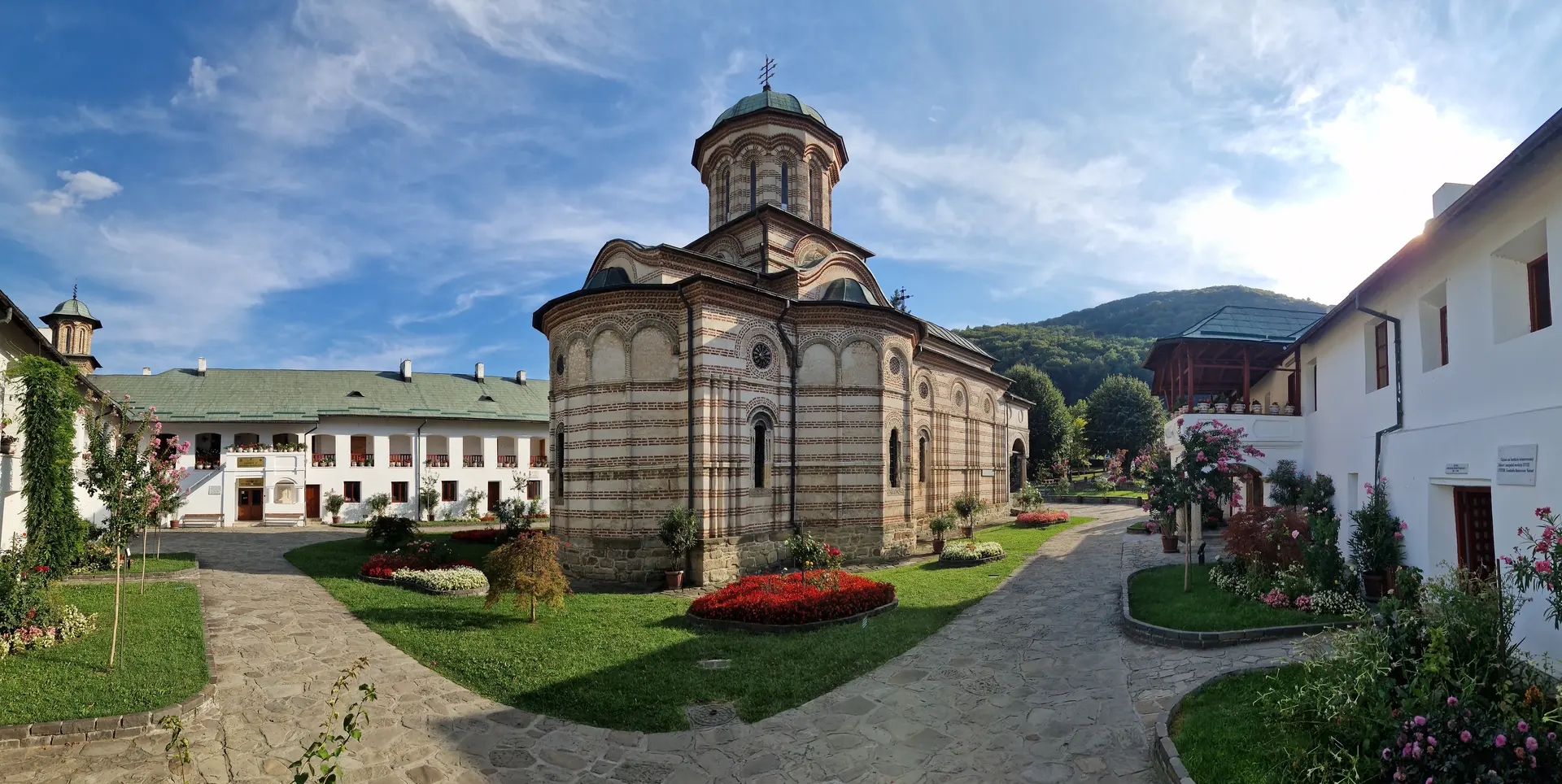
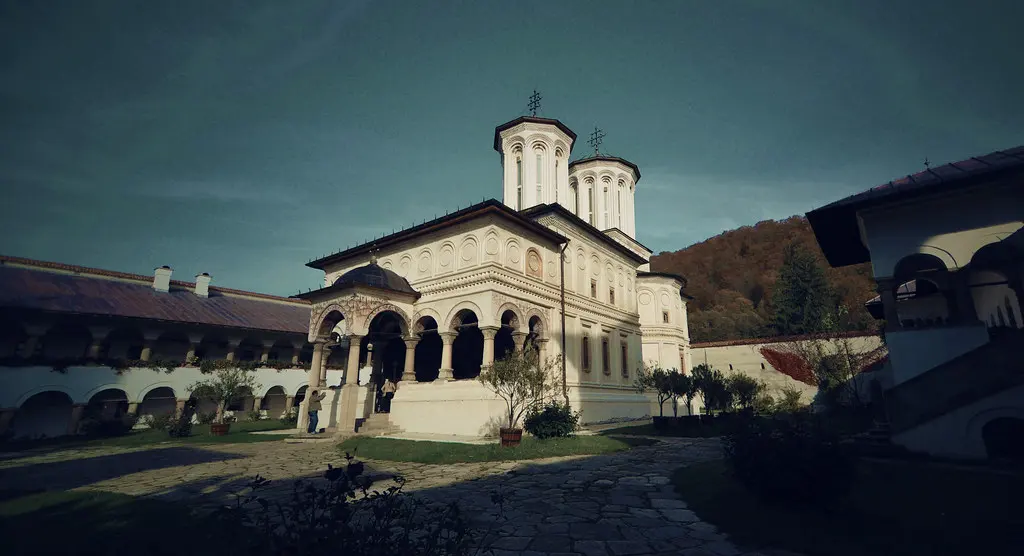

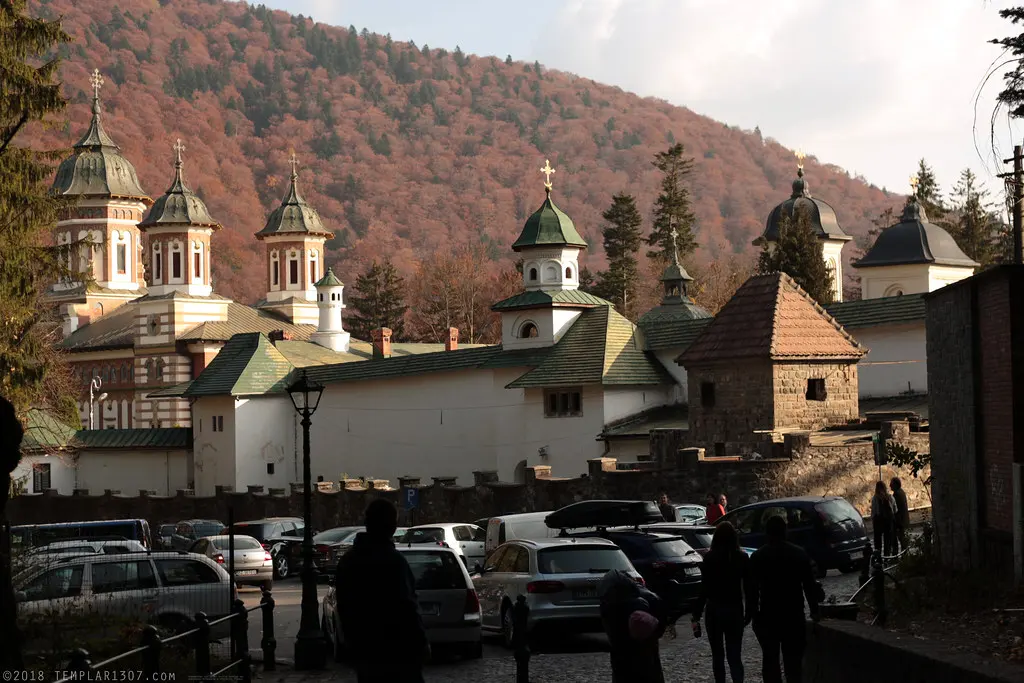
Photo gallery
3 curated photos
Share a photo
Help visitors recognize Curtea De Arges Monastery, Romania. Every submission is reviewed before publication.