Hurezi (Horezu) Monastery
Where Brâncovenesc artistry meets martyrs' faith in the forested hills of Wallachia
Understand sacred places, explore living traditions, and learn how to engage respectfully with Pilgrim Map.
Access has not been verified. Check current local guidance before planning a visit.
Romanii de Jos, Vâlcea, Romania
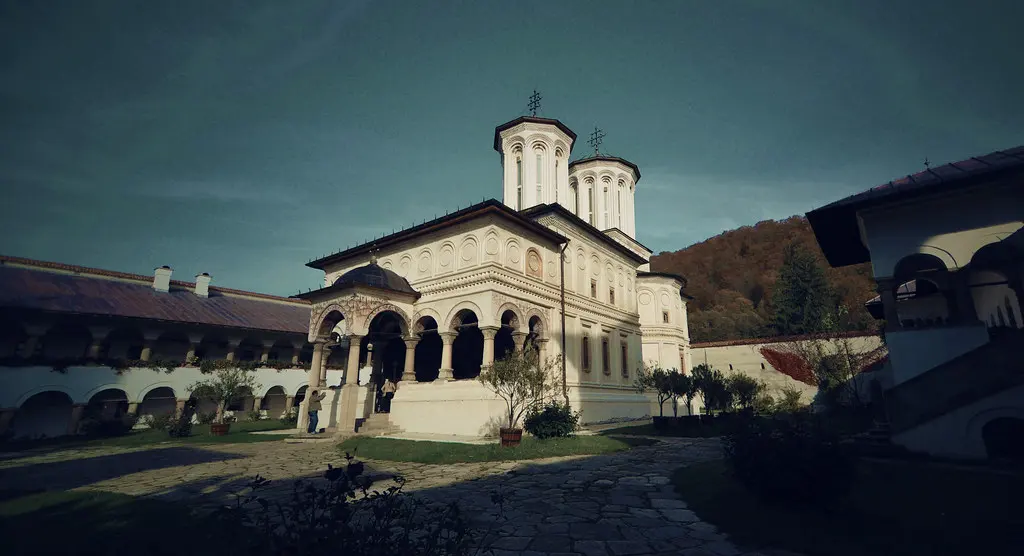
Image of Hurezi (Horezu) Monastery. Image source
Visit essentials
A quick read before you go
- Duration
- Allow two to three hours to explore the full complex, including the main church, the Bolnița…
- Access
- Horezu Monastery is located on DN 67, approximately 50 km west of Râmnicu Vâlcea, the regional…
Overview
In a beech-and-oak clearing in the Carpathian foothills, Horezu Monastery rises in perfect proportion. Built at the end of the 17th century by a prince who became a saint, it remains a place of prayer, craft, and communion with the unseen.
Constantin Brâncoveanu intended it as his family's eternal resting place and a monument to Orthodox faith in a region between empires. After commissioning its frescoes and carved stone balustrades, he and his four sons were beheaded for refusing to renounce Christianity; their 1714 martyrdom sanctified what they had built.
The monastery has never ceased functioning. For over three centuries its walls have held prayer; nuns now maintain the Hours, Divine Liturgy, icon painting, and weaving established when it was new. Visitors enter a complete sacred environment: the Last Judgment at the entrance places accountability before comfort, while distinctly Wallachian architecture between Byzantine and Baroque makes spaces both intimate and vast beneath the silent mountains.
Why this place is sacred
What makes a place sacred? Horezu offers multiple answers, each reinforcing the others.
There is the intention of the builder. Constantin Brâncoveanu did not commission a monument to temporal power but a house of prayer. The four churches of the complex align along an east-west axis, oriented toward Jerusalem and the rising sun with geometric precision. Every element—the carved stone, the proportioned spaces, the frescoes covering floor to dome—serves a single purpose: to lift the mind toward God.
There is the weight of accumulated prayer. For over three hundred years, the Hours have been sung within these walls. Night prayers, dawn prayers, the daily Liturgy—an unbroken chain of voices rising from the same stones. Some traditions hold that prayer accumulates in places, that the walls themselves absorb something of the intention directed through them. Whether or not this can be measured, visitors consistently describe a quality of stillness that exceeds mere silence.
There is the blood of martyrs. When Brâncoveanu and his sons chose death over apostasy in Constantinople in 1714, they transformed everything they had built. The monastery became a reliquary not of bones but of intention—the visible proof of a faith worth dying for. Their canonization in 1992 made official what pilgrims had long sensed: this is holy ground.
And there is the land itself. The monastery sits where the Carpathian foothills begin to rise, surrounded by forests that have never been fully cleared. Eagle owls—after which the site is named—still call from the woods at night. The setting speaks of something older than Christianity, a sacredness of place that the builders recognized and the church sanctified.
Brâncoveanu designed Horezu as multiple things at once: a monastery for the glory of God, a family mausoleum for dynastic continuity, and a center of learning and sacred craft. The library he founded, the painting school that trained generations of iconographers, the careful attention to every architectural detail—all expressed a vision of Orthodox culture as a complete way of life. In the Brâncovenesc understanding, worship, art, learning, and governance were not separate activities but facets of a single devotion.
The monastery remained male until 1872, when it became a nunnery. This transition brought no rupture in spiritual purpose—the prayers continued, the crafts were maintained, the pilgrims kept coming. Restoration work in the 1960s and again between 1995 and 2006 addressed centuries of weathering without fundamentally altering what Brâncoveanu built.
UNESCO's inscription in 1993 recognized what Romanians had always known: Horezu represents the apex of a distinctive architectural and artistic tradition. The international designation brought new visitors but did not change the monastery's essential character. It remains, as it was founded to be, a place of living prayer.
Experience and orientation
The first encounter is architectural. Approaching through the outer courtyard, visitors are struck by the balance and proportion of the complex—neither grandiose nor humble, but exactly what it needs to be. The stone balustrades, carved with plant motifs that merge Byzantine forms with something distinctly Wallachian, prepare the eye for the richness within.
Then the frescoes. Inside the main church, every surface speaks. The Last Judgment at the entrance—souls being weighed, the righteous ascending, the damned descending—establishes the stakes before any comfort is offered. Moving deeper, biblical narratives unfold in a continuous visual theology. Saints watch from every wall. The effect is immersive: not images on a surface but a complete environment that contains and transforms whoever enters.
Visitors describe unexpected emotional responses—tears they cannot explain, a sense of being seen or held, moments of unusual clarity regarding questions they had been carrying. These reports come from Orthodox pilgrims and secular tourists alike, suggesting the experience transcends specific belief.
The presence of the nuns adds a dimension absent from museum-monasteries. Prayer is happening here. The candle smoke, the murmured liturgy, the black-robed figures moving through courtyards—these are not performance but practice, the continuation of something Brâncoveanu set in motion centuries ago. Visitors become witnesses to a tradition that has never stopped.
Horezu rewards those who arrive with reverence and patience. The monastery is open to tourists, but it is not a museum. Approach as you would a home where you are the guest.
Consider arriving in the morning, when light fills the churches and the community is at prayer. The main church, dedicated to Saints Constantine and Helena, should be entered slowly—let the Last Judgment at the entrance do its work before moving toward the altar. The smaller churches and hermitages deserve attention; each holds its own character.
If Brâncoveanu's story is unknown to you, learn it before or during your visit. The tragedy and triumph of his martyrdom adds depth to every carved stone and painted saint. The icon painters trained here knew they were working in a tradition sanctified by blood.
The surrounding forests invite walking. The monastery sits in a landscape of monasteries—Bistrița, Arnota, Cozia are all within reach. Pilgrims have traveled these routes for centuries.
Context and lineage
The name Horezu, also spelled Hurezi, comes from the Romanian word for eagle owl—the large nocturnal birds whose calls fill the surrounding forests. According to local tradition, the workers building the monastery labored only at night, when the owls were singing, to avoid detection by the Turks. Whether literally true, the story captures something of the site's character: a place of night watches, hidden faith, voices rising in darkness.
Brâncoveanu chose this location at the foot of the Căpățânii Mountains for reasons now lost to us. Perhaps the forests and isolation suited his vision of contemplative retreat. Perhaps the land held older significance. What is clear is the care he invested in the construction. The main church, with its double-domed structure and triconch plan, took four years to complete. The painting alone required another year, with masters trained in traditions drawing from Byzantine, Kyivan, and Western sources.
The prince would enjoy his creation for less than two decades. In 1714, deposed by the Ottomans and brought to Constantinople, he and his four sons were given a choice: convert to Islam and live, or die as Christians. On August 15—the Feast of the Dormition and Brâncoveanu's sixtieth birthday—each son was beheaded before his eyes.
When the youngest, twelve-year-old Matei, began to waver, Constantin spoke words that have echoed through Romanian memory: 'Of our kind none have lost their faith. It is better to die a thousand times than to leave your ancient faith just to live a few more years on earth.' Matei offered his neck. Constantin died last.
For over a century following its founding, Horezu operated as a male monastery under the oversight of various archimandrites. The painting school established here trained generations of iconographers whose influence spread throughout the Balkans. The library Brâncoveanu founded grew to include thousands of volumes.
In 1872, the monastery became a nunnery, a transition that brought no rupture in spiritual purpose. The sisters who have lived here since continue the work of prayer, craft, and hospitality that defined the monastery from its beginning. Today, the community maintains traditions of icon painting, embroidery, and weaving, selling their handicrafts to visitors and preserving techniques that date to the Brâncovenesc era.
The monastery's museum preserves liturgical vessels, textiles, and manuscripts from across its history, making visible the continuity that connects today's community to its founder.
Constantin Brâncoveanu
founder
Prince of Wallachia from 1688 to 1714 and founder of Horezu Monastery. A patron of Orthodox culture during a golden age of Wallachian art and learning, he was executed by the Ottomans along with his four sons for refusing to renounce Christianity. Canonized as a saint in 1992.
Saints Constantine and Helena
patron_saints
The patron saints of the main church. Constantine, the first Christian Roman emperor, and his mother Helena, who according to tradition discovered the True Cross, represent the union of earthly authority and Christian faith that Brâncoveanu embodied.
Princess Maria Brâncoveanu
patron
The prince's wife, who founded the Bolnița (Hospital Church) within the complex in 1696. Her church served as a place of healing and prayer for the sick—a tradition of care that continues in Orthodox monasteries.
The Holy Martyrs Brâncoveanu
martyrs
Constantin Brâncoveanu, his four sons (Constantin, Ștefan, Radu, and Matei), and his counselor Ianache, all martyred on August 15, 1714, and canonized together in 1992. Their feast day, August 16, is a major pilgrimage at Horezu.
Traditions and practice
The monastery was founded for the fullness of Orthodox monastic life. The daily cycle of prayer—Orthros at dawn, the Divine Liturgy, the afternoon Hours, Vespers at sunset, Compline before sleep—structures time around communion with God. This rhythm, established in the first centuries of Christian monasticism, continues unchanged.
Special solemnity marks the great feasts: Pascha (Easter), the Dormition of the Theotokos, and the dedication feast of Saints Constantine and Helena. Since 1992, the feast of the Holy Martyrs Brâncoveanu on August 16 has drawn pilgrims who venerate the founder and his sons as witnesses to the faith.
The painting school that operated here in the 18th century trained masters whose work influenced sacred art throughout the region. Their tradition—merging Byzantine iconographic rules with local sensibility and Renaissance influences—defined Brâncovenesc sacred art.
The nuns maintain the traditional services, adapting only the language as Romanian has evolved. The monastic routine includes manual labor alongside prayer: the sisters paint icons, embroider liturgical vestments, weave textiles, and tend livestock and gardens. Their work is not separate from their prayer but an extension of it.
The museum preserves liturgical treasures and manuscripts, making the monastery's heritage visible to visitors. The library, though no longer producing new manuscripts, maintains its collection of some four thousand volumes.
Over sixty thousand visitors come each year. The monastery welcomes pilgrims and tourists alike, opening its churches, courtyards, and museum while maintaining the monastic enclosure where the sisters live.
If you seek more than observation, consider these practices. Arrive in time for the morning Divine Liturgy, which begins early. Stand with the congregation—or in the women's section, in accordance with Orthodox custom—and let the chanting and incense do their work. You need not be Orthodox to be present; you need only be reverent.
Light a candle before an icon. In Orthodox practice, this simple act carries the prayer of the one who lights it. Place your candle among the others, adding your light to centuries of accumulated prayer.
Walk the complex slowly. Let the frescoes teach rather than decorate. The Last Judgment at the entrance is not ornament but theology—let it pose its question. The smaller churches and hermitages each have their character; do not rush past them.
If time permits, request to stay overnight in the monastic cells. The experience of vespers and compline, the silence of the night, and the morning Liturgy create an immersion impossible in a day visit.
Romanian Orthodox Christianity
ActiveHorezu Monastery holds profound significance in Romanian Orthodoxy as the masterpiece of the Brâncovenesc era and the foundation of Saint Constantine Brâncoveanu. The prince's martyrdom in 1714, along with his four sons and counselor, for refusing to renounce Christianity represents the ultimate witness of faith. Their canonization in 1992 confirmed what the faithful had long recognized: this ground is sanctified by blood. The main church's dedication to Saints Constantine and Helena connects the monastery's founder to the first Christian emperor, suggesting parallels between their roles as Christian rulers.
The monastery maintains the full cycle of Orthodox monastic worship: daily Divine Liturgy, Orthros, Vespers, Compline, and the Hours. Major celebrations include Pascha, the Dormition, and the dedication feast of Saints Constantine and Helena. Since 1992, August 16 marks the feast of the Holy Martyrs Brâncoveanu, drawing pilgrims who venerate the founder and his sons. The nuns practice traditional monastic disciplines—prayer, fasting, confession, and manual labor—alongside the craft traditions of icon painting, embroidery, and weaving.
Perspectives and open questions
Horezu Monastery invites interpretation from multiple angles—art historical, Orthodox theological, cultural, and experiential. Each perspective offers genuine insight, and the site is large enough to contain them all without contradiction. Understanding what scholars see, what believers hold, and what mysteries remain deepens any encounter with this place.
Scholarly perspective
Art historians recognize Horezu as the masterpiece of Brâncovenesc architecture—a style that represents Romania's only truly original architectural synthesis. Charles Diehl, the Byzantine art specialist, called it 'the most beautiful in all Romania.' UNESCO's inscription emphasized its 'architectural purity and balance, the richness of its sculptural detail, the treatment of its religious compositions.'
The fresco program has received particular attention. Smarthistory's analysis emphasizes how the iconographic scheme merges Byzantine post-Byzantine models with influences from Kyivan engraving, creating something distinctive. The Last Judgment at the entrance, the narrative cycles in the nave, the treatment of local saints—all demonstrate sophisticated theological and artistic intention.
Scholars debate minor details of dating and attribution, but the fundamental judgment is unanimous: Horezu represents the apex of an artistic tradition that influenced sacred art throughout the Balkans.
Living and traditional perspectives
For Romanian Orthodox believers, Horezu is sacred above all as the foundation of Saint Constantin Brâncoveanu and the place sanctified by his martyrdom. The prince's refusal to renounce Christ, even as his sons were killed before his eyes, represents the highest witness of faith—the meaning of the Greek word 'martyr.'
The monastery's unbroken tradition of monastic life adds another dimension. For Orthodox Christians, monastic communities are the spiritual engine of the church, their prayers upholding the world. The fact that prayer has continued at Horezu for over three centuries without interruption gives the site a weight that no museum can replicate.
Pilgrims come especially on August 16, the feast of the Brâncoveanu martyrs, and at Pascha. They light candles, venerate icons, and add their prayers to those of generations. For them, the saints are not historical figures but present intercessors.
Alternative interpretations
Some visitors are drawn to the monastery's setting among forests where eagle owls call at night, finding resonance in the site's name and its connection to the nocturnal, the hidden, the liminal. The east-west alignment of the four churches along a sacred axis invites interpretation as intentional sacred geometry—though this was simply standard Orthodox practice.
The comprehensive fresco program, covering every surface with images of saints, angels, and sacred narrative, creates an environment where the visible and invisible worlds appear to interpenetrate. Some contemporary seekers describe this as portal or threshold experience, using vocabulary from outside Orthodox theology but pointing toward something the frescoes themselves depict: heaven touching earth.
Open questions
Genuine mysteries remain. What was the full content of Brâncoveanu's original library, and how much was lost over centuries? What specific initiation or spiritual formation occurred in the hermitages for monks entering deeper phases of monastic life? What happened to the remains of Constantin and his sons after their recovery from the Bosphorus—where exactly are the relics now, and in what condition?
The painting school established at Horezu influenced sacred art throughout the region, but the specifics of how masters were trained and how the style spread remain only partially documented. Like much of Orthodox tradition, what was transmitted happened in person, through practice, and left fewer written records than modern scholars would prefer.
Plan your visit
Access and arrival
Horezu Monastery is located on DN 67, approximately 50 km west of Râmnicu Vâlcea, the regional capital. From Bucharest, the journey is about 200 km and takes 3-4 hours by car via the E81 and DN 67. Local buses connect Râmnicu Vâlcea to Horezu. From Târgu Jiu to the west, direct buses run via Horezu. The monastery has parking for visitors. Entry to the monastery grounds is free; the museum charges a small fee (verify current prices locally).
The monastery offers twenty rooms with one to two beds and three rooms with four beds for pilgrims. Request permission from the nuns in advance when possible. Prince Charles of Great Britain stayed here for three days in 2005, evidence of the monastery's hospitality to visitors of all kinds. The town of Horezu, a few kilometers away, offers additional lodging options.
Respectful visit
Modest dress is required for all visitors. For women: skirts or dresses below the knee, shoulders covered, and while head covering is not strictly required, it is appreciated and many visitors bring a scarf. For men: long pants and covered shoulders. Avoid shorts, tank tops, and clothing with offensive imagery.
Photography is generally permitted in courtyards and exterior areas. Inside the churches, photography may be restricted, especially during services—look for signs or ask. Never use flash near frescoes, as light damages pigments over centuries. Never photograph the nuns without their explicit permission. When in doubt, put the camera away.
Small gifts are customary when visiting Orthodox monasteries. Appropriate offerings include candles (which you may light yourself), olive oil, sweets, dried fruits, or flowers. The monastery sells candles at the entrance; purchasing and lighting these is the simplest form of offering. Monetary donations are always welcome. The nuns sell their handicrafts—icons, embroidery, woven goods—and purchasing these supports the community.
The monastery is open daily from 8 a.m. to 7 p.m. The museum has a small entrance fee. Certain areas, including the monastic living quarters, are not open to visitors. Do not climb on structures, lean against walls, or touch frescoes. Do not bring food or drink into the churches. Silence is expected in all sacred spaces.
Horezu is an active place of worship, not a museum. Services are not performances for visitors but prayer for the community; if you attend, remain quiet and reverent throughout. Do not walk around, take photos, or leave before the service concludes unless absolutely necessary.
The monastic enclosure—where the nuns live—is not open to visitors. Respect all areas marked as private. Do not photograph the sisters without explicit permission.
If you bring an offering, keep it simple and appropriate: candles, olive oil, sweets, or fruits are traditional. The sisters sell their handicrafts; purchasing their work is a way to support the community.
Current practical details
Address
52F5+87, Strada Mânăstirii, 245803 Romanii de Jos, Romania
Phone
Hours
Hours, fees, and access can change — verify on the official source before you travel. Practical details last checked Jun 2026.
Location
Map loads as you approach this section.
Pilgrim reflections
A portrait of encounter, not a score
Pilgrims describe what they felt, how present they could become, and whether the place would shape a journey. There are no stars and no ranking of traditions.
No reviewed reflections yet
The first pilgrims can help describe the character of being here.
Share a reflection
Available after an account-backed “Been there.” Every reflection is reviewed before publication.
Nearby sacred places
Explore other sacred places in the region. Proximity does not establish access or travel time; check each place’s guidance.
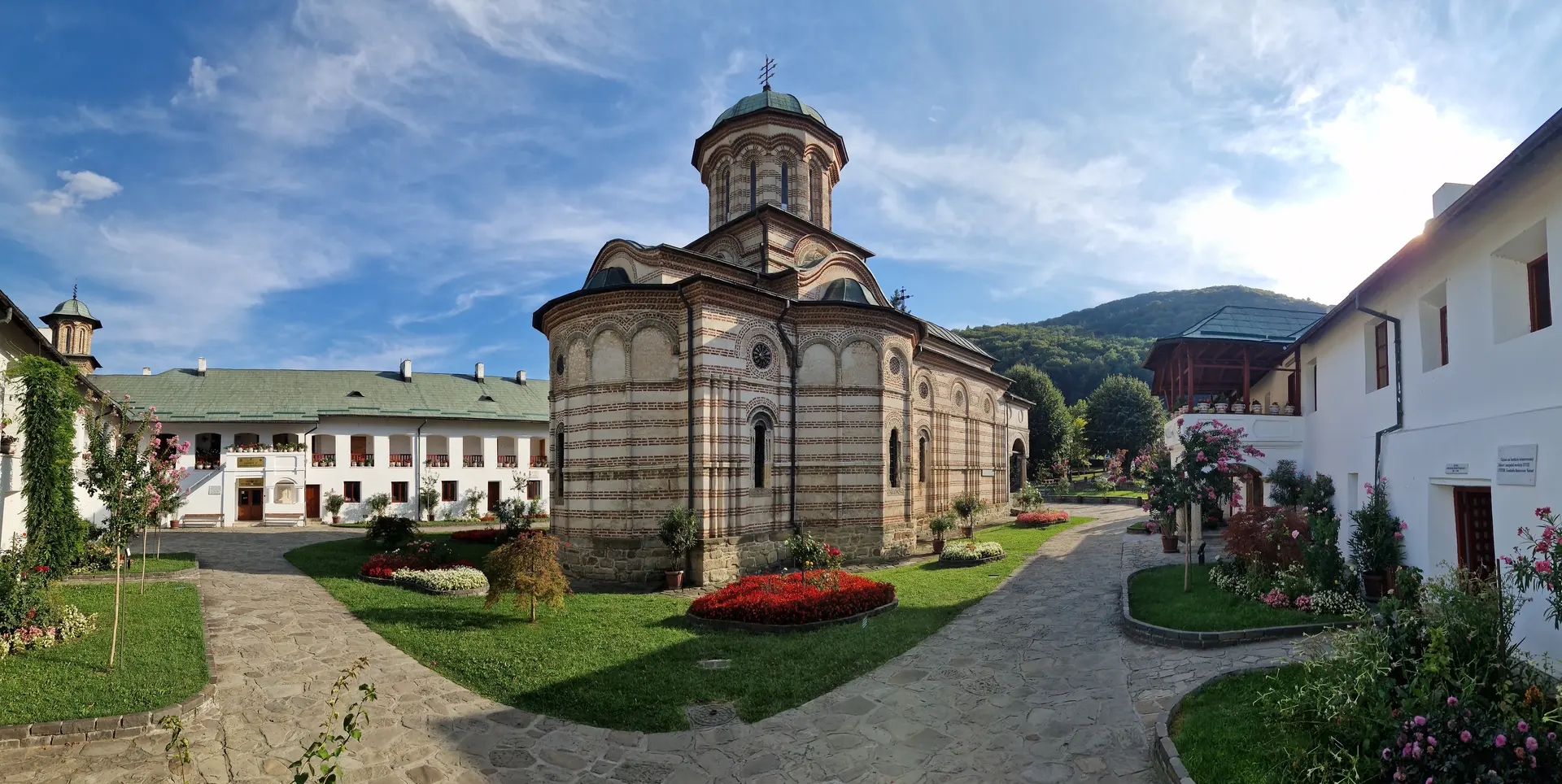
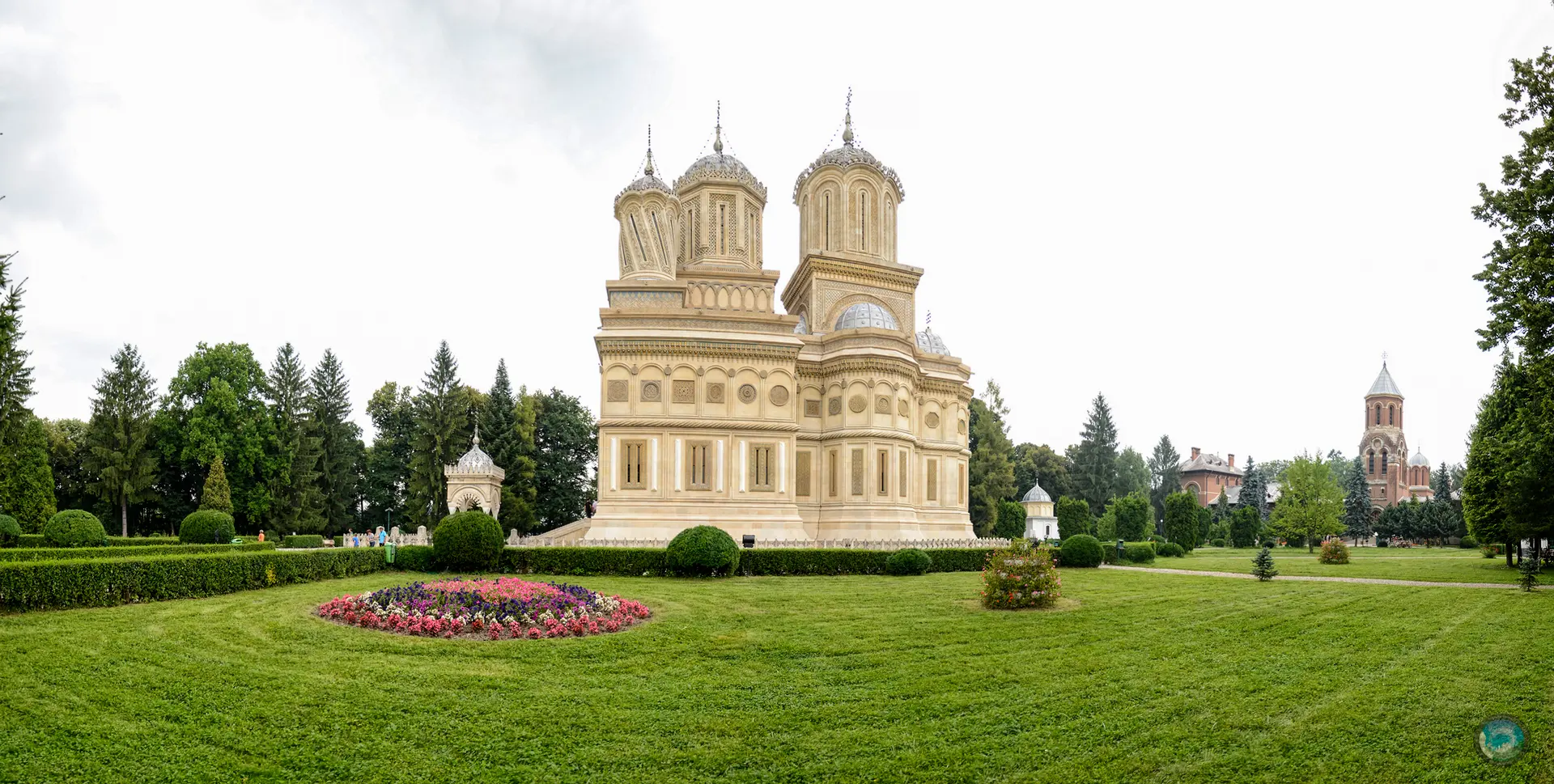
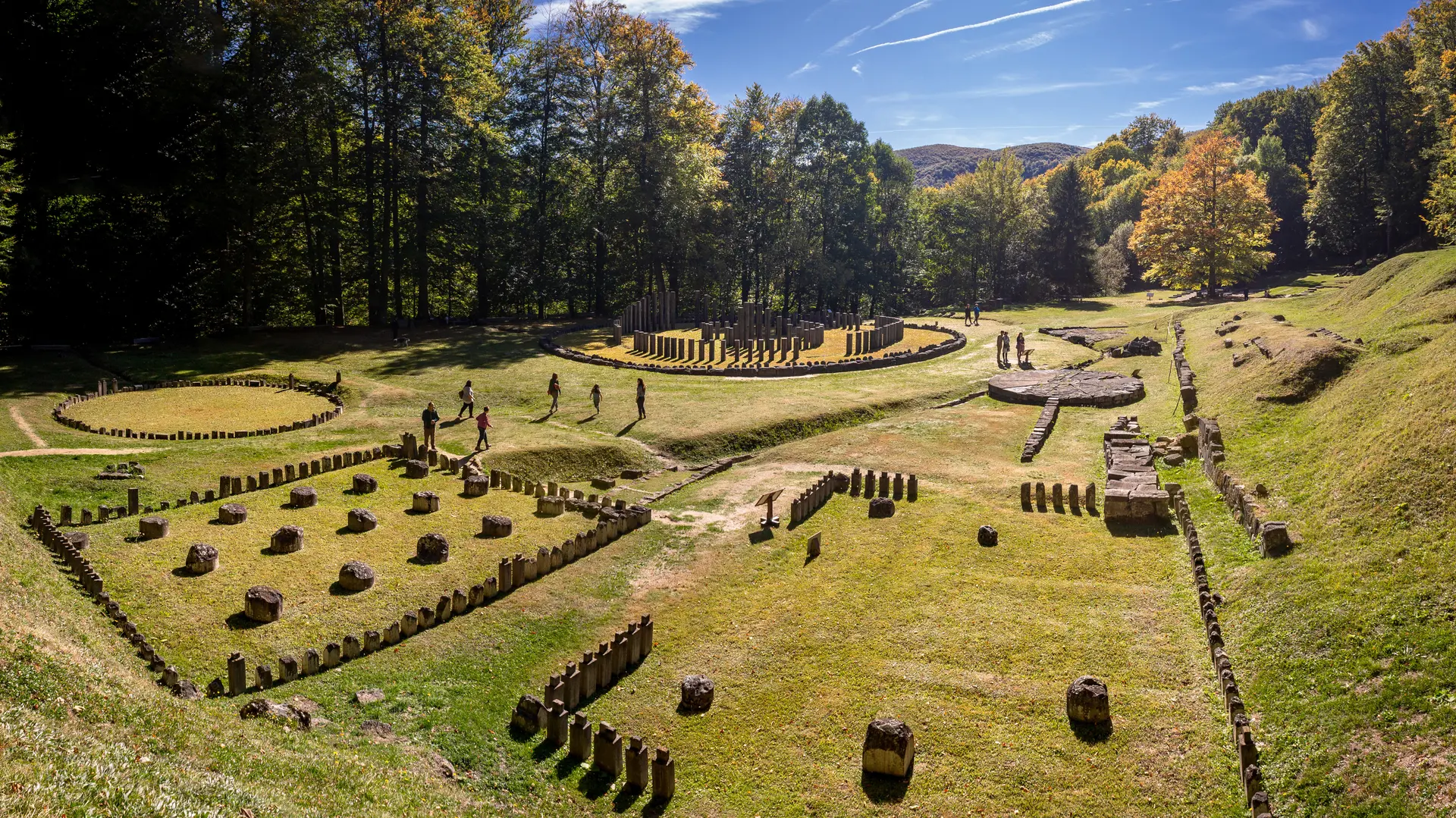
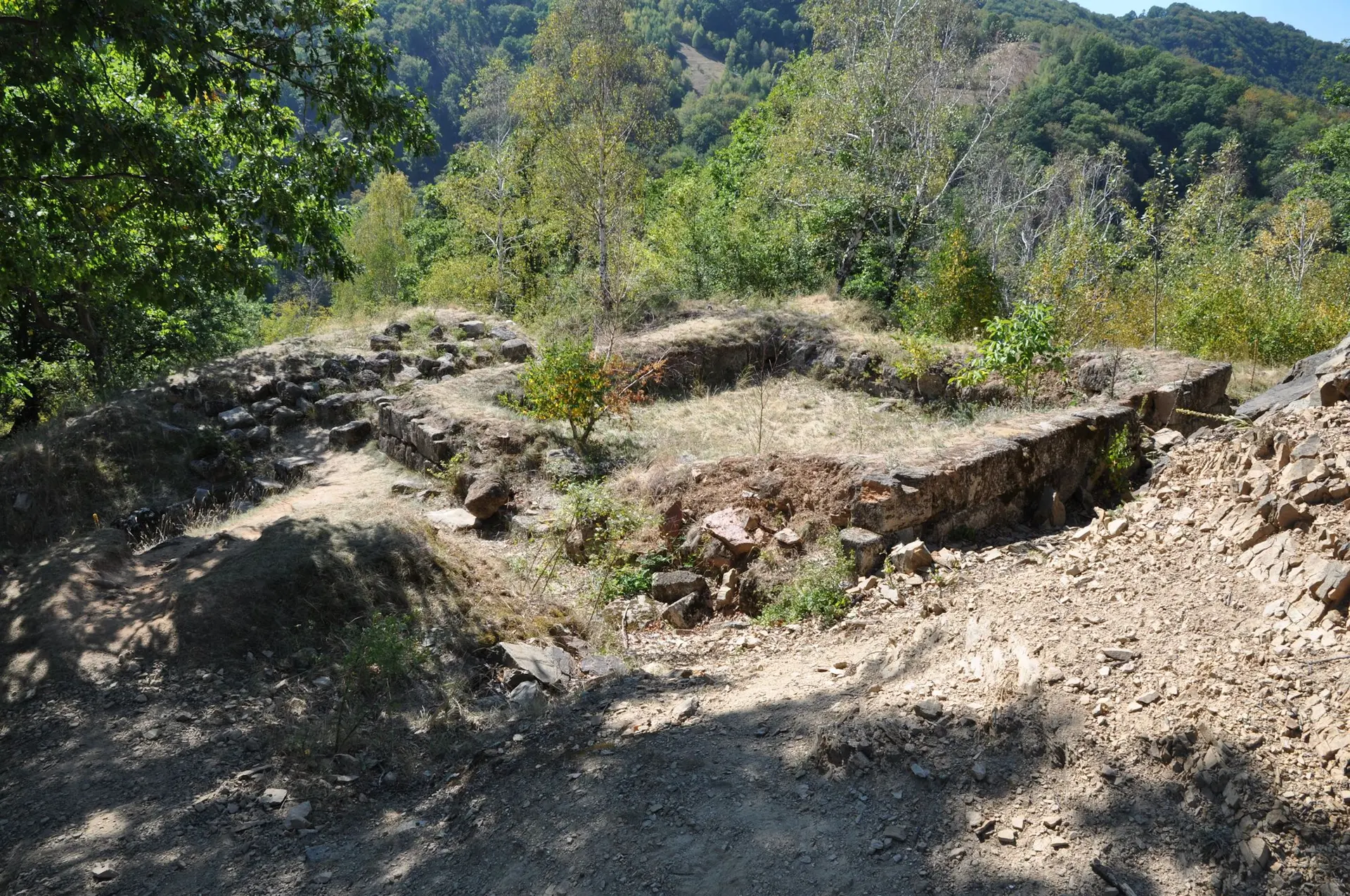
Photo gallery
3 curated photos
Share a photo
Help visitors recognize Hurezi (Horezu) Monastery. Every submission is reviewed before publication.