Cotoca, Santuario de la Virgen de Cotoca
Where a carved Virgin emerged from a hollow tree, and three hundred thousand pilgrims still walk through the night to find her
Understand sacred places, explore living traditions, and learn how to engage respectfully with Pilgrim Map.
Access has not been verified. Check current local guidance before planning a visit.
Cotoca, Santa Cruz, Bolivia
Read the sources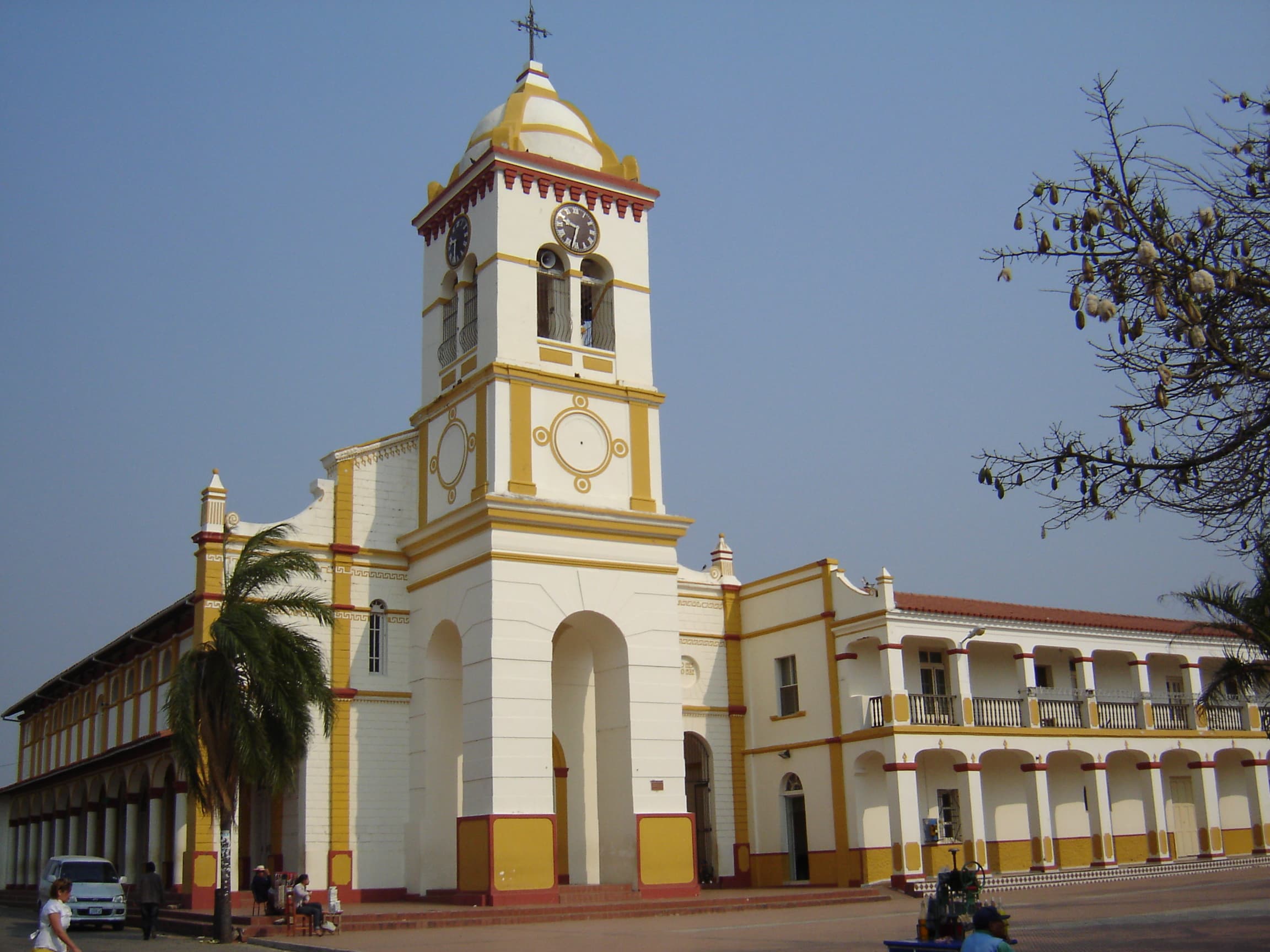
Image of Cotoca, Santuario de la Virgen de Cotoca. Image source · CC-BY-SA-4.0
Visit essentials
A quick read before you go
- Duration
- One to two hours for a standard sanctuary visit outside the feast period.
- Access
- Micro and trufi buses depart from Mercado Los Pozos in Santa Cruz, with fares around Bs 5-6 and…
Overview
The walking begins after dark. From neighborhoods across Santa Cruz de la Sierra, from bus stations where travelers have arrived from the highlands and the Chaco, from homes where promises made in hospital rooms or during desperate prayers are about to be fulfilled, people step onto the road to Cotoca. Twenty kilometers of pavement stretch ahead, shimmering with heat even at night. They walk in families, in church groups, in solitary silence. Some carry candles. Some carry children.
Some will crawl the final stretch on their hands and knees.
By dawn on December 8, the Feast of the Immaculate Conception, over three hundred thousand people will have converged on a colonial-style sanctuary in a town of potters and pastry makers. They come for a small carved wooden statue, polychrome and crowned with jewels, draped in a sky-blue mantle bearing the coat of arms of Bolivia. She is the Virgen de Cotoca, the Mamita de Cotoca, the patroness of the entire Bolivian East.
Her story begins in the jungle. Around 1767, two mulatto workers falsely accused of murder fled into the forest with their families. In their terror and desperation, they found a carved image of the Virgin Mary hidden inside the hollow trunk of a tree. They prayed. At that same hour, according to the tradition, the true murderer confessed his crime.
Innocence established by miracle, the statue became the center of a devotion that has only grown across two and a half centuries.
What draws the faithful is not the history alone but something less easily named. The Mamita de Cotoca is not a distant patroness. She is the mother who appeared among the accused and the outcast, who revealed herself not in a cathedral but in the wild interior of a tree. The pilgrims who walk through the night are not simply commemorating an old discovery.
They are enacting a relationship with a presence they experience as alive, as listening, as capable of answering the prayers they carry in their exhausted bodies.
Why this place is sacred
A statue found inside a tree. The image is striking in its simplicity and its strangeness. Whoever carved this small polychrome figure of the Immaculate Conception in the mid-eighteenth century could not have predicted where it would end up or what it would become. How it came to rest inside the hollow trunk of a tree near Cotoca remains genuinely unknown.
The discovery itself, wrapped in a narrative of false accusation and miraculous vindication, established from the very beginning that this was a Virgin who sided with the powerless.
The Church recognized the devotion's potency early. In 1799, a first chapel was authorized and blessed, its roof thatched with palm. By December 15, 1800, the first Mass was celebrated. The shrine grew as the devotion grew, each generation adding its own layer of prayer and renovation to what the previous generation had built. Dominican priests eventually assumed custodianship, providing the sacramental continuity that anchors the site within the institutional Church.
But it is the pilgrimage itself that generates the site's spiritual gravity. Three hundred thousand people do not walk twenty kilometers through a subtropical night because they have been instructed to. They walk because something draws them. The accumulated weight of their journeys, repeated annually for over two centuries, has created what might be called a riverbed of devotion, a channel worn deep by the passage of countless prayers.
Each pilgrim who arrives at dawn, knees aching, candle in hand, adds to this accumulated force.
In 2003, the Bolivian government formally recognized what the faithful had known for generations, declaring the Festivity of the Virgen de Cotoca as Cultural and Religious Heritage of Bolivia. The declaration acknowledged what no law could create: that this site and its annual pilgrimage had become inseparable from the identity of the Cruceño people and the eastern Bolivian lowlands.
The shrine was established to house a carved wooden image of the Virgin Mary believed to have been miraculously discovered inside a tree trunk. From its earliest days, the site served as a place where the faithful could seek the Virgin's intercession, give thanks for miracles received, and participate in the communal devotion that grew around the statue. The first chapel, authorized in 1799, was a direct response to the continuing miracles attributed to the image.
From a palm-roofed chapel blessed in 1799 to a colonial-style sanctuary on Cotoca's central plaza, the site has grown in step with the devotion it houses. The first Mass was celebrated on December 15, 1800. Over the following centuries, the sanctuary was expanded and renovated under the custodianship of Dominican priests. The venerated statue was adorned with golden jewelry and a bejeweled crown, and dressed in a mantle bearing the insignia of both Bolivia and the Archdiocese of Santa Cruz.
The annual pilgrimage grew from a local observance to a regional phenomenon drawing hundreds of thousands, and the eight-day feast celebration became the defining cultural event of the Bolivian East.
Experience and orientation
The experience of Cotoca is inseparable from the walk. The romeria begins in the evening, as pilgrims depart Santa Cruz on foot. The road is flat but long, the air warm and humid even after dark. You walk among thousands. Conversations rise and fall. Families share food. Strangers become companions. The sound of prayers mingles with traffic and the distant thump of music from the vendors who line the route. Hours pass. Your feet ache. The road continues.
Then the lights of Cotoca appear. The energy shifts. Some pilgrims begin to sing. Others fall silent. At the sanctuary, thousands of candles create a warm, flickering glow that transforms the colonial facade into something almost otherworldly. The crowd thickens. You enter the temple, perhaps on your knees if you have made that promise. Inside, the small carved figure of the Mamita waits, golden and jeweled, her sky-blue mantle catching the candlelight.
Pilgrims describe the moment of approaching the statue as the culmination of everything they have carried through the night: their physical tiredness, their prayers, their promises, their hopes. Some weep. Some simply stand, emptied out by the walk, finally present. The collective energy of hundreds of thousands of people converging on this single point creates an atmosphere that even casual visitors describe as overwhelming.
By morning, the feast transforms into celebration. Music fills the streets. The scent of fresh pastries drifts from the bakeries for which Cotoca is famous. Local women display handmade pottery along the sidewalks, continuing a ceramic tradition that has defined the town for generations. The sacred and the festive merge seamlessly, as they have here for over two centuries.
If you come during the December 8 feast, consider walking at least part of the route from Santa Cruz. The physical engagement transforms the visit from observation to participation. You need not walk the entire twenty kilometers; many pilgrims join the route at various points.
If you come outside the feast period, you will find a quieter sanctuary where the accumulated devotion of centuries is palpable in the stillness. Sit in the church. Look at the statue. Notice the candles, the flowers, the quiet prayers of those who come throughout the year.
Either way, spend time in the town itself. Buy pottery from the local artisans. Try the pastries. Cotoca is not merely a setting for the sanctuary; it is a community whose identity is woven through with the Virgin's presence.
Context and lineage
Around 1767, in the countryside near the small town of Cotoca in what is now Bolivia's Santa Cruz Department, two mulatto field workers were falsely accused by their employer of murdering his foreman. Facing punishment for a crime they did not commit, the men fled with their families into the surrounding jungle.
In their desperate flight, they came upon a hollow tree trunk and discovered inside it a beautifully carved wooden statue of the Virgin Mary, rendered in polychrome as the Immaculate Conception.
The men were devout Christians. They knelt and prayed, begging the Virgin to intercede and reveal their innocence. According to the tradition, at that very same hour, the actual murderer was seized by conscience and confessed to the crime. The falsely accused men were cleared, and the statue they had found became the object of immediate and growing veneration.
An alternate version of the legend describes lumbermen discovering the image while attempting to fell a tree, or fugitive campesinos seeing a mysterious radiance emanating from within a tree trunk on the night of December 15. In all versions, the core elements persist: a sacred image concealed within the living wood, discovered by humble people in a moment of need.
As miracles continued to be attributed to the Virgin's intercession, the Catholic Church authorized the construction of a shrine. A devout individual built the first chapel with a palm-thatch roof, and it was blessed on December 15, 1799. The first Mass was celebrated exactly one year later, on December 15, 1800. From this beginning, the devotion grew into the largest pilgrimage in the Bolivian lowlands.
The devotion has been sustained by the faithful of the Bolivian lowlands for over 225 years, passed from generation to generation as both religious practice and cultural inheritance. Dominican priests have served as custodians of the sanctuary, maintaining its sacramental life and pastoral care.
In 2003, the Bolivian government formally declared the Festivity of the Virgen de Cotoca as Cultural and Religious Heritage of Bolivia, recognizing what had long been understood: that this devotion is inseparable from the identity of eastern Bolivia. The romeria has been described as the tradition that defines the spirit of Santa Cruz.
Virgen de Cotoca (Mamita de Cotoca)
patron
The carved wooden polychrome statue of the Immaculate Conception discovered inside a hollow tree trunk around 1767. Adorned with golden jewelry and a bejeweled crown, wearing a white or sky-blue mantle with gold trim bearing the coat of arms of Bolivia and the Archdiocese of Santa Cruz. She holds a white scapular in her hands. Patroness of the Department of Santa Cruz and the entire Bolivian East.
Traditions and practice
The romeria is the defining act of devotion. Pilgrims walk the 20-23 kilometers from Santa Cruz de la Sierra to Cotoca, typically departing in the evening and walking through the night to arrive at the sanctuary by dawn on December 8. The tradition dates to the eighteenth century and now mobilizes over three hundred thousand people annually. Some pilgrims crawl the final stretch on their hands and knees, fulfilling promises made to the Virgin.
The eight-day feast celebration, known as the octava, runs from December 8 through December 15. Continuous masses are celebrated throughout this period, beginning as early as 02:00 hours to receive pilgrims arriving from the overnight walk. A Central Eucharist at 10:00 on December 8 marks the principal liturgical moment. Processions with songs and traditional dances fill the streets. Thousands of candles illuminate the sanctuary as pilgrims kneel upon entering and approach the Virgin's statue to make their petitions.
The closing of the octava on December 15 brings a second surge of pilgrimage, echoing the date on which the first chapel was blessed in 1799 and the first Mass celebrated in 1800.
Year-round regular worship services are administered by Dominican priests, maintaining the sanctuary as an active place of prayer outside the feast period. Pilgrims visit throughout the year to venerate the statue, light candles, and fulfill promises. The sanctuary continues to function as the spiritual anchor of Cotoca and the broader region.
During the December feast, the town transforms. Temporary food vendors, music stages, and commercial activity create a festival atmosphere that extends well beyond the sanctuary itself. The integration of Cotoca's renowned pottery tradition into the feast experience reflects the seamless connection between sacred observance and cultural identity in this community.
If you participate in the romeria, prepare for a warm, humid walk of several hours. Wear comfortable shoes and carry water. Join the flow of pilgrims rather than rushing; the walk itself is the practice, not merely the means of arrival.
At the sanctuary, observe how others approach the Virgin. Some kneel at the entrance. Some light candles. Some simply stand before the statue in silence. Find the gesture that feels authentic to you.
If you visit outside the feast period, attend a regular worship service if possible. The quieter sanctuary allows a more intimate encounter with the space and the statue that has drawn pilgrims for over two centuries.
Roman Catholic
ActiveThe Virgen de Cotoca is the patron saint of the Department of Santa Cruz and the entire Bolivian East. She is one of Bolivia's most venerated Marian figures. The devotion dates to the late eighteenth century and centers on a carved wooden polychrome statue of the Immaculate Conception discovered inside a tree trunk. The Virgin is affectionately called Mamita de Cotoca by the faithful. In 2003, the Bolivian government formally declared the Festivity of the Virgen de Cotoca as Cultural and Religious Heritage of Bolivia.
Annual eight-day feast celebration (December 8-15) centered on the Feast of the Immaculate Conception. Romeria pilgrimage walk of 20-23 km from Santa Cruz to Cotoca, often undertaken at night. Continuous masses during the feast period beginning as early as 02:00. Veneration of the Virgin's statue. Candle lighting. Kneeling pilgrimage into the temple. Petitionary prayer for miracles and intercession. Processions with songs and traditional dances. Year-round worship administered by Dominican priests.
Perspectives and open questions
The Virgen de Cotoca invites reflection from multiple vantage points: as a pillar of Catholic Marian devotion in the Americas, as a cultural phenomenon that defines an entire region's identity, and as a site where genuine mysteries persist about the statue's origins and the power it continues to exercise over the faithful.
Scholarly perspective
Historians and scholars of religion recognize the Virgen de Cotoca devotion as one of the most significant Marian cult phenomena in the Bolivian lowlands, firmly rooted in eighteenth-century colonial religious culture. The discovery legend, with its narrative of falsely accused marginalized workers finding a sacred image in a natural setting, follows patterns well documented across Latin American Marian traditions.
The Virgin's emergence among the powerless rather than the powerful, and in the wild rather than in an ecclesiastical setting, resonates with broader themes of popular Catholicism in the Americas.
The University of Dayton's International Marian Research Institute includes Cotoca in its scholarly database of global Marian devotions, situating it within the broader constellation of Latin American Marian pilgrimage sites. The 2003 heritage declaration by the Bolivian government reflects official acknowledgment of the devotion's role in shaping regional cultural identity. Academic work on Cotoca's pottery tradition, documented in peer-reviewed publications, demonstrates how sacred and artisanal cultures have developed in tandem over generations.
Living and traditional perspectives
Catholic tradition holds that the Virgin Mary chose to reveal herself in Cotoca through the miraculous discovery of her image inside a tree trunk, and that she continues to intercede for the faithful who seek her protection. The simultaneous confession of the true murderer at the exact hour of the image's discovery is regarded as the founding miracle, establishing from the outset that this is a Virgin who defends the innocent and hears the prayers of the desperate.
The Dominican priests who administer the sanctuary maintain the sacramental life of the site within the institutional Church. For the faithful, the Mamita de Cotoca is not a historical curiosity but a living presence. The pilgrims who walk through the night are not reenacting the past; they are participating in an ongoing relationship with a mother they believe is listening. The devotion represents what Catholic theologians would recognize as an authentic expression of popular Marian piety.
Open questions
Genuine mysteries surround the Virgen de Cotoca. The exact origin of the wooden statue remains unknown: who carved it, where, and how it came to rest inside the hollow trunk of a tree in the Bolivian lowlands. The precise date of the discovery varies across accounts, with some sources citing 1767 and others remaining less specific. Whether the location held any pre-colonial indigenous sacred significance is entirely undocumented.
Perhaps the deepest mystery is the simplest: what draws over three hundred thousand people to walk through a subtropical night, year after year, generation after generation, to visit a small carved figure in a small-town church? The heritage declaration, the scholarly analysis, and the theological interpretation all illuminate aspects of this question. None of them fully answer it.
Plan your visit
Access and arrival
Micro and trufi buses depart from Mercado Los Pozos in Santa Cruz, with fares around Bs 5-6 and a journey of approximately 30-40 minutes. The road from Santa Cruz is paved and in good condition. The traditional pilgrimage route is 20-23 km, typically walked overnight on December 7-8. The sanctuary is located on flat terrain on Cotoca's central plaza.
Cotoca is a small town with limited accommodation options. Most visitors base themselves in Santa Cruz de la Sierra, which offers hotels at all price points. During the December feast, some pilgrims sleep outdoors or in temporary shelters. Arrange accommodation in Santa Cruz well in advance for the feast period.
Respectful visit
Modest dress is expected inside the sanctuary. Shoulders and knees should be covered. During the pilgrimage walk, comfortable walking attire is appropriate, but dress modestly when entering the church.
Photography is generally permitted in and around the sanctuary. Be discreet during services and when photographing worshippers at prayer. During the feast period, the public and festive atmosphere makes photography widely accepted in outdoor areas.
Votive candles are the most common offering and can be purchased near the sanctuary. Pilgrims traditionally bring fulfilled promises (promesas) to the Virgin. Monetary donations support the sanctuary's maintenance.
Maintain reverent behavior inside the sanctuary. Do not obstruct pilgrims or worshippers. Follow instructions from church staff, especially during the crowded feast period. No food or beverages inside the church.
During the December 8-15 feast, crowds are immense and the tropical heat can be intense. Stay hydrated. Be patient with congestion around the sanctuary. Follow instructions from church staff regarding crowd flow. The nocturnal pilgrimage walk takes place on an active road; exercise caution with traffic.
Current practical details
Address
62W3+495, Cotoca, Bolivia
Hours
Hours, fees, and access can change — verify on the official source before you travel. Practical details last checked Jun 2026.
Location
Map loads as you approach this section.
Pilgrim reflections
A portrait of encounter, not a score
Pilgrims describe what they felt, how present they could become, and whether the place would shape a journey. There are no stars and no ranking of traditions.
No reviewed reflections yet
The first pilgrims can help describe the character of being here.
Share a reflection
Available after an account-backed “Been there.” Every reflection is reviewed before publication.
Nearby sacred places
Explore other sacred places in the region. Proximity does not establish access or travel time; check each place’s guidance.
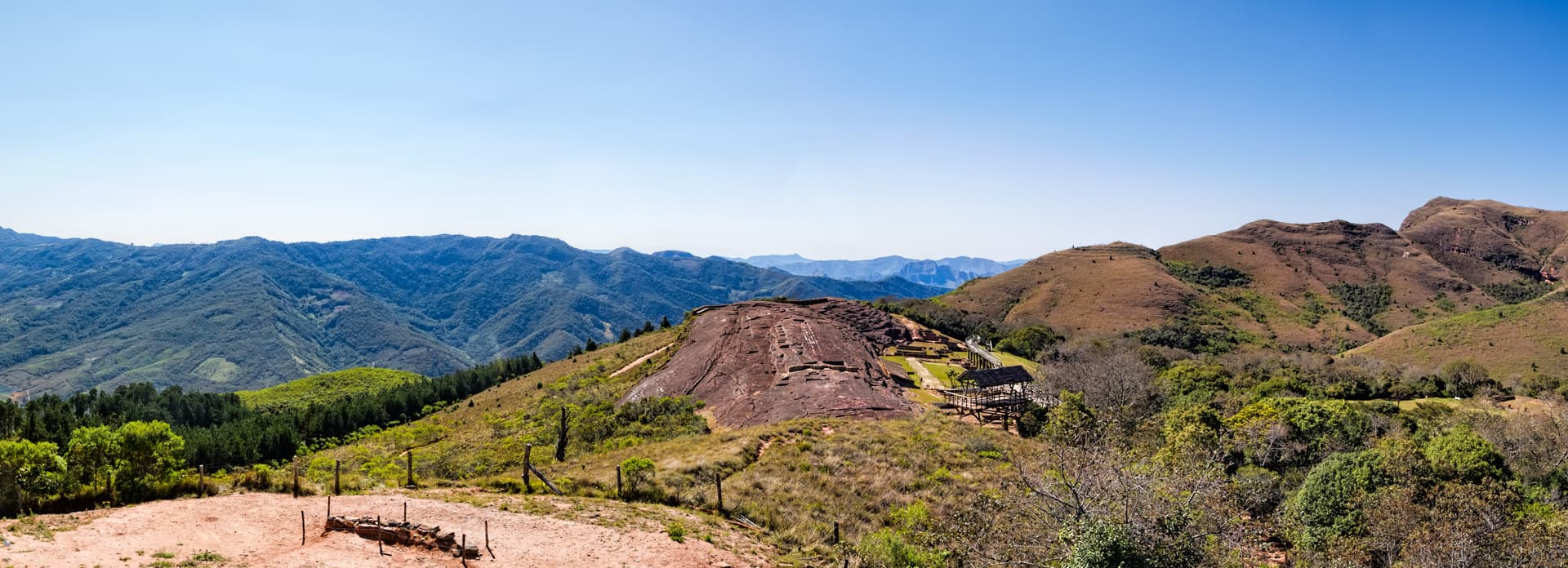
Ruins of El Fuerte ceremonial site, Samaipata
Municipio Samaipata, Santa Cruz, Bolivia
99.1 km away
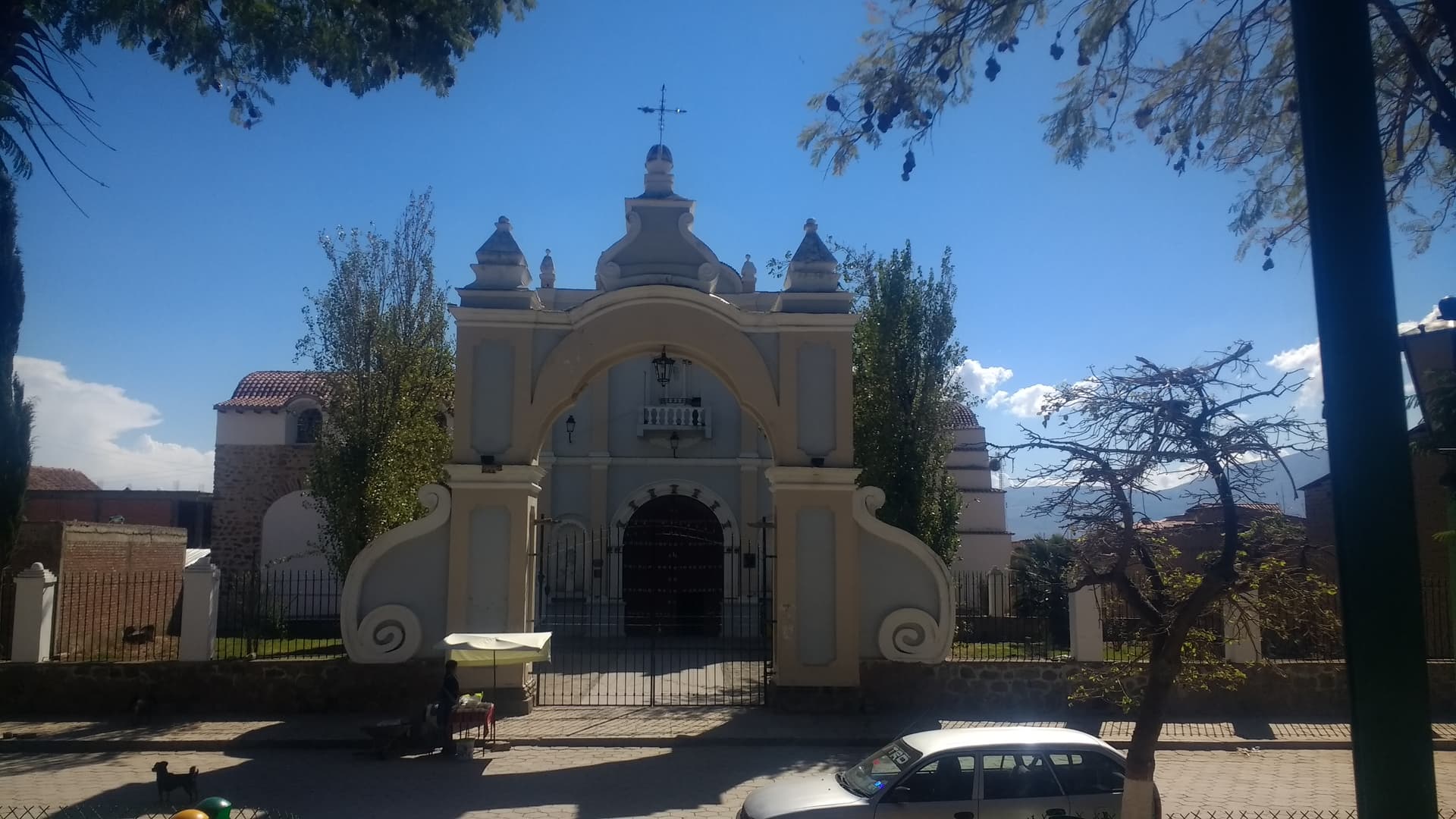
Arani, Church of San Bartolomé, Nuestra Señora La Bella
Municipio Arani, Cochabamba, Bolivia
294.4 km away

Quillacollo, Iglesia de San Ildefonso, Virgen of Urkupina
Quillacollo, Cochabamba, Bolivia
350.5 km away
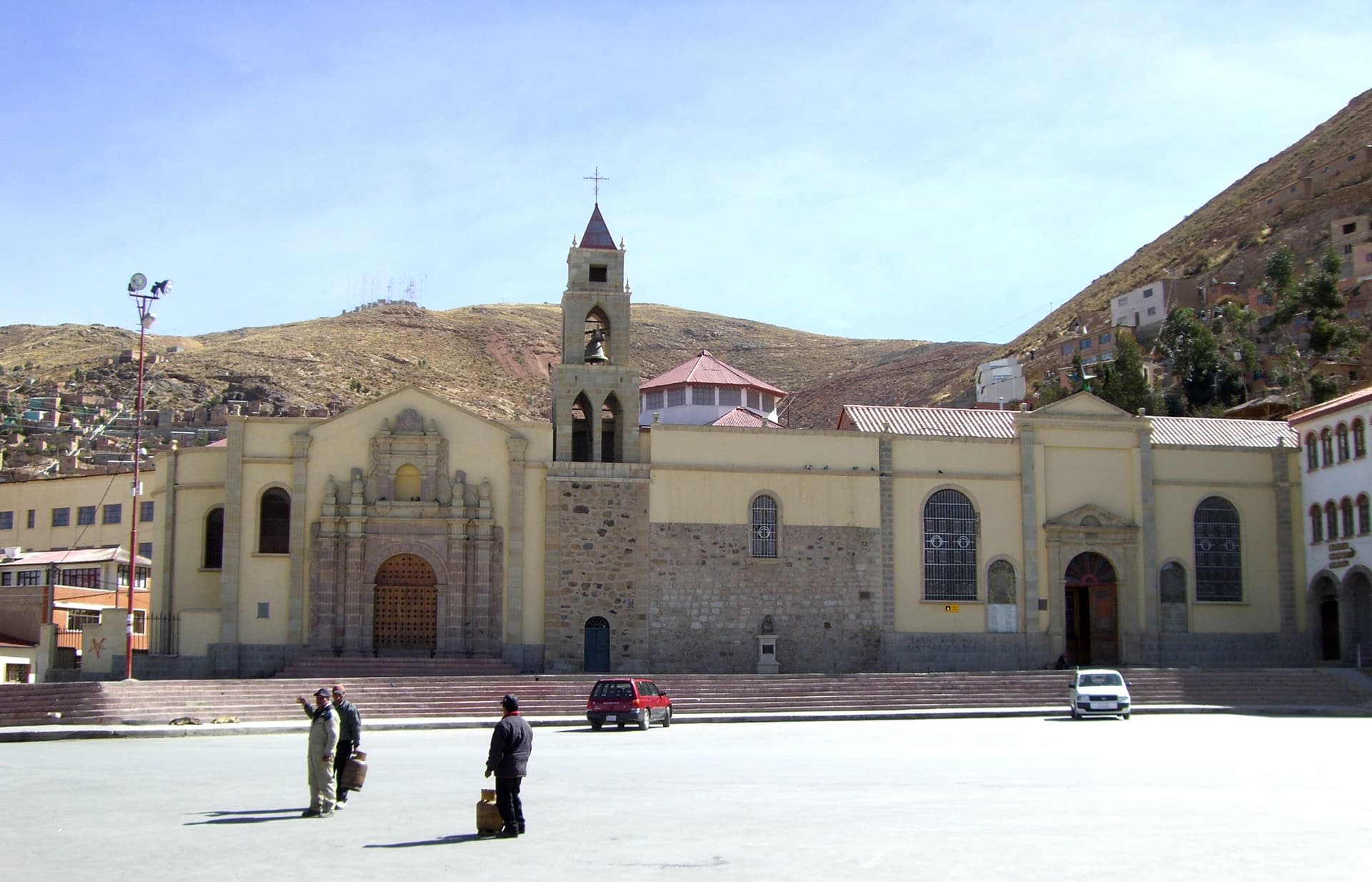
Oruro, Santuario de Virgen de Socavón
Oruro, Oruro, Bolivia
436.9 km away
References
Sources consulted for this page. Source categories describe the publication, not a guarantee that every claim is verified. Traditional accounts and outside interpretations may differ.
- 01Mary APParitions - Virgen de Cotoca — University of Dayton Marian LibraryacademicAcademic resource from the University of Dayton's International Marian Research Institute, a recognized authority on Marian devotion
- 02Declare Is Heritage Cultural And Religious Of Bolivia, The Festivity Of The Virgin Of Cotoca — Government of Bolivia (via Global Regulation)officialMachine translation of official Bolivian law declaring the festivity as cultural and religious heritage
- 03La actividad artesanal con arcilla de Cotoca, 40 años con Artecampo — SciELO BoliviaacademicPeer-reviewed academic article on the 40-year history of Cotoca's pottery tradition
- 04Virgen de Cotoca - Wikipedia — Wikipedia contributorsofficialComprehensive overview with verifiable historical facts about the devotion, feast days, and discovery legend
- 05Breve Historia del Hallazgo de la Virgen de Cotoca — BoliviaBella.comguideDetailed historical account of the discovery of the Virgin's image, with dates and narrative
- 06La Virgen de Cotoca, la figura que mueve a Bolivia — The Tennessee TribuneguideCultural significance and pilgrimage traditions reporting
- 07Virgen de Cotoca – Cotoca, Santa Cruz, Bolivia — Santuario de TorreciudadspiritualMarian gallery entry with devotional and factual details
- 08Bolivia se prepara para celebrar a la Virgen de Cotoca, patrona del oriente — ACI PrensaspiritualCatholic news agency reporting on the celebration
- 09Bolivia: Hundreds of thousands honour the Virgin of Cotoca — Gaudiumpress English EditionspiritualCatholic media coverage of the pilgrimage event
- 10Cotoca, in Santa Cruz Bolivia is known for its December 8th pilgrimage & pottery — BoliviaBella.comguideGeneral travel and cultural guide to the town of Cotoca
- 11Mitos y leyendas en torno a la Virgen de Cotoca — Radio BetaniaspiritualCollection of myths and legends surrounding the Virgen de Cotoca
- 12Cotoca - Guía turística de Santa Cruz, Bolivia — Xplora Santa CruzguideRegional tourism guide with practical visitor information
- 13La romería a Cotoca: un camino de fe, historia y devoción que une a Santa Cruz — El DeberguideMajor Bolivian newspaper coverage of the romería pilgrimage tradition
- 14Santuario de la Virgen María de Cotoca, Cotoca, Santa Cruz, Bolivia — GCatholic.orgofficialCatholic church directory entry with ecclesiastical details
Share a photo
Help visitors recognize Cotoca, Santuario de la Virgen de Cotoca. Every submission is reviewed before publication.