Arani, Church of San Bartolomé, Nuestra Señora La Bella
Where a dark-skinned Virgin unites Spanish devotion and Andean earth in Bolivia's bread-making valley
Understand sacred places, explore living traditions, and learn how to engage respectfully with Pilgrim Map.
Access has not been verified. Check current local guidance before planning a visit.
Municipio Arani, Cochabamba, Bolivia
Read the sources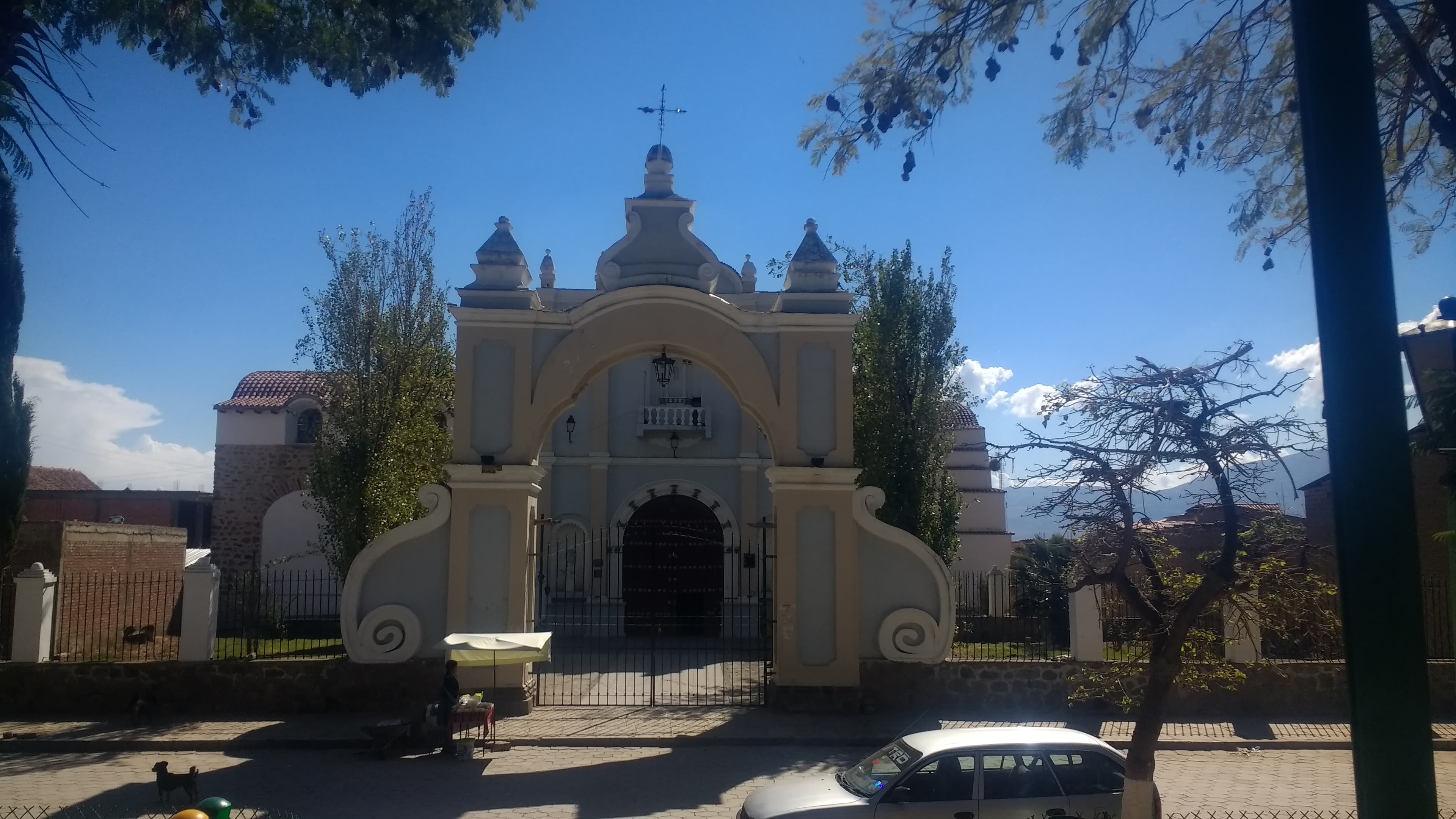
Image of Arani, Church of San Bartolomé, Nuestra Señora La Bella. Image source · CC-BY-SA-4.0
Visit essentials
A quick read before you go
- Duration
- One to three hours for a church visit outside festival time.
- Etiquette
- The church is an active place of worship and the Virgen La Bella is deeply venerated.
Overview
At 2,865 metres in Cochabamba's Valle Alto, about sixty kilometres southeast of the city, Arani is `la tierra del pan y del viento`—land of bread and wind. Wheat sustains generations of bakers making mama qonqachis, chamillos, and empanadas. Augustinian missionaries founded San Bartolomé in 1610 along colonial circuits linking Cochabamba, La Plata, Potosi, and the eastern lowlands.
Its uninterrupted service of over four hundred years brought Bolivia's 1945 National Monument and Colonial Heritage of Cochabamba recognition, then an August 2024 Ministry of Cultures Blue Emblem based on the 1954 Hague Convention. The church holds La Bella, a polychrome wooden Virgin. Tradition traces her to Lepe in southern Spain, where first witnesses exclaimed, `Oh, how beautiful! She is like the one in Heaven! `; devotion arrived with late-sixteenth-century Spanish settlers.
Her dark-skinned maternal, unmistakably indigenous features speak to mestizo Bolivian faith. Whether carried from Spain or locally crafted remains unresolved. She is the Valle Alto's patroness, joining Catholic Marian devotion and Andean reverence for Pachamama, Mother Earth.
Why this place is sacred
Some places become thin through age alone, through the sheer weight of centuries pressing the boundary between worlds ever thinner. The Sanctuary of La Bella achieves its quality through something more specific: the convergence of two spiritual traditions in a single image and a single place.
The Virgin gazes from her altar with indigenous eyes. Spanish devotion gave her a name; Andean spirituality gave her a face. For Quechua-speaking farmers of the Valle Alto, she is inseparable from Pachamama — the Mother Earth who receives seeds and returns sustenance.
When pilgrims petition La Bella for good harvests, for health, for well-being, they are practicing a form of prayer older than the church itself, channeled through a Catholic image that has absorbed four centuries of that dual devotion.
This convergence intensifies each August. During the three-day Fiesta de la Virgen La Bella, thousands of pilgrims arrive from across Bolivia and from as far away as Spain, Chile, Argentina, and the United States. They climb the Calvario hill at dawn, following fourteen stations of the cross. They fill the plaza with the sound of forty folkloric dance fraternities. They share chicha and ponches in communal celebration.
For these days, the boundary between Catholic feast and Andean harvest prayer dissolves entirely.
The bread of Arani participates in this thinness. In a town where wheat and worship have been intertwined for four hundred years, the loaves sold along the streets leading to the plaza are not simply food — they are the yield of the same earth to which pilgrims address their prayers.
Bread, Virgin, earth, and prayer form a single fabric here, and to enter it is to stand at a threshold where the spiritual and the material are not separate things.
Founded in 1610 by Augustinian missionaries as a Catholic parish church and center of colonial evangelization in the Cochabamba Valle Alto.
From colonial mission church to National Monument (1945) to the most important religious sanctuary in the Valle Alto, receiving the Blue Emblem cultural heritage designation in 2024. The devotion to the Virgen La Bella has grown from a transplanted Spanish Marian cult into a syncretic expression of Andean Catholic faith.
Experience and orientation
Arrive in Arani from Cochabamba, an hour's drive through the Valle Alto. The road descends into a broad valley of wheat fields and wide sky — this is the land of bread and wind, and both will greet you.
The town converges on a central plaza where the Church of San Bartolomé stands as it has since 1610. The exterior speaks the language of colonial sobriety — stone walls shaped by Augustinian hands four centuries ago. Enter, and let your eyes find the reason pilgrims come: the image of Nuestra Señora La Bella, a polychrome wooden Virgin whose dark-skinned face bridges continents and centuries.
Stand before her quietly. She has received the prayers of Quechua farmers, colonial administrators, independence-era Bolivians, and modern pilgrims seeking health, harvest, and hope. The layers of devotion are invisible but palpable.
If you have timed your visit for the festival of August 23-25, the experience transforms entirely. On August 23, the Calvario pilgrimage begins at dawn — a procession starting from San Pedro de Sacaba at 5:30 AM, winding through Ranchu Kantu to the church, then ascending the Calvario hill where fourteen crosses mark the Way of the Cross. Walk among the pilgrims. The devotion is quiet and sincere at this hour.
August 24, the feast of San Bartolomé, brings solemn Mass and procession. The Virgin's image moves through the plaza in a river of prayer and incense. August 25 brings the Grand Cacharpaya — the farewell — when more than forty folkloric dance fraternities perform in an explosion of color, music, and movement that is simultaneously Catholic celebration and Andean festival.
Before you leave, buy bread from the vendors along the streets leading to the plaza. Taste the wheat of the valley. In Arani, bread is not separate from devotion.
The church is located on the main plaza of Arani. Enter from the plaza through the main doors. The Calvario hill is accessible from the church on foot.
Context and lineage
The Augustinian order established the Church of San Bartolomé in 1610, during the period of intensive colonial evangelization in the Cochabamba region. Arani — originally called Saqsayjarani by its Quechua-speaking inhabitants — occupied a strategic position on trade routes connecting Cochabamba to La Plata, Potosi, and the eastern lowlands. The church became the most important temple in the Catholic circuit of the Valle Alto.
The devotion to the Virgen La Bella arrived with the earliest Spanish settlers in the late sixteenth century. Its origins lie in Lepe, on the coast of southern Spain, where a wooden sculpture of the Virgin was discovered and elicited the cry, 'Oh, how beautiful! She is like the one in Heaven!' — giving the image its name.
Tradition holds that the image was carried from Spain to Arani, though no written documents confirm this, and the Virgin's distinctly indigenous features have led some to wonder whether she was crafted or modified by local hands.
What is beyond dispute is the devotion's power. Over four centuries, La Bella became the patroness of the entire Valle Alto of Cochabamba, drawing pilgrims from across Bolivia and beyond. The church was declared a National Monument and Colonial Heritage of Cochabamba in 1945. In August 2024, Bolivia's Ministry of Cultures awarded the temple the Blue Emblem — a designation under the 1954 Hague Convention recognizing cultural property deserving protection in times of conflict.
Roman Catholic, founded by the Augustinian order. Continuous use as a parish church and Marian sanctuary since 1610.
Nuestra Señora La Bella (Our Lady The Beautiful)
Patronal image
Traditions and practice
Calvario pilgrimage ascending the hill with fourteen stations of the cross. Traditional salve (evening prayer service) on festival eves. Solemn Mass and procession of the Virgen La Bella image through the main plaza. Petitions to the Virgin for health, agricultural blessings, and well-being.
Three-day Fiesta de la Virgen La Bella (August 23-25): Calvario on August 23, main feast on San Bartolome's day August 24, Grand Cacharpaya farewell with over 40 folkloric dance fraternities on August 25. August 15 Assumption celebration with bonfire, fireworks, sharing of ponches and chicha. Regular parish masses and religious services throughout the year.
Attend the Calvario pilgrimage at dawn on August 23 for the most contemplative experience. Stay through the Grand Cacharpaya on August 25 for the full arc of the festival. Outside festival time, visit the church quietly and spend time before the image of La Bella.
Roman Catholicism (Marian devotion)
ActiveThe church is the Sanctuary of Nuestra Señora La Bella, housing a revered polychrome wooden image of the Virgin Mary that has been the patroness of the Valle Alto for over four centuries. Built by Augustinian priests in 1610, it is the most important temple in the Catholic circuit of the region.
Annual three-day Fiesta de la Virgen La Bella (August 23-25), Calvario pilgrimage with fourteen stations, August 15 Assumption celebration, Grand Cacharpaya with over 40 folkloric dance fraternities, regular parish masses and services.
Andean Catholic syncretism
ActiveThe Virgen La Bella represents a deep interweaving of Spanish Catholic Marian devotion with Andean indigenous spirituality. In Quechua agricultural communities, the Virgin is syncretized with Pachamama, and petitions for harvest blessings reflect pre-colonial traditions of reciprocity with the land.
Sharing of chicha and ponches during festival celebrations, folkloric dance performances blending Catholic and Andean traditions, petitions for agricultural production and harvest blessings, communal bonfire and celebration on festival eves.
Perspectives and open questions
The sanctuary can be understood as a colonial religious monument, as a syncretic masterwork where Spanish and Andean spiritualities converge, or as a living agricultural community's deepest expression of its relationship with the land.
Scholarly perspective
The Church of San Bartolomé is recognized as one of the most important colonial-era Catholic churches in the Cochabamba region, with over 400 years of continuous religious use. The 2024 Blue Emblem designation and the 1945 National Monument declaration confirm its architectural and cultural heritage significance. The Virgen La Bella devotion is understood as an example of the transplantation of Spanish Marian cults to the Americas.
Living and traditional perspectives
In Quechua-speaking communities of the Cochabamba valley, Marian devotion to the Virgen La Bella interweaves with Andean reverence for Pachamama and agricultural fertility. The Virgin's dark-skinned, indigenous-featured image resonates with local identity and the syncretic blending of Catholic and pre-colonial beliefs that characterizes highland Bolivian spirituality.
Alternative interpretations
The colonial church built on ground once called Saqsayjarani raises questions about what sacred traditions preceded the Augustinians — traditions now undocumented but perhaps still present in the syncretic devotions that make La Bella so distinctive.
Open questions
The exact origin and maker of the Virgen La Bella image remain uncertain — tradition asserts she was brought from Spain, but no documentary evidence exists, and her indigenous features suggest possible local craftsmanship or modification. The pre-colonial sacred significance of the Arani site before the arrival of the Augustinians is undocumented.
Plan your visit
Access and arrival
Arani is a small town; accommodations are limited. Cochabamba, one hour away, offers a full range of lodging. During the August festival, plan transportation carefully as roads may be congested.
Respectful visit
Modest, respectful clothing appropriate for an active Catholic church. Cover shoulders and knees when entering the sanctuary.
Likely permitted in exterior and plaza areas during festivals. Exercise respectful restraint inside the church, particularly during services. Specific restrictions have not been confirmed.
Candles and prayers to the Virgen La Bella are customary. During festivals, sharing of food and drink — chicha, ponches — is part of the communal celebration and an act of reciprocity.
Respect active worship services. The Virgen La Bella image is deeply sacred and should be treated with reverence at all times.
The August festival draws approximately 5,000 visitors — plan transportation and any accommodations in advance. Arani is a small town with limited tourist infrastructure outside festival periods.
Current practical details
Address
C6GJ+QGM, Arani, Bolivia
Hours, fees, and access can change — verify on the official source before you travel. Practical details last checked Jun 2026.
Location
Map loads as you approach this section.
Pilgrim reflections
A portrait of encounter, not a score
Pilgrims describe what they felt, how present they could become, and whether the place would shape a journey. There are no stars and no ranking of traditions.
No reviewed reflections yet
The first pilgrims can help describe the character of being here.
Share a reflection
Available after an account-backed “Been there.” Every reflection is reviewed before publication.
Nearby sacred places
Explore other sacred places in the region. Proximity does not establish access or travel time; check each place’s guidance.

Quillacollo, Iglesia de San Ildefonso, Virgen of Urkupina
Quillacollo, Cochabamba, Bolivia
57.7 km away
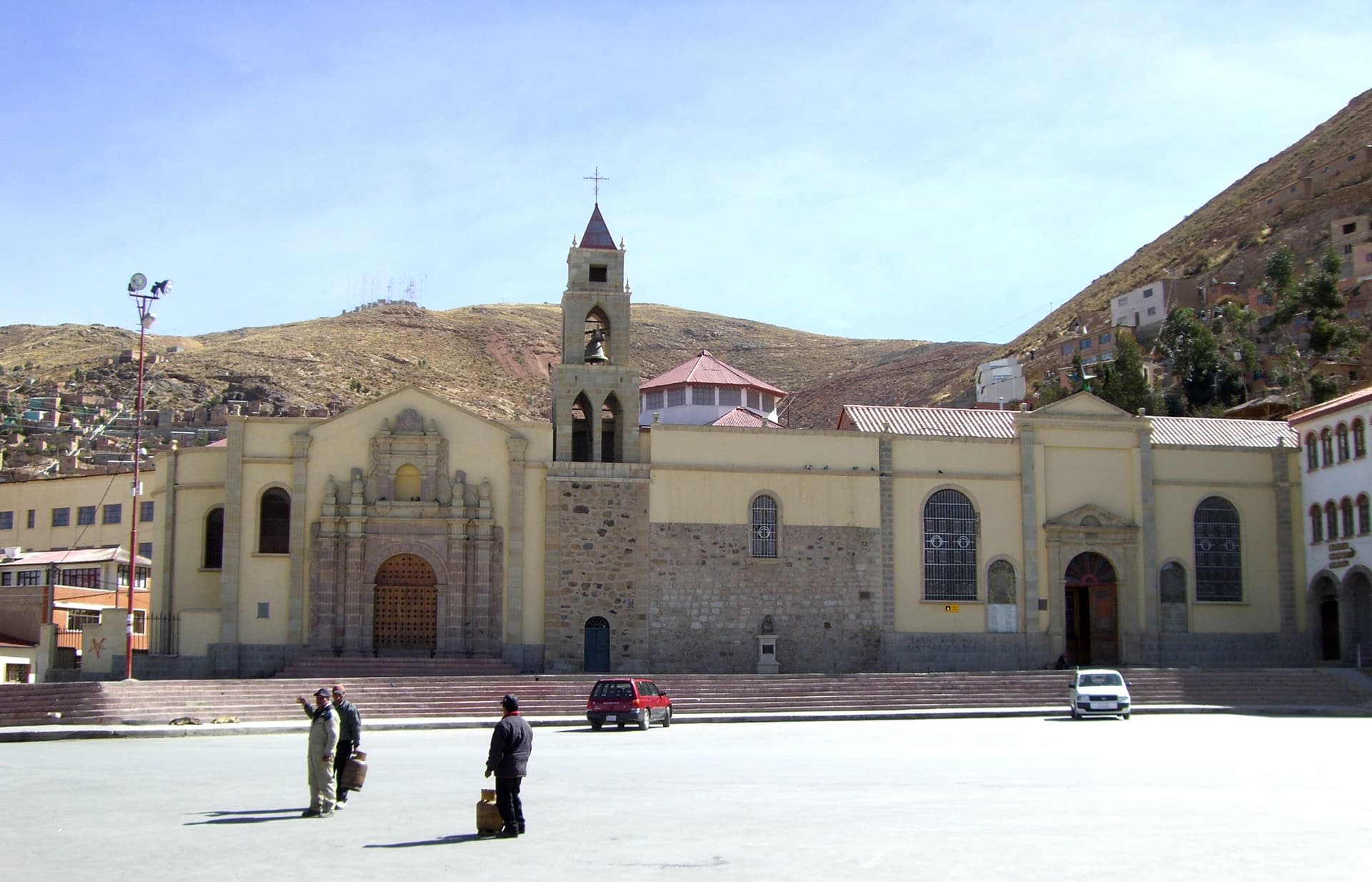
Oruro, Santuario de Virgen de Socavón
Oruro, Oruro, Bolivia
149.5 km away
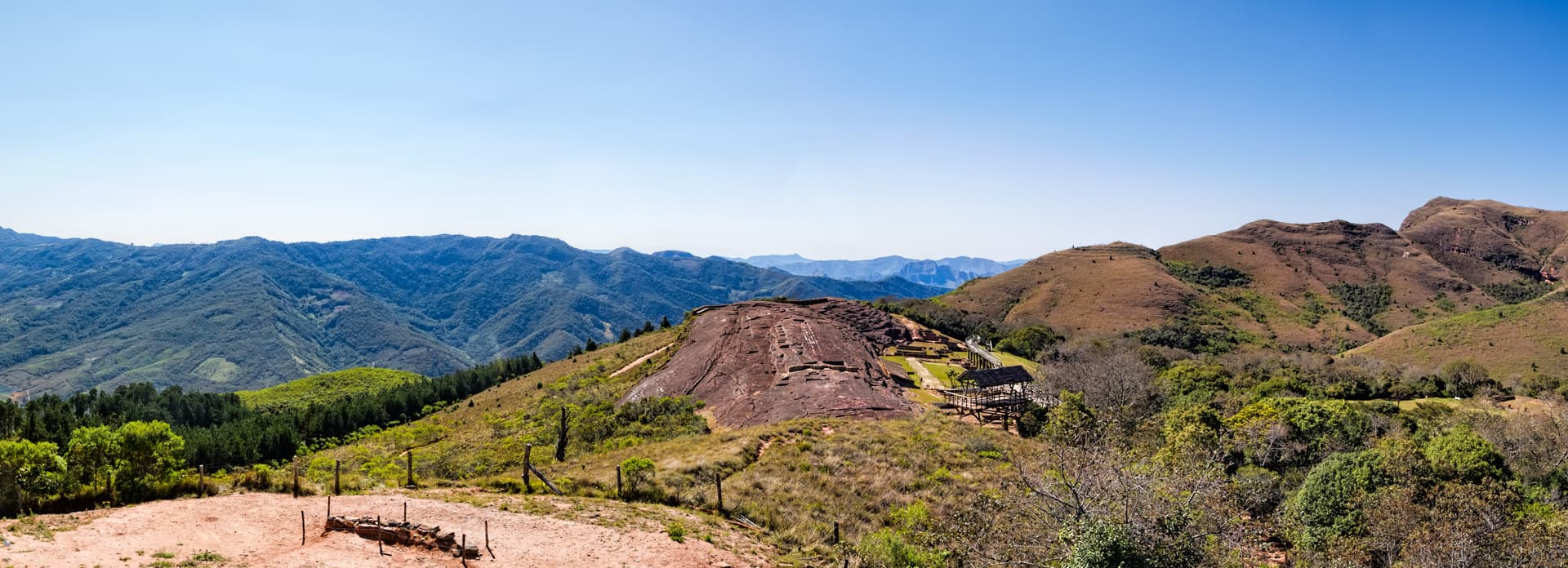
Ruins of El Fuerte ceremonial site, Samaipata
Municipio Samaipata, Santa Cruz, Bolivia
216.9 km away

Illimani
La Paz, Bolivia
238.9 km away
References
Sources consulted for this page. Source categories describe the publication, not a guarantee that every claim is verified. Traditional accounts and outside interpretations may differ.
- 01El Templo de San Bartolomé de Arani recibe la distinción de Emblema Azul - Ministerio de Culturas Bolivia — Ministerio de Culturas de BoliviaofficialOfficial government announcement of the Blue Emblem designation in August 2024
- 02Entregan Emblema Azul al templo San Bartolomé de Arani - ABI — Agencia Boliviana de InformaciónofficialBolivian state news agency reporting on the Blue Emblem recognition
- 03Iglesia de San Bartolomé (Arani) - WikipediaofficialSpanish-language Wikipedia article on the church
- 04Virgen La Bella - WikipediaofficialSpanish-language Wikipedia article on the Virgen La Bella devotion, covering origin in Lepe, Spain and arrival in Arani
- 05Dan el Emblema Azul al templo San Bartolomé de Arani por su valor patrimonial - OpiniónguideBolivian newspaper reporting on the Blue Emblem recognition and 400-year history
- 06Arani celebra a la Virgen La Bella; esperan a miles en 3 días de fiesta - Opiniónguide2024 newspaper article detailing the three-day festival structure and expected attendance
- 07Fiesta de la Virgen La Bella de Arani - Los TiemposguideMajor Bolivian newspaper coverage of the festival ceremonies and Calvario pilgrimage
- 08La fiesta religiosa de la Virgen La Bella de Arani es la más importante del valle alto y Sacaba - INFODECOMguideRegional news source describing the festival as the most important religious celebration of the Valle Alto
- 09Arani - Cochabamba BoliviaguideRegional tourism guide with location details, church founding date (1610), and visitor information
- 10ARANI encantada la tierra del pan y de la Virgen bella - Sabores de BoliviaguideCultural blog covering Arani's bread traditions and Virgen La Bella connection
Photo gallery
3 curated photos
Share a photo
Help visitors recognize Arani, Church of San Bartolomé, Nuestra Señora La Bella. Every submission is reviewed before publication.