Church of St Frideswide, Oxford, England
Where Oxford's patron saint rests in the college that became a cathedral
Understand sacred places, explore living traditions, and learn how to engage respectfully with Pilgrim Map.
Access has not been verified. Check current local guidance before planning a visit.
Oxford, England, United Kingdom
Read the sources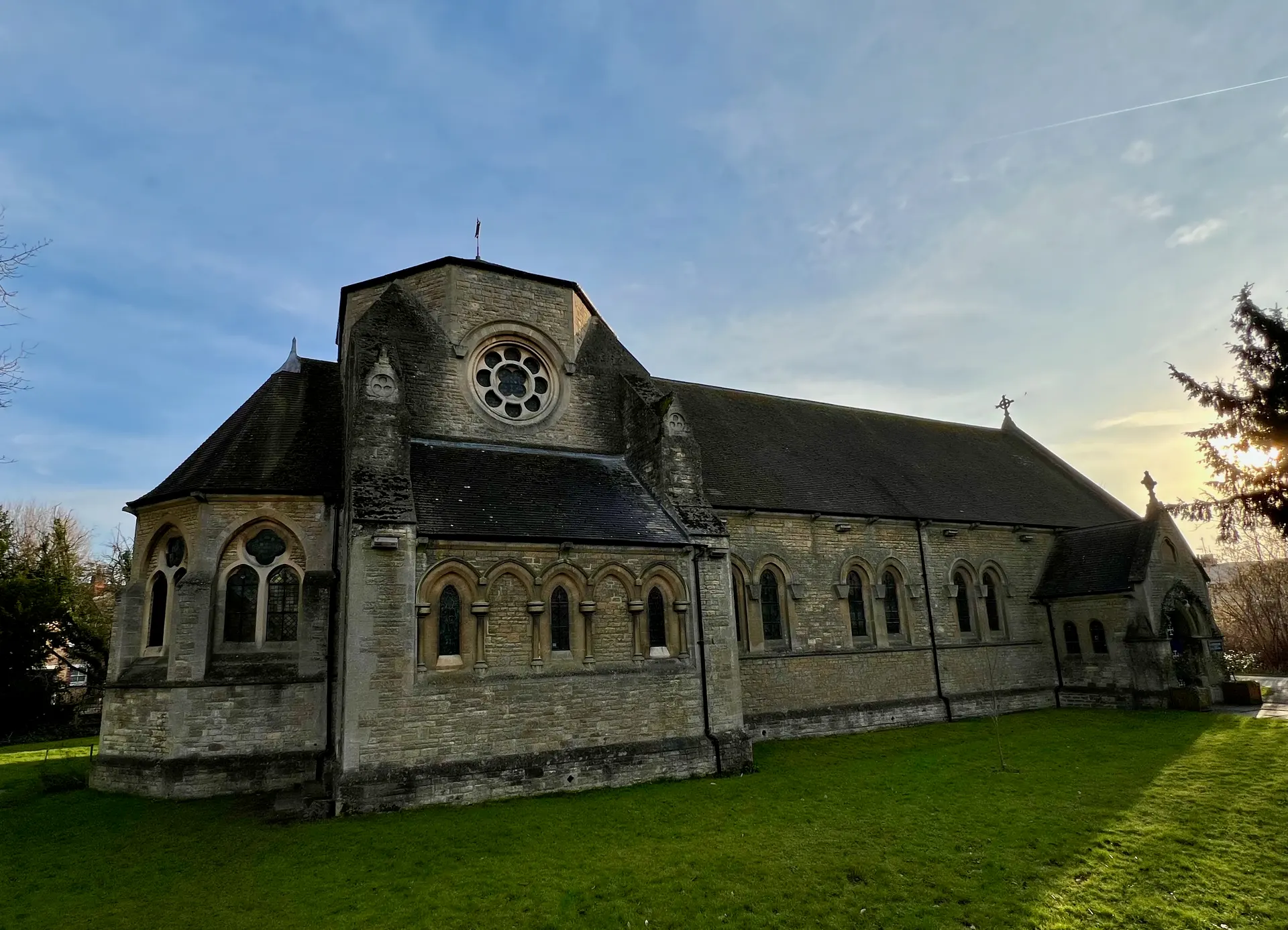
Image of Church of St Frideswide, Oxford, England. Image source · CC0
Visit essentials
A quick read before you go
- Duration
- 1-2 hours to include cathedral features
- Etiquette
- Active cathedral within a working college.
Overview
Oxford began with Frideswide, daughter of a Mercian sub-king, who founded a monastery around 680 CE where the Thames and Cherwell meet. The settlement became a city and the monastery a cathedral. When she died in 727, after escaping a pursuing prince whom her hagiography says was struck blind at Oxford's gates, she was buried here; the ground has remained sacred for 1,300 years.
Catherine of Aragon prayed at the medieval shrine for a son she would never have. Destroyed in 1538, its fragments lined a well until discoveries in the 1870s and 1985 enabled the reconstruction installed in 2002. Behind it, Edward Burne-Jones's early major window of 1858–1860 narrates Frideswide's life in 16 Pre-Raphaelite scenes, joining medieval devotion to Victorian artistry. Christ Church Cathedral is both college chapel and seat of the Diocese of Oxford, shared by students and pilgrims.
Frideswide's October 19 feast is now Oxfordshire Day, honoring the patron saint of Oxford and its university.
Why this place is sacred
What creates the particular atmosphere of St Frideswide's shrine? The space is small—an intimate chapel within a cathedral that is itself modest by English standards. But the concentration of meaning exceeds the physical scale. Frideswide founded Oxford. Before there were colleges, before there was a university, before there was a city, there was her monastery. She chose this place where two rivers meet, and everything that Oxford became grew from that choice. The medieval shrine drew pilgrims for healing.
Catherine of Aragon came here in 1518, praying for a son; she left without one, and the chain of events that followed would reshape English Christianity. Twenty years later, the commissioners of her husband's new church destroyed the shrine they had once both venerated. The fragments were used as rubble to line a well—sacred stone treated as waste. But the ground remembered. Fragments discovered in the 1870s and 1985 allowed reconstruction.
The shrine installed in 2002 is not the original, but it occupies the original site, holds original stones, continues original devotion. The Burne-Jones window adds another layer. Created when the artist was young, before his fame, it represents one of the finest Pre-Raphaelite treatments of a saint's life. The 16 panels tell Frideswide's story with characteristic intensity—her flight from the pursuing prince, his blindness at the gates, her death among her sisters.
The window and shrine together create a space where seventh-century holiness meets Victorian artistry, where medieval pilgrimage meets modern devotion.
St Frideswide's monastery, founded c. 680 CE, was the first religious foundation in Oxford. The shrine created in 1289 for her relics became a major pilgrimage destination.
Monastery founded c. 680 CE. Rebuilt as Augustinian priory 1122. Shrine created 1289 in Purbeck marble. Shrine destroyed 1538, bones scattered. Henry VIII combined priory with Christ Church College 1546. Burne-Jones window installed 1858-1860. Shrine fragments discovered 1870s and 1985. Reconstruction installed 2002. Archbishop Henry Chichele declared Frideswide patron saint of Oxford and the university in 1440.
Experience and orientation
The approach to St Frideswide's shrine requires passing through Christ Church College. You enter beneath Tom Tower, Christopher Wren's addition housing Great Tom, the bell that still tolls 101 times each night at 9:05. Tom Quad opens before you, England's largest quadrangle, and somewhere in its expanse you must find your way to the cathedral tucked into the corner. The cathedral itself surprises with its modest scale.
This is not one of England's vast medieval cathedrals but something more intimate—a church that serves as both college chapel and diocesan seat. The Norman origins show in the heavy arches and round pillars of the nave. But you are looking for the Latin Chapel. Turn east beyond the choir, into the retrochoir, and the Latin Chapel opens to the south.
The reconstructed shrine stands against the wall, a canopied structure of limestone and Purbeck marble fragments reassembled from what survived destruction. Medieval stonework meets modern conservation. Behind the shrine, the Burne-Jones window fills the wall with light. Sixteen panels arranged in a grid tell Frideswide's story: her birth to royal parents, her founding of the monastery, the prince who pursued her, her flight and hiding, his blindness at the gates, his repentance and restoration, her death among her community.
The Pre-Raphaelite style gives the scenes luminous intensity—rich colors, flowing forms, faces that seem to glow from within. The window transforms the chapel into a narrative space. The shrine and window together create a meditation on persistence. The saint's bones are scattered, their location unknown. The original shrine is destroyed. But the place remains sacred, and pilgrims still come—some walking St Frideswide's Way from here toward Canterbury and eventually Santiago, others simply seeking the woman who founded Oxford.
Enter Christ Church College via the main entrance on St Aldate's. Cross Tom Quad to the cathedral entrance. Inside, the Latin Chapel is in the retrochoir, south of the high altar. The shrine is against the south wall; the Burne-Jones window fills the east wall of the chapel.
Context and lineage
Frideswide was born around 650 CE, daughter of Dida, a sub-king under the Mercian kings. According to her hagiography, she founded a monastery in Oxford around 680, in the place where the Thames and Cherwell rivers meet. A prince named Algar—some versions name him the king of Leicester—sought to marry her. She refused, having dedicated herself to religious life. When he pursued her, she fled, hiding in woods near Binsey. As Algar approached Oxford's gates, he was struck blind.
Only after his repentance and Frideswide's prayers was his sight restored. She died on October 19, 727, and was buried in her monastery. Her cult grew slowly until 1180, when her remains were translated to a new shrine. The elaborately carved shrine of 1289—limestone and Purbeck marble with a canopy—drew pilgrims seeking healing. In 1518, Catherine of Aragon prayed at the shrine for a son. Twenty years later, the commissioners of Henry VIII's new Church of England destroyed it.
The fragments were used as rubble in a well. Frideswide's bones were scattered, possibly mixed with those of Katherine Dammartin, a former nun who had married a reformer. The cathedral itself survived, absorbed into Henry VIII's new Christ Church foundation. The fragments discovered in the 1870s and more found in 1985 allowed the reconstruction unveiled in 2002.
St Frideswide's shrine represents the Anglo-Saxon foundation of English Christianity overlaid with Victorian Pre-Raphaelite devotion. The church connects to the Augustinian tradition through its priory period (1122-1538) and to Anglican cathedral tradition since 1546. The reconstructed shrine links modern pilgrimage to medieval practice.
St Frideswide
Catherine of Aragon
Edward Burne-Jones
Archbishop Henry Chichele
Henry VIII
Traditions and practice
Medieval pilgrims approached the shrine seeking healing. The translation of Frideswide's relics in 1180 and the creation of the elaborate 1289 shrine were major events. The well at Binsey—St Margaret's Church—associated with Frideswide's miracles, was a secondary pilgrimage site. The feast of St Frideswide on October 19 was observed throughout the medieval period.
Daily services in Christ Church Cathedral including Evensong. The feast of St Frideswide is celebrated annually on or near October 19, which is also observed as Oxfordshire Day. Pilgrims can pray at the reconstructed shrine. St Frideswide's Way is a pilgrimage route that begins here and connects to the Camino Ingles, offering a walking path that eventually reaches Santiago de Compostela. Guided tours are available including specific tours focused on cathedral architecture and stained glass.
Visit the Latin Chapel when the light fills the Burne-Jones window—afternoon sun illuminates the 16 panels most effectively. Attend Evensong to experience the cathedral in its liturgical function. Walk to Binsey to visit St Margaret's Church and the holy well associated with Frideswide's miracles; the 'treacle well' mentioned in Alice in Wonderland. Consider beginning St Frideswide's Way if you are drawn to walking pilgrimage.
St Frideswide cult
ActiveFrideswide founded Oxford's first church c. 680 CE. Her shrine, created 1289, was a major medieval pilgrimage destination. Destroyed 1538, reconstructed 2002. She is patron saint of Oxford and the university (declared 1440). Her feast day (October 19) is Oxfordshire Day.
Pilgrims visit the reconstructed shrine. Feast day observed annually. St Frideswide's Way pilgrimage route begins here and connects to the Camino. Medieval pilgrims sought healing; modern pilgrims seek connection to Oxford's spiritual foundation.
Anglican cathedral worship
ActiveChrist Church Cathedral serves as both college chapel (for Christ Church) and diocesan cathedral (Diocese of Oxford). This dual function, created by Henry VIII in 1546, makes it unique among English cathedrals.
Daily services including Evensong. Sunday worship. College and diocesan functions. Ordinations and confirmations. Concerts and special services.
Pre-Raphaelite sacred art
HistoricalEdward Burne-Jones designed the St Frideswide window (1858-1860) while still a young artist. It represents one of the finest Pre-Raphaelite treatments of a saint's life and is one of five windows he designed for the cathedral.
The window continues to draw visitors interested in Victorian sacred art. Art historians study it as an early example of Burne-Jones's distinctive style. The 16 panels create a visual narrative that complements the shrine.
Perspectives and open questions
St Frideswide stands at the intersection of Anglo-Saxon holiness, medieval pilgrimage, Reformation destruction, Victorian artistry, and modern reconstruction.
Scholarly perspective
Frideswide is documented from early medieval sources, though her hagiography contains legendary elements typical of the period. The monastery's foundation around 680 CE is historically accepted, making it the origin of Oxford as a settlement. Archaeological work has confirmed the site's continuous religious use. The 1289 shrine was one of medieval England's significant pilgrimage destinations. The Burne-Jones window is studied as an important early work of Pre-Raphaelite religious art.
Living and traditional perspectives
For Anglican Christians, Christ Church Cathedral maintains the continuous worship that began with Frideswide's monastery. The reconstruction of the shrine restores a visible focus for devotion to Oxford's patron saint. The feast day celebration and Oxfordshire Day recognition affirm her continuing significance. St Frideswide's Way revives pilgrimage practice connecting Oxford to the wider Christian pilgrimage network.
Alternative interpretations
The holy well at Binsey—St Margaret's Well, the 'treacle well' of Alice in Wonderland—suggests possible pre-Christian sacred water traditions absorbed into Frideswide's cult. The term 'treacle' derives from a medieval word for healing, connecting the well to Frideswide's reputation for miraculous cures. Some see in Frideswide's story echoes of earlier goddess traditions: the princess who refuses marriage, the protective blindness she invokes, the healing waters.
Open questions
The fate of Frideswide's bones after the 1538 destruction remains unknown. They may have been mixed with Katherine Dammartin's remains—a pointed Reformation statement—or scattered entirely. The precise location of the well where the shrine fragments were hidden has not been identified. Whether any original relics survive is uncertain. The full medieval documentation of miracles at the shrine has been largely lost.
Plan your visit
Access and arrival
Oxford offers extensive accommodation from historic college guest rooms to hotels and B&Bs. Book well in advance during university events and summer tourist season.
Respectful visit
Respectful attire appropriate for a cathedral. No specific dress code, but modest clothing is expected.
Permitted for personal use in most areas. Check for restrictions in specific chapels. Be discreet; avoid flash. Photography during services is inappropriate.
Donations welcome at the shrine and throughout the cathedral. Candles may be lit. The college charges admission; this supports conservation.
Access requires ticket during visitor hours or attendance at services. Some areas may be closed during college events or university ceremonies.
Entry to Christ Church requires a ticket except during services, when access is free. College and cathedral hours vary; check before visiting. During university term, some areas may be restricted.
Current practical details
Address
21 Botley Rd, Oxford OX2 0BL, UK
Phone
Hours, fees, and access can change — verify on the official source before you travel. Practical details last checked Jun 2026.
Location
Map loads as you approach this section.
Pilgrim reflections
A portrait of encounter, not a score
Pilgrims describe what they felt, how present they could become, and whether the place would shape a journey. There are no stars and no ranking of traditions.
No reviewed reflections yet
The first pilgrims can help describe the character of being here.
Share a reflection
Available after an account-backed “Been there.” Every reflection is reviewed before publication.
Nearby sacred places
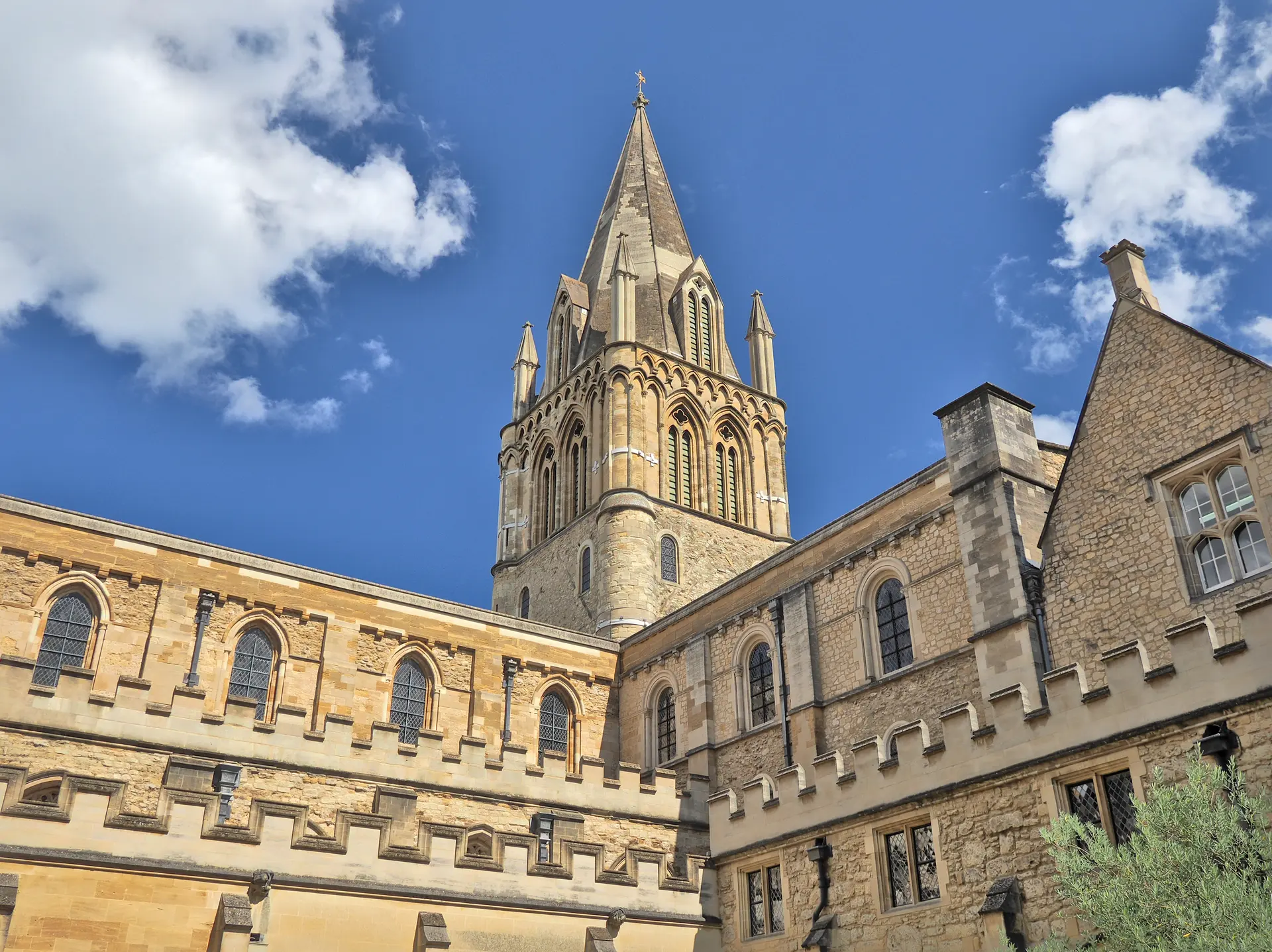
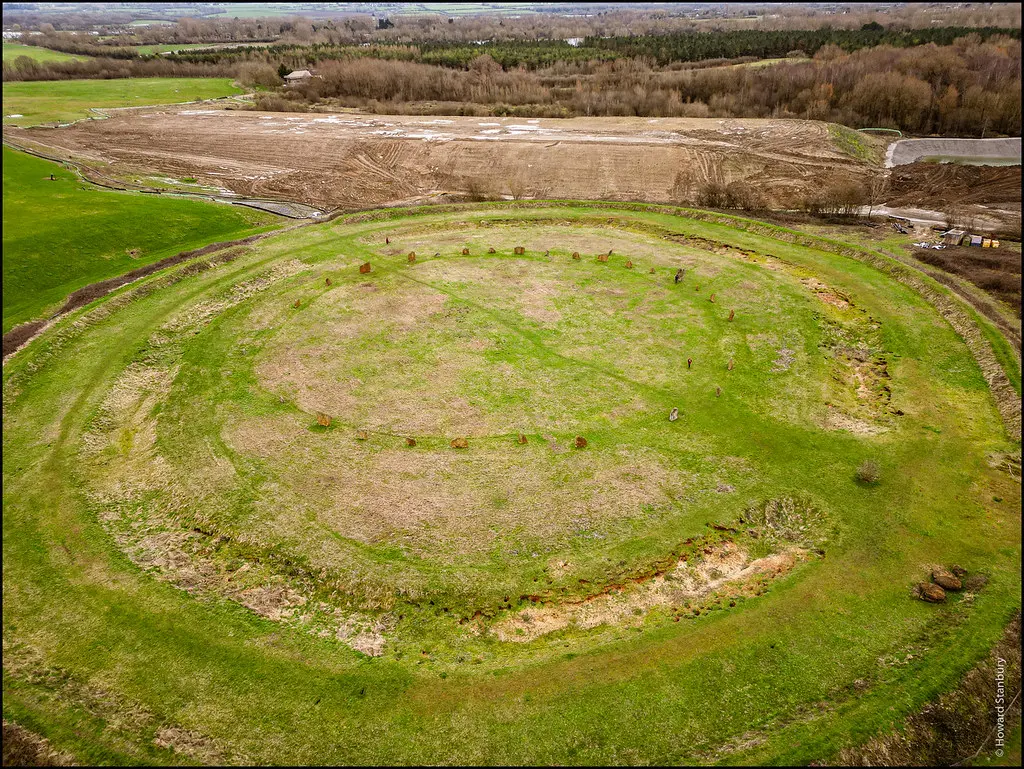
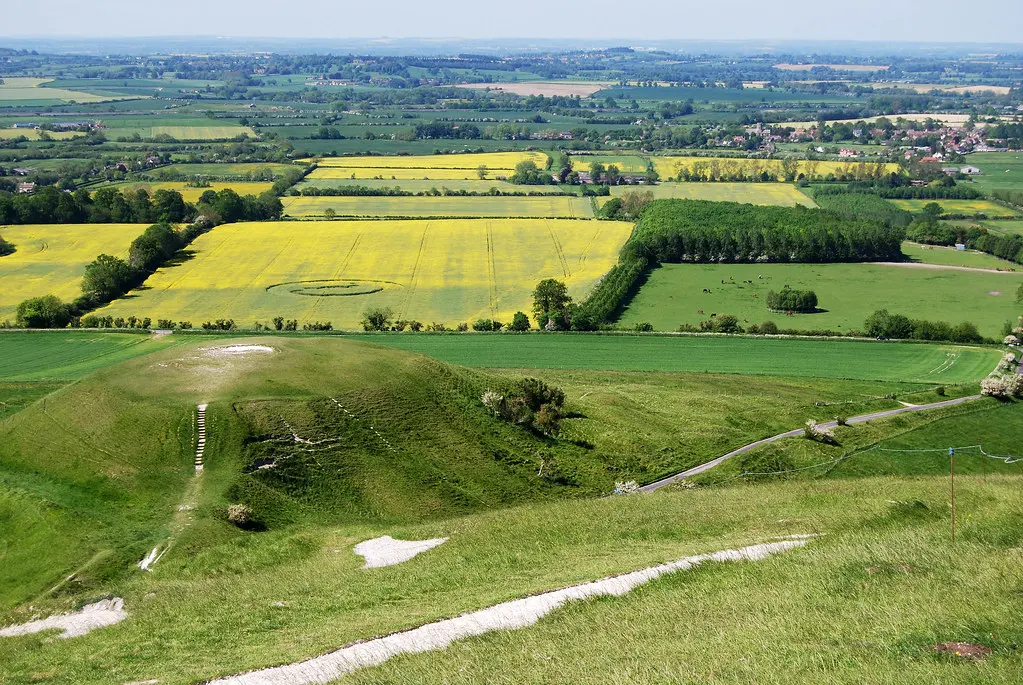
Explore other sacred places in the region. Proximity does not establish access or travel time; check each place’s guidance.
References
Sources consulted for this page. Source categories describe the publication, not a guarantee that every claim is verified. Traditional accounts and outside interpretations may differ.
- 01Pilgrimage — Christ Church, OxfordSource contextOfficial cathedral information
- 02St Frideswide: Patron Saint of Oxford — Museum of OxfordofficialLocal authority source
- 03Shrine of St Frideswide - Christ Church — Association of English CathedralsofficialCathedral heritage context
- 04Christ Church Cathedral — British Pilgrimage TrustSource contextPilgrimage context
- 05Frithuswith — WikipediaencyclopediaWell-referenced article
Share a photo
Help visitors recognize Church of St Frideswide, Oxford, England. Every submission is reviewed before publication.