Chettikulangara Bhagavathy Temple, Mavelikkara, Kerala
A Kerala goddess temple where the same Devi is worshipped as three different powers across one day
Understand sacred places, explore living traditions, and learn how to engage respectfully with Pilgrim Map.
Access has not been verified. Check current local guidance before planning a visit.
Chettikulangara, Kerala, India
Read the sources
Visit essentials
A quick read before you go
- Duration
- 1 to 2 hours for normal darshan; a full day or more during the Bharani festival.
- Access
- In Chettikulangara village, about 4 km west of Mavelikkara and 7–8 km north of Kayamkulam on the…
Overview
Chettikulangara Bhagavathy Temple, set in a village about four kilometres west of Mavelikkara in Kerala's Alappuzha district, is dedicated to Sree Bhadrakali — the fierce, protective form of Shakti said to have sprung from Shiva's third eye to slay the demon Daruka.
What sets the worship here apart is its rhythm through the day: the goddess is venerated as Maha Saraswati at dawn, Maha Lakshmi at midday, and Maha Kali, or Durga, in the evening, so that a single deity is met in three powers as the hours turn. Tradition reconciles the descriptions of her as both Bhadrakali and a manifestation of Durga or Shakti as forms of the one goddess.
Held to be over twelve hundred years old, the temple is the second-highest-income shrine under the Travancore Devaswom Board after Sabarimala, and it is the family and regional deity of thirteen surrounding provinces, or karas.
For most of the year it is a busy regional shrine, but in the Malayalam month of Kumbham, around February or March, it becomes the stage for the Kumbha Bharani — one of Kerala's most striking festivals — when six giant Kuthira 'horses', five Theru 'chariots', and towering effigies of Bhima, Hanuman, and Panchali, some rising twenty to thirty metres, are offered to the goddess, alongside the Kuthiyottam rite of symbolic self-surrender.
Why this place is sacred
The sense of charged presence at Chettikulangara is communal and embodied. The goddess is not a distant figure but the family deity of thirteen provinces, met as gentle wisdom, then abundance, then fierce protection, all in one day. The threefold worship gives the place a feeling of completeness, as if the whole arc of the divine feminine were being traced from morning to evening.
During the Kumbha Bharani that intensity becomes overwhelming, as the entire surrounding community pours its devotion into the temple and its towering offerings.
A Shakta goddess temple serving the surrounding villages as the seat of their protective family and regional deity, Sree Bhadrakali.
It has grown into one of Kerala's foremost goddess temples, administered by the Travancore Devaswom Board, its Kumbha Bharani Kettukazhcha now documented as intangible cultural heritage.
Experience and orientation
Outside festival time, Chettikulangara is a busy but devotional regional shrine. Devotees describe a powerful sense of the goddess's protective presence, and the temple's threefold worship rewards a visit that spans more than one hour of the day. The peak experience is the Kumbha Bharani, when towering decorated floats and the Kuthiyottam procession fill the temple and village in an immersive encounter with Kerala's Shakta devotional culture. Pilgrims come to renew vows and to seek health, prosperity, and protection.
Observe the strict dress code before entering. If you can, time your visit to witness more than one of the three daily forms of the goddess. To see the festival, come for the Kumbha Bharani on the Bharani star in Kumbham, but expect very large crowds.
Context and lineage
Tradition holds that local chieftains, humiliated by the authorities of the nearby Koypallikarazhma Bhagavathi temple, resolved in retribution to install their own Bhagavathi at Chettikulangara, founding the temple. The goddess herself, Bhadrakali, is said to have sprung from the third eye of Shiva to destroy the demon king Daruka, and is venerated here in that fierce, protective aspect. The temple's precise foundation date is unknown; 'over 1,200 years' is a traditional figure.
Shakta (goddess-centred) Hinduism within Kerala's Onattukara region, under the Travancore Devaswom Board.
Sree Bhadrakali
Presiding goddess
Parasurama
Legendary sage
Local chieftains
Traditional founders
Traditions and practice
Daily pujas honour the goddess in her three forms. The Kumbha Bharani features Kettukazhcha — the offering of thirteen provincial floats, six giant Kuthira 'horses', five Theru 'chariots', and effigies of Bhima, Hanuman, and Panchali towering twenty to thirty metres — and Kuthiyottam, a Shakta tantric offering of symbolic self-surrender in which pre-pubescent boys are ritually presented to the goddess.
Worship continues year-round under the Travancore Devaswom Board, with special poojas on Tuesdays, Fridays, and Sundays. The Kumbha Bharani is held on the Bharani asterism in the month of Kumbham, around February or March.
Approach the goddess with attention to her changing forms across the day, allowing each to be met on its own terms. During the festival, watch the floats and processions with respect; they are offerings organised by the village communities, not performances.
Hinduism (Shaktism)
ActiveA premier Shakta goddess temple of central Kerala dedicated to Sree Bhadrakali, an incarnation of Shakti born from Shiva's third eye to slay the demon Daruka. The goddess is uniquely venerated in three forms across the day — Maha Saraswati at dawn, Maha Lakshmi at midday, and Maha Kali/Durga in the evening. It is counted among the temples traditionally associated with Parasurama in the Onattukara region.
Daily pujas, special worship on Tuesdays, Fridays, and Sundays, and the great Kumbha Bharani festival with its Kettukazhcha floats and Kuthiyottam offering.
Perspectives and open questions
The temple is read variously as a heritage of living Shakta ritual, a communal family deity, and an esoteric tantric tradition, with its precise origins held in oral memory.
Scholarly perspective
Scholars and folklorists treat Chettikulangara as a long-established Onattukara goddess temple whose Kumbha Bharani — especially Kettukazhcha and Kuthiyottam — is a significant example of Kerala's living Shakta ritual and folk heritage; precise foundation dating remains traditional.
Living and traditional perspectives
For the surrounding villages, Bhadrakali is the protective family and regional deity; the founding story of retributive devotion and the threefold daily worship are central to communal identity, and the festival offerings are acts of gratitude and vow-fulfilment.
Alternative interpretations
The Kuthiyottam is understood within Shakta tantric tradition as a sublimated form of the ancient blood offering to the fierce goddess, said to have been softened over time under broader cultural influences.
Open questions
The temple's exact origins and the early history of its distinctive festival rituals are not documented with precision and survive chiefly through oral tradition.
Plan your visit
Access and arrival
In Chettikulangara village, about 4 km west of Mavelikkara and 7–8 km north of Kayamkulam on the Kayamkulam–Thiruvalla route (SH6), Alappuzha district; well connected by road and near Mavelikkara and Kayamkulam railway stations.
Respectful visit
Strict traditional attire: men in mundu/dhoti and bare-chested (no upper garment); women in saree or churidar with shoulders and knees covered; no footwear inside.
Restricted inside the temple; follow signage and staff guidance, especially around the sanctum and rituals.
Vazhipadu (pujas and offerings), bookable through the temple or Devaswom; no entry fee, though special darshans and rituals carry charges.
Observe Kerala temple entry customs (confirm locally); maintain silence and decorum near the sanctum; respect the festival processions.
The Kuthiyottam is a serious ritual rooted in symbolic self-surrender to Kali; approach it with care and respect rather than spectacle. Observe Kerala temple entry customs and confirm any restrictions locally.
Current practical details
Address
P.O, Chettikulangara, Mavelikara, Kannamangalam North, Kerala 690106, India
Phone
Hours
Hours, fees, and access can change — verify on the official source before you travel. Practical details last checked Jun 2026.
Location
Map loads as you approach this section.
Pilgrim reflections
A portrait of encounter, not a score
Pilgrims describe what they felt, how present they could become, and whether the place would shape a journey. There are no stars and no ranking of traditions.
No reviewed reflections yet
The first pilgrims can help describe the character of being here.
Share a reflection
Available after an account-backed “Been there.” Every reflection is reviewed before publication.
Nearby sacred places
Explore other sacred places in the region. Proximity does not establish access or travel time; check each place’s guidance.
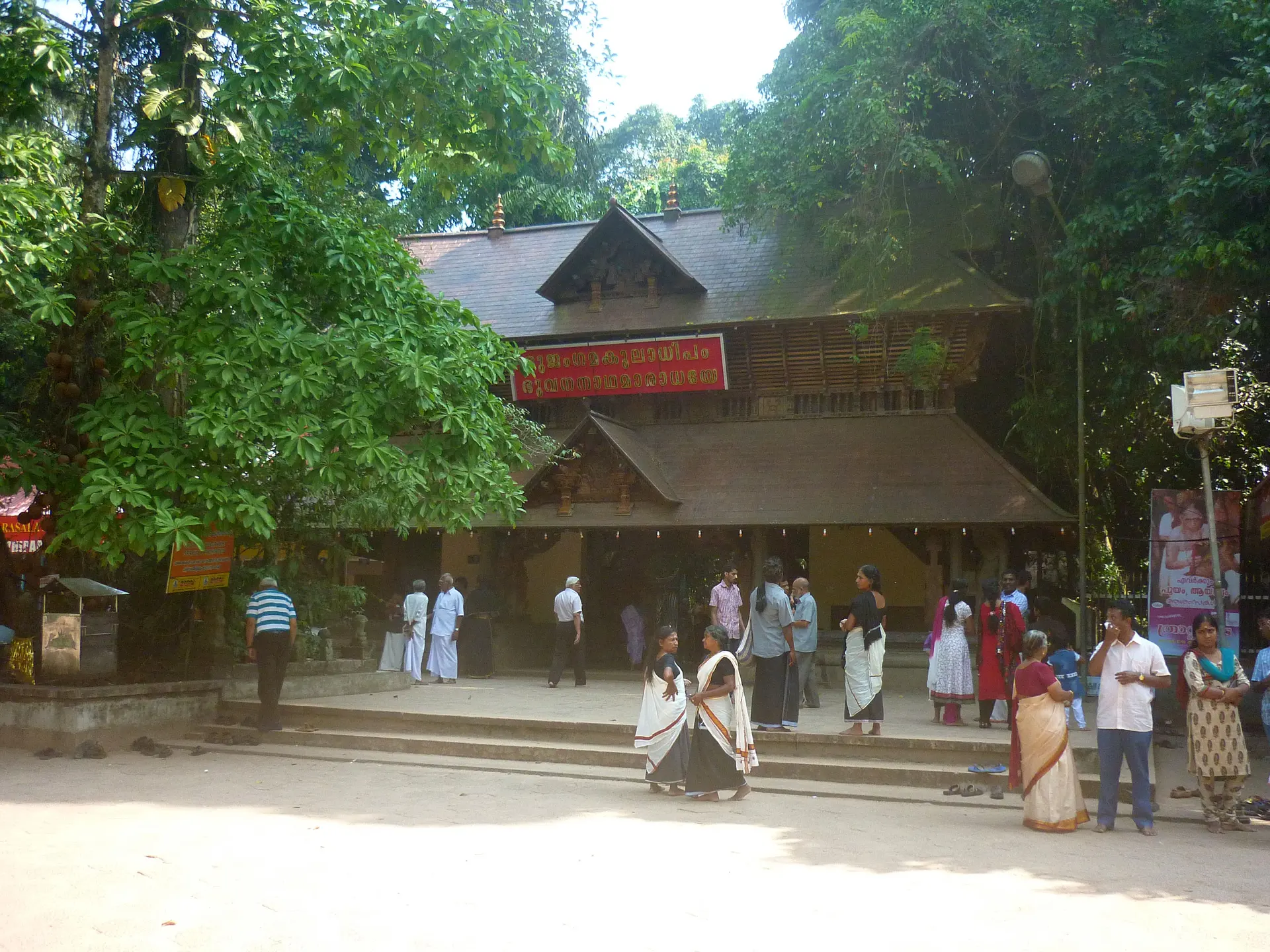

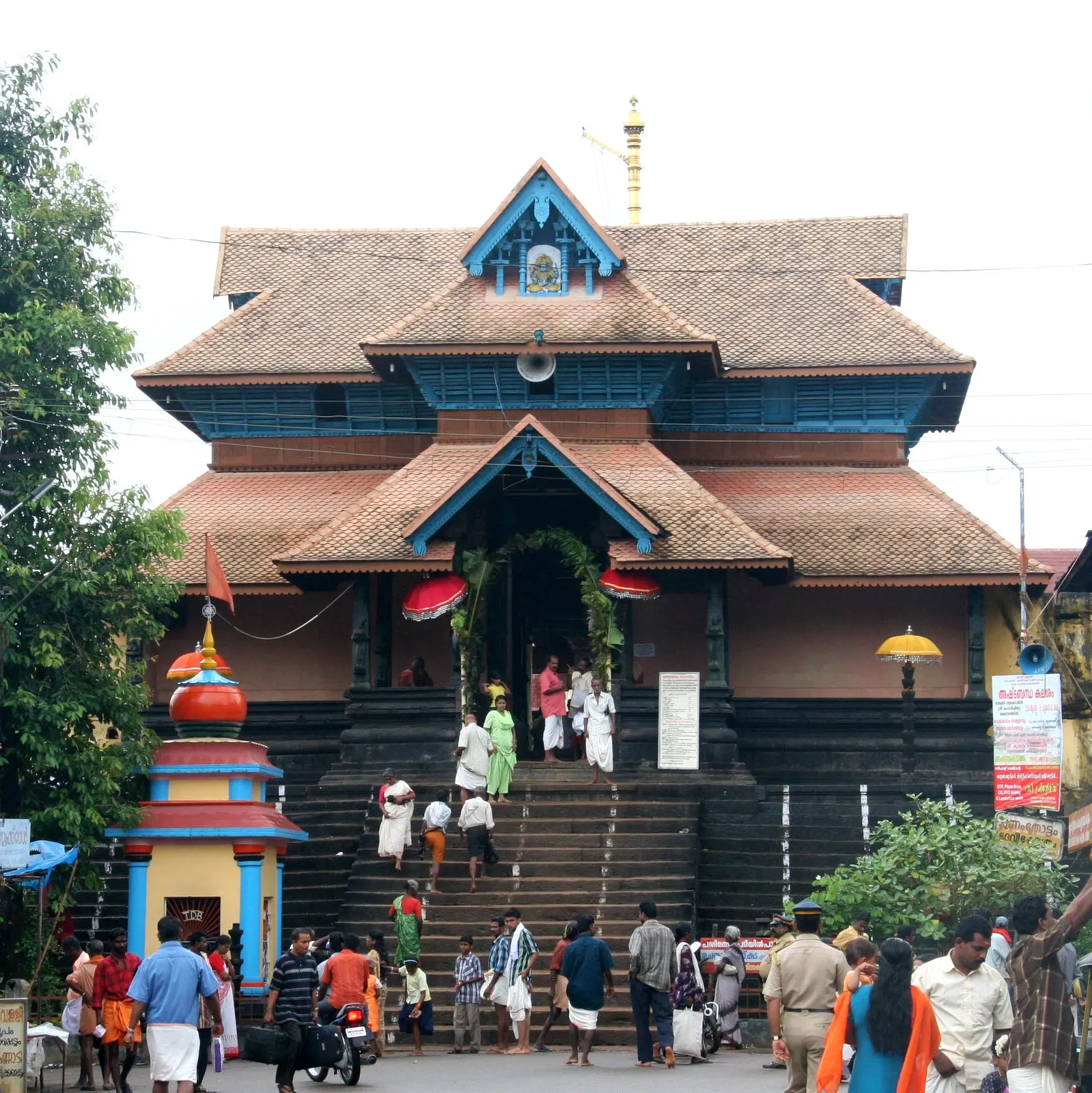

References
Sources consulted for this page. Source categories describe the publication, not a guarantee that every claim is verified. Traditional accounts and outside interpretations may differ.
- 01Chettikulangara Devi Temple — Wikipedia — Wikipedia contributorsacademicConfirms Bhadrakali deity, three daily forms (Saraswati/Lakshmi/Durga), ~1200-year tradition, second-highest income temple under Travancore Devaswom after Sabarimala, coordinates near Mavelikkara
- 02Chettikulangara Kumbha Bharani — Wikipedia — Wikipedia contributorsacademicDetails Kumbha Bharani festival, Kettukazhcha 13 provincial floats (Kuthira, Theru, effigies), Kuthiyottam ritual and its Shakta tantric roots
- 03Chettikulangara Bharani — Festivals of Kerala — Kerala Tourism — Kerala Tourism (Govt of Kerala)officialOfficial description of the Kumbha Bharani festival and its rituals
- 04Chettikulangara Bhagavathy Temple — Temples in Alappuzha — Kerala Tourism — Kerala Tourism (Govt of Kerala)officialOfficial temple page confirming Bhagavathy dedication and significance
- 05'Kuthiyottam', 'Kettukazhcha' mark Bharani festival at famed Chettikulangara Devi Temple — Manorama English — OnmanoramaSource contextReportage on the living festival rituals
- 06Chettikulangara Devi Temple, Mavelikkara — Timings, History & Darshan Guide — Indian Panorama — Indian PanoramaSource contextDarshan timings, dress code, origin story of the temple's founding
Photo gallery
3 curated photos
Share a photo
Help visitors recognize Chettikulangara Bhagavathy Temple, Mavelikkara, Kerala. Every submission is reviewed before publication.