Chengannur Mahadeva Temple, Chengannur, Kerala
A Kerala temple where the goddess's menstruation is honoured, not concealed
Understand sacred places, explore living traditions, and learn how to engage respectfully with Pilgrim Map.
Access has not been verified. Check current local guidance before planning a visit.
Chengannur, Kerala, India
Read the sources
Visit essentials
A quick read before you go
- Duration
- 1 to 2 hours.
- Access
- In the town of Chengannur, Alappuzha district, close to the Pamba river; Chengannur has a major…
Overview
On the Pamba in Kerala's Alappuzha district, Chengannur Mahadeva Temple is among Kerala's oldest and most active Hindu temples, enshrining Shiva as Mahadeva and Parvati as Bhagavathy facing each other within a six-acre complex. Its self-manifested lingam bears a gold Ardhanareeswara image, uniting the male and female divine.
The Thriputharattu honours signs of the goddess's menstruation as fertile, creative power: she is secluded, then ceremonially bathed in the Pamba. Recently occurring roughly once every two or three months, the rite draws large crowds and remains culturally significant and sometimes contested, so it calls for respect rather than spectacle. The temple's date—variously around AD 300 or over fifteen hundred years old—and attribution to Perunthachan remain traditional, not firmly documented.
Its classical Kerala form serves both Shaiva and Shakta devotion, including prayers for fertility, childbirth, and marriage.
Why this place is sacred
The threshold quality of Chengannur is bound to the divine feminine and its body. The swayambhu lingam bearing the Ardhanareeswara image holds male and female together in one form, and the shared east-west sanctum of Shiva and Parvati sets god and goddess face to face.
Above all, the temple's acknowledgement of the goddess's menstruation, honoured rather than hidden, turns a cycle elsewhere treated as taboo into a sign of creative power, linking Chengannur to a wider Shakta current that sacralises the feminine. Set on the sacred Pamba and tied to the Agastya legend, the temple invites reflection on fertility, the body, and the creative force at the root of things.
Experience and orientation
Pilgrims describe a deeply traditional Kerala temple atmosphere, the rare reverence accorded the menstruating goddess, and prayers answered for fertility and marriage. The shared sanctum of Shiva and Parvati, the self-manifested lingam, and the riverside setting on the Pamba give the place its character. Many come with personal prayers for children, healing, or marriage, and the temple invites reflection on the sacredness of the feminine and the body's cycles.
The standout occasion is the Thriputharattu, which occurs irregularly, recently roughly once in two or three months, when menstrual signs appear on the goddess's vesture; the deity is then confined before a ceremonial bath in the Pamba, and the event draws large crowds. The temple is open daily, roughly from very early morning to late morning and again in the evening.
The drier months from October to March are most comfortable, and visitors should avoid peak monsoon flooding along the Pamba, which flooded badly in 2018. A strict dress code applies, and men remove their shirts before entering the inner premises.
Observe the dress code (men remove shirts; traditional attire for all), confirm entry customs locally, and approach the shared Shiva-Parvati sanctum and the Pamba-side setting quietly; if the Thriputharattu coincides with your visit, treat it as sacred observance rather than spectacle.
Context and lineage
Tradition holds that when the Devas gathered in the Himalayas for the wedding of Shiva and Parvati, Brahma feared the earth would lose its balance and sent the sage Agastya south. After the wedding, Shiva and Parvati travelled to the bank of the Pamba to meet Agastya; because Parvati was menstruating, she waited, traditionally twenty-eight days, before giving the sage darshan, the event the temple's ritual commemorates.
The lingam is held to be swayambhu, self-manifested, and bears a gold image of Ardhanareeswara. The temple's precise date and the Perunthachan attribution remain traditional rather than firmly documented.
Hinduism in its Shaiva and Shakta currents, in classical Kerala temple form, with a distinctive sacralisation of the goddess's cycle that links it to wider Shakta traditions.
Shiva (Mahadeva)
Principal deity
Parvati (Bhagavathy)
Goddess of the shared sanctum
Agastya
Sage of the origin legend
Perunthachan
Legendary master architect
Temple priesthood
Custodians of the rite
Traditions and practice
Daily abhisheka and pujas are offered to Shiva and the goddess. The defining rite is the Thriputharattu: when the goddess's vesture shows menstrual signs, her image is secluded for a period and then ritually bathed in the Pamba.
Regular worship runs from early morning to night. The menstruation festival occurs irregularly, in recent years roughly once in two or three months, and is observed with the deity's confinement and subsequent ceremonial bath. Prayers for fertility, childbirth, and marriage are especially common.
Make any vazhipadu offering through the temple office and approach the shared sanctum quietly; if you attend the Thriputharattu, observe it with the respect due a sacred rite rather than as a public event.
Hinduism (Shaivism and Shaktism)
ActiveDedicated to Shiva (Mahadeva) and Parvati (Bhagavathy), enshrined facing each other within one complex. The swayambhu lingam bears an Ardhanareeswara image, uniting the male and female divine. The temple is especially venerated as a Shakti centre for its acknowledgement of the goddess's menstruation, celebrated rather than concealed.
Daily pujas, the Thriputharattu festival when menstrual signs appear on the goddess's vesture, and prayers especially by those seeking fertility, childbirth, and marriage.
Perspectives and open questions
Chengannur is read both as one of Kerala's oldest temples and as a rare site that sacralises the divine feminine cycle.
Scholarly perspective
Scholars regard Chengannur as among the oldest temples in Kerala, built in the classical regional style; precise dating and the Perunthachan attribution remain traditional rather than firmly documented.
Living and traditional perspectives
Devotees venerate the temple for its shared Shiva-Parvati sanctum and especially for honouring the goddess's menstruation as a sign of fertile, creative power, a counterpoint to taboos that exclude menstruating women elsewhere.
Alternative interpretations
The menstruation tradition links Chengannur to a broader Shakta current, such as Kamakhya, that sacralises the goddess's cycle as cosmic creative energy.
Open questions
The historical origin of the menstruation ritual and the temple's earliest construction phases are not fully documented, and debate continues over the meaning of the goddess's seclusion.
Plan your visit
Access and arrival
In the town of Chengannur, Alappuzha district, close to the Pamba river; Chengannur has a major railway station on the Thiruvananthapuram-Ernakulam line and is well connected by road.
Chengannur town and the wider Alappuzha region offer hotels and guesthouses; the town is a common base for pilgrims travelling on to Sabarimala via the Pamba.
Respectful visit
Traditional attire required: women in saree or salwar kameez; men in dhoti or trousers and shirts removed before the inner premises.
Prohibited inside the temple.
Pujas, vazhipadu offerings, and donations made through the temple office; fertility and marriage offerings are common.
Observe Kerala temple entry customs (confirm access locally); maintain silence and decorum; menstruating women observe traditional restrictions per temple custom.
A strict dress code applies and men must remove shirts before the inner premises; photography is prohibited inside; non-Hindus' access may be restricted, so confirm entry customs locally. The menstruation ritual is sometimes contested in public debate and should be treated respectfully.
Current practical details
Address
State Highway 1, Kizhakke Nada, Chengannur, Kerala 689121, India
Phone
Hours
Hours, fees, and access can change — verify on the official source before you travel. Practical details last checked Jun 2026.
Location
Map loads as you approach this section.
Pilgrim reflections
A portrait of encounter, not a score
Pilgrims describe what they felt, how present they could become, and whether the place would shape a journey. There are no stars and no ranking of traditions.
No reviewed reflections yet
The first pilgrims can help describe the character of being here.
Share a reflection
Available after an account-backed “Been there.” Every reflection is reviewed before publication.
Nearby sacred places
Explore other sacred places in the region. Proximity does not establish access or travel time; check each place’s guidance.
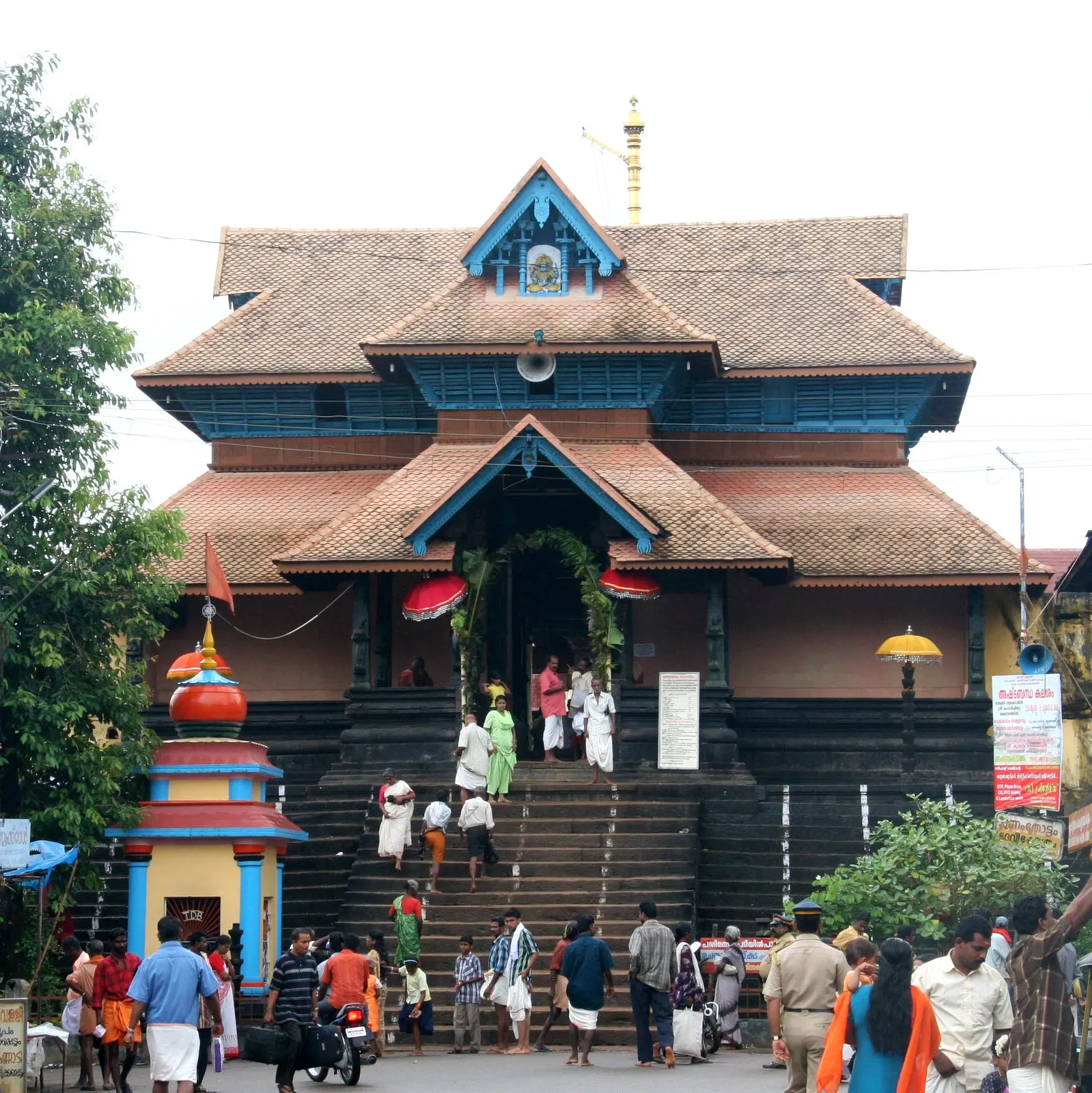

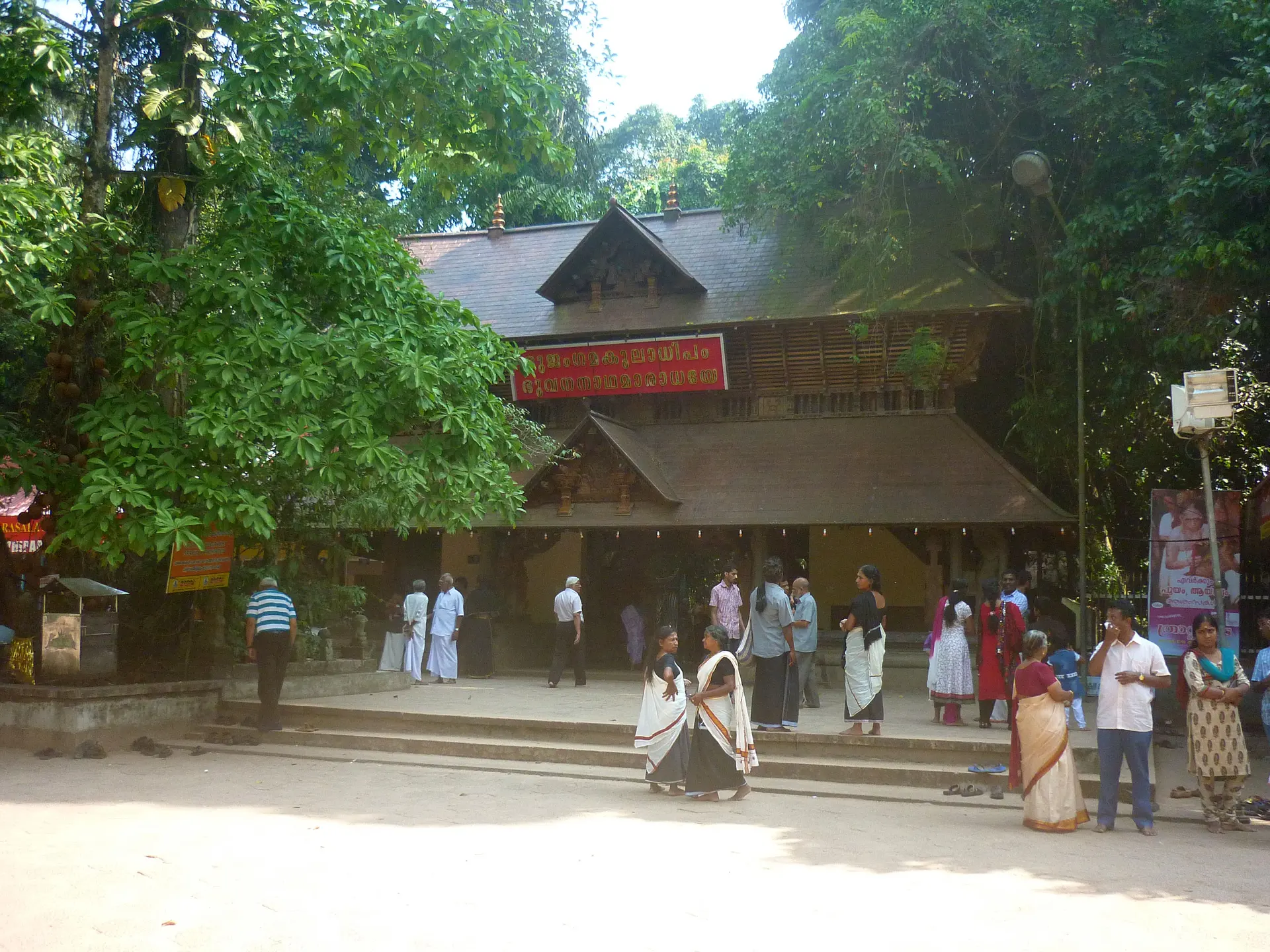

References
Sources consulted for this page. Source categories describe the publication, not a guarantee that every claim is verified. Traditional accounts and outside interpretations may differ.
- 01Chengannur Mahadeva Temple — Wikipedia — Wikipedia contributorsacademicConfirms dedication to Shiva and Parvati facing east/west, antiquity, Perunthachan attribution, Thriputharattu festival and the menstruation tradition
- 02Chengannur Mahadeva Temple — Kerala Tourism — Kerala Tourism (Govt of Kerala)officialOfficial state tourism page confirming Kerala-style architecture, Pamba river location, and significance
- 03This Chengannur temple celebrated its menstruating goddess — Manorama English — OnmanoramaSource contextReputable Kerala news outlet on the Thriputharattu ritual, AD 300 dating tradition, and Perunthachan design legend
- 04Celebrating the menstruating Goddess in a Kerala temple? Not completely — The News Minute — The News MinuteSource contextCritical journalistic context on the ritual, the goddess's confinement, and gender/menstruation debates
- 05Chengannur Mahadeva Temple Guide — Timings, Poojas & History — MyOksha — MyOkshaSource contextDetails timings, dress code (men shirtless), swayambhu lingam with Ardhanareeswara image, six-acre complex
- 061500 Yr Old Chengannur Mahadeva Temple — Famous Temples Of India — Famous Temples of IndiaSource contextAntiquity and legend of Agastya / shared sanctum
Photo gallery
3 curated photos
Share a photo
Help visitors recognize Chengannur Mahadeva Temple, Chengannur, Kerala. Every submission is reviewed before publication.