Chati Patshahi Gurudwara, Srinagar, Kashmir
Kashmir's largest gurdwara, where the sixth Guru once stayed and a blind devotee saw again
Understand sacred places, explore living traditions, and learn how to engage respectfully with Pilgrim Map.
Access has not been verified. Check current local guidance before planning a visit.
Srinagar, Jammu and Kashmir, India
Read the sources
Visit essentials
A quick read before you go
- Duration
- 30 minutes to a couple of hours, depending on participation in worship and langar.
- Access
- In the Rainawari area of Srinagar, just outside the Kathi Darwaza (southern gate) of Hari Parbat…
Overview
Gurudwara Chati Patshahi stands in Srinagar's Rainawari area outside Kathi Darwaza, the southern gate of Hari Parbat fort. Its name means the gurdwara of the Sixth Sovereign, commemorating Guru Hargobind's roughly three-month visit to Kashmir in the summer of 1620 and his preaching of Guru Nanak's message of universal love and the doctrine of Miri-Piri, the union of spiritual and temporal authority.
Sikh tradition sanctifies the site through his meeting with Mai Bhag Bhari, an aged blind devotee who had sewn him a chola. The Guru is said to have opened a spring with his barcha, restoring her sight, remained through her last rites, and ordered a well that still stands. Most Sikh sources describe her as a devotee rather than literally his mother.
The principal and largest Sikh shrine in the Kashmir valley remains a functioning gurdwara, with daily Guru Granth Sahib reading, kirtan, and round-the-clock langar and accommodation. Its major gathering is Guru Hargobind's Parkash Utsav, a gazetted holiday in Jammu and Kashmir.
Why this place is sacred
The threshold quality of Chati Patshahi rests on presence and on service. Guru Hargobind is said to have stayed here for months, long enough for the place to hold the memory of his teaching and of the miracle bound to Mai Bhag Bhari, whose sight was restored by water from a spring his spear opened. The well still stands. But the living register is the langar and worship that continue around the clock, open to anyone regardless of faith.
The egalitarian spirit of seva, selfless service, and the shared meal is what visitors most often describe carrying away, set against the historic Hari Parbat fort above.
Experience and orientation
Visitors describe a peaceful, welcoming atmosphere, the warmth of langar served to all, and the spiritual resonance of a major Sikh shrine set against Srinagar's Hari Parbat backdrop. Pilgrims report a deepened connection to the Gurus' teachings and to the egalitarian spirit of seva and shared meals that defines a gurdwara. As the largest Sikh shrine in the valley, it draws both local congregations and travellers, with langar and accommodation available round the clock.
The gurdwara is open year round. Its major occasion is the Parkash Utsav of Guru Hargobind, a gazetted holiday in Jammu and Kashmir, when large congregations and special programmes fill the hall. Kashmir's mild summer, roughly May to September, is the most comfortable season for travel; winters are cold and snowy. Because Srinagar sits in a region with security considerations, visitors should check current travel advisories before planning a trip.
Cover your head and remove your shoes before entering; sit in the prayer hall to hear the Guru Granth Sahib and kirtan, then share in langar, and look for the old well associated with the Guru near the building.
Context and lineage
The gurdwara commemorates Guru Hargobind's visit to Kashmir in the summer of 1620, when he is said to have stayed about three months, preaching universal love and the doctrine of Miri-Piri.
Its central story is his meeting with Mai Bhag Bhari, an aged blind devotee who had sewn a robe for him; tradition holds that he struck the ground with his spear to open a spring whose water restored her sight, and that he remained until he had performed her last rites. He is also said to have ordered a well dug at the site, which still stands.
The present structure was built later to mark the spot; its construction date is unclear.
Sikhism, in the line of the ten Gurus from Guru Nanak, centred on the eternal scripture Guru Granth Sahib and the doctrine of Miri-Piri taught by Guru Hargobind.
Guru Hargobind
Sixth Sikh Guru
Mai Bhag Bhari
Aged blind devotee
Sewa Das
Companion in the traditions
Guru Nanak
Founder of Sikhism
Sikh community of Kashmir
Builders and custodians
Traditions and practice
Worship centres on the recitation and ceremonial placement of the Guru Granth Sahib, kirtan (devotional singing), ardas (prayer), and langar, the free community kitchen open to all.
Daily worship and langar continue round the clock, with accommodation available. The major annual gathering is the Parkash Utsav, the birth anniversary of Guru Hargobind, a gazetted holiday in Jammu and Kashmir, marked by large congregations and special programmes.
Sit quietly in the hall for the reading and kirtan, then accept langar and, if you wish, take part in seva; both are central to how a gurdwara is experienced.
Sikhism
ActiveCommemorates the 1620 visit of Guru Hargobind, the sixth Sikh Guru (hence Chhevin or Chatti Patshahi, the Sixth Sovereign), to Srinagar. The site is associated with his devotee Mai Bhag Bhari and is the principal and largest Sikh gurdwara in the Kashmir valley.
Daily reading of the Guru Granth Sahib, kirtan, langar (free community kitchen), and the major annual Parkash Utsav of Guru Hargobind, a gazetted government holiday in Jammu and Kashmir.
Perspectives and open questions
The gurdwara is read as the marker of a documented Guru's journey and as a living seat of Sikh teaching and service in Kashmir.
Scholarly perspective
Historians accept that Guru Hargobind travelled to Kashmir around 1620 on a preaching mission following his release from Gwalior; the gurdwara commemorates this documented visit and his association with Kashmiri devotees.
Living and traditional perspectives
Sikh tradition venerates the site for the Guru's presence, his teaching of Miri-Piri, and the miracle of the restored sight of Mai Bhag Bhari, whose devotion is said to have drawn the Guru to Kashmir.
Alternative interpretations
Popular devotion treats the spring and well as carrying the Guru's blessing and healing power.
Open questions
The precise dating and original construction of the present structure, and the exact biography of Mai Bhag Bhari, remain matters of tradition more than documented record.
Plan your visit
Access and arrival
In the Rainawari area of Srinagar, just outside the Kathi Darwaza (southern gate) of Hari Parbat fort; reachable by road within the city. Check current travel advisories before visiting.
Round-the-clock accommodation is available at the gurdwara, in keeping with Sikh hospitality; Srinagar also offers a full range of hotels and houseboats.
Respectful visit
Modest dress; head covered by all visitors (scarves usually available); shoes removed before entering.
Generally permitted in courtyards; avoid prayer times and where signage prohibits, and ask staff about the prayer hall.
Voluntary donations and participation in langar or seva are welcomed; no fees.
No tobacco, alcohol, or intoxicants on the premises; maintain silence and decorum in the prayer hall.
No tobacco, alcohol, or other intoxicants are allowed on the premises. Given the region's security considerations, check current travel advisories before visiting.
Current practical details
Address
4R3C+7R7, Nowhatta, Srinagar, 190003
Hours, fees, and access can change — verify on the official source before you travel. Practical details last checked Jun 2026.
Location
Map loads as you approach this section.
Pilgrim reflections
A portrait of encounter, not a score
Pilgrims describe what they felt, how present they could become, and whether the place would shape a journey. There are no stars and no ranking of traditions.
No reviewed reflections yet
The first pilgrims can help describe the character of being here.
Share a reflection
Available after an account-backed “Been there.” Every reflection is reviewed before publication.
Nearby sacred places
Explore other sacred places in the region. Proximity does not establish access or travel time; check each place’s guidance.

Shri Chakreshwari Devi Temple (Sharika Mata Temple)
Srinagar, Jammu and Kashmir, India
0.8 km away
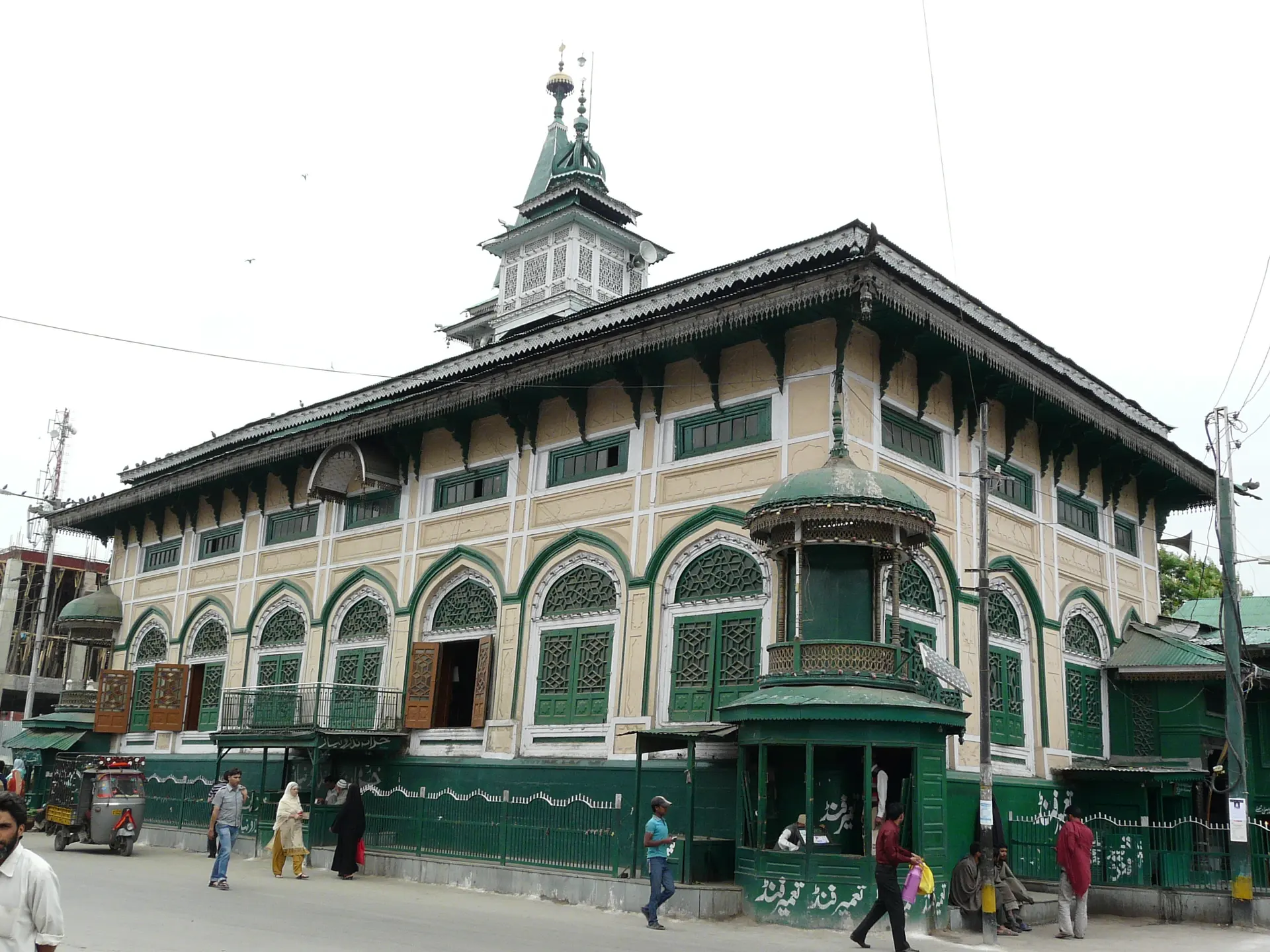
Masjid Dastgeer Sahib, Kashmir
Srinagar, Jammu and Kashmir, India
1.2 km away
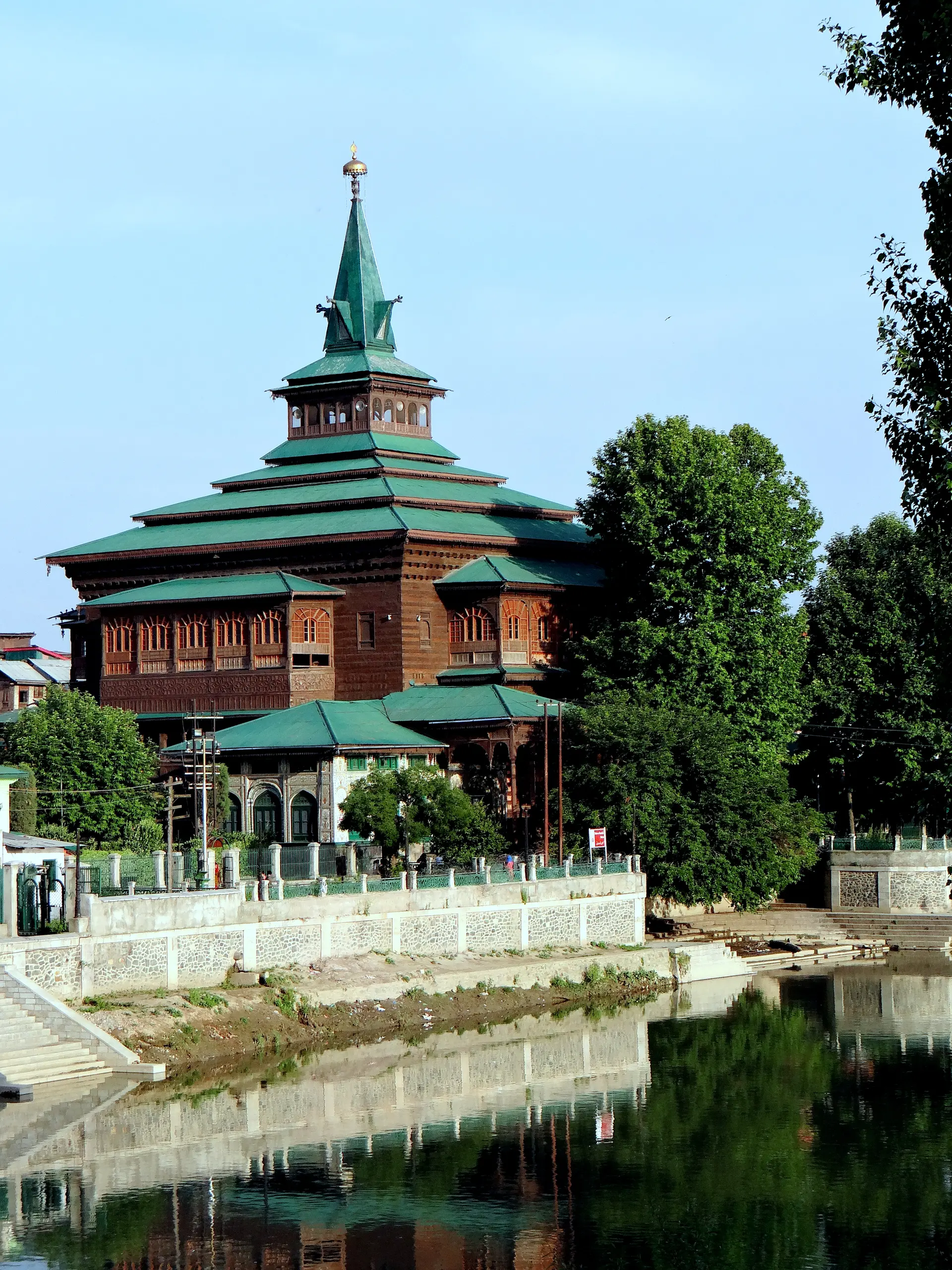
Khanqah-e-Moula
Srinagar, Jammu and Kashmir, India
1.8 km away

Shree Kheer Bhawani Durga Temple, Tulmulla, Kashmir
Wahidpora, Jammu and Kashmir, India
15.7 km away
References
Sources consulted for this page. Source categories describe the publication, not a guarantee that every claim is verified. Traditional accounts and outside interpretations may differ.
- 01Gurdwara Chatti Patshahi, Kathi Darwaja, Rainwari, Srinagar — SikhiWiki — SikhiWikiofficialConfirms location at Kathi Darwaza near Hari Parbat, structure (rectangular hall, central sanctum, terrace, old well), and Mai Bhag Bhari legend
- 02Guru Hargobind Sahib in J & K — SikhiWiki — SikhiWikiofficialConfirms 1620 AD visit, route via Pir Panjal, three-month stay, Mai Bhagbhari chola and miracle of restored eyesight
- 03Gurudwara Shri Chatti Patshahi Sahib, Srinagar — Historical Gurudwaras — HistoricalGurudwaras.comofficialConfirms commemoration of sixth Guru's visit and Rainawari location
- 04Gurdwara Sri Guru Hargobind Sahib Srinagar — Discover Sikhism — Discover SikhismofficialDetails the summer 1620 visit, Sewa Das, Barcha spear water spring miracle, supervision of Mata Bhagbhari's last rites
- 05Gurudwara Chatti Patshahi: A Pillar of Sikh Heritage in Kashmir — Charzan Holidays — Charzan HolidaysSource contextNotes Miri-Piri teaching, Jahangir-era context, and pilgrimage importance
- 06Chatti Padshahi Gurudwara, Srinagar — Trawell.in — Trawell.inSource contextConfirms langar and accommodation round the clock, largest gurdwara in Kashmir valley, Parkash Utsav holiday
- 07Painting of Mata Bhagbhari Presents A Cloak To Guru HarGobind Ji In Kashmir — Kashmiri Bazaar — Kashmiri BazaarSource contextCultural/iconographic reference to the chola-offering episode
Share a photo
Help visitors recognize Chati Patshahi Gurudwara, Srinagar, Kashmir. Every submission is reviewed before publication.