Tolay Lake
Where medicine people gathered for millennia to heal the sick and cast affliction into sacred waters
Sonoma County, California, United States
Visit essentials
Before you go
- Address
- Tolay Lake, California 95476, USA
- Duration
- A half-day provides time to explore multiple trails and absorb the site's significance.
- Etiquette
- Tolay Lake is a regional park with standard regulations and a sacred landscape with ongoing…
Overview
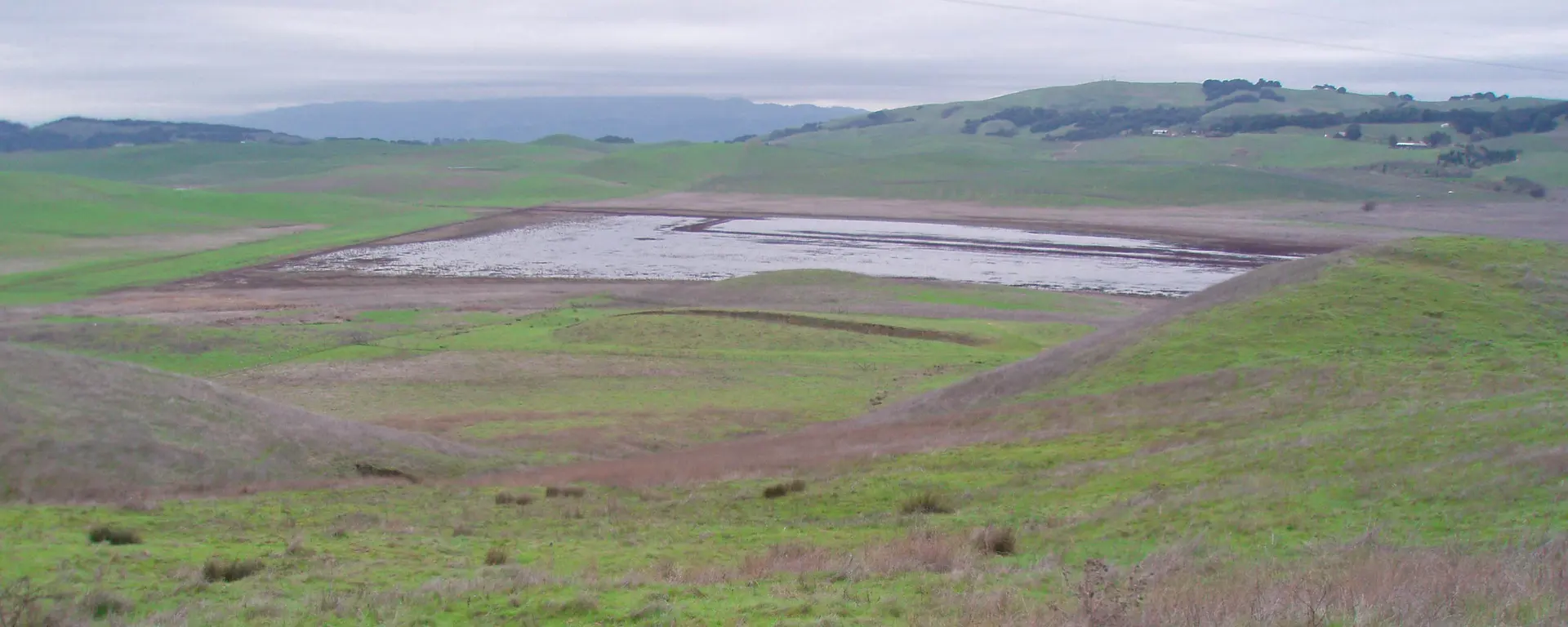
In the southern Sonoma Mountains, eight miles from Petaluma, a seasonal lake spreads across a valley floor. It appears unremarkable—grasslands sloping to wetlands, oak woodlands on the ridges, the distant shimmer of San Pablo Bay. Yet this landscape holds four thousand years of sacred history. Greg Sarris, chairman of the Federated Indians of Graton Rancheria, has called Tolay Lake 'a Miwok version of Stanford Medical Center: a place of extraordinary healing power.'
The lake was one of three major sites in Northern California where medicine people from multiple tribes gathered. They came from throughout the region and beyond, traveling to participate in ceremonies, exchange songs and ritual objects, and heal those who could not be cured elsewhere. The healing method involved charmstones—small carved objects, usually two to three inches long—used to extract disease from the afflicted.
Once imbued with sickness, the stones were thrown into the lake, where the water was believed to neutralize their dangerous contents.
In 1870, a German immigrant named William Bihler dynamited the lake's natural dam, draining it to plant potatoes. As the waters receded, they revealed what lay beneath: thousands upon thousands of charmstones, more than found at any other site in North America. Some were over four thousand years old. Some had traveled from as far as Mexico. Each one represented a healing, a sickness extracted and drowned, a person who walked away lighter than they arrived.
Today, Tolay Lake Regional Park encompasses 3,400 acres co-managed by Sonoma County and the Federated Indians of Graton Rancheria—the first such partnership in California between a local government and a federally recognized tribe. The Coast Miwok descendants who stewarded this place for millennia are stewarding it again. The lake is seasonal now, diminished but not gone. And the land remembers what it has always been: a place where healing happens, where what burdens us might be released.
Why this place is sacred
What makes a place a center of healing? Some combination of factors seems necessary: the land itself must possess certain qualities, communities must recognize those qualities across generations, and practice must accumulate—the repeated acts of healing creating a kind of spiritual infrastructure that deepens over time.
Tolay Lake possessed all of these. The seasonal lake in its valley setting, surrounded by grasslands and oak woodlands, provided a natural gathering place. The Coast Miwok who lived here—the Alaguali tribe—built special houses for fasting and ceremony at the lake's southern end, hosting visitors who traveled from far away. Over millennia, the practice accumulated. Each charmstone thrown into the water added to what the lake held. Each healing drew others seeking the same.
Greg Sarris emphasizes that the lake was 'one of three areas in all of Northern California where Indian doctors from different tribes convened for sacred ceremonies and the exchange of ritual objects and songs for the purpose of healing.' This was not a local shrine but a regional and inter-regional pilgrimage center. The charmstones recovered from the lake bed came from throughout California and as far as Mexico, indicating the geographic reach of those who sought healing here.
The mechanism of healing involved the stones themselves. Charmstones were tools used by healers to extract disease from patients—to pull out, as Sarris puts it, 'the sicknesses and the poison.' The stones absorbed what they removed. They became containers of affliction, dangerous to handle carelessly. Water held what could not otherwise be held.
This practice continued for at least four thousand years, based on archaeological dating of recovered stones. Four thousand years of medicine people traveling, of patients arriving sick and leaving healed, of stones accumulating in the lake bed—the concentrated sacred activity of such duration creates a particular quality in a place. Whether or not one believes in the mechanism, the human intention focused here is undeniable. Generation after generation sought healing at these waters.
The lake served as a major ceremonial center for healing. Medicine people gathered to confer with one another, exchange ritual knowledge, and treat patients who traveled from distant communities. Special houses built for fasting and ceremony hosted visitors. The lake itself was essential to the healing process—its waters believed capable of neutralizing the sickness extracted from patients and stored in charmstones.
Colonial contact brought catastrophic disruption. The draining of the lake in 1870 ended four thousand years of ceremonial practice and exposed the accumulated charmstones to the air. According to Sarris, this was understood as a spiritual catastrophe: 'The water had protected people from all of the charmstones and sicknesses from thousands of years of doctoring, and when the lake was drained, these sicknesses were released into the world.'
The tribe's membership today descends from only fourteen known survivors of Spanish and American colonization, from a pre-contact population of perhaps twenty to thirty thousand.
Yet connection persisted. Tribal members maintained stories and memories about Tolay even as the land passed through private ownership. In 2005, Sonoma County began acquiring the property. In 2011, the tribe contributed $500,000 to support park operations. In 2022, the landmark twenty-year co-management agreement formalized what had been developing: Indigenous peoples leading the stewardship of ancestral sacred land. The lake is seasonal and diminished, but water returns.
The healing tradition is no longer publicly practiced as it once was, but the tribe's presence ensures that the land's meaning is not forgotten.
Experience and orientation
Tolay Lake reveals itself slowly. Driving from Petaluma through agricultural land, you arrive at a park that looks like any other Northern California regional preserve: rolling hills golden in summer, green after winter rains, oaks scattered across ridges, a seasonal lake spreading in the valley floor. There's no monument announcing what happened here. The significance is not architectural.
Yet walking the trails, something shifts. Perhaps it's the openness—eleven miles of paths crossing grasslands with little shade, the horizon wide in every direction. Perhaps it's the wildlife: golden eagles and red-tailed hawks wheeling overhead, burrowing owls watching from their holes, migrating waterfowl resting on the seasonal waters. Perhaps it's simply knowing what you're walking on: land where medicine people gathered for four thousand years, where thousands of charmstones accumulated in the lake bed, where healing was the primary purpose.
The park's interpretive approach centers Indigenous perspectives. This is rare. At most sites with Indigenous history, signage treats the past as past. Here, the co-management with the Federated Indians of Graton Rancheria means tribal citizens lead educational programs, tribal ecological knowledge informs land management, and the interpretation emphasizes ongoing relationship rather than vanished culture. The tribe did not disappear. The land did not lose its meaning.
The small museum near the park entrance displays charmstones recovered from the lake bed. These objects—some over four thousand years old, some from as far as Mexico—connect the visitor to the scale of what occurred here. Each stone represents a healing. Each stone traveled here because someone was sick and sought remedy at these waters. The Smithsonian holds additional stones; the lake bed revealed more than any single collection could contain.
What visitors often report is a sense of peace unusual for such an open landscape. The grasslands can feel exposed under summer sun, yet something in the valley seems to settle the nervous system. Whether this is the residue of millennia of healing intention, or simply the absence of urban noise, or the presence of wildlife undisturbed, each visitor will interpret differently. The experience invites interpretation without demanding it.
Approach Tolay Lake with awareness that you're walking on active sacred ground. This is not a historical site—the Federated Indians of Graton Rancheria maintain ongoing relationship with this landscape and participate in its stewardship. The co-management agreement makes visible what has persisted invisibly: Indigenous connection to land that colonization attempted to sever.
Bring water; none is available in the park. Dress for weather and sun; shade is scarce. The trails are mostly gentle but cover real distances—plan for more time than you might expect. If you encounter tribal educational programs or ceremonial activities, observe respectfully and follow any guidance given.
Context and lineage
Tribal tradition holds that Tolay Lake was a great place of healing and renewal where Indian doctors came from near and far to confer with one another and to heal the sick. The Alaguali, a Coast Miwok tribe, maintained permanent villages around the lake and hosted visitors in special houses built for fasting and ceremony. The healing method involved charmstones—carved stone objects used to extract disease from patients.
Once imbued with sickness, the stones were thrown into the lake, where the water neutralized their dangerous contents.
This practice continued for at least four thousand years, drawing medicine people from throughout what is now the western United States and as far as Mexico. The lake functioned as one of three major healing centers in Northern California, a pilgrimage destination for those suffering ailments that could not be cured elsewhere.
The draining of the lake in 1870 was catastrophic. According to Greg Sarris, when the water was lost, 'these sicknesses were released into the world.' The tribe understands this not as metaphor but as spiritual reality. The charmstones remain dangerous—containers of disease never intended to be exposed to air. When offered the return of some stones, the tribe declined: 'Our belief is, leave them where they are.'
The Coast Miwok inhabited the lands around Tolay Lake for at least four thousand years before European contact. The Alaguali tribe maintained villages at the lake and developed its function as an inter-tribal healing center. Spanish missionaries arrived in the late eighteenth century; American settlers followed in the mid-nineteenth. The lake was purchased in 1859 and drained in 1870. The charmstones passed through various collections; many remain at the Smithsonian.
The Graton Rancheria's membership traces ancestry to only fourteen known survivors of Spanish and American colonization, from a pre-contact population of twenty to thirty thousand. The tribe received federal recognition in 2000. Sonoma County acquired the Tolay Lake land starting in 2005. The park opened to daily public access in October 2018. The twenty-year co-management agreement was signed in October 2022—the first such partnership in California between a local government and a federally recognized tribe.
Greg Sarris
William Bihler
Matthew Johnson
Traditions and practice
The lake functioned as a ceremonial center where medicine people gathered to heal the sick. Healers extracted disease from patients using charmstones—small carved stone objects, typically two to three inches long and varying in shape from oblong to round. The extraction was literal in the tribal understanding: sickness was pulled from the body and transferred to the stone. The stone then became dangerous, a container of affliction.
The lake's role was to receive these containers and neutralize their contents. Stones were thrown into the water, where they accumulated over millennia. The practice required the lake—without water to hold the sickness, the healing could not be completed. Special houses at the lake's southern end were built for fasting and ceremony, hosting visitors who had traveled from distant communities. Medicine people exchanged ritual objects and songs as well as performing healings.
The scale of the operation is evidenced by the recovery of thousands of charmstones, more than found at any other site in North America.
The co-management agreement provides for tribal access to park resources for cultural practices, though specific contemporary ceremonies are not publicly detailed. What is public is the educational programming: tribal citizens lead field trips for children, sharing Indigenous perspectives on the land's history and meaning. The new gathering area under construction will provide space for community events and cultural celebrations, with landscaping featuring plants of significance to the tribe.
Traditional ecological knowledge informs land management. The partnership has expanded use of prescribed fire and sheep grazing for landscape maintenance—practices with roots in Indigenous land stewardship. Procedures to protect cultural and tribal resources have been strengthened. The tribe collaborates on interpretive programming, ensuring that the park's story is told from Indigenous perspective rather than imposed from outside.
Participate in educational programs led by tribal citizens when available. These offer direct transmission of Indigenous perspective on the site's significance. Visit the small museum displaying charmstones—objects that once participated in healings, each representing someone's suffering and release. Walk the trails with awareness of what the land holds: four thousand years of healing intention accumulated in the valley.
If you're drawn to practices of healing or release, approach with humility. The specific practices that occurred here belong to the Coast Miwok and neighboring peoples; they are not available for general adoption. What you can do is witness—holding awareness of the site's significance while walking through it. Notice what arises. The grasslands and oak woodlands provide ample space for contemplation.
Coast Miwok sacred geography
ActiveTolay Lake is ancestral sacred ground for the Coast Miwok people, who are the original inhabitants of the Tolay Valley. The Federated Indians of Graton Rancheria—comprised of Coast Miwok and Southern Pomo tribal citizens—maintains ongoing connection to this land through the co-management agreement with Sonoma County. Greg Sarris describes the site as one of three major areas in Northern California where medicine people gathered for healing ceremonies.
Traditional healing practices are not publicly detailed. Contemporary practice centers on co-stewardship: tribal citizens lead educational programs, traditional ecological knowledge informs land management, and interpretive programming centers Indigenous perspectives. A new gathering area will provide space for community events and cultural celebrations.
Inter-tribal healing gatherings
HistoricalFor at least four thousand years, Tolay Lake functioned as one of the most important inter-tribal healing centers in Northern California. Medicine people traveled from throughout the western region—and as far as Mexico—to participate in ceremonies, exchange ritual knowledge, and heal the sick. The thousands of charmstones recovered from the lake bed, more than found at any other site in North America, testify to the scale and duration of this practice.
Healers used charmstones to extract disease from patients. The stones, once imbued with sickness, were thrown into the lake to neutralize their dangerous contents. Special houses at the lake's southern end hosted visitors for fasting and ceremony. Medicine people exchanged songs and ritual objects. The practice ended when the lake was drained in 1870.
Contemporary co-stewardship
ActiveThe 2022 co-management agreement between Sonoma County and the Federated Indians of Graton Rancheria represents a landmark in Indigenous land stewardship—the first such partnership in California between a local government and a federally recognized tribe. The agreement formalizes what tribal members never stopped knowing: that this land belongs to them in ways that transcend legal ownership.
Tribal citizens lead educational field trips sharing Indigenous perspectives. Traditional ecological knowledge, including prescribed fire and sheep grazing, shapes land management. Cultural resources are protected with tribal input. A new gathering area will provide space for community events and cultural celebration. The tribe has access to park resources for cultural practices.
Perspectives and open questions
Tolay Lake holds different meanings for different observers. For the Federated Indians of Graton Rancheria, it is ancestral sacred ground with ongoing spiritual significance and traumatic colonial history. For archaeologists, it represents the largest concentration of charmstones in North America and evidence of extensive inter-tribal networks. For visitors, it may be a quiet landscape for hiking, a place to learn about Indigenous history, or a site inviting reflection on healing and loss.
Scholarly perspective
Archaeological research confirms Tolay Lake as a significant ceremonial site with at least four thousand years of Indigenous use. The quantity of charmstones recovered—thousands, more than at any other North American site—indicates its function as a major inter-tribal healing center. The provenance of stones from throughout California and as far as Mexico demonstrates extensive networks of pilgrimage and exchange.
Academic work, including a UC Berkeley dissertation on Indigenous archaeology at the site, documents both the sacred significance and the colonial-era destruction.
Living and traditional perspectives
For the Federated Indians of Graton Rancheria, Tolay Lake is ancestral sacred ground that remains spiritually powerful. Greg Sarris emphasizes that this is not merely historical significance: the land continues to hold meaning, the tribe continues to exercise stewardship, and the traumatic history of the draining has not erased the site's sacred character. The draining itself is understood as spiritual catastrophe—sicknesses contained for millennia were released when the water was lost.
The charmstones remain dangerous, containers of disease never intended to be exposed. The tribe's presence through the co-management agreement ensures that the land's meaning is held by those who know it most deeply.
Alternative interpretations
Some contemporary spiritual seekers visit Tolay Lake drawn by its history as a healing center, though it lacks the reputation of sites like Mount Shasta or Sedona. The landscape's openness and the knowledge of its ceremonial purpose create space for reflection on healing, on what accumulates in places over time, on the relationship between water and release. Those approaching from outside Indigenous tradition should do so with appropriate humility, recognizing that the specific practices belonged to cultures not their own.
Open questions
Much about Tolay Lake's deeper history remains unclear. The full nature of traditional healing ceremonies is not documented in available sources. The specific tribes and communities from which pilgrims traveled are only partially known through the provenance of recovered charmstones. The original ecology of the undrained lake—what it looked like when full, what species it supported, how the ceremonial landscape was organized—can only be partially reconstructed. Whether contemporary tribal members continue healing practices privately is not publicly discussed.
Plan your visit
Access and arrival
Hotels and vacation rentals available in Petaluma. Camping at Sonoma Coast State Park (approximately 25 miles west). San Francisco provides full accommodation options about 45 miles south.
Respectful visit
Dress practically for outdoor hiking in an open landscape. The park is mostly grassland with little shade—sun protection is essential, including hat, sunscreen, and light layers. The weather can shift; bring layers for wind or fog. Sturdy walking shoes are sufficient for most trails. No water is available in the park, so bring your own.
Photography is permitted throughout the park for personal use. Be respectful during any cultural events or educational programs. Ask permission before photographing individuals, particularly tribal staff.
Leaving objects at the site is not a traditional practice for visitors and is not appropriate in a regional park context. The appropriate offering is attention and respect. If you wish to support the site, consider contributing to the Friends of Sonoma County Regional Parks or learning about the work of the Federated Indians of Graton Rancheria.
Dogs must be leashed (six-foot maximum) and are not allowed in marsh areas. Bikes are permitted on designated trails. Stay on trails to protect cultural and natural resources. Do not remove any artifacts, stones, or natural materials. Some areas may be closed for tribal activities or land management—observe all closure signs.
The charmstones are considered spiritually dangerous by the tribe. They contain sickness never intended to be exposed. View them in the museum with this understanding; do not seek to touch them or take any artifacts from the site.
This is an active sacred landscape, not merely a historical one. The co-management agreement makes the tribe's ongoing relationship with the land formal and visible. Respect any closures for tribal activities or land management. If you encounter ceremonial activity, observe from a distance unless invited closer.
Do not attempt to replicate the healing practices that occurred here. These belonged to trained medicine people within specific cultural contexts. Appropriation causes harm.
Current practical details
Address
Tolay Lake, California 95476, USA
Hours, fees, and access can change — verify on the official source before you travel. Practical details last checked Jun 2026.
Location
Map loads as you approach this section.
Pilgrim reflections
A portrait of encounter, not a score
Pilgrims describe what they felt, how present they could become, and whether the place would shape a journey. There are no stars and no ranking of traditions.
No reviewed reflections yet
The first pilgrims can help describe the character of being here.
Share a reflection
Available after an account-backed “Been there.” Every reflection is reviewed before publication.
Nearby sacred places
Explore other sacred places in the region. Proximity does not establish access or travel time; check each place’s guidance.
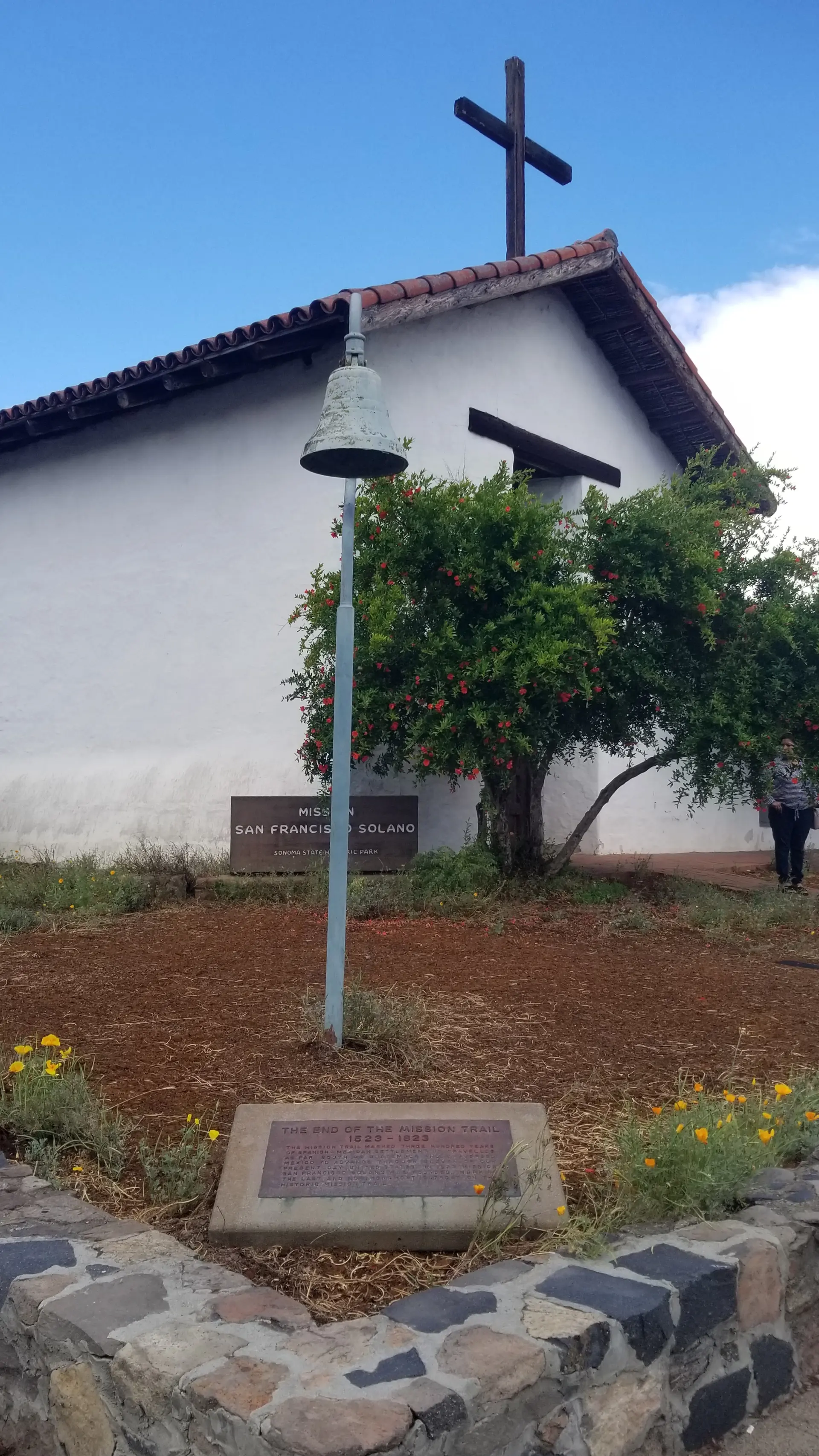
Mission San Francisco Solano
Sonoma, California, United States
10.7 km away
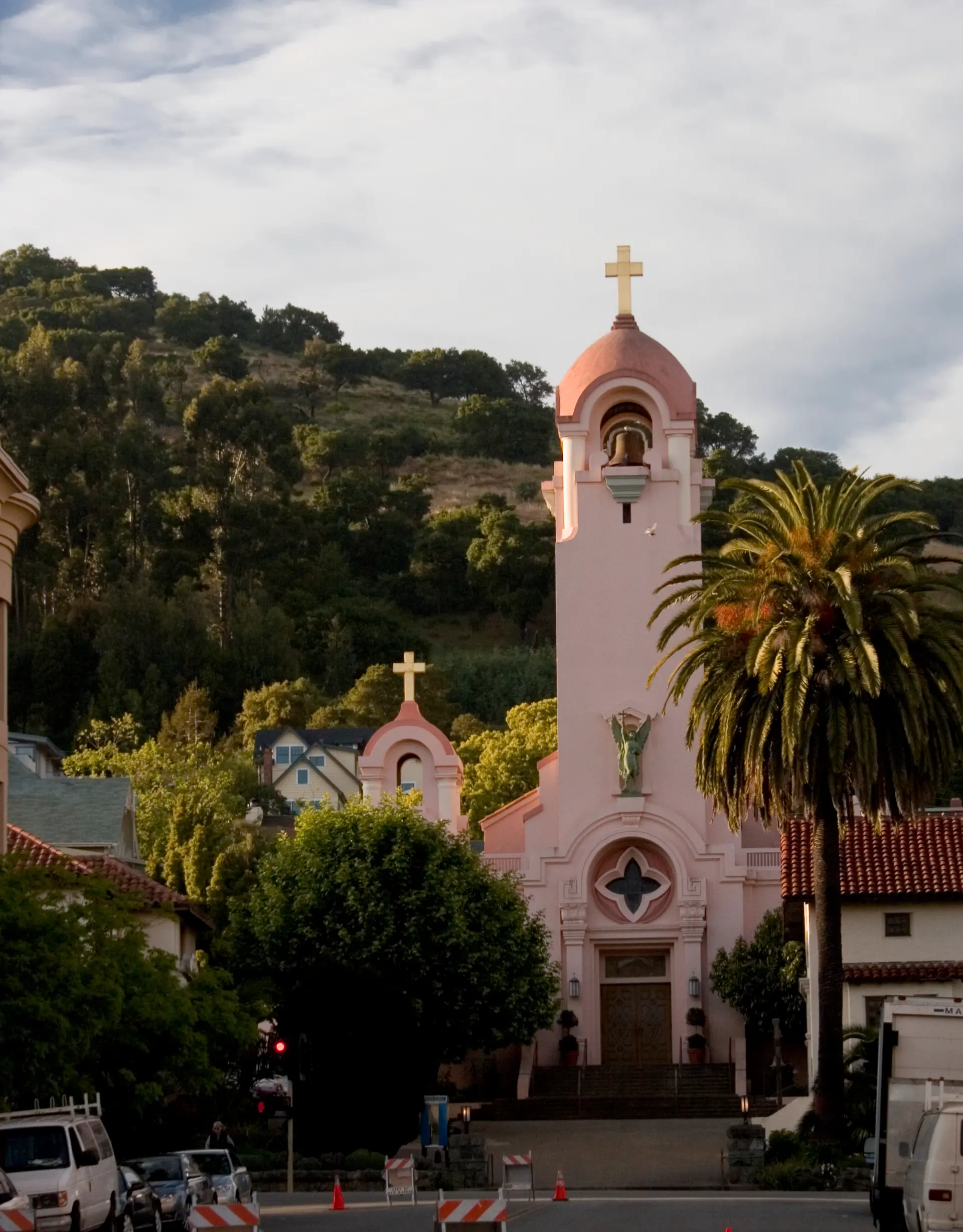
Mission San Rafael Arcángel
San Rafael, San Rafael, California, United States
26.1 km away
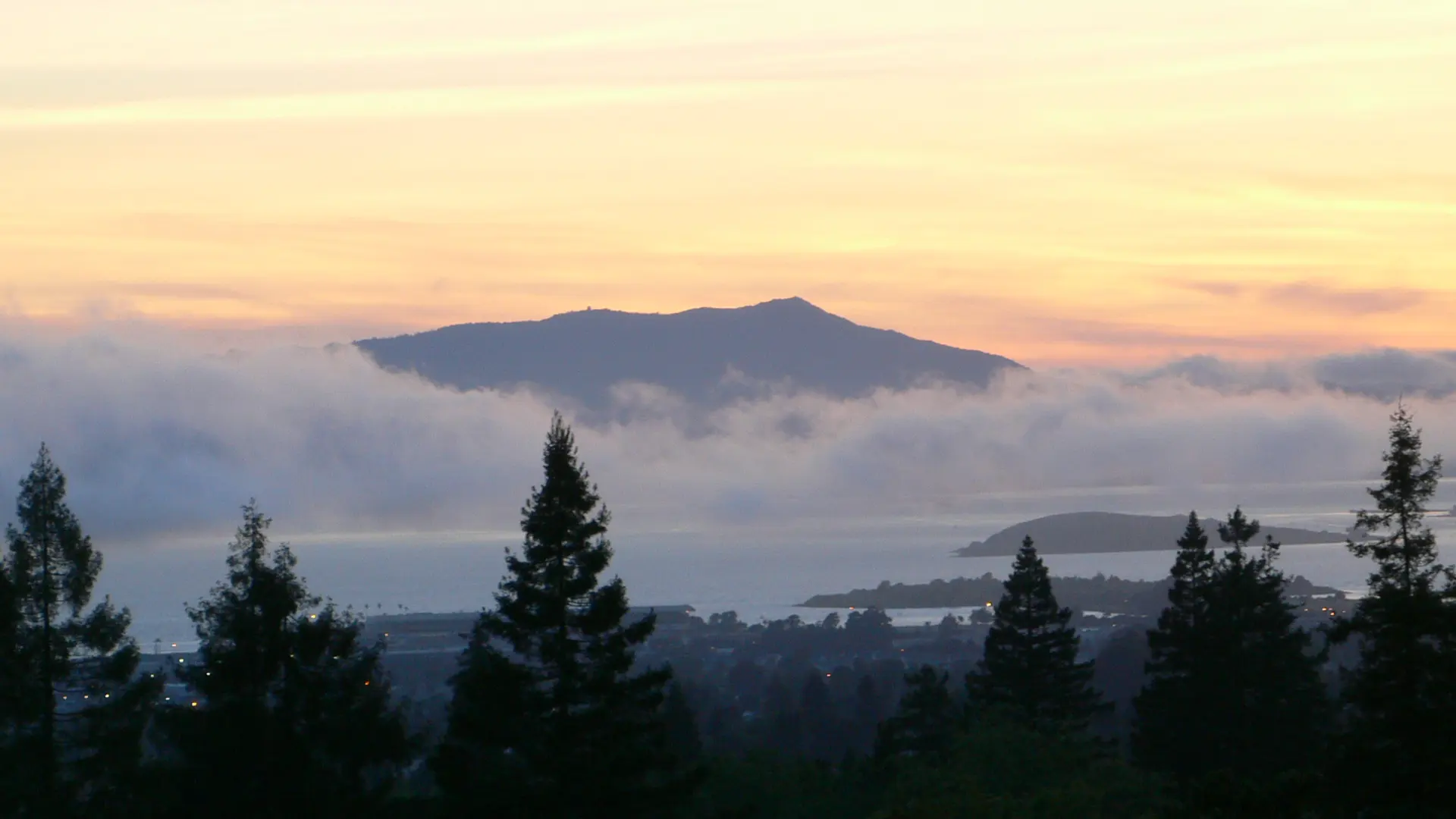
Mount Tamalpais
Marin County, California, United States
32.6 km away
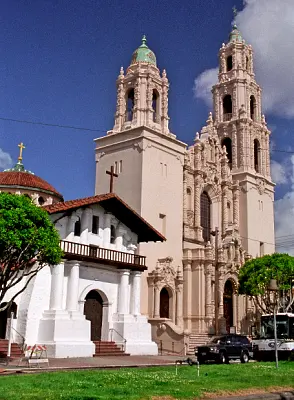
Mission San Francisco de Asís (Mission Dolores)
San Francisco, San Francisco, California, United States
50.0 km away
Share a photo
Help visitors recognize Tolay Lake. Every submission is reviewed before publication.