Virgen of Chaguaya
Where pilgrims walk through the night to meet their Mamita at dawn
Understand sacred places, explore living traditions, and learn how to engage respectfully with Pilgrim Map.
Access has not been verified. Check current local guidance before planning a visit.
Chaguaya, Tarija, Bolivia

Visit essentials
A quick read before you go
- Duration
- Day trip from Tarija by vehicle (2-3 hours each way plus visit).
- Access
- The sanctuary is located 67 km southwest of Tarija city.
Overview
The pilgrimage to Chaguaya begins at night in Tarija and crosses 65 kilometers of cold, dry valley to arrive at dawn. Some repeat the journey dozens of times to fulfill promises made in desperation; others come for the first time seeking something unnamed.
Tradition traces the sanctuary to a 1750 drought, when peasants saw the Virgin Mary in a luminous vision. After they tried to take her image home, it returned to a tree at the apparition site, wrapped in light. The villagers understood that she wished to be venerated there and built a chapel at dawn, beginning nearly three centuries of devotion.
Pilgrims from Bolivia and northern Argentina culminate their journey in the pisada: kneeling at the Virgin's feet, touched by her image, and offering prayers to their “little mother.” The twelve-hour walk is itself prayer—footsteps become meditation, exhaustion an offering, and cold purification—within long relationships of promises made, favors received, and gratitude returned.
Why this place is sacred
The apparition of 1750 established the site's fundamental claim to sacredness. In Catholic understanding, when the Virgin Mary appears, she does so with purpose—choosing where and to whom she reveals herself. The peasants who first saw her tried to claim her image for themselves, but she returned to the place she had chosen. This was not a site made sacred by human decision; it was a site revealed as sacred by divine action.
The subsequent centuries have layered meaning upon meaning. Each pilgrimage adds to the accumulation. Each answered prayer reinforces the site's reputation. Each generation passes down stories of what the Mamita has done for their family. This weight of devotion creates its own reality: a place saturated with faith, expectation, and gratitude.
The pilgrimage walk transforms the experience from passive visitation to active participation. Walking 65 kilometers through a cold night is not comfortable or convenient. It costs something. That cost is the point. The sacrifice of the body becomes an offering to the spirit. By the time pilgrims arrive, they have already prayed with their feet, their lungs, their aching muscles.
The pisada—the intimate encounter at the Virgin's feet—concentrates all of this into a single moment. After hours of walking, after years of relationship, the pilgrim kneels and is touched by the sacred image. Whatever happens in that moment is between the devotee and the Mamita. Many describe it as the most profound religious experience of their lives.
The first chapel was built to honor the Virgin's choice of this location. She could have been venerated anywhere; she chose to appear here and to return here. The sanctuary exists to serve her will, not human preference.
From a simple chapel built at dawn in 1750, the site has grown through the efforts of devoted clergy and faithful communities. The 1917 temple with its twin towers marked a significant expansion. The 1980s basilica and 1993 designation as National Monument represent official recognition of what the faithful always knew: this place is sacred to Bolivia.
Experience and orientation
The experience begins before the sanctuary is visible. It begins when you set out from Tarija as darkness falls, joining thousands of others walking the same road your grandparents walked, their grandparents walked. The cold settles in. Your feet begin to hurt. The hours stretch. Around you, others walk in silence or in prayer, strangers becoming companions through shared ordeal.
Dawn arrives as the sanctuary appears. After twelve hours of walking, the sight produces something difficult to describe—exhaustion transfigured into gratitude. You have arrived. You have given something. Now you will receive.
The pisada is the culmination. Kneeling before the Virgin's image, you are touched by her—literally, the image is brought to your feet, your head, your heart. In that moment, whatever you carry—your prayers, your thanks, your promises—is delivered. Many weep. Some have waited years for this moment, making and renewing promises through illness, through loss, through deliverance.
The return journey begins the cycle again. You leave with something resolved, something promised, something received. In the coming year, you will remember this moment. If your prayers are answered, you will return. The relationship with the Mamita is not a single transaction but a lifetime of reciprocity.
Those who arrive by vehicle, outside pilgrimage season, experience something quieter but still significant. The sanctuary holds the accumulated devotion of nearly three centuries. Even without the drama of the pilgrimage, that presence can be felt.
If you come as a pilgrim, commit fully to the walk. The sacrifice is the point. If you cannot walk the full distance, walk as much as you can. Arrive with genuine intention—a prayer, a need, a gratitude. The pisada is most powerful when you bring something real to it.
If you come as a visitor outside pilgrimage season, approach with respect for what this place means to those who have walked here through the night, who have made and kept promises here, who have wept here in grief and gratitude. Their devotion has shaped this place. Honor it.
Whatever your faith or lack of it, consider sitting quietly in the sanctuary. Let the accumulated meaning of the place work on you without forcing it into frameworks it may not fit.
Context and lineage
The year was 1750. A severe drought gripped the Tarija valley. Crops withered; animals weakened; desperation grew. Peasants returning from their labors discussed what could save them. Only rain, they agreed—only divine intervention.
Then they saw her. The Virgin Mary appeared in a luminous vision at a place near what is now the village of Chaguaya. Overwhelmed, the peasants took her image to their home. Word spread; neighbors came to venerate her. But when they arrived, the image had vanished.
Returning to the site of the apparition, they found her there—resting in the branches of a tree, wrapped in a ray of light. She had returned to the place she had chosen. The peasants understood. Through the night they prayed, and at dawn they built the first chapel on that very spot.
The rains came. The devotion spread. Nearly three centuries later, the Mamita de Chaguaya continues to draw those who seek her intercession, her protection, her maternal love.
The devotion to the Virgen de Chaguaya belongs to the broader tradition of Marian apparition shrines that emerged throughout the Spanish colonial world. These sites often blended official Catholic devotion with local practices, creating distinctive regional expressions of Marian piety. Chaguaya's walking pilgrimage echoes similar traditions across Latin America while maintaining its own character—shaped by the Tarija valley's landscape, climate, and communities.
Virgen de Chaguaya
deity
The Virgin Mary as she appeared to peasants in 1750 and continues to be venerated at the sanctuary. Called 'Mamita' (Little Mother), she is understood as an accessible, maternal presence who hears prayers and fulfills promises.
Father Juan Aparicio
historical
The priest who initiated construction of the 1917 temple, providing the sanctuary with a more substantial structure for its growing pilgrimage.
Traditions and practice
The traditional pilgrimage follows a structured sequence. Pilgrims begin in Tarija, often gathering at the cathedral for a blessing before departure. The walk through the night takes approximately twelve hours. Upon arrival, pilgrims seek confession—cleansing their souls before meeting the Virgin. The Mass provides sacramental nourishment. The pisada is the culminating encounter: kneeling before the Virgin's image, being touched by it, delivering one's prayers directly.
The promesa system creates long-term spiritual relationships. Devotees make vows to the Virgin—promising to walk the pilgrimage, to change their lives, to give thanks—in exchange for her intercession. When prayers are answered, the promise must be fulfilled. Many pilgrims have walked to Chaguaya dozens of times, each journey fulfilling and renewing their sacred commitment.
Contemporary pilgrimage maintains traditional practices while accommodating modern circumstances. Some pilgrims walk shorter distances; others drive part of the way. The essence remains: approaching the Virgin with genuine intention, receiving her blessing, honoring one's promises.
The pilgrimage season runs from August 15 to September 15, with the First Sunday of August marking the official opening. During this period, tens of thousands converge on the sanctuary. The atmosphere combines profound devotion with communal celebration—processions, music, shared meals. Outside pilgrimage season, visitors can experience the sanctuary in quieter contemplation.
If you come during pilgrimage season, walk. Even if you cannot walk the full distance, walk part of it. The physical sacrifice is integral to the spiritual experience. Arrive with something genuine to bring—a prayer, a need, a gratitude.
Participate in the pisada if offered. Even non-Catholics may be welcomed to this encounter; the Mother of God does not turn away sincere seekers. But approach with seriousness. This is not performance; it is prayer.
If you make a promesa, understand that it carries weight. The tradition of fulfilled promises is what sustains this place. Do not promise what you cannot deliver.
Roman Catholicism
ActiveThe Virgen de Chaguaya represents one of Bolivia's most important Marian devotions and the largest Catholic pilgrimage in the country. The apparition tradition connects this site to the broader history of Marian appearances throughout the Catholic world, while the local practices of walking pilgrimage, promesas, and pisada give it distinctive regional character. The sanctuary's elevation to basilica status and designation as National Monument reflect its significance to both Church and nation.
The pilgrimage combines standard Catholic sacramental practice (confession, Mass, communion) with distinctive local traditions (the walking pilgrimage, the pisada, the promesa system). Together these create a complete spiritual exercise integrating physical sacrifice, sacramental grace, communal solidarity, and personal devotion.
Bolivian Folk Catholicism
ActiveThe Chaguaya pilgrimage expresses a form of Catholicism shaped by Andean culture and history. The affectionate term 'Mamita' reflects an intimate, familial relationship with the Virgin that differs from more formal Marian devotions. The promesa system embodies Andean principles of reciprocity—giving and receiving, promising and fulfilling. The walking pilgrimage continues traditions of physical sacrifice that may predate Christianity in this region.
Making promesas, walking long distances as spiritual offering, the pisada encounter, communal meals and celebrations—these practices blend official Catholic ritual with local custom, creating something neither purely European nor purely indigenous.
Perspectives and open questions
The pilgrimage to Chaguaya invites multiple readings: as living Catholic devotion, as expression of Andean folk religion, as social phenomenon binding communities across generations. Each perspective illuminates the others.
Scholarly perspective
Anthropologists and sociologists recognize Chaguaya as a significant example of Latin American popular Catholicism. Academic studies have examined pilgrim motivations, finding that religious sincerity and the fulfillment of promises rank above tourism or social obligation. The pilgrimage embodies reciprocal relationships with the sacred characteristic of Andean religious culture, where the faithful give and receive, promise and fulfill, in ongoing exchange with divine figures who respond to human devotion.
Living and traditional perspectives
For believing Catholics, the Virgin of Chaguaya is the Mother of God as she chose to reveal herself in southern Bolivia. Her apparition was real; her return to the chosen site was miraculous; her ongoing intercession is efficacious. The pilgrimage is not symbolic but actual encounter: walking to meet the Mamita, kneeling at her feet, delivering prayers directly to one who hears and responds.
Answered prayers confirm what faith already knows: she is present, she is listening, she is mother to all who come.
Open questions
The full circumstances of the 1750 apparition remain unclear—who exactly the visionary peasants were, what precise words were spoken, what happened in the months and years immediately following. The specific miracles attributed to the Virgin over nearly three centuries have been passed down through oral tradition but have not been systematically documented. These gaps may be appropriate; the sacred often resists the kind of scrutiny that would reduce it to mere fact.
Plan your visit
Access and arrival
The sanctuary is located 67 km southwest of Tarija city. Vehicle access is available year-round. The traditional pilgrimage is walked from Tarija, typically departing in evening and arriving at dawn. During pilgrimage season, public transportation and services increase significantly.
During pilgrimage season, the sanctuary area is crowded with temporary camps and facilities. Tarija offers a range of accommodations and serves as the base for most pilgrims. For the walking pilgrimage, no overnight accommodation is needed—pilgrims walk through the night.
Respectful visit
Modest dress required. Cover shoulders and knees. For the walking pilgrimage: layers for cold nights, comfortable walking shoes, sun protection for arrival at dawn.
Generally permitted outside of services. Never photograph individuals during the pisada or other devotional moments without their explicit permission. Respect that some moments are too sacred for cameras.
Donations are welcomed. Candles are available for purchase. Promesas traditionally involve personal sacrifices rather than monetary offerings, but gifts to the sanctuary are appreciated.
{"Maintain silence or low voices during services","No photography during Mass or pisada without permission","Communion reserved for prepared Catholics","Respect the space of pilgrims at prayer","Do not treat devotional practices as performance or spectacle"}
The night walk is physically demanding. Prepare appropriately: warm clothing, comfortable shoes, water, food. The valley can be very cold after dark.
During pilgrimage season, the sanctuary is extremely crowded. Patience and respect for fellow pilgrims are essential.
This is a living devotional site, not a cultural attraction. Photography and observation should never interfere with others' religious practice.
Current practical details
Address
45JG+RMF, Chaguaya, Bolivia
Hours
Hours, fees, and access can change — verify on the official source before you travel. Practical details last checked Jun 2026.
Location
Map loads as you approach this section.
Pilgrim reflections
A portrait of encounter, not a score
Pilgrims describe what they felt, how present they could become, and whether the place would shape a journey. There are no stars and no ranking of traditions.
No reviewed reflections yet
The first pilgrims can help describe the character of being here.
Share a reflection
Available after an account-backed “Been there.” Every reflection is reviewed before publication.
Nearby sacred places
Explore other sacred places in the region. Proximity does not establish access or travel time; check each place’s guidance.

Pucara de Tilcara, Argentina
Tilcara, Jujuy, Argentina
200.2 km away

Salar de Uyuni
Municipio Colcha K, Potosí, Bolivia
346.8 km away
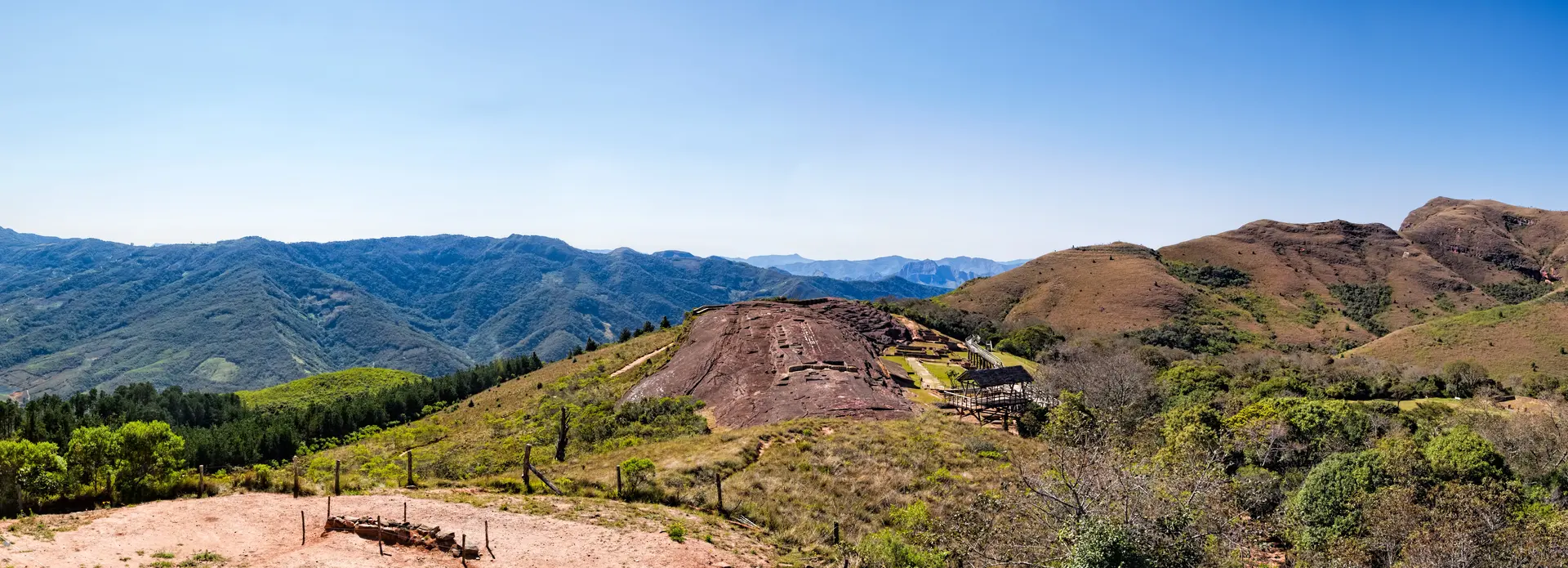
Ruins of El Fuerte ceremonial site, Samaipata
Municipio Samaipata, Santa Cruz, Bolivia
423.3 km away
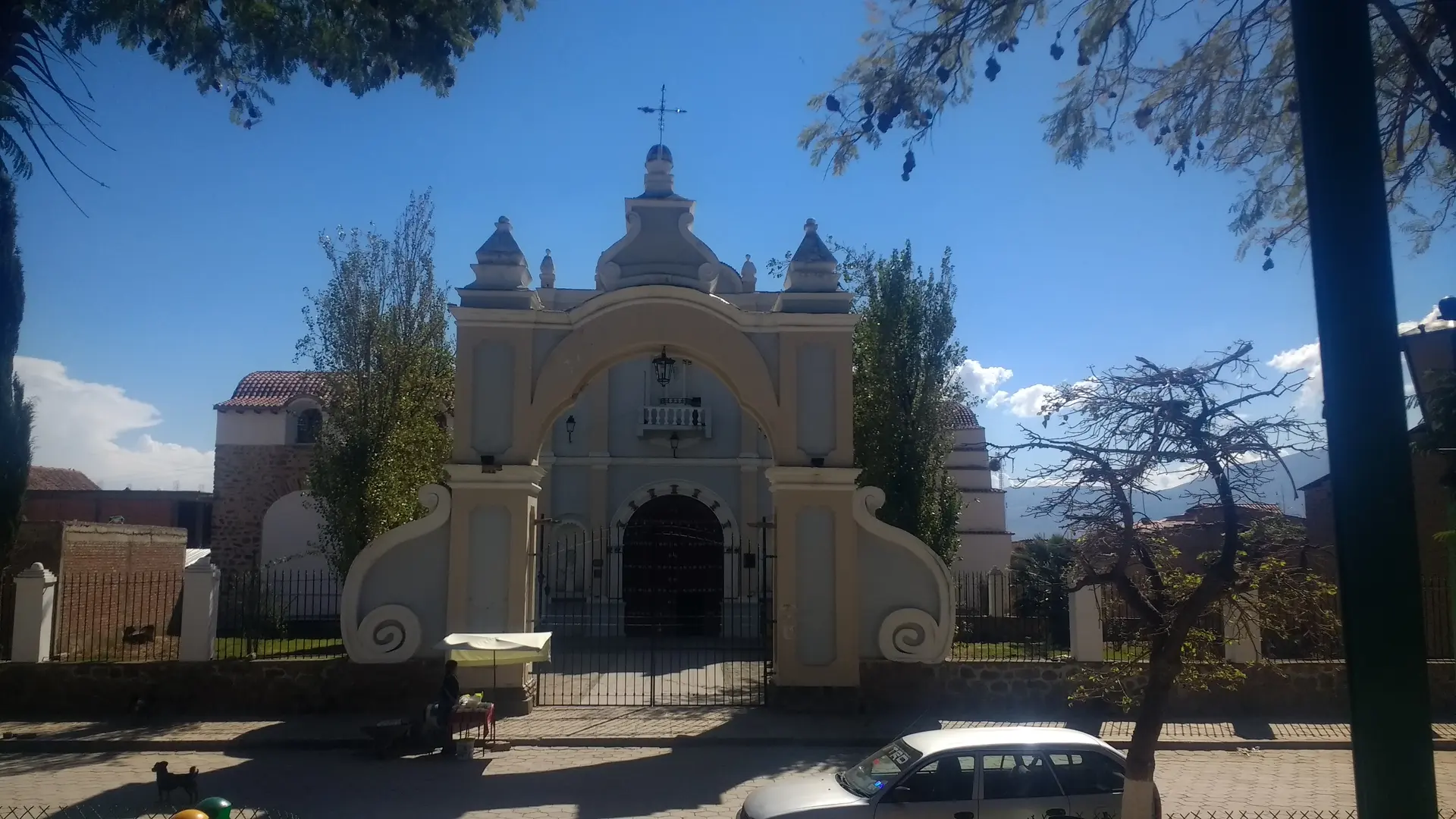
Arani, Church of San Bartolomé, Nuestra Señora La Bella
Municipio Arani, Cochabamba, Bolivia
487.7 km away
Share a photo
Help visitors recognize Virgen of Chaguaya. Every submission is reviewed before publication.