Brora Pictish Cairn
A Pictish-era cairn near the North Sea coast, standing quietly above the town of Brora in Sutherland
Understand sacred places, explore living traditions, and learn how to engage respectfully with Pilgrim Map.
Access has not been verified. Check current local guidance before planning a visit.
Brora, Scotland, United Kingdom
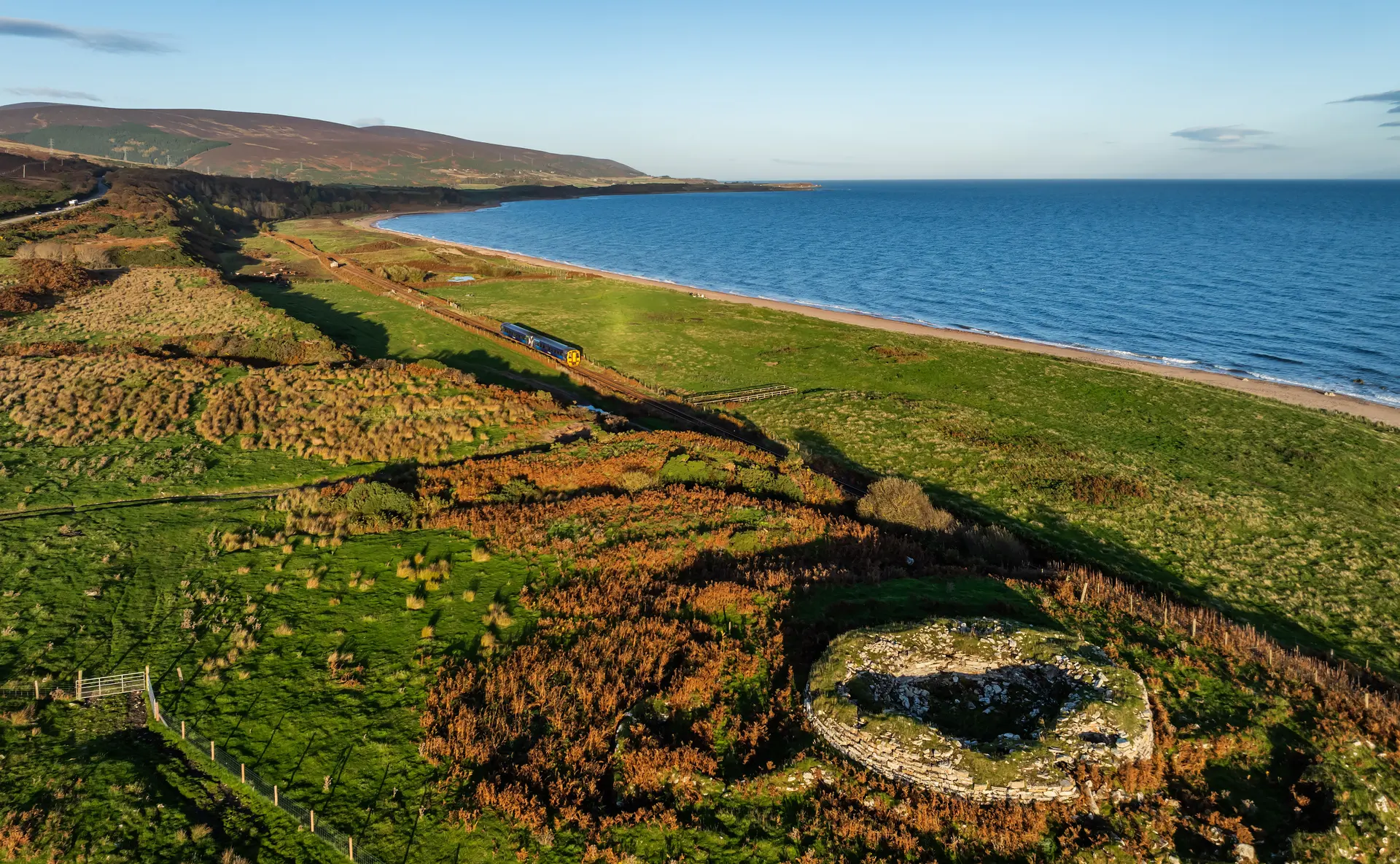
Image of Brora Pictish Cairn. Image source · CC-BY-SA-4.0
Visit essentials
A quick read before you go
- Duration
- One to two hours to explore the cairn and enjoy the views.
- Access
- The site lies above Brora, Sutherland.
Overview
The landscape around Brora in Sutherland holds layer upon layer of human history. The town sits at the mouth of the River Brora, where the strath opens to the North Sea. Inland, Loch Brora threads northwest between hills that were home to Iron Age communities whose brochs still punctuate the skyline. The Pictish cairn near Brora belongs to this wider pattern of settlement and commemoration, though its specific history remains largely unwritten.
What is known places the structure within the Pictish period, broadly the third to ninth centuries CE, a time when the peoples of northern Scotland were creating elaborate symbol stones, constructing distinctive buildings, and maintaining cultural traditions that would eventually merge with incoming Norse and Gaelic influences. Whether this particular cairn served as a burial monument, a boundary marker, or some other purpose that eludes modern categories cannot be stated with confidence.
The Pictish period in Sutherland is represented by scattered monuments and sparse documentary evidence, and many attributions rely on typological comparison rather than direct dating.
To visit the site is to encounter this uncertainty honestly. The cairn does not explain itself. It offers no interpretation panels, no visitor infrastructure. It simply stands, as it has stood for perhaps fifteen hundred years, above a town that has grown up around it without quite noticing it. For those willing to sit with the unknown, this quality of reticence can be its own reward.
Why this place is sacred
The concept of thin places finds expression in unexpected locations. Not all such sites announce themselves with dramatic settings or well-known histories. Some derive their power precisely from being overlooked, from existing at the margins of attention where the ordinary and the ancient overlap without fanfare.
The Pictish cairn near Brora belongs to this quieter category. The Picts themselves remain among the most enigmatic peoples in European history. They left no surviving texts in their own language. Their symbol stones, carved with elaborate geometric and zoomorphic designs, have resisted definitive interpretation for centuries. Their buildings and burial practices are known primarily through archaeology rather than literary record. To encounter a Pictish monument is to encounter a culture that communicates through material presence rather than explanation.
The cairn's position above Brora places it between the domestic world of the town below and the wilder landscape of the hills above. This threshold quality, this sense of being between worlds, is characteristic of many sites that visitors experience as thin. The cairn marks a boundary not only in space but in time, standing at the edge of what can be known about the people who built it.
The specific purpose of this cairn has not been established through excavation or detailed study. Cairns in the Pictish period served multiple functions: burial, commemoration, territorial marking, and possibly ritual purposes that leave no archaeological trace. The attribution to the Pictish period rests on typological grounds and local tradition rather than radiocarbon dating or systematic excavation.
The monument has likely stood in its present form since the Pictish period, slowly weathering but not substantially modified. It passed through centuries of changing land use, surviving the clearances that transformed much of Sutherland's human geography in the eighteenth and nineteenth centuries. Its current status is as an archaeological feature in a landscape where such features are common enough to escape individual attention.
Experience and orientation
The approach to the cairn begins from the town of Brora itself. The walk involves gaining elevation on the hillside above the town, moving from the settled world of houses and roads into rougher ground where the land opens to views of the coast and the hills of Sutherland.
The cairn, when reached, is modest in scale. This is not a monument that overwhelms with size or spectacle. Its power lies in its persistence, the fact that it has remained here, essentially unchanged, while the world around it has been transformed by centuries of human activity. The stones are rough, weathered, holding the grey tones of the Highland rock from which they were quarried or gathered.
From the cairn's position, the view extends over Brora to the Moray Firth. On clear days, the horizon line where sea meets sky creates a sense of openness that contrasts with the enclosed, contained quality of the cairn itself. The wind, nearly constant at this latitude, provides a continuous presence. Standing here, one is aware of being at a high point both physically and temporally, looking down on a landscape that has been inhabited for thousands of years.
The absence of other visitors is likely. This is not a destination that attracts crowds. That solitude, combined with the cairn's age and the landscape's beauty, creates conditions for reflection that more popular sites cannot easily provide.
The site lies on the hills above Brora, Sutherland. Approach from the town by walking uphill. No formal path or signage exists. The terrain is typical Highland hillside: heather, grass, and rough ground. Allow time for the walk and for finding the cairn, which may not be immediately visible until you are close. Combine with visits to the better-known brochs in the area, particularly Carn Liath and Carrol.
Context and lineage
No specific origin narrative survives for this cairn. The Picts left no written accounts in their own language, and the oral traditions that may have accompanied their monuments were not recorded before they were lost. What survives is the physical structure itself, an assertion in stone whose meaning must be inferred rather than read.
The lineage connecting this monument to its builders is broken. The Pictish kingdom was absorbed into the Kingdom of Alba in the ninth century CE, and the specific cultural practices of the Picts gradually merged with Gaelic and Norse traditions. No continuous community of practice connects the present to the cairn's original purpose. What remains is the monument itself, holding its place in a landscape that has changed around it.
Traditions and practice
Original Pictish practices at this site are unknown. Cairns in the Pictish period may have served as burial monuments, with ceremonies of interment and commemoration. The Picts are known to have practiced both inhumation and cremation burial at different periods and locations. Whether specific rituals accompanied the construction or use of this cairn cannot be determined from available evidence.
No established spiritual community maintains regular practice at this site. Some visitors interested in Scottish heritage or earth-based spirituality may include the cairn in walks through the Sutherland landscape.
The site rewards unhurried presence. Allow the walk to the cairn to serve as preparation, a transition from the busy world below. Observe the construction of the cairn, the placement of its stones. Consider what it means for a structure to persist for more than a thousand years in a landscape that has been repeatedly transformed. Silence is appropriate here.
Pictish Culture
HistoricalThe cairn is attributed to the Pictish period, broadly the third to ninth centuries CE. The Picts were the dominant people of northern and eastern Scotland during this era, known for their elaborate symbol stones, distinctive metalwork, and cultural practices that remain largely mysterious due to the absence of surviving Pictish texts. In Sutherland, Pictish settlement succeeded and overlapped with earlier Iron Age communities, creating a palimpsest of human habitation that the modern landscape still reflects.
Pictish burial and commemorative practices varied across their territory and over time. Cairns may have served as burial monuments, territorial markers, or both. The Picts are known to have practiced both inhumation and cremation. Specific rituals associated with cairn construction or use at this site cannot be reconstructed from available evidence.
Perspectives and open questions
The Brora Pictish Cairn occupies a space of productive uncertainty. Little has been published about this specific site, and the Pictish period in Sutherland remains only partially understood. This means that the monument invites interpretation while honestly resisting definitive answers.
Scholarly perspective
The cairn is attributed to the Pictish period on typological grounds. The Picts occupied northern and eastern Scotland from roughly the third to the ninth centuries CE. In Sutherland, Pictish settlement is attested by symbol stones, place names, and a range of archaeological monuments. However, many sites attributed to the Picts have not been subject to modern excavation or dating. The relationship between Iron Age broch-building communities and later Pictish populations in this region remains an active area of research.
Living and traditional perspectives
No traditional narratives survive specifically for this cairn. The Picts left no written records in their own language, and later Gaelic and Norse traditions in Sutherland did not preserve Pictish oral histories. The place name Brora itself derives from Old Norse, reflecting the later Norse influence on the region rather than its Pictish heritage.
Alternative interpretations
Some contemporary practitioners of earth-based spirituality view Pictish cairns as energy points in the landscape. These interpretations have no basis in archaeological evidence but represent one way in which modern seekers engage with monuments whose original meaning has been lost.
Open questions
Almost everything specific about this cairn remains unknown: who built it, when exactly it was constructed, what purpose it served, what beliefs accompanied its creation, and why this particular location was chosen. These are not gaps in current knowledge that future research will necessarily fill; they may represent information that is permanently lost.
Plan your visit
Access and arrival
The site lies above Brora, Sutherland. Brora is on the A9 between Golspie and Helmsdale. The town has a railway station on the Far North Line from Inverness. From Brora, walk uphill toward the cairn. No formal path exists; the terrain is rough Highland hillside. Waterproof footwear is essential. The site is not accessible to wheelchairs.
Brora offers limited accommodation including hotels, guest houses, and self-catering options. More extensive options are available in Golspie and Dornoch to the south.
Respectful visit
No specific requirements beyond practical Highland outdoor clothing. Waterproof boots, wind-resistant layers, and rain protection are advisable at any season.
Photography is permitted throughout. The elevated position offers good views for landscape photography.
Do not leave offerings at the site. As an archaeological monument, its integrity should be preserved.
Do not disturb, damage, or remove any stones or material from the cairn or surrounding area.
The site is on open hillside with no facilities. Weather conditions can change rapidly. Sturdy footwear and weatherproof clothing are essential. The cairn is an archaeological feature; do not disturb or remove any stones.
Location
Map loads as you approach this section.
Pilgrim reflections
A portrait of encounter, not a score
Pilgrims describe what they felt, how present they could become, and whether the place would shape a journey. There are no stars and no ranking of traditions.
No reviewed reflections yet
The first pilgrims can help describe the character of being here.
Share a reflection
Available after an account-backed “Been there.” Every reflection is reviewed before publication.
Nearby sacred places
Explore other sacred places in the region. Proximity does not establish access or travel time; check each place’s guidance.
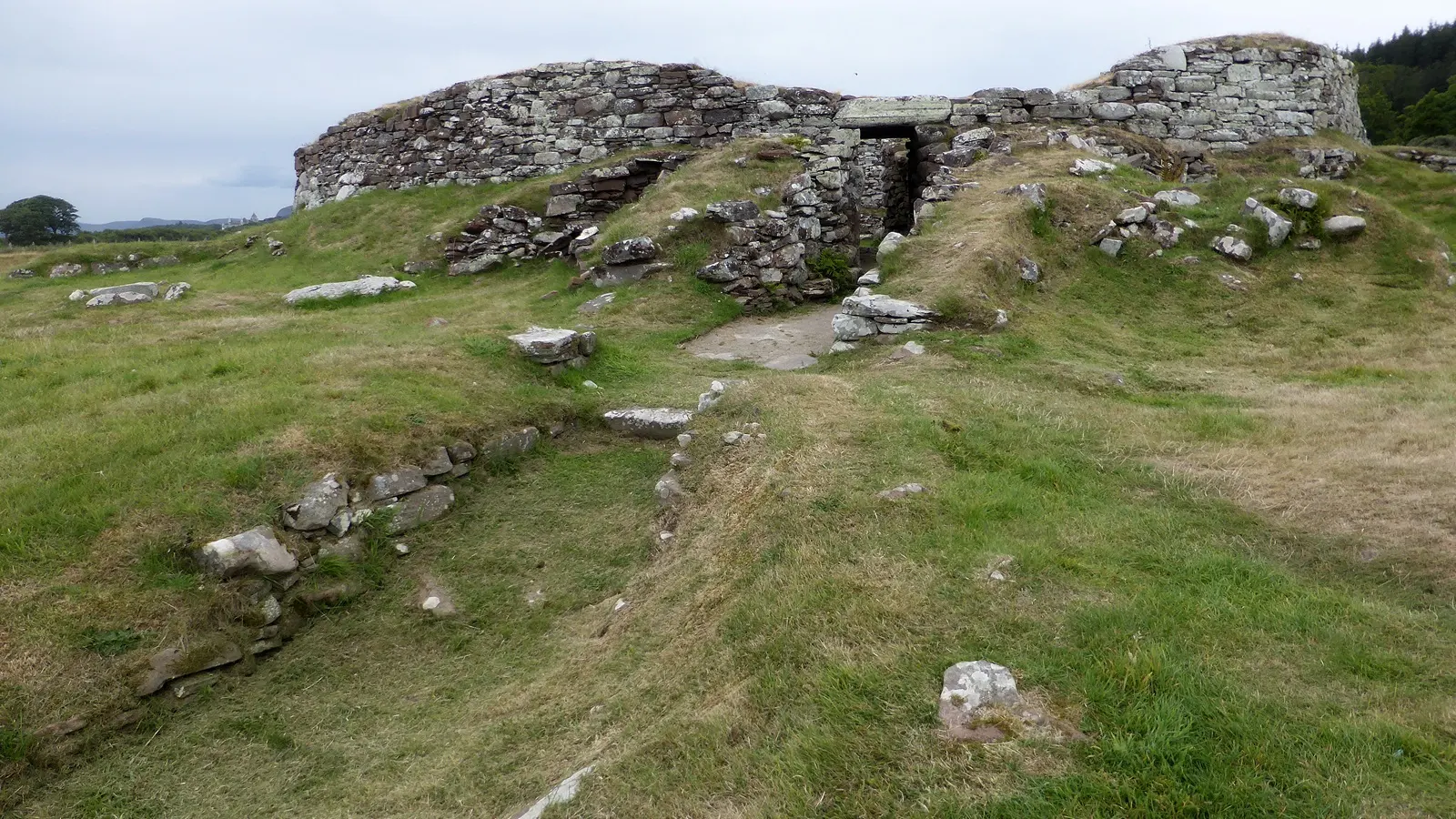
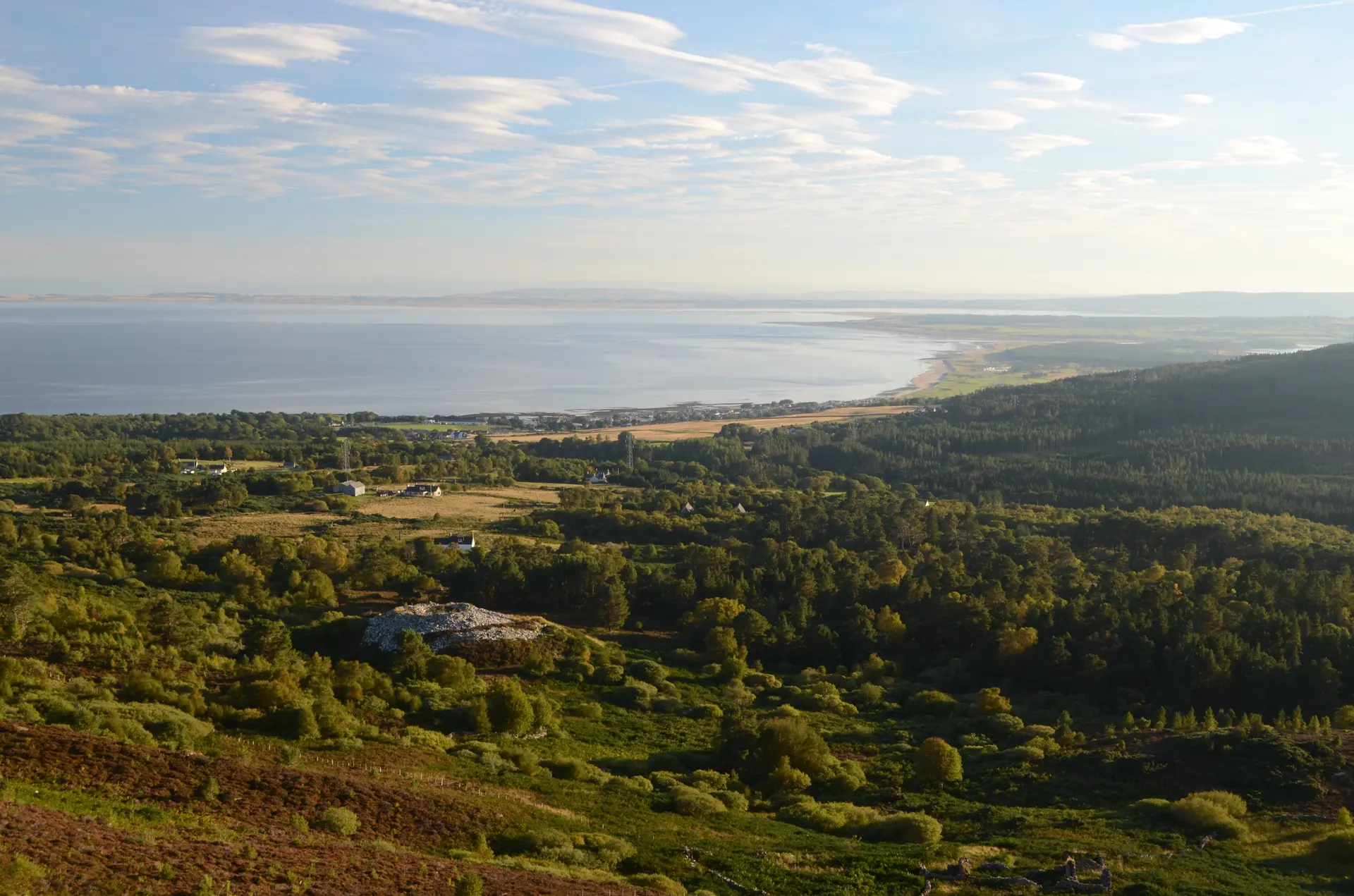

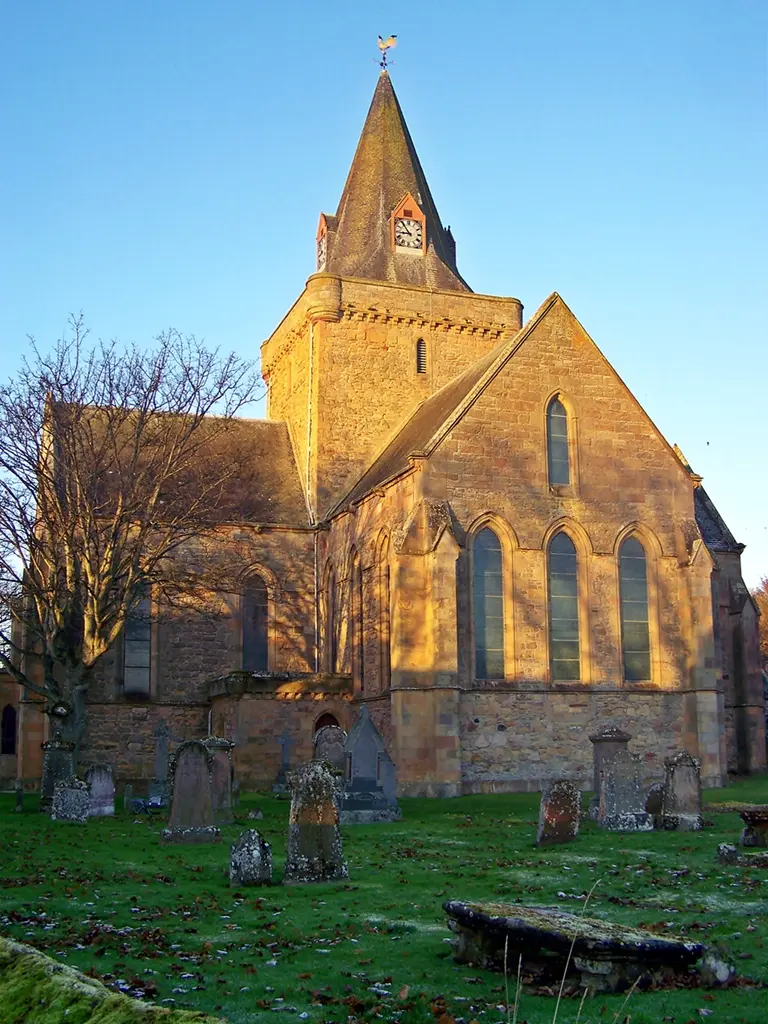
Share a photo
Help visitors recognize Brora Pictish Cairn. Every submission is reviewed before publication.