Site type guide
Standing Stones
Standing Stones sites reveal how different traditions shape sacred space through architecture, landscape, ritual, and memory.
3 standing stones sacred sites. Use the country and tradition filters to narrow in.
Atlas summary
Standing Stones sacred sites overview
Standing Stones sacred sites span countries, traditions, pilgrimage routes, and sacred landscapes represented in the Pilgrim Map atlas.
Use this guide to compare major country clusters, represented traditions, UNESCO-tagged places, and the map distribution before opening individual site pages.
| Coverage | 3 standing stones sacred sites across the current atlas. |
|---|---|
| Major countries | |
| Traditions |
By country
By tradition
Refine the atlas
Search within standing stones sites
All sites
3
Showing 1-3 of 3 sites in this site-type guide
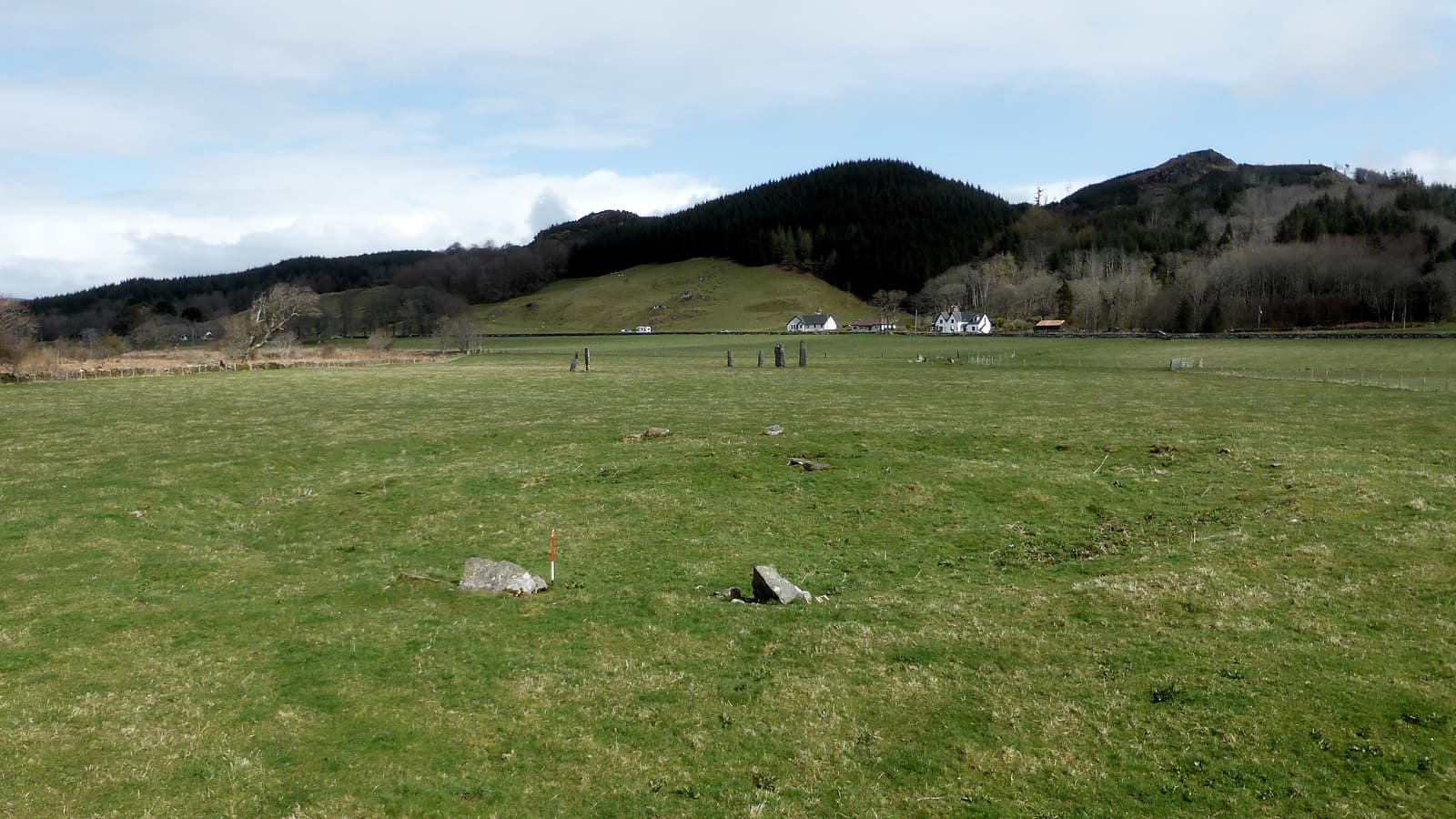
Ballymeanoch Neolithic site, Kilmartin Glen
Kilmartin, Alba / Scotland, United Kingdom
In Kilmartin Glen, where more than 350 ancient monuments cluster within six miles of a quiet village, Ballymeanoch holds its ground with particular intensity....
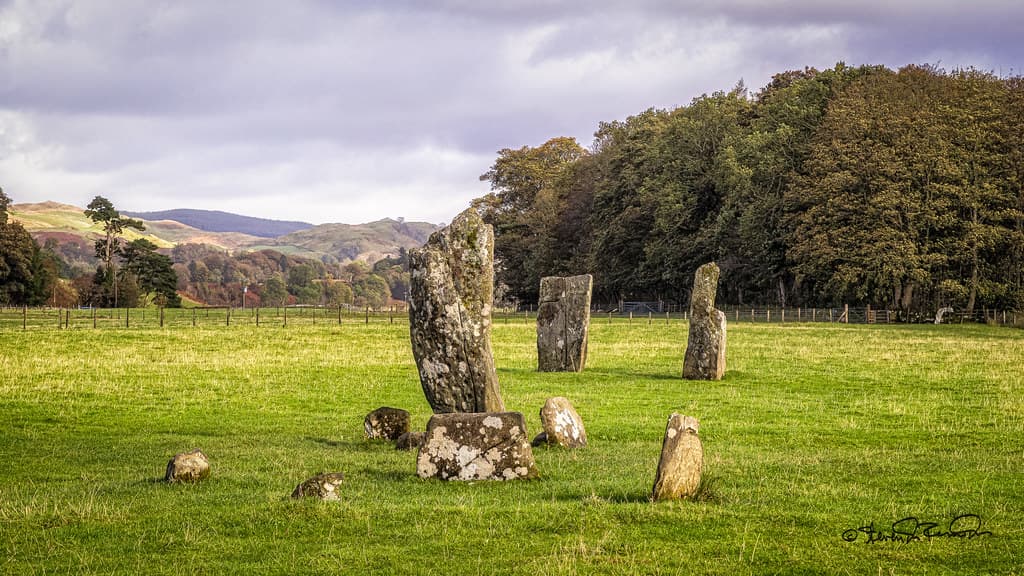
Nether Largie standing stones, Argyll, Scotland
Kilmartin, Alba / Scotland, United Kingdom
Five massive stones stand in an X-shaped pattern at the heart of Kilmartin Glen, mainland Scotland's richest prehistoric landscape....
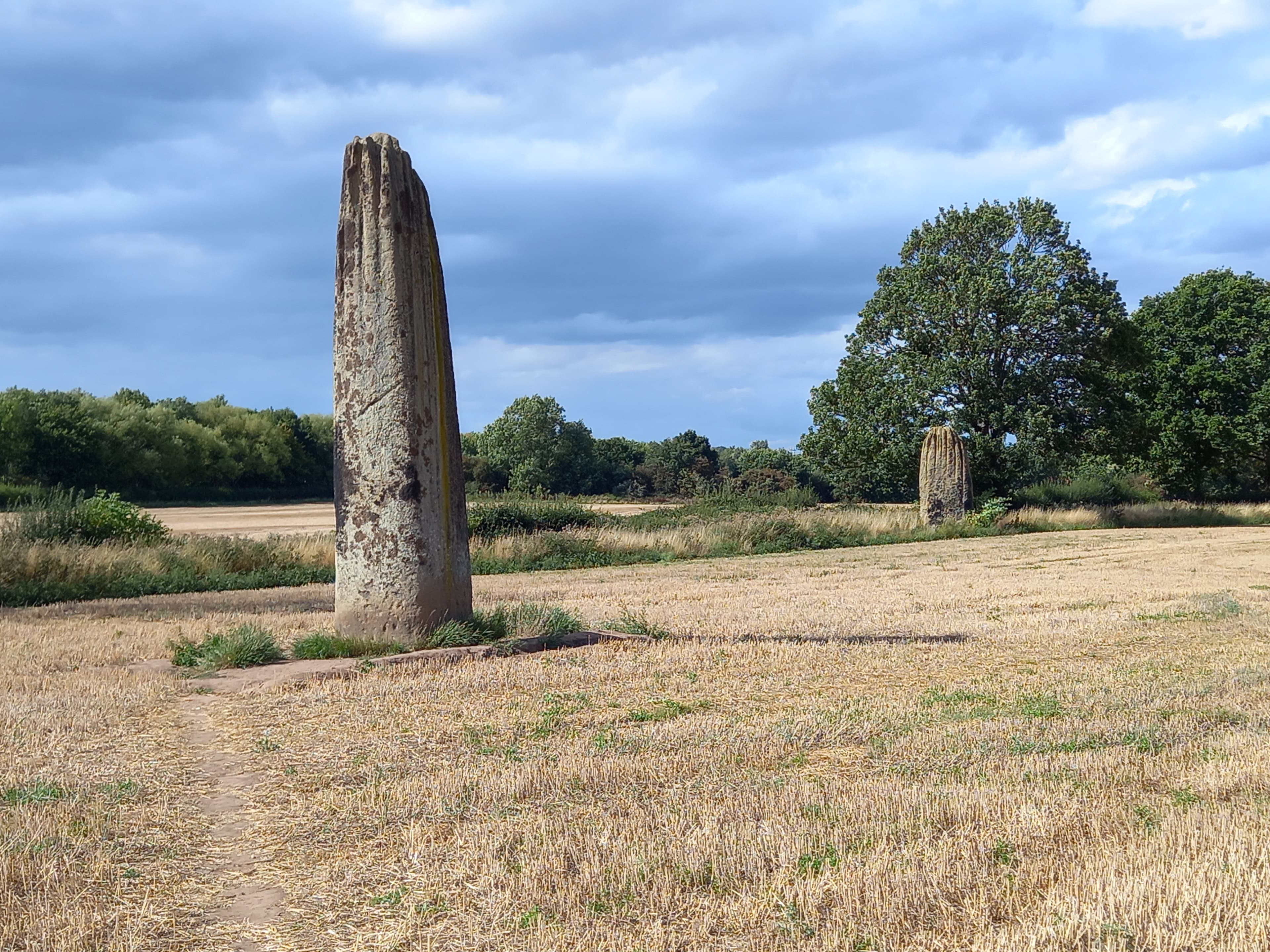
The Devils Arrows
Boroughbridge, England, United Kingdom
Rising from the fields west of Boroughbridge, the Devil's Arrows are among Britain's tallest and most mysterious standing stones....
Key questions
Standing Stones sacred-site questions
- What standing stones sacred sites are included?
- Standing Stones sacred sites are places where this site type carries religious, ritual, cultural, or pilgrimage significance. This guide lists 3 in the current Pilgrim Map atlas.
- Where are these standing stones sites located?
- Major country clusters include United Kingdom.
- Which traditions are represented?
- Traditions represented here include Celtic and Prehistoric.
- Can I view standing stones sacred sites on a map?
- Yes. Compare the country and tradition clusters, switch to map view for geography, then use site pages for practical context and related places.