Site type guide
Sacred Tree
Sacred Tree sites reveal how different traditions shape sacred space through architecture, landscape, ritual, and memory.
3 sacred tree sacred sites. Use the country and tradition filters to narrow in.
Atlas summary
Sacred Tree sacred sites overview
Sacred Tree sacred sites span countries, traditions, pilgrimage routes, and sacred landscapes represented in the Pilgrim Map atlas.
Use this guide to compare major country clusters, represented traditions, UNESCO-tagged places, and the map distribution before opening individual site pages.
| Coverage | 3 sacred tree sacred sites across the current atlas. |
|---|---|
| Major countries | |
| Traditions | |
| UNESCO heritage | 1 UNESCO-tagged sacred tree site appear in this browse view. |
By country
By tradition
Refine the atlas
Search within sacred tree sites
All sites
3
Showing 1-3 of 3 sites in this site-type guide

Chêne à Guillotin
Concoret, Bretagne, France
On the edge of Broceliande forest stands an oak that may be a thousand years old, its hollow trunk blackened with age yet still alive....
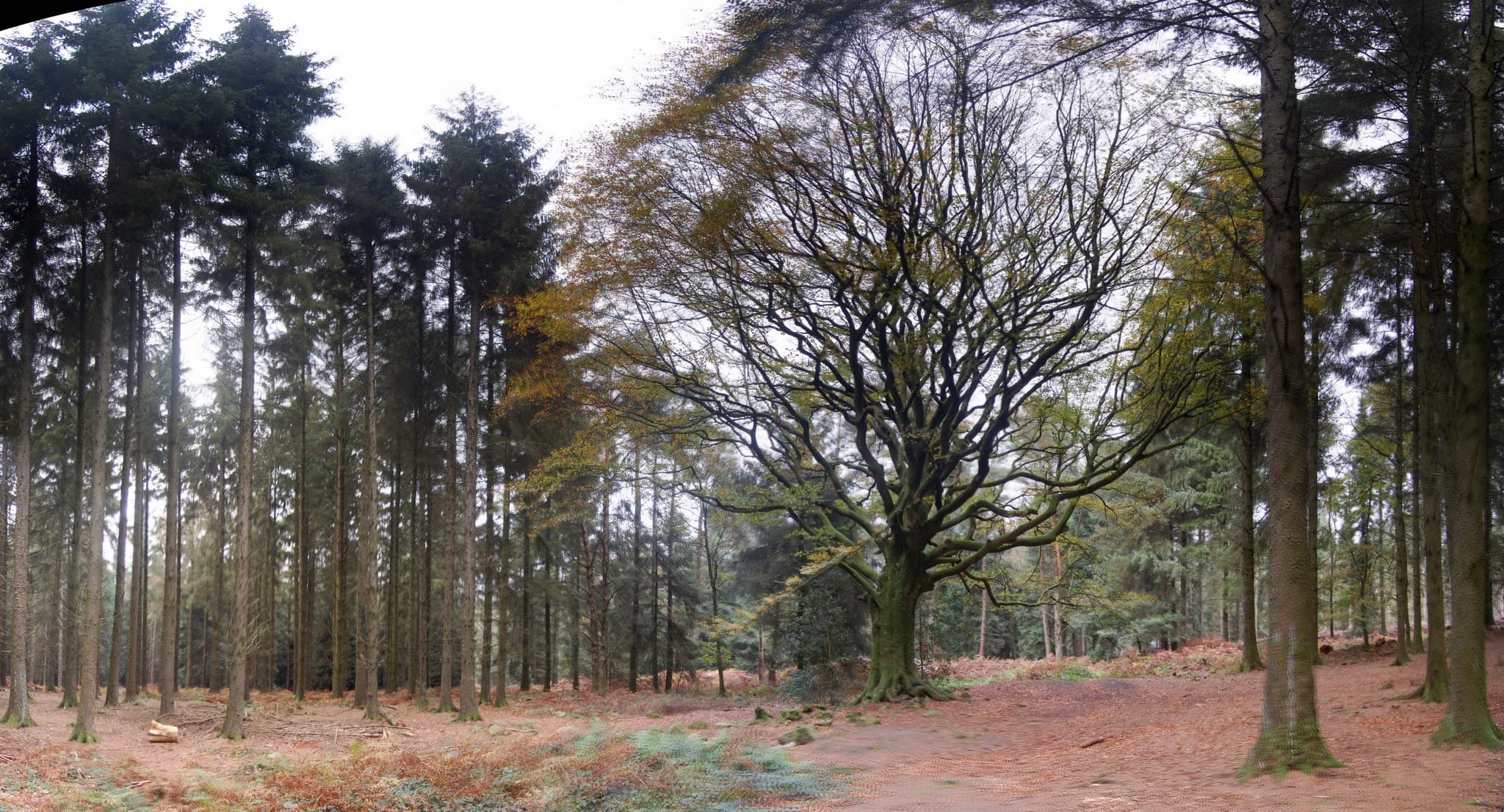
Hêtre de Ponthus
Concoret, Bretagne, France
For three centuries, the Hetre de Ponthus stood near the Fountain of Barenton in Broceliande forest, the only remarkable tree in the legendary wood directly connected to...

Jaya Sri Maha Bodhi
Anuradhapura, North Central Province, Sri Lanka
A cutting from the tree under which the Buddha attained enlightenment was brought to Sri Lanka in the 3rd century BCE....
Key questions
Sacred Tree sacred-site questions
- What sacred tree sacred sites are included?
- Sacred Tree sacred sites are places where this site type carries religious, ritual, cultural, or pilgrimage significance. This guide lists 3 in the current Pilgrim Map atlas.
- Where are these sacred tree sites located?
- Major country clusters include France, Sri Lanka.
- Which traditions are represented?
- Traditions represented here include Folk Healing/Catholic, Arthurian Legend, Buddhism.
- Can I view sacred tree sacred sites on a map?
- Yes. Compare the country and tradition clusters, switch to map view for geography, then use site pages for practical context and related places.