Site type guide
Neo-Hittite Peak Sanctuary
Neo-Hittite Peak Sanctuary sites reveal how different traditions shape sacred space through architecture, landscape, ritual, and memory.
2 neo-hittite peak sanctuary sacred sites. Use the country and tradition filters to narrow in.
Atlas summary
Neo-Hittite Peak Sanctuary sacred sites overview
Neo-Hittite Peak Sanctuary sacred sites span countries, traditions, pilgrimage routes, and sacred landscapes represented in the Pilgrim Map atlas.
Use this guide to compare major country clusters, represented traditions, UNESCO-tagged places, and the map distribution before opening individual site pages.
| Coverage | 2 neo-hittite peak sanctuary sacred sites across the current atlas. |
|---|---|
| Major countries | |
| Traditions |
By country
By tradition
All sites
2
Showing 1-2 of 2 sites in this site-type guide
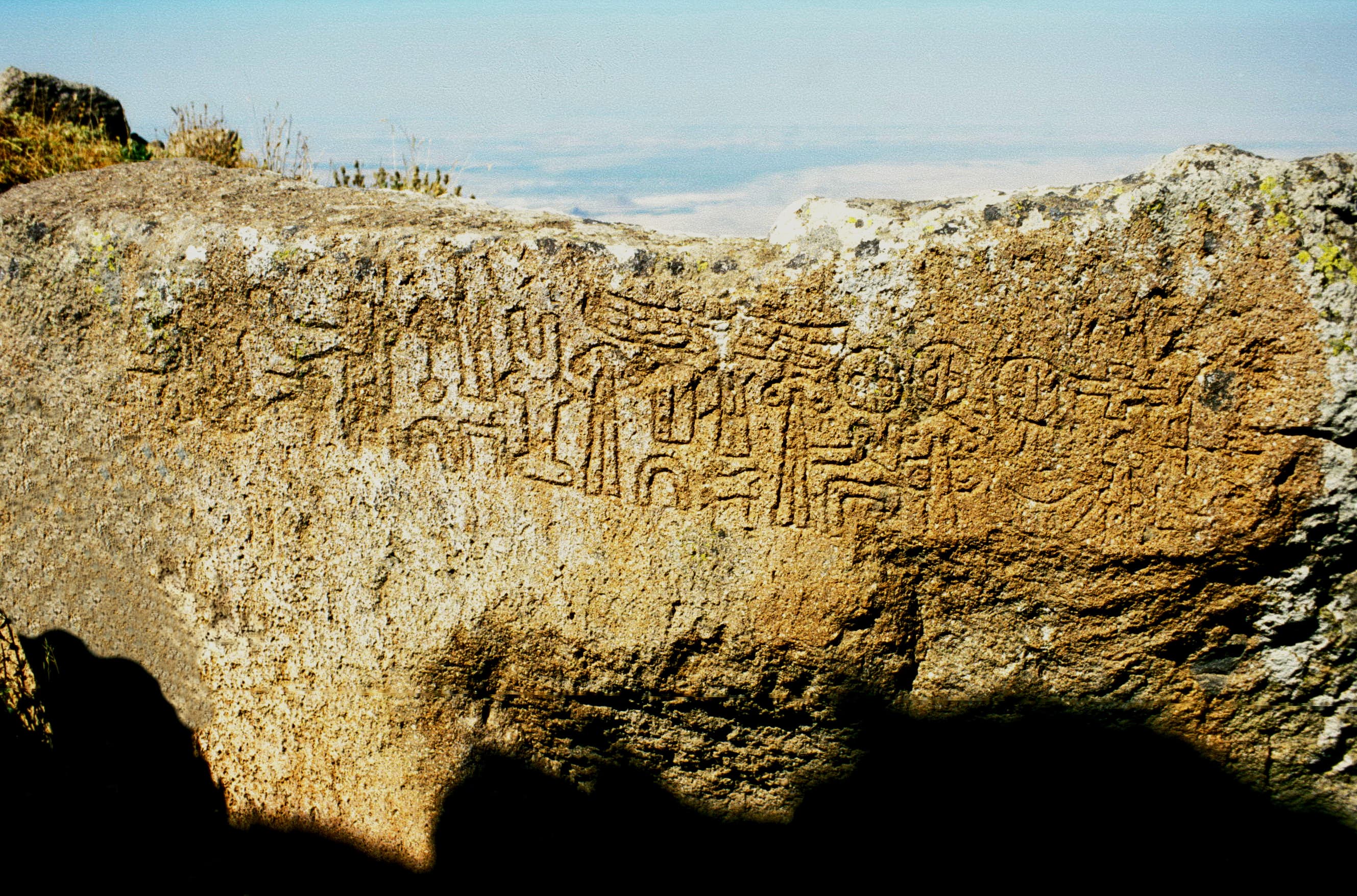
Karadağ Monuments
Karaman, Turkey
Karadağ — the 'Black Mountain' — is an extinct volcanic massif in southern Konya that has drawn sacred attention for at least three thousand years....

Kızıldağ Monuments
Karaman, Turkey
Rising from the flat Konya plain as a volcanic cone of red rock, Kızıldağ was the royal mountain sanctuary of King Hartapu — an Iron Age Luwian ruler who carved his...
Key questions
Neo-Hittite Peak Sanctuary sacred-site questions
- What neo-hittite peak sanctuary sacred sites are included?
- Neo-Hittite Peak Sanctuary sacred sites are places where this site type carries religious, ritual, cultural, or pilgrimage significance. This guide lists 2 in the current Pilgrim Map atlas.
- Where are these neo-hittite peak sanctuary sites located?
- Major country clusters include Turkey.
- Which traditions are represented?
- Traditions represented here include Ancient, Multi-tradition.
- Can I view neo-hittite peak sanctuary sacred sites on a map?
- Yes. Compare the country and tradition clusters, switch to map view for geography, then use site pages for practical context and related places.