Site type guide
Megalithic Temple Complex
Megalithic Temple Complex sites reveal how different traditions shape sacred space through architecture, landscape, ritual, and memory.
3 megalithic temple complex sacred sites. Use the country and tradition filters to narrow in.
Atlas summary
Megalithic Temple Complex sacred sites overview
Megalithic Temple Complex sacred sites span countries, traditions, pilgrimage routes, and sacred landscapes represented in the Pilgrim Map atlas.
Use this guide to compare major country clusters, represented traditions, UNESCO-tagged places, and the map distribution before opening individual site pages.
| Coverage | 3 megalithic temple complex sacred sites across the current atlas. |
|---|---|
| Major countries | |
| Traditions |
By country
By tradition
All sites
3
Showing 1-3 of 3 sites in this site-type guide
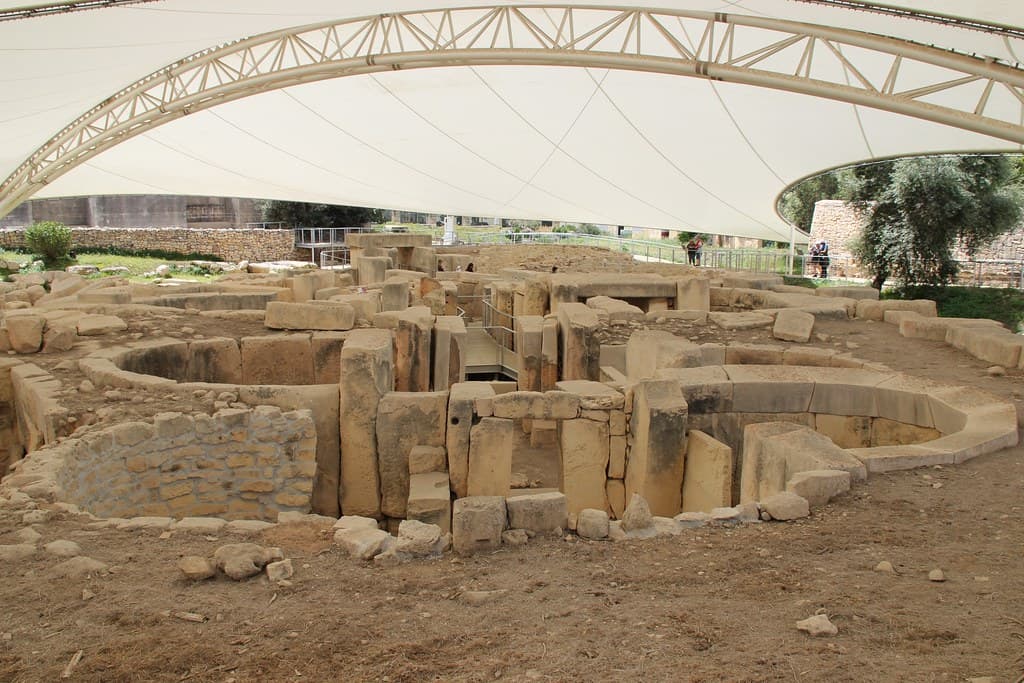
Ħal-Tarxien Prehistoric Complex
Tarxien, Malta
The Ħal-Tarxien Prehistoric Complex is the largest and most artistically accomplished of Malta's megalithic temple sites — four structures built between 3600 and 2500 BC...
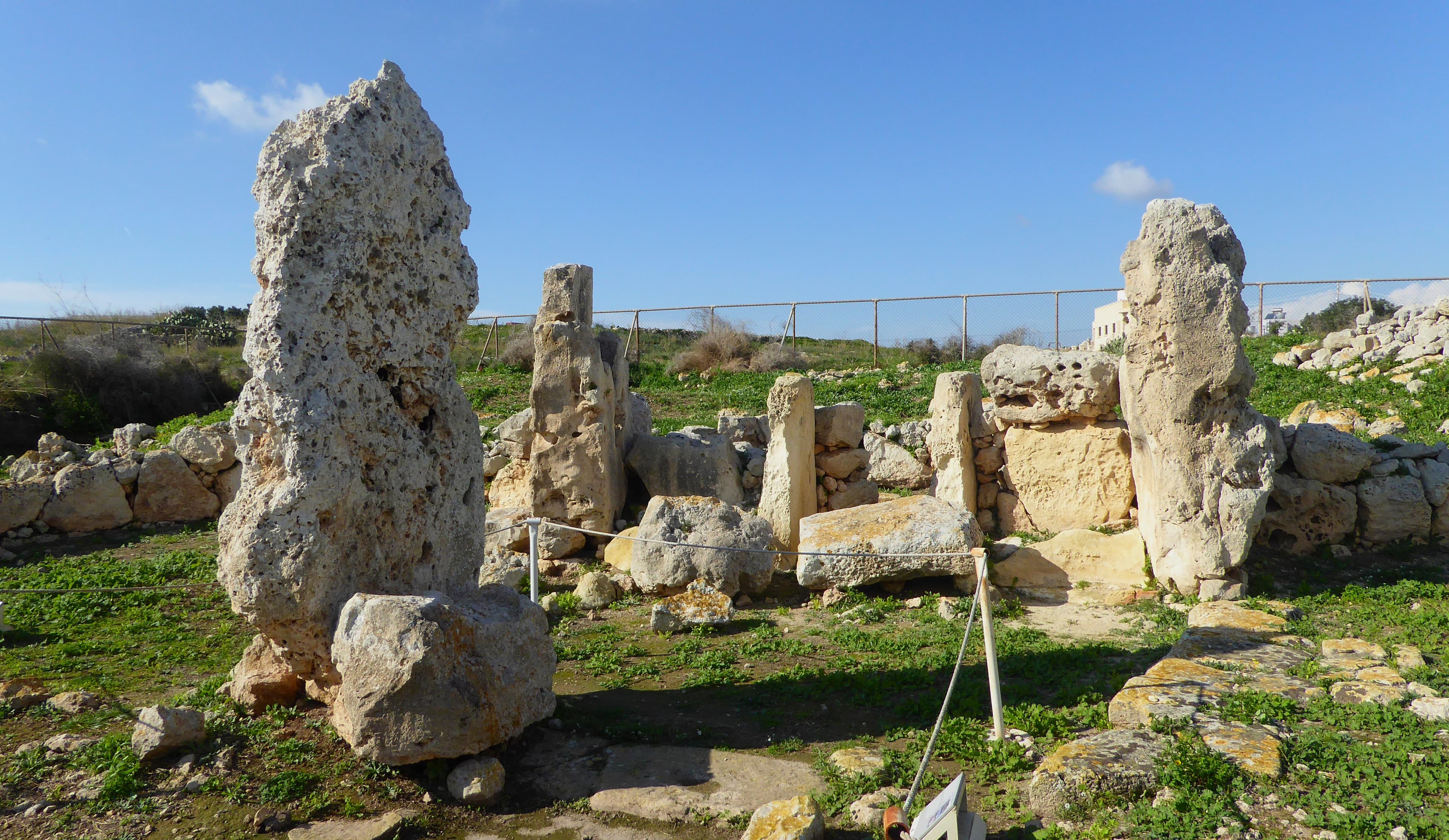
Skorba Prehistoric Site
Mġarr, Malta
Skorba is the most informative site in Malta for understanding how Neolithic people actually lived....
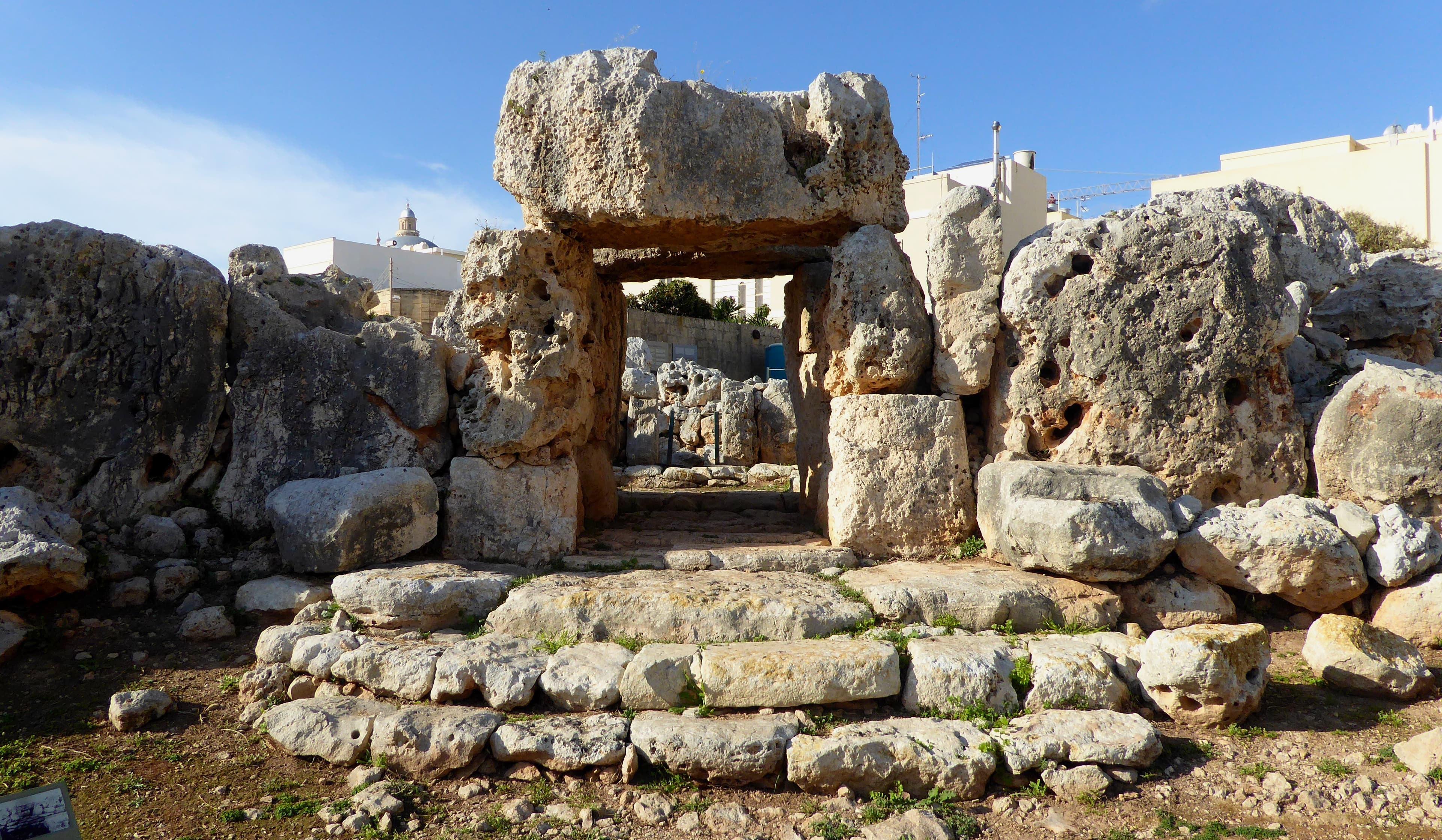
Ta' Ħaġrat Temples
Mġarr, Malta
Ta' Ħaġrat stands at the very beginning of the Maltese temple-building story — two megalithic structures raised from coralline limestone before metallurgy existed, before...
Key questions
Megalithic Temple Complex sacred-site questions
- What megalithic temple complex sacred sites are included?
- Megalithic Temple Complex sacred sites are places where this site type carries religious, ritual, cultural, or pilgrimage significance. This guide lists 3 in the current Pilgrim Map atlas.
- Where are these megalithic temple complex sites located?
- Major country clusters include Malta.
- Which traditions are represented?
- Traditions represented here include Prehistoric.
- Can I view megalithic temple complex sacred sites on a map?
- Yes. Compare the country and tradition clusters, switch to map view for geography, then use site pages for practical context and related places.