Country guide
Sri Lanka
Sri Lanka brings together sacred architecture, pilgrimage traditions, and landscapes shaped by memory, ritual, and local devotion.
34 sacred sites across 28 regions. Use the tradition links to narrow in.
Sacred journeys
Pilgrimages in Sri Lanka
Follow routes that connect sacred places across Sri Lanka. Mapped-place counts reflect the current atlas.
Buddhism · Island-wide
Solosmasthana
සොළොස්මස්ථාන
The sixteen (or seventeen) places tradition holds the Buddha himself visited or blessed across Sri Lanka.
7 mapped places in Sri Lanka · 7-station pilgrimage
Buddhism and shared multi-religious sacred traditions · Sabaragamuwa Province
Sri Pada Pilgrimage
ශ්රී පාද / சிவனொளிபாத மலை
A night ascent toward a footprint shrine held sacred through Buddhist, Hindu, Muslim, and Christian traditions.
1 mapped place in Sri Lanka · 1-station pilgrimage
Browse by region
Explore Sri Lanka region by region
Open a regional guide to see its sacred sites, traditions, and map.
Show all 28 regions
Explore Sri Lanka by facet
Refine the atlas
Related Sri Lanka guides
Showing 1-34 of 34 sites in this country guide

Abhayagiri Vihara
Anuradhapura, Anuradhapura, Sri Lanka
Founded around 89 BCE by a king fulfilling a vow of vengeance and restoration, Abhayagiri grew into one of the ancient world's most cosmopolitan Buddhist institutions — a...
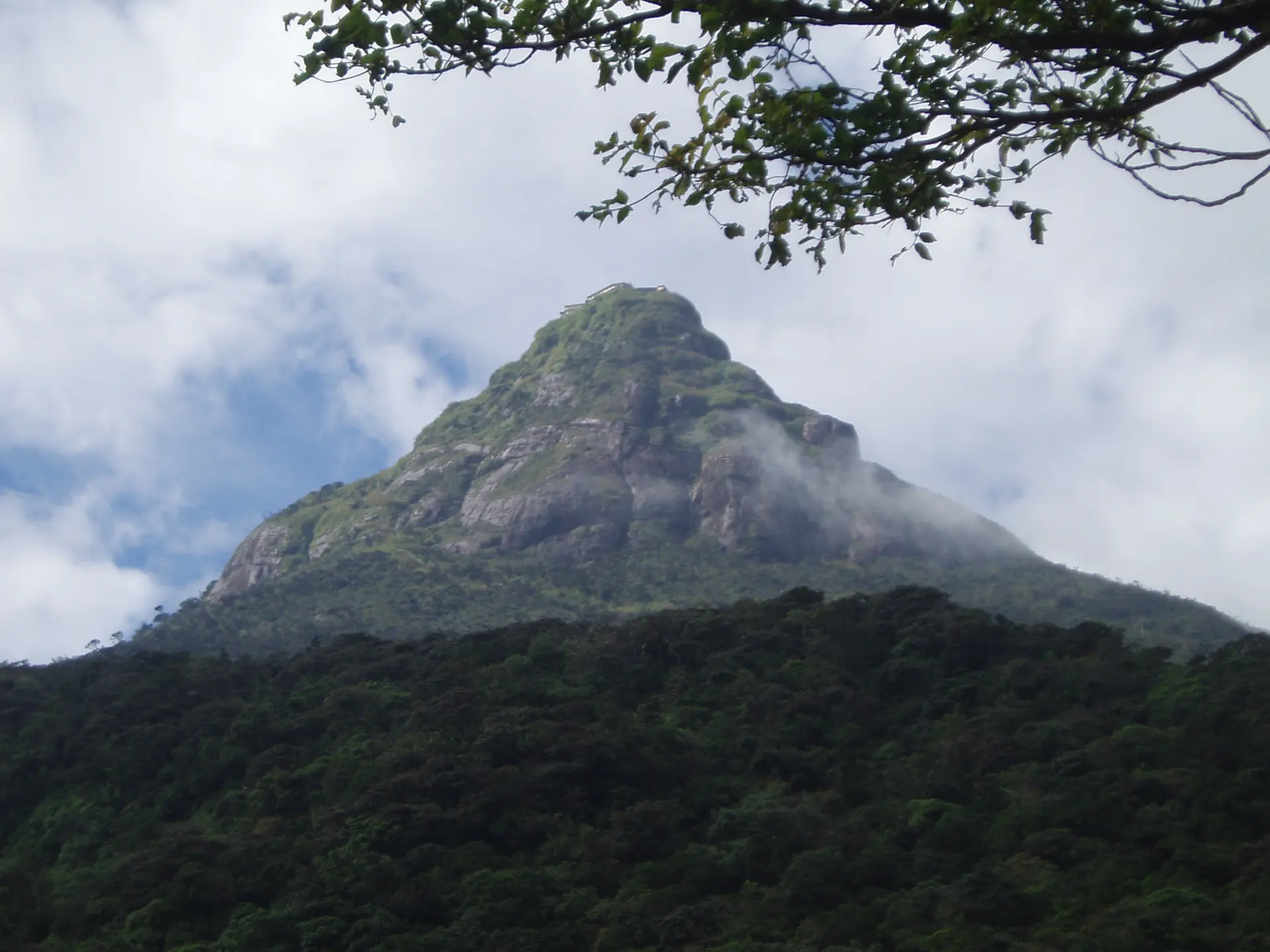
Adam's Peak (Sri Pada)
Dalhousie, Ratnapura, Sri Lanka
Sri Pada is the sacred mountain in Sri Lanka's Sabaragamuwa highlands whose summit footprint is venerated through several religious traditions....

Basilica of Our Lady of Lanka
Tewatta–Ragama, Tewatta–Ragama, Gampaha District, Western Province, Sri Lanka
Basilica of Our Lady of Lanka is a documented church in Tewatta–Ragama, Gampaha District, Western Province, Sri Lanka, connected with Roman Catholic Christianity....

Dambakola Patuna Sangamitta Vihara
Sambilturai, Sambilturai, Jaffna District, Northern Province, Sri Lanka
Dambakola Patuna Sangamitta Vihara is a documented temple in Sambilturai, Jaffna District, Northern Province, Sri Lanka, connected with Buddhism....

Deeghavapi Raja Maha Vihara
Deeghavapi, Deeghavapi, Ampara District, Eastern Province, Sri Lanka
Deeghavapi Raja Maha Vihara is a documented temple in Deeghavapi, Ampara District, Eastern Province, Sri Lanka, connected with Buddhism....

Gadaladeniya Vihara
Pilimathalawa, Pilimathalawa, Kandy District, Central Province, Sri Lanka
Gadaladeniya Vihara is a documented temple in Pilimathalawa, Kandy District, Central Province, Sri Lanka, connected with Buddhism....

Jaya Sri Maha Bodhi
Anuradhapura, Anuradhapura, Sri Lanka
A cutting from the tree under which the Buddha attained enlightenment was brought to Sri Lanka in the 3rd century BCE....

Jetavanaramaya
Anuradhapura, Anuradhapura, Anuradhapura District, North Central Province, Sri Lanka
Jetavanaramaya is a documented stupa in Anuradhapura, Anuradhapura District, North Central Province, Sri Lanka, connected with Buddhism....

Kande Vihara
Kaluwamodara–Aluthgama, Kaluwamodara–Aluthgama, Kalutara District, Western Province, Sri Lanka
Kande Vihara is a documented temple in Kaluwamodara–Aluthgama, Kalutara District, Western Province, Sri Lanka, connected with Buddhism....

Kanniya Hot Wells
Trincomalee, Eastern Province, Sri Lanka
Kanniya’s hot wells near Trincomalee are associated with religious remembrance as well as bathing.
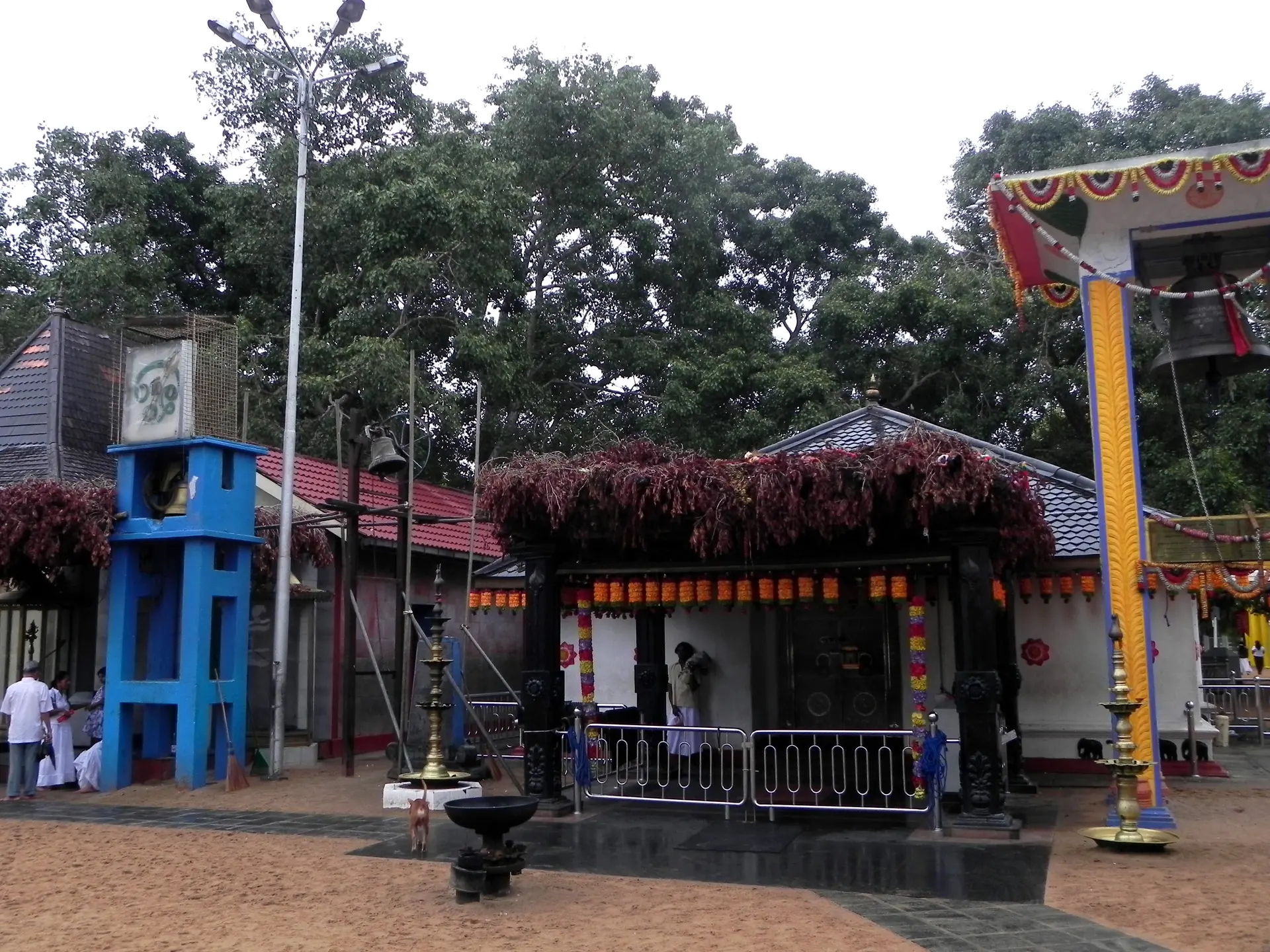
Kataragama Temple, Sri Lanka
Kataragama, Monaragala, Sri Lanka
Kataragama stands as one of the world's rare multi-faith pilgrimage sites, where Buddhist, Hindu, Muslim, and indigenous Vedda devotees worship side by side....
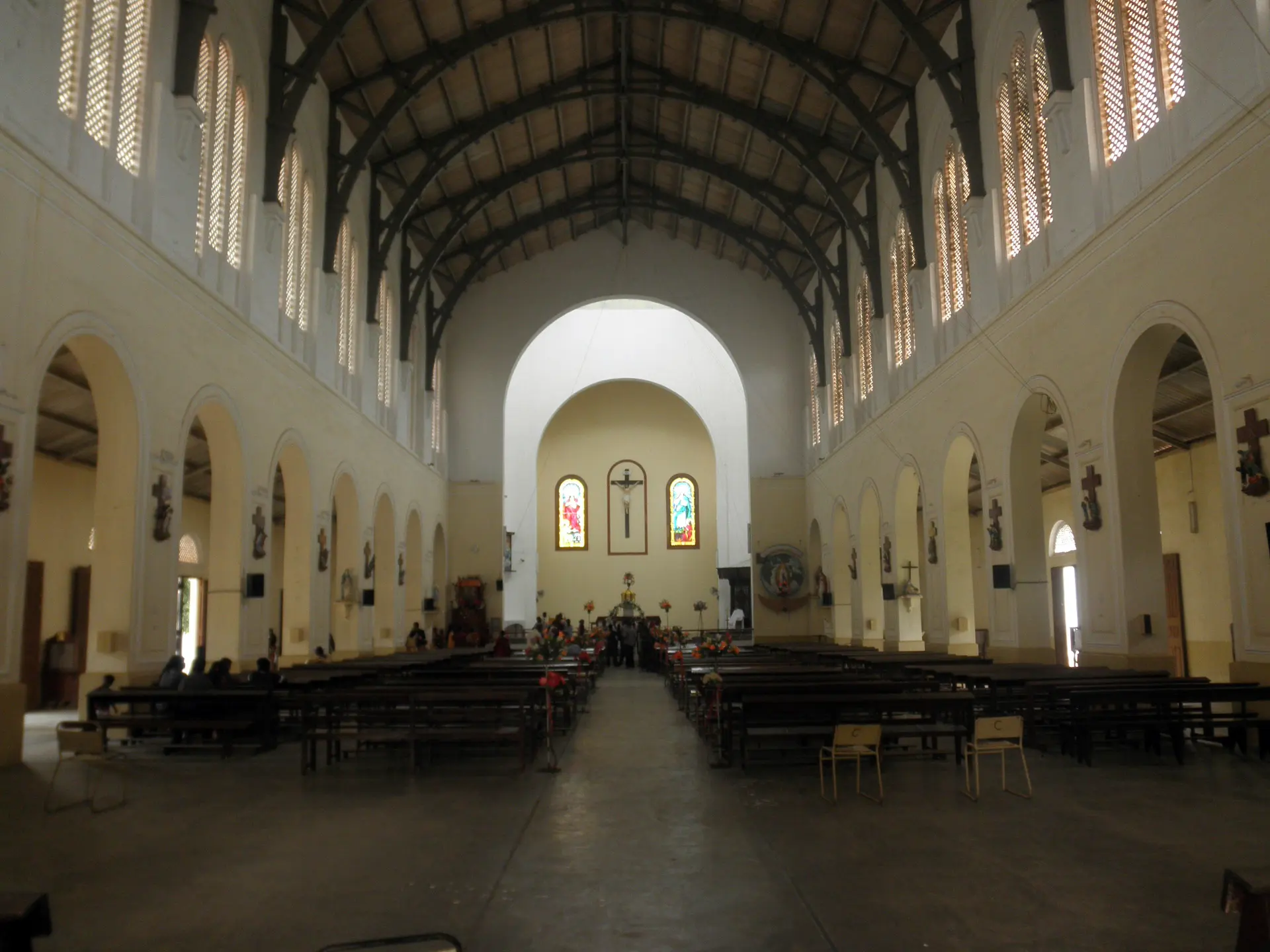
Keerimalai Naguleawaram Temple
Keerimalai, Jaffna, Sri Lanka
Keerimalai’s spring pools lie beside the sea on Sri Lanka’s northern coast, near Naguleswaram temple....

Kelaniya Raja Maha Vihara
Kelaniya, Gampaha, Sri Lanka
On the banks of the Kelani River, Kelaniya Raja Maha Vihara marks what tradition holds as the Buddha's third and final visit to Sri Lanka, when he settled a dispute...

Ketchchimalai Mosque
Beruwala, Beruwala, Kalutara District, Western Province, Sri Lanka
Ketchchimalai Mosque is a documented mosque in Beruwala, Kalutara District, Western Province, Sri Lanka, connected with Islam....
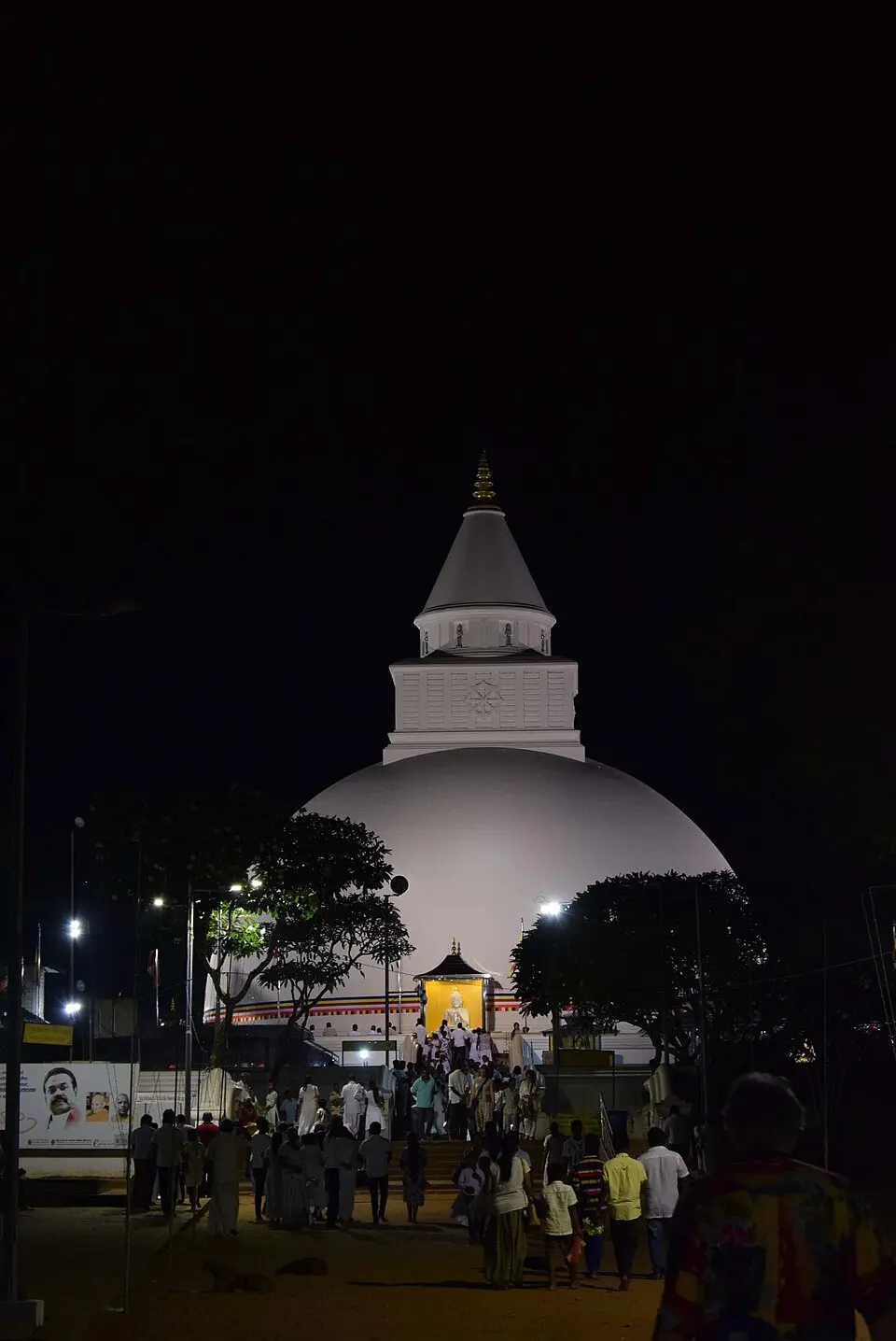
Kiri Vehera
Kataragama, Monaragala, Sri Lanka
Kiri Vehera is a modest, actively worshipped Buddhist stupa roughly 800 meters from the well-known multi-faith Kataragama shrine complex — a separate site entirely, with...

Koneswaram Temple
Trincomalee, Trincomalee, Trincomalee District, Eastern Province, Sri Lanka
Koneswaram Temple is a documented temple in Trincomalee, Trincomalee District, Eastern Province, Sri Lanka, connected with Hinduism....

Mahiyangana Raja Maha Vihara
Mahiyangana, Badulla, Sri Lanka
Nine months after his enlightenment, the Buddha is said to have crossed to Sri Lanka and pacified its yaksha inhabitants at Mahiyangana, leaving behind a hair relic...

Matale Aluvihara Raja Maha Viharaya
Thotagamuwa, Matale, Sri Lanka
Aluvihare is a cave-temple setting in Matale associated with the preservation of the Pali Tipitaka....

Mihintale Sacred Complex
Mihintale, Mihintale, Anuradhapura District, North Central Province, Sri Lanka
Mihintale Sacred Complex is a documented buddhist archaeological complex in Mihintale, Anuradhapura District, North Central Province, Sri Lanka, connected with Buddhism....

Mirisavetiya Stupa
Anuradhapura, Anuradhapura, Anuradhapura District, North Central Province, Sri Lanka
Mirisavetiya Stupa is a documented stupa in Anuradhapura, Anuradhapura District, North Central Province, Sri Lanka, connected with Buddhism....

Muthiyangana Raja Maha Vihara
Badulla, Badulla, Badulla District, Uva Province, Sri Lanka
Muthiyangana Raja Maha Vihara is a documented temple in Badulla, Badulla District, Uva Province, Sri Lanka, connected with Buddhism....

Nagadeepa Purana Vihara
Nainativu, Nainativu, Jaffna District, Northern Province, Sri Lanka
Nagadeepa Purana Vihara is a documented temple in Nainativu, Jaffna District, Northern Province, Sri Lanka, connected with Buddhism....

Nagapooshani Amman Temple
Nainativu, Nainativu, Jaffna District, Northern Province, Sri Lanka
Nagapooshani Amman Temple is a documented temple in Nainativu, Jaffna District, Northern Province, Sri Lanka, connected with Hinduism (Shaktism)....

Nallur Kandaswamy Kovil
Nallur, Nallur, Jaffna District, Northern Province, Sri Lanka
Nallur Kandaswamy Kovil is a documented temple in Nallur, Jaffna District, Northern Province, Sri Lanka, connected with Hinduism....

Rangiri Dambulla Cave Temple
Dambulla, Dambulla, Matale District, Central Province, Sri Lanka
Rangiri Dambulla Cave Temple is a documented temple in Dambulla, Matale District, Central Province, Sri Lanka, connected with Buddhism....

Ridi Vihara
Ridigama, Ridigama, Kurunegala District, North Western Province, Sri Lanka
Ridi Vihara is a documented temple in Ridigama, Kurunegala District, North Western Province, Sri Lanka, connected with Buddhism....

Ruwanwelisaya
Anuradhapura, Anuradhapura, Sri Lanka
Rising from the plains of Anuradhapura, Ruwanwelisaya was raised by King Dutugemunu in the 2nd century BCE to hold what tradition describes as one of the largest...

Seruvila Mangala Raja Maha Vihara
Seruvila, Seruvila, Trincomalee District, Eastern Province, Sri Lanka
Seruvila Mangala Raja Maha Vihara is a documented temple in Seruvila, Trincomalee District, Eastern Province, Sri Lanka, connected with Buddhism....
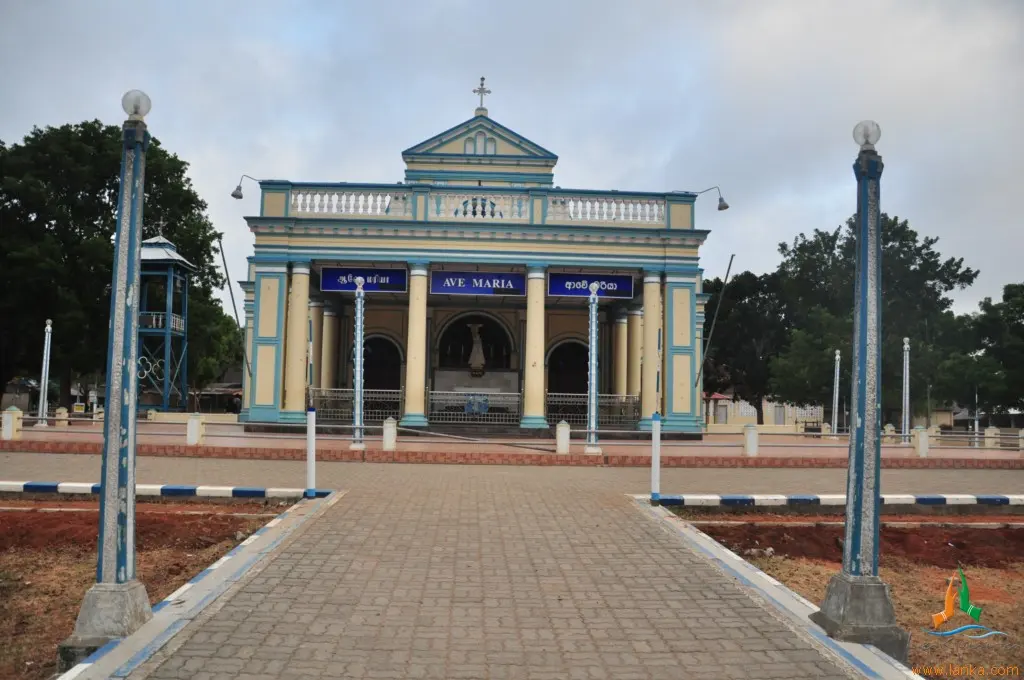
Shrine of Our Lady of Madhu
Madhu, Mannar, Sri Lanka
The shrine is a physical church and gathering place, not merely the name of a Marian object....
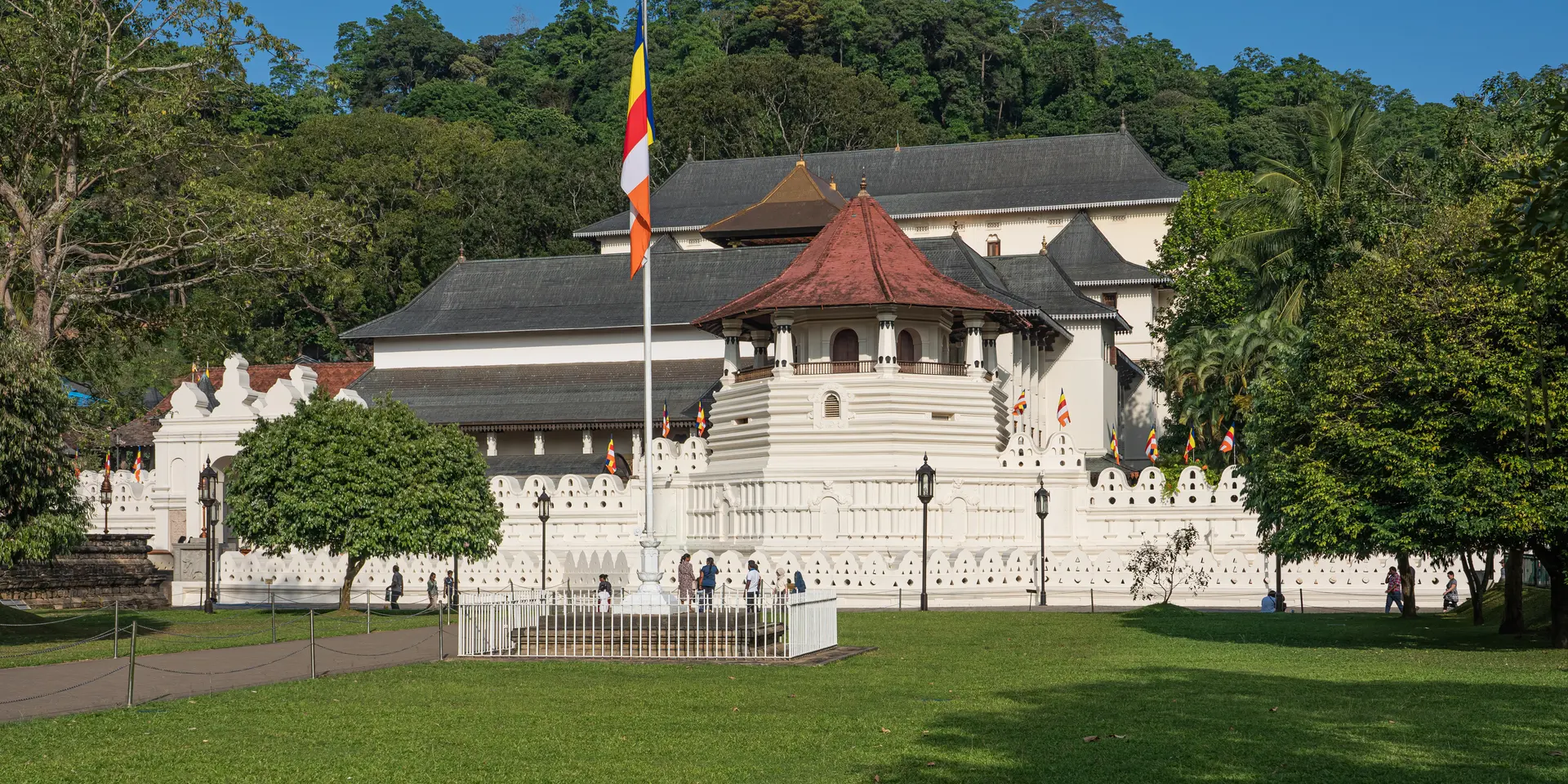
Sri Dalada Maligawa, Temple of the Tooth
Kandy, Kandy, Sri Lanka
Beside Kandy's lake stands the palace-temple that has held the Sacred Tooth Relic of the Buddha since the seat of Sinhala kingship settled in these hills....

St Anthony’s Shrine, Kochchikade
Kochchikade, Kochchikade, Colombo District, Western Province, Sri Lanka
St Anthony’s Shrine, Kochchikade is a documented sanctuary in Kochchikade, Colombo District, Western Province, Sri Lanka, connected with Roman Catholic Christianity....

Thiruketheeswaram Temple
Manthai, Manthai, Mannar District, Northern Province, Sri Lanka
Thiruketheeswaram Temple is a documented temple in Manthai, Mannar District, Northern Province, Sri Lanka, connected with Hinduism....

Thuparamaya
Anuradhapura, Anuradhapura, Anuradhapura District, North Central Province, Sri Lanka
Thuparamaya is a documented stupa in Anuradhapura, Anuradhapura District, North Central Province, Sri Lanka, connected with Buddhism....

Tissamaharama Raja Maha Vihara
Tissamaharama, Tissamaharama, Hambantota District, Southern Province, Sri Lanka
Tissamaharama Raja Maha Vihara is a documented temple in Tissamaharama, Hambantota District, Southern Province, Sri Lanka, connected with Buddhism....
Key questions
Sri Lanka sacred-site questions
What sacred sites can I explore in Sri Lanka?
Pilgrim Map lists sacred places in Sri Lanka across living worship sites, heritage landmarks, pilgrimage destinations, and culturally significant landscapes. The current guide lists 34 sites organized by region and tradition.
Which traditions are represented in Sri Lanka?
The most represented traditions include Buddhism, Hinduism, Islam, Roman Catholic Christianity, Hinduism / Buddhism, Christianity.
How should I plan a sacred-site visit in Sri Lanka?
Start with regional clusters, compare nearby places on the map, then open individual site pages for coordinates, etiquette, and sacred context where available.
Can I view Sri Lanka sacred sites on a map?
Yes. Switch to map view to compare geographic clusters, then open individual site pages for coordinates, visiting context, and related places.