Tradition guide
Zoroastrianism
Zoroastrianism sites connect places through shared lineage, practice, story, and pilgrimage across the global atlas.
6 sacred places share this lineage. Use the country links to narrow in.
Atlas summary
Zoroastrianism sacred sites overview
Zoroastrianism sacred sites connect places through shared lineage, ritual use, memory, and pilgrimage practice across the Pilgrim Map atlas.
Use this page to compare country clusters, common place types, UNESCO-tagged landmarks, and the map distribution before exploring individual site pages.
| Coverage | 6 Zoroastrianism sacred places in the current atlas. |
|---|---|
| Country clusters |
By country
Showing 1-6 of 6 sites in this tradition guide

Ateshgah Fire Temple
Surakhani, Baku, Azerbaijan
Ateshgah Fire Temple is a documented temple in Surakhani, Baku, Azerbaijan, connected with Zoroastrianism....

Bam
Bam, Kerman, Iran
Arg-e Bam rises from the desert of southeastern Iran as the largest adobe structure on earth — a fortified town built and rebuilt over two millennia around the life-giving...
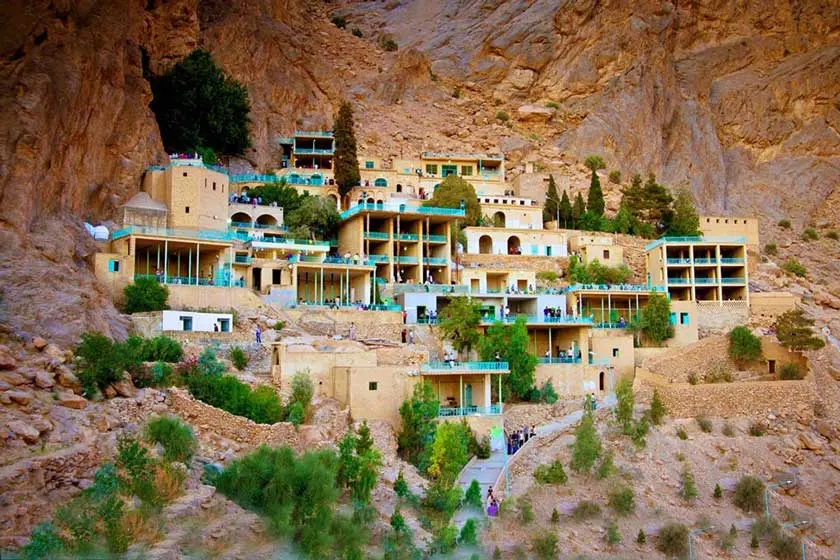
Chak Chak
دهستان رباطات, Yazd, Iran
High in a desert cliff near Yazd, Chak Chak (Pir-e Sabz) is the most sacred mountain shrine of Zoroastrianism....

Chilpik Tower of Silence
Chilpik, Karakalpakstan, Uzbekistan
Chilpik Tower of Silence is a documented sacred site in Chilpik, Karakalpakstan, Uzbekistan, connected with Zoroastrianism....

Persepolis
حومه شهر مرودشت, Fars, Iran
Persepolis — Takht-e Jamshid — was the ceremonial capital of the Achaemenid Empire, founded by Darius I around 518 BC....

Takhte Soleiman
دهستان چمن, West Azerbaijan, Iran
On a volcanic platform in the highlands of West Azerbaijan, a deep, ever-full crater lake sits ringed by ruined arches....
Key questions
Zoroastrianism sacred-site questions
What are Zoroastrianism sacred sites?
Zoroastrianism sacred sites are places connected by shared lineage, practice, memory, ritual use, or pilgrimage tradition.
Where can I find Zoroastrianism sacred sites?
The strongest country clusters in this guide include Iran, Azerbaijan, Uzbekistan.
What kinds of places are included?
The guide includes sacred landscapes, pilgrimage places, and ritual or historical sites where available.
Can I map Zoroastrianism sacred sites?
Yes. Compare country clusters and physical forms first, then open individual pages for coordinates, historical context, and visitor guidance.