Tradition guide
Celtic/Christianity
Celtic/Christianity sites connect places through shared lineage, practice, story, and pilgrimage across the global atlas.
3 sacred places share this lineage. Use the country and site-type filters to narrow in.
Atlas summary
Celtic/Christianity sacred sites overview
Celtic/Christianity sacred sites connect places through shared lineage, ritual use, memory, and pilgrimage practice across the Pilgrim Map atlas.
Use this page to compare country clusters, common place types, UNESCO-tagged landmarks, and the map distribution before exploring individual site pages.
| Coverage | 3 Celtic/Christianity sacred places in the current atlas. |
|---|---|
| Country clusters | |
| Common place types |
By country
By site type
Refine the atlas
Search within Celtic/Christianity sites
Showing 1-3 of 3 sites in this tradition guide
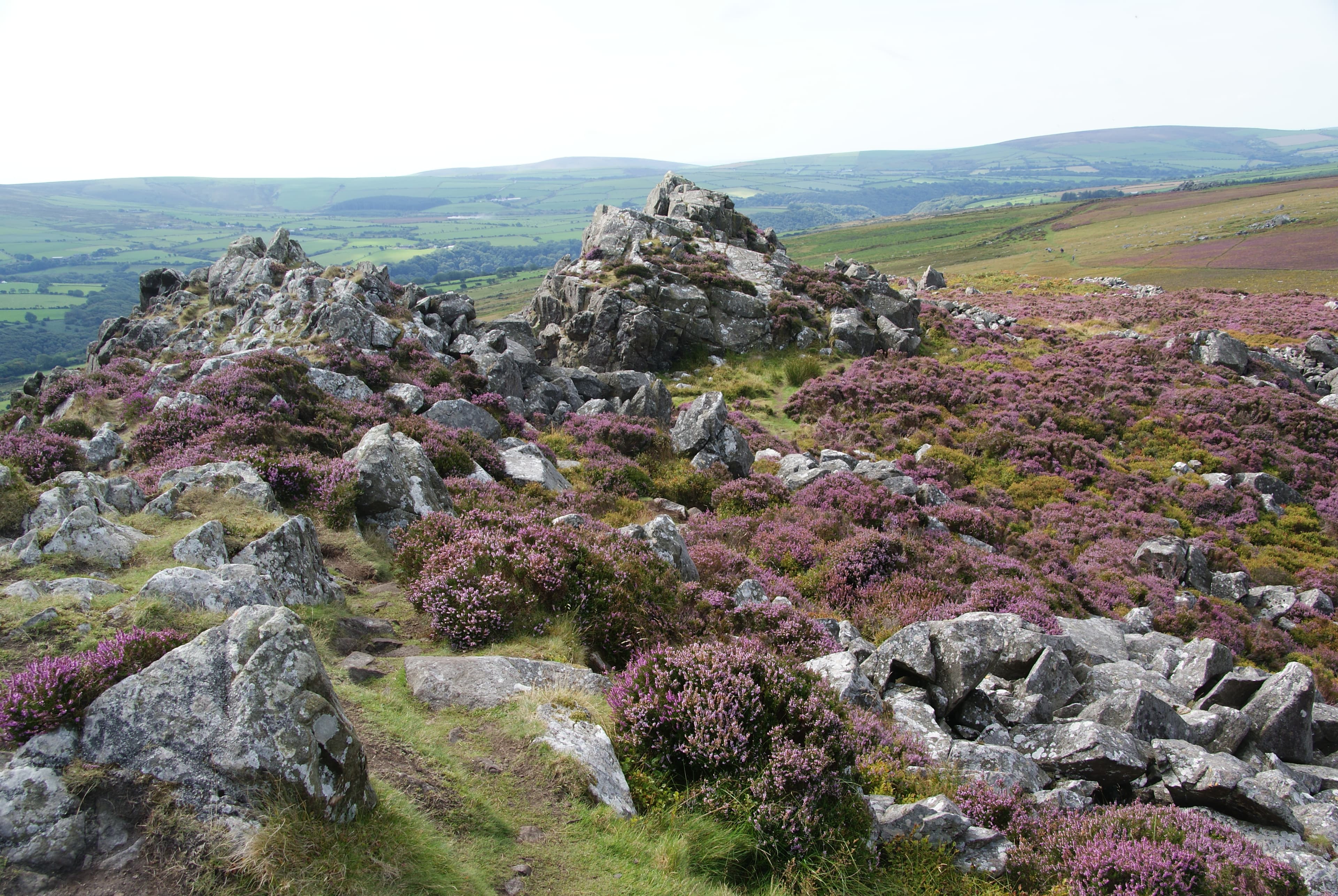
Carn Ingli
Newport, Cymru / Wales, United Kingdom
Rising above the ancient town of Newport in Pembrokeshire, Carn Ingli takes its name from the 6th-century saint Brynach, who climbed to this rocky summit to pray and there...
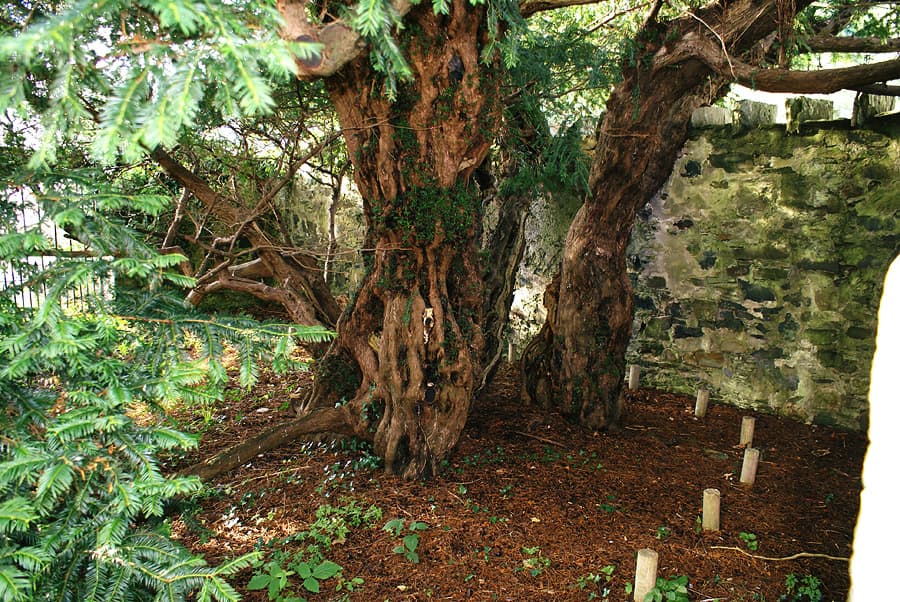
Fortingall Yew Tree and Church, Perthshire, Scotland
Fortingall, Alba / Scotland, United Kingdom
In a small churchyard at the mouth of Scotland's longest glen stands a yew tree that may have been ancient when the pyramids were young....

St. Brigid's Garden Well
Kildare, County Kildare, Ireland
Near the horse pastures of County Kildare, a natural spring rises from the earth in a garden tended by devotion. St....
Key questions
Celtic/Christianity sacred-site questions
- What are Celtic/Christianity sacred sites?
- Celtic/Christianity sacred sites are places connected by shared lineage, practice, memory, ritual use, or pilgrimage tradition.
- Where can I find Celtic/Christianity sacred sites?
- The strongest country clusters in this guide include United Kingdom, Ireland.
- What kinds of places are included?
- Common place types include sacred mountain, ancient tree/church, holy well.
- Can I map Celtic/Christianity sacred sites?
- Yes. Compare country clusters and site types first, then open individual pages for coordinates, historical context, and visitor guidance.