Mt. Beinn-na-Greine, Portree, Scotland
A Gaelic mountain named for the sun, rising from the misty heart of Skye
Understand sacred places, explore living traditions, and learn how to engage respectfully with Pilgrim Map.
Access has not been verified. Check current local guidance before planning a visit.
Portree, Scotland, United Kingdom
Read the sources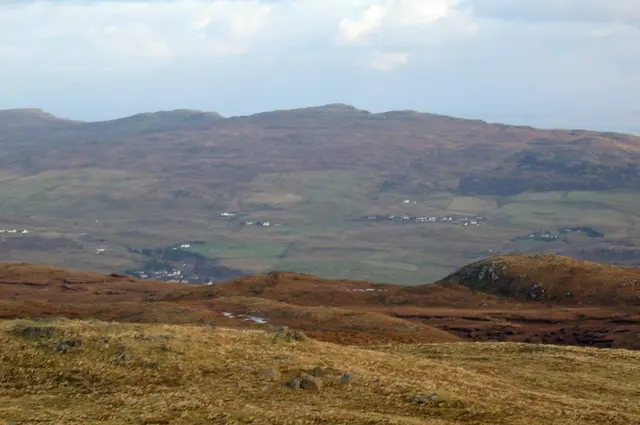
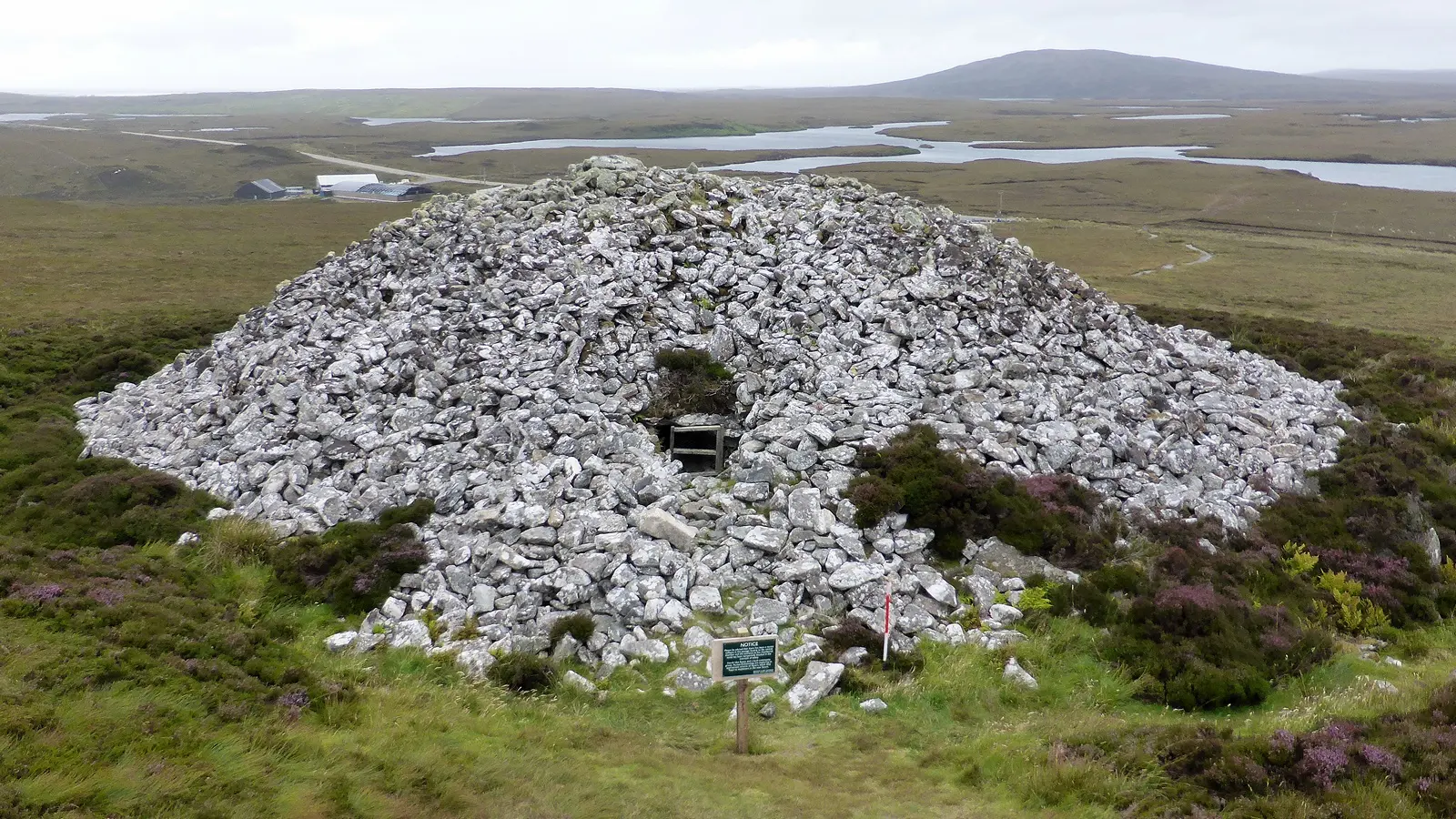
Image of Mt. Beinn-na-Greine, Portree, Scotland. Image source
Visit essentials
A quick read before you go
- Duration
- Half day allows for slower pace and photography
- Etiquette
- Beinn na Greine is open access land with no religious or cultural restrictions.
Overview
On the often mist-wrapped Isle of Skye, a 417-meter peak carries the Gaelic name Beinn na Greine: Mountain of the Sun. The speakers who named it, perhaps fifteen hundred years ago, encoded an observation whose meaning is now lost. Did sunlight strike the summit at a particular time, or its slopes catch first light above shadowed glens? Was the name linked to Grian, the Celtic winter-sun goddess and sister of summer's Aine? The historical record is silent.
Few visitors come. Beinn na Greine lies outside Skye's tourist circuits, without the Cuillins' drama or the Storr's otherworldly formations. Climbers may seek a Marilyn summit, solitude, or a place where an old name still holds. The approach crosses peat hags and bog; its effort echoes older pilgrimage. A cairn and trig point wait at the summit in whatever weather Skye offers.
Whether the name marked a sacred relationship with solar divinity or a practical observation about light, the sun-naming tradition preserves a way of seeing landscape as alive with meaning.
Why this place is sacred
The name is what remains. Beinn na Greine translates directly as Mountain of the Sun, with 'greine' being the genitive form of 'grian,' the Gaelic word for sun. This word carries deep roots, tracing back through Proto-Celtic 'greina' to Proto-Indo-European origins meaning 'heat of the sun.' In Irish and Scottish Gaelic tradition, Grian was also the name of a goddess, specifically the winter sun, whose sister Aine represented summer.
Whether this mountain was named for the deity or the celestial body may be a distinction the original namers would not have recognized.
Across the Hebrides, sun-related practices persisted into recorded history. Martin Martin, writing in the late 17th century, noted that every village on Skye had a 'Grugach' stone representing the sun, to which inhabitants poured milk libations. The deisol, a sunwise or clockwise turn, was used to bless people and places. These practices connected everyday life to solar rhythms, embedding the sun's significance in landscape and gesture.
Whether Beinn na Greine held specific ceremonial importance within this tradition remains unknown. No origin stories survive. No festival dates are recorded. The mountain holds its secret. Yet the name itself is a form of testimony, evidence that Gaelic speakers saw this peak as belonging to the sun in some meaningful way.
For contemporary seekers, this absence of defined meaning can itself become significant. The mountain offers no prescribed ritual, no established protocol. What it offers is a name, a climb, and whatever arrives in the encounter.
Experience and orientation
The approach tells you what kind of place this is. From the gated track at Glengrasco, the route crosses rough moorland, picking through peat hags and bog that can swallow boots on wet days. There is no constructed path to the summit. The mountain asks for attention and effort before it offers anything in return.
This is not Skye's tourist trail. The Cuillins draw mountaineers. The Old Man of Storr draws photographers. The Fairy Glen draws those seeking the picturesque. Beinn na Greine draws almost no one except baggers completing their Marilyn lists. This solitude is part of what the mountain offers. In a landscape increasingly crowded with visitors, a quiet summit remains valuable.
From the top, views open across Glen More and the interior of central Skye. The communication towers on nearby Skriaig remind you that modernity has reached even here. But the cairn and trig point at the summit hold a simpler attention. Weather on Skye changes rapidly, and light on this summit can shift from grey to golden in moments.
Those who come seeking something beyond exercise may find it in the conjunction of name and place. Standing on the Mountain of the Sun, watching light move across the Skye landscape, connects the contemporary visitor to a lineage of attention stretching back centuries. The Gaelic speakers who named this peak are gone. The name persists. What it meant to them is lost. What it means to you is yours to discover.
Context and lineage
Beinn na Greine was named by Gaelic-speaking settlers who arrived on Skye around the 6th century CE. The island's cultural history includes Pictish, Norse, and Gaelic influences, but the mountain's Gaelic name indicates it was named or renamed during the period of Gaelic dominance. No historical records document why this particular peak received its solar association.
Traditions and practice
No specific rituals are documented for this mountain. Broader Hebridean practices historically included the deisol (sunwise turn) for blessing, milk libations to Grugach stones, and Beltane fire celebrations on hilltops. Whether such practices ever occurred on Beinn na Greine specifically is unknown.
The Skye Highland Games hillrace traverses the lower slopes of Beinn na Greine each August, representing the primary organized cultural activity connecting to the mountain. Beyond this, the site receives visits from hillwalkers seeking to complete peak lists.
Those drawn by the mountain's name might consider timing a visit for solstice or equinox, when the sun's relationship to landscape is most pronounced. Sunrise from the Mountain of the Sun carries a poetic resonance, with midsummer sunrise around 4:30am on Skye. The summit cairn provides a natural focal point for sitting in silence. Some hillwalkers add a stone to summit cairns as a matter of tradition.
Celtic Sun Veneration
HistoricalThe name 'Beinn na Greine' connects this peak to the broader Celtic tradition of sun reverence. In Irish and Scottish Gaelic, 'Grian' is both the word for sun and the name of a pre-Christian goddess representing the winter sun. The naming practice reflects a worldview where landscape features could hold cosmic and divine associations. Historical records from the Hebrides document sun-related ritual practices such as the deisol (sunwise turn) and the veneration of Grugach stones representing the sun.
No practices specific to this mountain are documented. Broader Celtic sun practices historically included making sunwise turns to bless visitors, Beltane fire festivals, and milk libations to stones representing the sun.
Gaelic Landscape Naming
ActiveThe Gaelic tradition of descriptive place-naming represents a living cultural heritage spanning approximately 1,500 years in Scotland. Names encode relationships between communities and landscape, preserving observations and associations across generations. The practice of naming mountains for their characteristics, orientations, or divine associations constitutes a form of cultural memory.
Contemporary practice involves preserving, using, and teaching Gaelic place names. Modern efforts to maintain Gaelic signage, education, and pronunciation continue this tradition. For hillwalkers who learn to read the Gaelic landscape, each name becomes a window into how earlier inhabitants understood their world.
Highland Games Athletic Tradition
ActiveThe annual Skye Highland Games hillrace traverses the lower slopes of Beinn na Greine, representing a contemporary cultural practice connecting community to this mountain. Highland Games originated as clan gatherings testing athletic prowess, and the hillrace tradition honors the rugged terrain of the Highlands and Islands.
The hillrace takes place during the Skye Highland Games held at The Lump in Portree, typically on the first Wednesday of August. Athletes race the slopes as part of a broader program of Highland athletics, pipe music, and cultural celebration.
Perspectives and open questions
Beinn na Greine presents an interpretive challenge: a name rich with solar association, a landscape holding no documented history. Understanding the site requires holding what is known alongside what must remain uncertain.
Scholarly perspective
Linguists confirm that 'Beinn na Greine' translates as 'Mountain of the Sun,' with the word 'grian' tracing back through Proto-Celtic to Proto-Indo-European roots. Gaelic place-naming traditions often reflect landscape characteristics, mythological associations, or practical observations. No scholarly work focuses specifically on this mountain, but it fits the broader pattern of Celtic sun-related place names found throughout Scotland and Ireland.
Living and traditional perspectives
No indigenous oral tradition specifically about Beinn na Greine survives. The broader Gaelic tradition understood the sun as sacred, with clockwise movement used in blessing rituals. In Irish Celtic tradition, which shares deep roots with Scottish Gaelic culture, Grian was a goddess representing the winter sun. Whether Beinn na Greine was ever specifically venerated remains unknown.
Alternative interpretations
Some contemporary Celtic spirituality practitioners see sun-named mountains as potential sites for solar observance, solstice celebration, or connection with Celtic sun traditions. No specific esoteric claims about Beinn na Greine have been documented, but the mountain could serve those seeking to reconnect with sun-honoring practices.
Open questions
Why was this particular mountain named Mountain of the Sun? Was there a specific solar phenomenon observed here? Did the mountain hold ceremonial significance in pre-Christian times? What relationship, if any, existed between this peak and the documented sun worship practices elsewhere on Skye? These questions remain unanswered, and may never be answerable.
Plan your visit
Access and arrival
Portree offers a full range of lodging: hotels, B&Bs, guesthouses, hostels, and nearby camping. Booking essential in summer months. Alternative bases include Sligachan, Carbost, or Dunvegan.
Respectful visit
Practical hillwalking clothing is essential. Waterproof outer layers, sturdy boots with ankle support for the boggy terrain, and warm layers regardless of season. Skye weather changes without warning. Gaiters help keep feet dry when crossing wet ground.
No restrictions. The summit offers panoramic views in all directions. Respectful practice toward any other visitors encountered.
No traditional offering practices are documented. If marking your visit in some way, use only biodegradable materials. Adding a stone to the summit cairn follows common Scottish hillwalking tradition.
Avoid areas during deer stalking season (July through October) if notices are posted. The vehicle track from Glengrasco is gated; parking beside the gate is the norm.
Leave no trace. Any offerings should be biodegradable and should not harm livestock that graze these slopes. The mountain requires no ceremony, only presence.
Current practical details
Address
Beinn na Greine, Portree IV51 9EU, UK
Hours, fees, and access can change — verify on the official source before you travel. Practical details last checked Jun 2026.
Location
Map loads as you approach this section.
Pilgrim reflections
A portrait of encounter, not a score
Pilgrims describe what they felt, how present they could become, and whether the place would shape a journey. There are no stars and no ranking of traditions.
No reviewed reflections yet
The first pilgrims can help describe the character of being here.
Share a reflection
Available after an account-backed “Been there.” Every reflection is reviewed before publication.
Nearby sacred places
Explore other sacred places in the region. Proximity does not establish access or travel time; check each place’s guidance.
References
Sources consulted for this page. Source categories describe the publication, not a guarantee that every claim is verified. Traditional accounts and outside interpretations may differ.
- 01Beinn na Greine - Sub2000 — WalkhighlandsSource contextPrimary Scottish hillwalking resource with summit information
- 02Marilyns, Ben Dearg and Beinn na Greine, Isle of Skye — Scotland's HillsSource contextDetailed walking route and access information
- 03Isle of Skye Highland Games — Skye Highland GamesSource contextOfficial site for annual games featuring hillrace on Beinn na Greine slopes
- 04Scottish Outdoor Access Code — NatureScotofficialOfficial guidance on access rights in Scotland
- 05Glengrasco, Skye — Canmore (National Record of the Historic Environment)officialArchaeological record of township at mountain base
- 06Portree Visitor Guide — VisitScotlandSource contextOfficial Scottish tourism body
- 07Beinn na Greine Summit — Mud and RoutesSource contextSummit classification and basic information
- 08Gaelic word of the week blog - sun - a' Ghrian — Parlamaid AlbaSource contextGaelic language etymology for sun-related words
- 09Gaelic for Hillwalkers — UK HillwalkingacademicGuide to understanding Gaelic mountain names
- 10Grian — WikipediaencyclopediaInformation on Celtic sun goddess Grian
- 11The Sun in Celtic Mythology — New Acropolis LibraryacademicOverview of Celtic sun worship and deities
- 12Irish Druids and Old Irish Religions - Sun Customs — Library IrelandofficialHistorical account of sun worship in the Hebrides including Skye
- 13Best Time to Visit Isle of Skye — Little Lost TravelguideWeather and seasonal visiting information
- 14B885 — Dangerous RoadsSource contextInformation about access road
Share a photo
Help visitors recognize Mt. Beinn-na-Greine, Portree, Scotland. Every submission is reviewed before publication.