Monastery of Saint Macarius the Great
Nearly extinct in 1969, now home to relics claimed by two traditions
Understand sacred places, explore living traditions, and learn how to engage respectfully with Pilgrim Map.
Access has not been verified. Check current local guidance before planning a visit.
Wadi El Natrun, Beheira, Egypt
Read the sources
On this pilgrimage
Holy Family Trail in EgyptVisit essentials
A quick read before you go
- Duration
- Most tour visits last one to two hours; overnight or multi-day retreats are possible by prior…
- Access
- Located at Km 92 on the Cairo-Alexandria Desert Road (Exit 10 from Cairo, Exit 46 from…
Overview
By 1969, sixteen centuries after Macarius the Great founded it, the monastery had only six elderly monks. Coptic tradition treats its revival under Pope Cyril VI and Father Matta El-Meskeen as a miracle: today roughly 100 to 140 monks form one of Wadi El Natrun's most vigorous communities.
Macarius came to this desert around 360 AD after fleeing an arranged marriage and, according to his founding vision, was told by a Cherub to settle here. A hermit's cell drew disciples who eventually numbered in the thousands across Scetis. Rebuilt repeatedly after Berber raids, the monastery was fortified in the 480s with Byzantine emperor Zeno's funding.
In 1976, monks identified discovered remains as John the Baptist and the prophet Elisha, both recognized in Christian and Islamic tradition. Leadership reporting to Pope Shenouda III called the evidence inconclusive, while Damascus and a 2010 Bulgarian excavation are among competing claims. The monastery is also a stop on Egypt's Vatican-blessed Holy Family Trail; its four Wadi El Natrun neighbors form one of the route's densest station clusters.
Why this place is sacred
Tradition holds that Macarius, resisting a marriage his father had arranged, feigned illness to retreat into the wilderness, where a Cherub lifted him to a mountaintop, showed him the surrounding desert, and told him to settle there. He lived first as a solitary hermit before a community gathered, eventually growing into the thousands across Scetis. His relics, after various translations, were returned to the monastery and are commemorated in the annual Mesra 19 feast.
The more contested layer is the 1976 discovery of remains identified as belonging to John the Baptist and the prophet Elisha — figures venerated in both Christian and Islamic tradition. Even Father Matta El-Meskeen, reporting the find to Pope Shenouda III at the time, described the supporting evidence as inconclusive rather than settled.
The claim sits alongside competing relic traditions elsewhere (Damascus, Sidon, Sebastia, Aleppo, and a 2010 Bulgarian discovery), and Islamic tradition holds differing beliefs about prophetic bodily incorruption, making the identification a genuinely open question rather than one this research can resolve.
The monastery is not independently inscribed as a UNESCO World Heritage Site; it forms part of Egypt's UNESCO Tentative List submission 'The Monasteries of the Arab Desert and Wadi Natrun,' submitted in 2003 under criteria (ii), (iv), and (v), but that listing remains a tentative candidacy rather than a formal inscription.
Experience and orientation
Travel accounts consistently note the contrast between the stark Wadi El Natrun desert and the monastery's cultivated gardens and working farm — a contrast that echoes, without visitors necessarily naming it that way, the same transformation the community itself underwent after 1969. The fortress walls, ancient monk cells, and relics inside give a felt sense of sixteen centuries of continuous habitation rather than a restored ruin.
For Christian pilgrims, especially Coptic Orthodox visitors, the site is often experienced as a living connection to the Desert Fathers and to the traditional flight of the Holy Family through this region; retreatants who stay overnight in the monastery's guesthouse describe the quiet liturgical rhythm as conducive to contemplative renewal, consistent with the monastery's active retreat-house program.
Most tour visits last one to two hours; overnight or multi-day retreats are possible by prior arrangement with the retreat house, inaugurated in 2018 and named for Anba Epiphanius.
Context and lineage
Tradition credits the monastery with historical connections to 29 popes of Alexandria, from Cyril of Alexandria (412-444) onward, and it today houses relics attributed to several of them alongside those of Macarius and the Forty-Nine Martyrs of Scetis.
Saint Macarius the Great
founder
Disciple of Saint Anthony the Great, founded the monastic community at Scetis around 360 AD after a vision directing him to settle in the desert; one of the founding fathers of Desert Father monasticism.
Father Matta El-Meskeen
historical
Led the monastery's revival beginning in 1969 alongside Pope Cyril VI, rebuilding the community from six elderly monks into a thriving monastery; reported the 1976 relic discovery to Pope Shenouda III, describing the evidence as inconclusive.
Pope Cyril VI
historical
Coptic pope who oversaw the monastery's revival beginning in 1969.
Traditions and practice
Historically, the monks followed the ascetic discipline established by Macarius and his early companions — Arsenius, John the Dwarf, Paphnutius, Moses the Black, Serapion — emphasizing continuous prayer, manual labor, and communal offices; the 444 AD martyrdom of 49 elders during a Berber raid is still liturgically remembered.
Daily monastic prayer offices and Divine Liturgy continue under the modern community; the monastery also runs a hospital and pharmacy, a large working farm, a printing press producing the magazine Markos, and the Archangel Michael Coptic Care charitable program.
Day visitors may tour the churches, museum, and grounds, and can attend certain services from designated visitor areas; overnight retreatants may join a more immersive schedule of prayer and reflection by prior arrangement with the retreat house.
Coptic Orthodox Christianity
ActiveFounded by Saint Macarius the Great, a disciple of Saint Anthony the Great and one of the founding fathers of Desert Father monasticism at Scetis. The monastery has continuously produced and hosted Coptic Orthodox patriarchs and today houses relics attributed to several of them.
Daily monastic offices and Divine Liturgy, veneration of relics, an annual feast commemorating the return of Saint Macarius's relics on Mesra 19, and hosting of retreatants and pilgrims for spiritual direction.
Holy Family Trail (Flight into Egypt)
ActiveThe four Wadi El Natrun monasteries, including Saint Macarius, are included in the Vatican-blessed Holy Family Trail commemorating the tradition of the Holy Family's flight from Herod through Egypt. Pope Francis blessed an icon of the Flight in 2017, formalizing government and Church support for the 25-site route.
Pilgrim visits as part of the broader Holy Family Trail circuit, with interfaith and ecumenical significance given shared veneration of figures like John the Baptist across Christian and Islamic tradition.
Perspectives and open questions
The monastery's founding history and architectural development are well documented and largely uncontested; what remains genuinely open is the identity of certain relics discovered in 1976, a question the Coptic Church's own leadership has not claimed to have fully resolved.
Scholarly perspective
Historians and Coptic Church scholars agree the monastery represents one of the earliest and most continuously significant centers of organized Christian monasticism, founded in the mid-4th century by Macarius the Great and repeatedly rebuilt after Berber raids; its fortress and church architecture are studied as key examples of medieval Coptic monastic construction.
Scholars are more cautious about the specific identification of the 1976-discovered remains as those of John the Baptist and the prophet Elisha, with even Coptic monastic leadership at the time noting the evidence was not conclusive.
Living and traditional perspectives
Coptic Orthodox tradition holds firmly that the monastery preserves genuine relics of Macarius, of the Forty-Nine Martyrs of Scetis, of numerous patriarchs of Alexandria, and — via a traceable chain of translation from Palestine through Alexandria — of John the Baptist and the prophet Elisha, whose reliquary is venerated annually.
Alternative interpretations
No significant alternative or esoteric interpretive tradition was identified beyond mainstream Coptic Orthodox veneration; the site is not associated with New Age or non-Christian esoteric frameworks in available sources.
Open questions
The theological and archaeological uncertainty over the true identity of the 1976-discovered remains remains genuinely unresolved and contested, complicated by competing relic claims elsewhere and by Islamic tradition's differing beliefs about prophetic bodily incorruption. The precise, verifiable position of Saint Macarius within the full ordered sequence of the 25-site Holy Family Trail is also not settled in the sources consulted.
Plan your visit
Access and arrival
Located at Km 92 on the Cairo-Alexandria Desert Road (Exit 10 from Cairo, Exit 46 from Alexandria) in Wadi El Natrun, Beheira Governorate, roughly a two-hour drive from Cairo. From the highway, it is about 2.8 km to the farm gate and 5 km total to the monastery buildings. Day-visit arrangements can be made by phone for English-language visits.
A retreat house named for Anba Epiphanius, inaugurated in 2018, hosts overnight and multi-day retreatants by prior arrangement.
Respectful visit
Shoulders and knees must be covered for both men and women; no shorts or sleeveless tops. Women may be asked to cover their hair with a light scarf when entering church sanctuaries.
General photography is often permitted in outdoor areas and some chapels, but visitors should look for posted signage and ask permission before photographing interior sacred spaces, relics, or monks.
No specific ritual offering practice is documented; donations are welcomed and appreciated, though there is generally no formal entrance fee.
Access to monks' living quarters (cells) and certain sanctuaries is restricted to residents; visiting hours are set by the monastery and may be curtailed during major Coptic feasts and fasting periods.
Access to monks' living quarters and certain sanctuaries is restricted to residents; visiting hours may be curtailed during major Coptic feasts and fasting periods.
Location
Map loads as you approach this section.
Pilgrim reflections
A portrait of encounter, not a score
Pilgrims describe what they felt, how present they could become, and whether the place would shape a journey. There are no stars and no ranking of traditions.
No reviewed reflections yet
The first pilgrims can help describe the character of being here.
Share a reflection
Available after an account-backed “Been there.” Every reflection is reviewed before publication.
Nearby sacred places
Explore other sacred places in the region. Proximity does not establish access or travel time; check each place’s guidance.


References
Sources consulted for this page. Source categories describe the publication, not a guarantee that every claim is verified. Traditional accounts and outside interpretations may differ.
- 01Monastery of Saint Macarius the Great — Wikipedia — Wikipedia contributorsacademicComprehensive overview of founding history, architecture, seven churches, relics (including John the Baptist/Elisha discovery controversy), Berber raids, 1969 revival under Pope Cyril VI and Fr. Matta El-Meskeen, and modern history through 2018.
- 02The Monastery of St. Macarius the Great at Scetis (Wadi Natrun, Egypt) — Monastery of St. Macarius the GreatofficialOfficial monastery website; visitor contact info, feast day (Mesra 19 / Aug 24-25), teachings of St. Macarius, current charitable and agricultural activities.
- 03The Monasteries of the Arab Desert and Wadi Natrun — UNESCO World Heritage Centre Tentative List — UNESCO World Heritage CentreofficialConfirms Wadi Natrun monasteries (including Saint Macarius) are on UNESCO's Tentative List (submitted 2003, criteria ii, iv, v) — not yet inscribed as a full World Heritage Site.
- 04Egypt Announces Vatican-Approved Pilgrim Trail of the Holy Family's Journey from Sinai to Asyut — CairoSceneSource context2017 announcement of Pope Francis's blessing of the Flight into Egypt icon and Egyptian Ministry of Tourism's formalization of the 25-site Holy Family Trail.
- 05Wadi el Natrun: From pharaohs to monks — PilgrimapsSource contextDescribes the four active Wadi El Natrun monasteries (Saint Bishoy, Al-Suryan, Saint Macarius, El-Baramus) as living Desert Father communities tied to the Holy Family flight tradition.
- 06Holy Family Trail Unites Coptic Sites Where Jesus Once Traveled — Religion UnpluggedSource contextDescribes the 25-site, ~3,500km Holy Family Trail spanning 11 governorates, launched by Egypt's Ministry of Tourism & Antiquities in partnership with Coptic dioceses.
- 07Ep. 8: Holy Family in Egypt – St. Macarius Monastery — Egypt TodaySource contextStates the monastery houses approximately 140 monks and describes local tradition regarding relics of John the Baptist (Yahya) and Elisha (Al-Yasa), figures recognized in both Christian and Islamic tradition.
- 08Wadi El Natrun Monasteries — Visitor Guide — Airial TravelSource contextAggregated visitor-etiquette guidance (dress code, photography norms, visiting hours) for the Wadi El Natrun monastery cluster; used only for practical/etiquette details, cross-checked against general Coptic monastery visiting norms.
Photo gallery
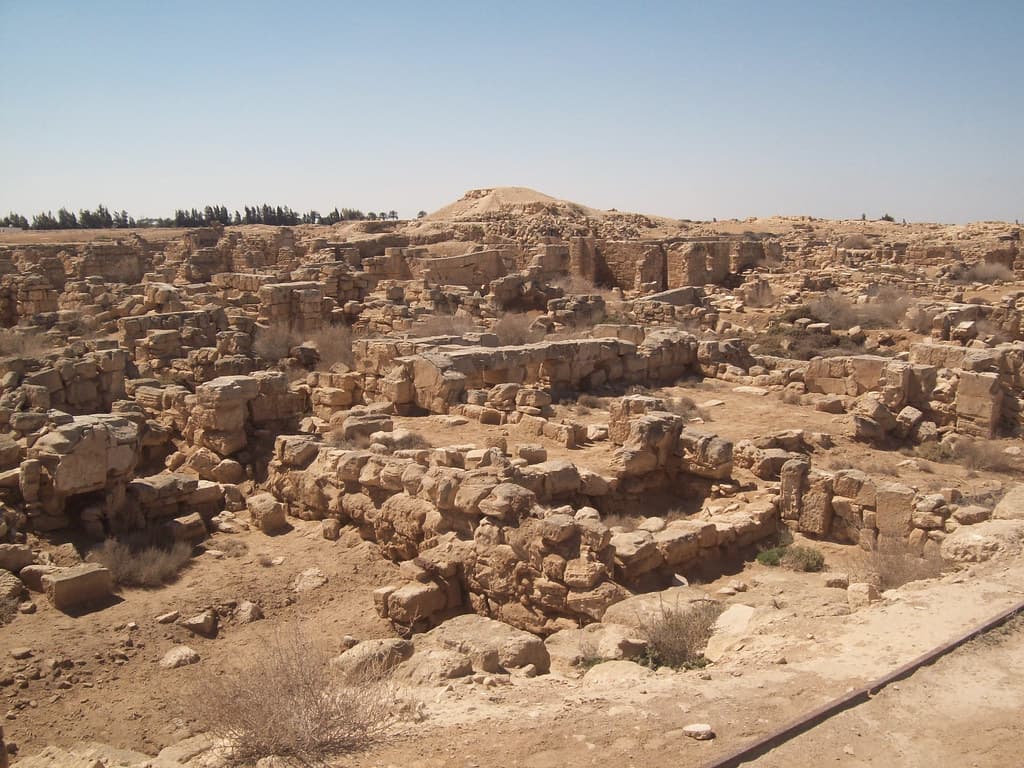
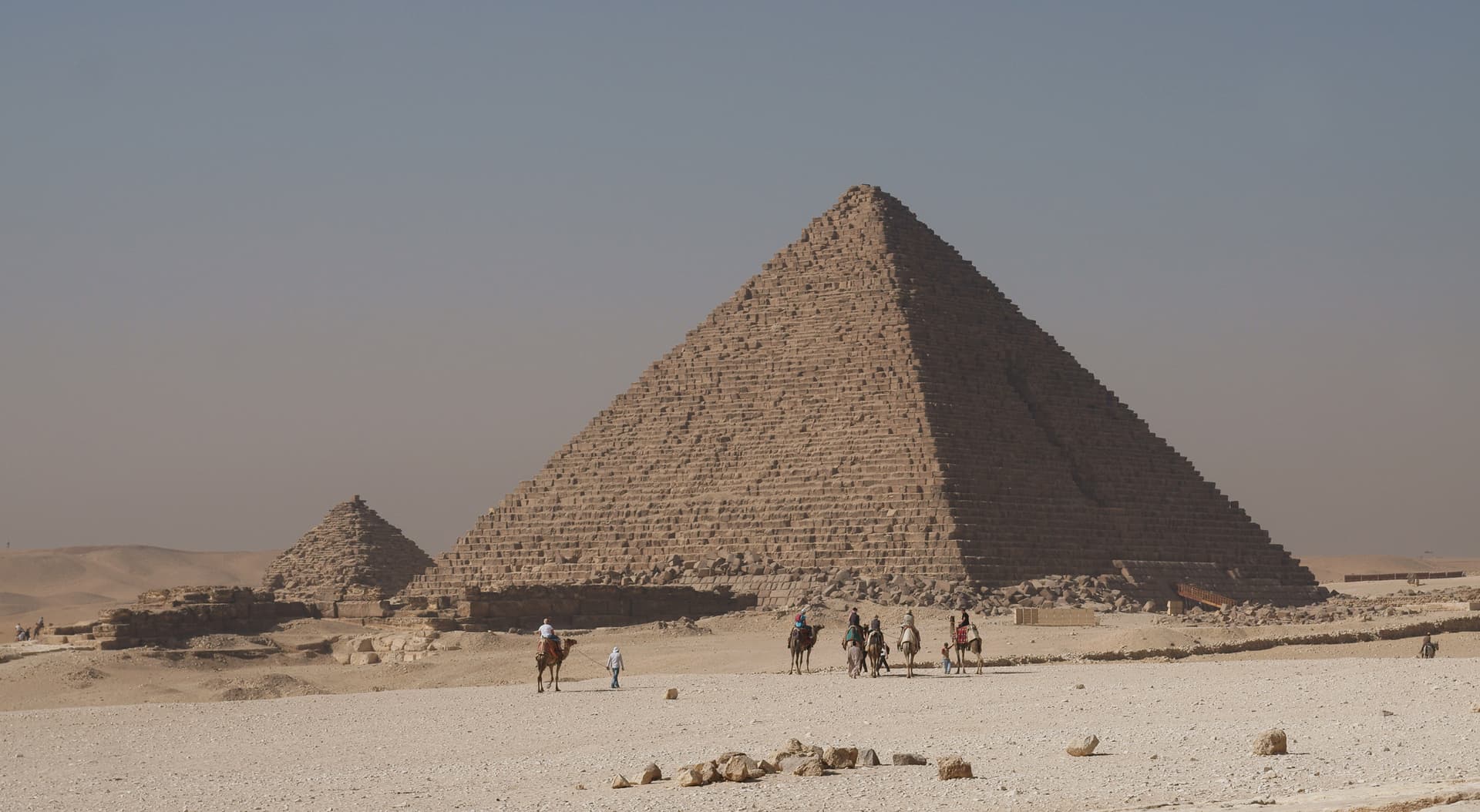
2 curated photos
Share a photo
Help visitors recognize Monastery of Saint Macarius the Great. Every submission is reviewed before publication.