Metropolitan Cathedral, Iași, Romania
Where the relics of Saint Parascheva draw hundreds of thousands into the largest Orthodox pilgrimage in Romania
Understand sacred places, explore living traditions, and learn how to engage respectfully with Pilgrim Map.
Access has not been verified. Check current local guidance before planning a visit.
Iași, Iași, Romania
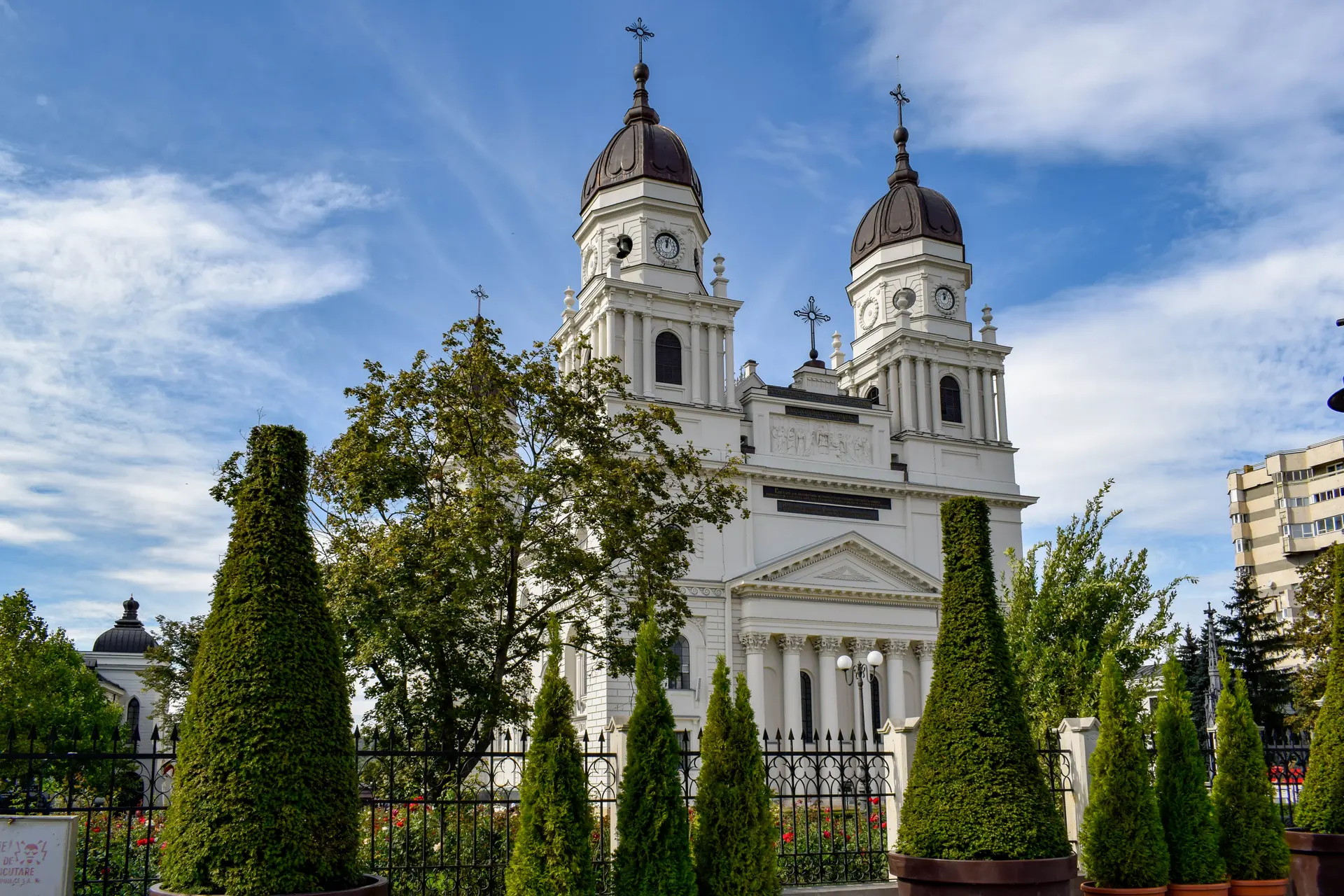
Image of Metropolitan Cathedral, Iași, Romania. Image source · CC-BY-SA-4.0
Visit essentials
A quick read before you go
- Duration
- Allow 1 to 2 hours for a visit to the cathedral and Metropolitan Ensemble grounds.
- Access
- The cathedral is located at 16 Stefan cel Mare si Sfant Boulevard, in the center of Iasi.
Overview
Every October, Iași's streets fill with pilgrims and hymns as an hours-long line forms toward Saint Parascheva's reliquary inside the Metropolitan Cathedral. Her relics have rested here since 1889, but devotion has not diminished. For the faithful, this is an encounter with a saint whose incorrupt body traveled across the Balkans for nearly a millennium, accumulating prayers and miracles at every stop.
Romania's largest historic Orthodox church has a neoclassical facade inspired by Italian Renaissance models and an interior saturated with sacred imagery. Gheorghe Tattarescu, Romania's foremost 19th-century painter, spent fifteen months covering its vaults and walls with over 250 figures and compositions, creating an immersive visual theology around worshippers.
The building remains secondary to what it holds. Parascheva, an 11th-century ascetic who lived and died in the deserts near the Jordan River, became one of the Orthodox Balkans' most venerated saints. Her relics passed through Constantinople, Bulgaria, and Serbia before reaching Moldavia in 1641 and have not left since.
During the October pilgrimage, hours in line, cold autumn weather, surrounding song and prayer, and the final approach to the reliquary produce something many describe as spiritually transformative. The cathedral becomes less a building than a threshold.
Why this place is sacred
The thinning of boundaries at the Metropolitan Cathedral operates on several registers simultaneously. The most immediate is the physical presence of relics. For Orthodox Christians, the incorrupt body of a saint is not a historical artifact but a conduit — a point where the divine remains tangibly accessible. Saint Parascheva's relics have been venerated continuously for centuries, and the prayers offered before them have accumulated into what the faithful understand as a reservoir of holiness.
The site itself carries older resonances. Before the current cathedral was built, the same ground held the White Church in the 15th century and the Stratenia Church in the 17th century. This continuity of sacred use, spanning more than five hundred years, suggests the location was recognized as spiritually significant long before the present building rose.
Tattarescu's interior paintings contribute a different dimension. Over 250 figures — saints, apostles, scenes from Scripture — create an environment where sacred narrative surrounds the worshipper completely. The effect is not decorative but immersive: an attempt to make the walls themselves speak of the world beyond the visible.
During the October pilgrimage, the thinning becomes collective. When hundreds of thousands of people converge in shared devotion, the individual experience is amplified by communion with others who carry the same intention. The long hours of waiting, which might seem like mere inconvenience, function instead as a form of preparation — stripping away the ordinary pace of life and creating receptivity to whatever awaits at the reliquary.
The cathedral's status as the seat of the Metropolitan of Moldavia and Bukovina adds institutional weight, concentrating episcopal authority and centuries of liturgical tradition in a single location. It is known as the Mother of all Moldavian churches — a title that speaks not just to administrative hierarchy but to the spiritual centrality this place holds for millions.
The current cathedral was ordered built in 1826 by Prince Ioan Sturdza and completed in 1887, intended as the metropolitan church of Moldavia — a grand expression of Orthodox identity for eastern Romania at a moment when the country was consolidating its independence. The building served dual purposes from the beginning: as the center of ecclesiastical authority for the region and as a statement of national and religious identity.
The relics of Saint Parascheva, transferred from the nearby Trei Ierarhi Monastery in 1888 or 1889, transformed the cathedral from a seat of power into the primary pilgrimage destination in Romania.
The cathedral's history includes a dramatic interruption. Completed and roofed by 1839, the building suffered a catastrophic ceiling collapse on May 23, 1857, taking the interior columns with it. For nearly two decades, the structure stood in ruins. Metropolitan Iosif Naniescu led the restoration effort beginning in 1875, and the cathedral was finally consecrated on April 23, 1887 in the presence of King Carol I.
The transfer of Saint Parascheva's relics shortly thereafter sealed the cathedral's identity as a pilgrimage destination. In the century since, the annual October gathering has grown steadily, now ranking as one of the largest Orthodox pilgrimages in Europe.
Experience and orientation
Step inside the Metropolitan Cathedral and the first impression is scale. With a capacity of over 3,000, this is the largest historic Orthodox church in Romania, and the space communicates that ambition. Above, Tattarescu's figures gaze down from every surface — saints and prophets rendered in the Italian neoclassical style that characterized his training, yet serving a liturgical tradition rooted in the East.
The tension between these two sensibilities gives the interior an unusual quality, as if Western humanism and Byzantine mysticism were holding a conversation in paint.
The gilded iconostasis draws the eye forward, toward the sanctuary where the liturgy unfolds. For those who arrive during a service, the experience of standing within this vast painted space while Romanian Orthodox chanting fills the air can be profoundly disorienting in the best sense — the ordinary world recedes, replaced by something with a different texture.
The relics of Saint Parascheva are present year-round, and venerating them outside the October pilgrimage offers a different kind of encounter — quieter, more personal, without the social pressure of crowds. Many visitors describe a sense of intimacy that surprises them, as though the saint were attending to them individually.
During the October pilgrimage, the experience transforms entirely. The cathedral becomes the center of a city-wide devotional event. The relics are brought out to the esplanade, the Saints' Way procession carries them through the streets of Iasi, and pilgrims queue for hours — sometimes through the night — to reach the reliquary. The waiting itself becomes a spiritual discipline. Cold, fatigue, and the proximity of strangers who share your purpose create conditions that many describe as spiritually opening.
The moment of finally approaching the relics, after hours of preparation, carries an emotional charge that rational analysis does not easily contain.
For those visiting outside October, the cathedral is accessible throughout the day around liturgical services. The experience rewards patience and stillness. Rather than photographing every surface, consider sitting in the nave and letting the painted figures work on you gradually. The cathedral's visual program is designed to be encountered as a whole, not catalogued piece by piece.
If you visit during the October pilgrimage, come prepared for physical discomfort and emotional intensity. The queue is real, and it is long. Bring warm clothing and patience. What awaits is not merely a viewing of relics but participation in something collective and very old.
The broader Metropolitan Ensemble — including St. George's Church and the Metropolitan Palace — repays exploration. The contrast between the older, smaller St. George's and the monumental cathedral illuminates the evolving expression of Orthodox identity in this city.
Context and lineage
The story begins not with the cathedral but with the saint. Parascheva was born in the 11th century in Epivates, near Constantinople. From childhood she was drawn to ascetic life, eventually living as a hermit in the desert near the Jordan River. She died at the age of 27, and her incorrupt body was discovered performing miracles.
Her relics traveled a path that maps the spiritual geography of the Orthodox Balkans: Constantinople first, then to Veliko Tarnovo in Bulgaria in 1238, to Belgrade after the Ottoman conquest, back to Constantinople in 1521, and finally to Iasi in 1641, brought by the Moldavian ruler Vasile Lupu. For nearly 250 years, the relics rested at the Trei Ierarhi Monastery, just 280 meters from the present cathedral.
The cathedral itself was ordered in 1826, its cornerstone laid in 1833 by Metropolitan Veniamin Costache. Designed by Viennese architects Gustav Freywald and Bucher, it drew on Italian Renaissance and Baroque models — an unusual choice for an Orthodox cathedral, reflecting the cosmopolitan aspirations of 19th-century Moldavia. The building's troubled construction, including the dramatic ceiling collapse of 1857, delayed completion by decades. When the cathedral was finally consecrated in 1887, King Carol I and Queen Elisabeth attended the ceremony.
The relics were transferred from Trei Ierarhi shortly afterward, and the cathedral's identity as a pilgrimage destination was sealed.
The site has held sacred use since at least the 15th century, when the White Church stood here. The Stratenia Church replaced it in the 17th century, and the current cathedral arose in the 19th century. But the spiritual lineage runs deeper than architecture. Through the relics of Saint Parascheva, the cathedral connects to a chain of devotion stretching back to 11th-century Constantinople and across the entire Orthodox Balkans.
Every pilgrim who venerates the relics enters this chain — linking their prayers to those of believers in Bulgaria, Serbia, and Greece who venerated the same saint over nearly a millennium.
Saint Parascheva
saint
An 11th-century ascetic born near Constantinople who lived as a hermit in the Jordan Desert and died at 27. Her incorrupt relics traveled across the Balkans for centuries before arriving in Iasi in 1641. She is the patron saint of Moldavia and one of the most venerated figures in Romanian Orthodoxy. Her feast day on October 14 triggers Romania's largest pilgrimage.
Metropolitan Veniamin Costache
historical
One of the most significant figures in Romanian Orthodox Church history, he laid the cathedral's cornerstone on July 3, 1833, and guided construction through its early years. Also known for establishing theological education at Neamt Monastery.
Gheorghe Tattarescu
historical
Romania's most important 19th-century painter, he created over 250 individual figures and compositions for the cathedral interior between April 1885 and July 1886. His work represents a synthesis of Italian neoclassical technique and Orthodox sacred iconography.
Metropolitan Iosif Naniescu
historical
After the ceiling collapse of 1857 left the cathedral in ruins, Naniescu led the restoration effort and brought the building to completion and consecration in 1887. He also oversaw the transfer of Saint Parascheva's relics to the cathedral.
Traditions and practice
The daily liturgical cycle follows the Romanian Orthodox rite, with the Divine Liturgy forming the center of worship. As a metropolitan cathedral, the church hosts episcopal celebrations on major feast days, drawing clergy from across the region. The veneration of the relics of Saint Parascheva continues year-round, with pilgrims approaching the reliquary to offer prayers, touch their icons to the glass, and seek the saint's intercession.
The October pilgrimage has its own rhythm. Around October 8, the relics are prepared for exposition. On October 13, they are brought out to the esplanade before the cathedral. The Saints' Way procession carries the reliquary through the streets of Iasi, accompanied by clergy, chanting, and the prayers of thousands who line the route.
All-night vigils fill the pilgrimage week, and on October 14 — Saint Parascheva's feast day — the city celebrates what has become both a religious event and a civic occasion, with Iasi's City Days coinciding with the feast.
Beyond the October pilgrimage, the cathedral marks several other significant celebrations. The Feast of the Presentation of Jesus on February 2 and the Feast of Saint George on April 23 are both observed with special services. April 23 also commemorates the anniversary of the cathedral's consecration in 1887. Daily liturgical services continue throughout the year, and pilgrims visit the relics at any time, finding a more intimate encounter without the October crowds.
If you seek engagement with the cathedral's spiritual depth, consider attending the Divine Liturgy rather than visiting between services. The experience of standing within Tattarescu's painted cosmos while the liturgy unfolds offers something that a quiet tour cannot replicate.
Approaching the relics of Saint Parascheva, whether or not you share Orthodox faith, is an act that carries weight in this space. The tradition asks only sincerity. Light a candle, offer a silent intention, and allow whatever arises to be present without analysis.
For those drawn to the October pilgrimage, know that the waiting is part of the experience. It is not an obstacle to be endured but a preparation. The hours in line, shared with pilgrims who may have traveled from across Romania, create a particular quality of receptivity that the moment at the reliquary draws upon.
Romanian Orthodox Christianity
ActiveAs the seat of the Metropolitan of Moldavia and Bukovina, the cathedral is the highest-ranking Orthodox church in eastern Romania. It serves as the Mother of all Moldavian churches and hosts the most important episcopal and metropolitan liturgical celebrations in the region. The building represents the institutional center of Orthodox authority for millions of believers.
Daily Divine Liturgy and canonical hours follow the Romanian Orthodox rite. Episcopal celebrations mark major feast days, drawing clergy from across the region. The cathedral hosts ordinations, consecrations, and other significant ceremonies of the metropolitan church. Icon veneration and candle lighting are integral to daily worship.
Cult of Saint Parascheva
ActiveThe veneration of Saint Parascheva, patron saint of Moldavia, is the single most powerful spiritual force at this cathedral. Her relics, which have traveled across the Orthodox Balkans for nearly a millennium, were brought to Iasi in 1641 and transferred to the cathedral in 1888 or 1889. The annual pilgrimage on her feast day, October 14, draws between 300,000 and 500,000 pilgrims, making it the largest religious gathering in Romania and one of the largest Orthodox pilgrimages in Europe.
Year-round veneration of the relics with prayers, candle lighting, and personal intercession. During the October pilgrimage week, the relics are brought to the esplanade for public veneration. The Saints' Way procession carries the reliquary through the streets of Iasi. All-night prayer vigils fill the pilgrimage week. City-wide celebrations coincide with the feast.
Perspectives and open questions
The Metropolitan Cathedral of Iasi invites interpretation from multiple vantage points. Art historians see a significant synthesis of Western and Eastern traditions. Scholars of religion study the Saint Parascheva pilgrimage as one of Europe's largest Orthodox gatherings. For believers, the cathedral is the place where heaven touches Moldavia through the presence of a beloved saint. These perspectives do not compete — they illuminate different facets of the same phenomenon.
Scholarly perspective
Art historians and architectural scholars classify the Metropolitan Cathedral as a notable example of 19th-century Romanian ecclesiastical architecture, remarkable for its synthesis of Western architectural forms with Eastern Orthodox liturgical function. The Viennese-designed exterior draws on Italian Renaissance and Baroque models, while the interior serves the spatial requirements of Orthodox worship. Tattarescu's paintings are recognized as a major achievement of Romanian 19th-century art, notable for applying Italian neoclassical technique to Byzantine iconographic programs.
Historians of religion document the Saint Parascheva pilgrimage as one of the largest Orthodox Christian gatherings in Europe, analyzing its role in reinforcing both religious devotion and regional identity. The relics' documented journey across the Balkans from the 11th century onward provides a material history of Orthodox veneration practices and the political dimensions of relic translation.
Living and traditional perspectives
Within Romanian Orthodox tradition, the Metropolitan Cathedral is understood as the spiritual heart of Moldavia, sanctified above all by the presence of Saint Parascheva's incorrupt relics. The faithful hold that the relics possess healing power and that the saint intercedes before God on behalf of those who venerate her. The annual pilgrimage is experienced not merely as a religious obligation but as an encounter with a living saint whose protection extends over the entire region.
The cathedral's designation as the Mother of all Moldavian churches reflects the Orthodox understanding of sacred hierarchy — the concentration of spiritual authority in places where the holy is most powerfully present. The miraculous preservation of the relics through nearly a millennium of travel and political upheaval is understood as evidence of divine providence.
Alternative interpretations
Some observers note the cathedral's position within Iasi's sacred geography, where over 100 churches are concentrated on the Golden Plateau, as creating an unusually dense sacred landscape. The emotional intensity of the October pilgrimage, with hundreds of thousands gathering in collective prayer, is sometimes described in terms of collective spiritual energy that transcends individual devotion. The relics' millennium-long journey across the Balkans has been read by some as following pathways of spiritual significance beyond political explanation.
Open questions
Several genuine mysteries attend the cathedral and its relics. The exact circumstances of Saint Parascheva's death and the initial preservation of her relics in the 11th century rest on hagiographic tradition rather than documented history. The phenomenon of incorruptibility attributed to the relics has not been subjected to modern scientific analysis. Why the cathedral's ceiling collapsed in 1857 — nearly two decades after the building was completed — has been attributed to engineering flaws but never fully explained.
The precise provenance of two valuable 16th-century icons housed inside the cathedral, a Christ Pantocrator and a Madonna and Child, is not fully documented.
Plan your visit
Access and arrival
The cathedral is located at 16 Stefan cel Mare si Sfant Boulevard, in the center of Iasi. Iasi has an international airport and railway connections to Bucharest and other Romanian cities. The city is approximately 400 km north of Bucharest. Mobile phone signal is reliable in the city center. No entrance fee information was available at time of writing; check the official Metropolitan Ensemble website for current details.
Iasi offers a full range of accommodation, from budget hostels to upscale hotels. During the October pilgrimage period, booking well in advance is essential, as the city receives an influx of hundreds of thousands of visitors. The city center places most hotels within walking distance of the cathedral.
Respectful visit
Modest dress is required. Women should cover their shoulders and wear skirts below the knee; head coverings are recommended inside the cathedral. Men should wear long trousers. These expectations are taken seriously and apply throughout the year.
Photography is generally permitted on the exterior and grounds. Inside the cathedral, photography may be restricted, particularly near the relics. Flash photography and tripods are not permitted. Ask before photographing if in doubt, and never photograph during liturgical services.
Visitors may light candles, which can be purchased near the cathedral entrance. Donations are welcomed and support the maintenance of the building and its ministries.
Do not touch icons, paintings, or the reliquary. Do not bring large bags or luggage into the cathedral. Maintain silence or speak very quietly inside, especially during services. During the October pilgrimage, follow the organized queuing system and security instructions.
During the October pilgrimage, the crowds are immense and the logistical demands are real. Pilgrims should follow the organized queuing system and instructions from security personnel. The physical demands of waiting for several hours in cold weather should not be underestimated, particularly for elderly visitors or those with health conditions. Water and warm clothing are essential.
Current practical details
Address
Mitropolia Moldovei și Bucovinei, Bd. Ștefan cel Mare și Sfânt.16, Cod:, Bulevardul Ștefan cel Mare și Sfânt 16, 700064 Iași, Romania
Phone
Hours
Hours, fees, and access can change — verify on the official source before you travel. Practical details last checked Jun 2026.
Location
Map loads as you approach this section.
Pilgrim reflections
A portrait of encounter, not a score
Pilgrims describe what they felt, how present they could become, and whether the place would shape a journey. There are no stars and no ranking of traditions.
No reviewed reflections yet
The first pilgrims can help describe the character of being here.
Share a reflection
Available after an account-backed “Been there.” Every reflection is reviewed before publication.
Nearby sacred places
Explore other sacred places in the region. Proximity does not establish access or travel time; check each place’s guidance.
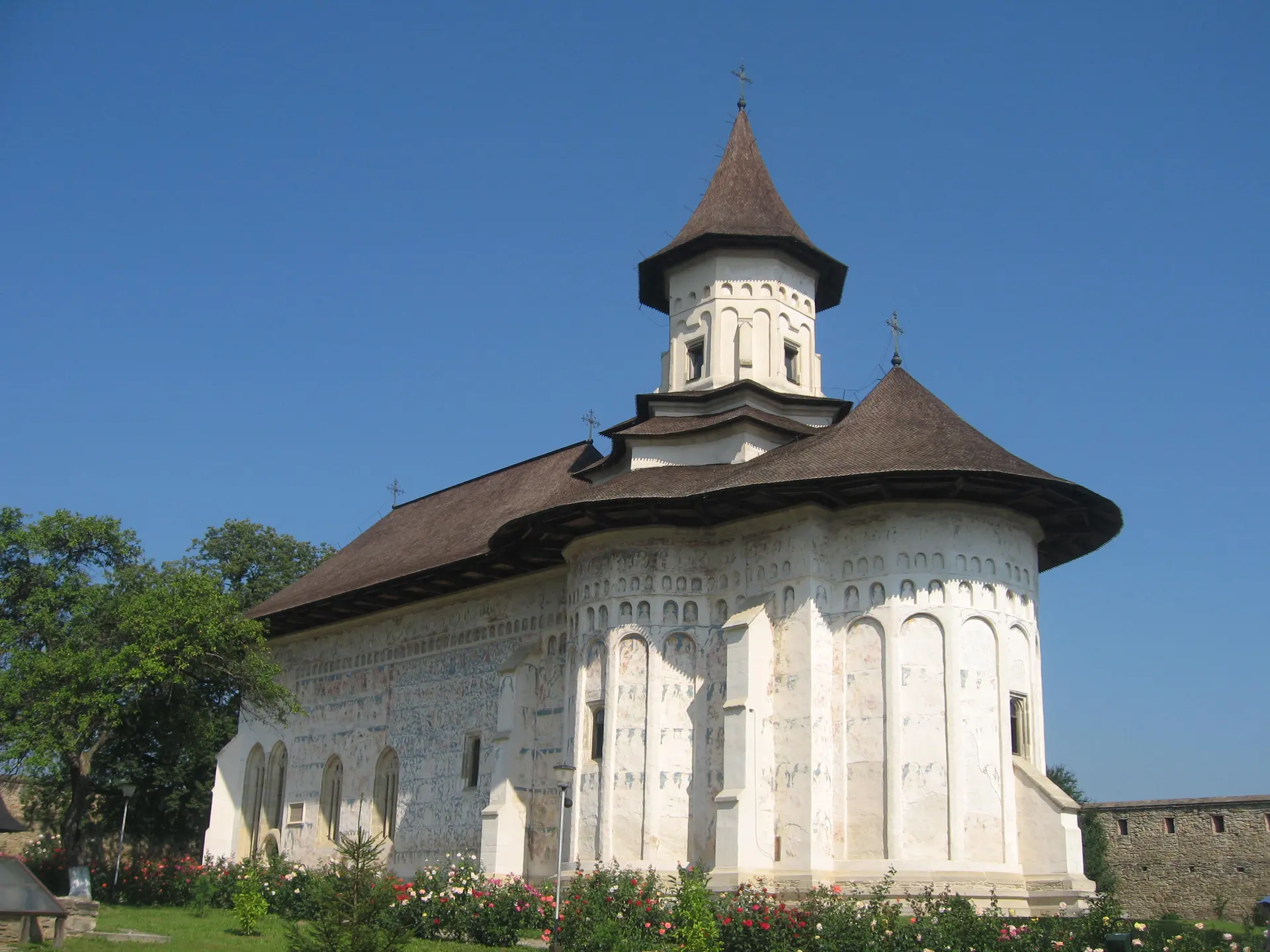
Church of St Nicholas at Probota Monastery
Probota / Dolhasca, Suceava County, Romania
76.1 km away

Neamt Monastery, Romania
Mănăstirea Neamț, Neamț, Romania
104.3 km away
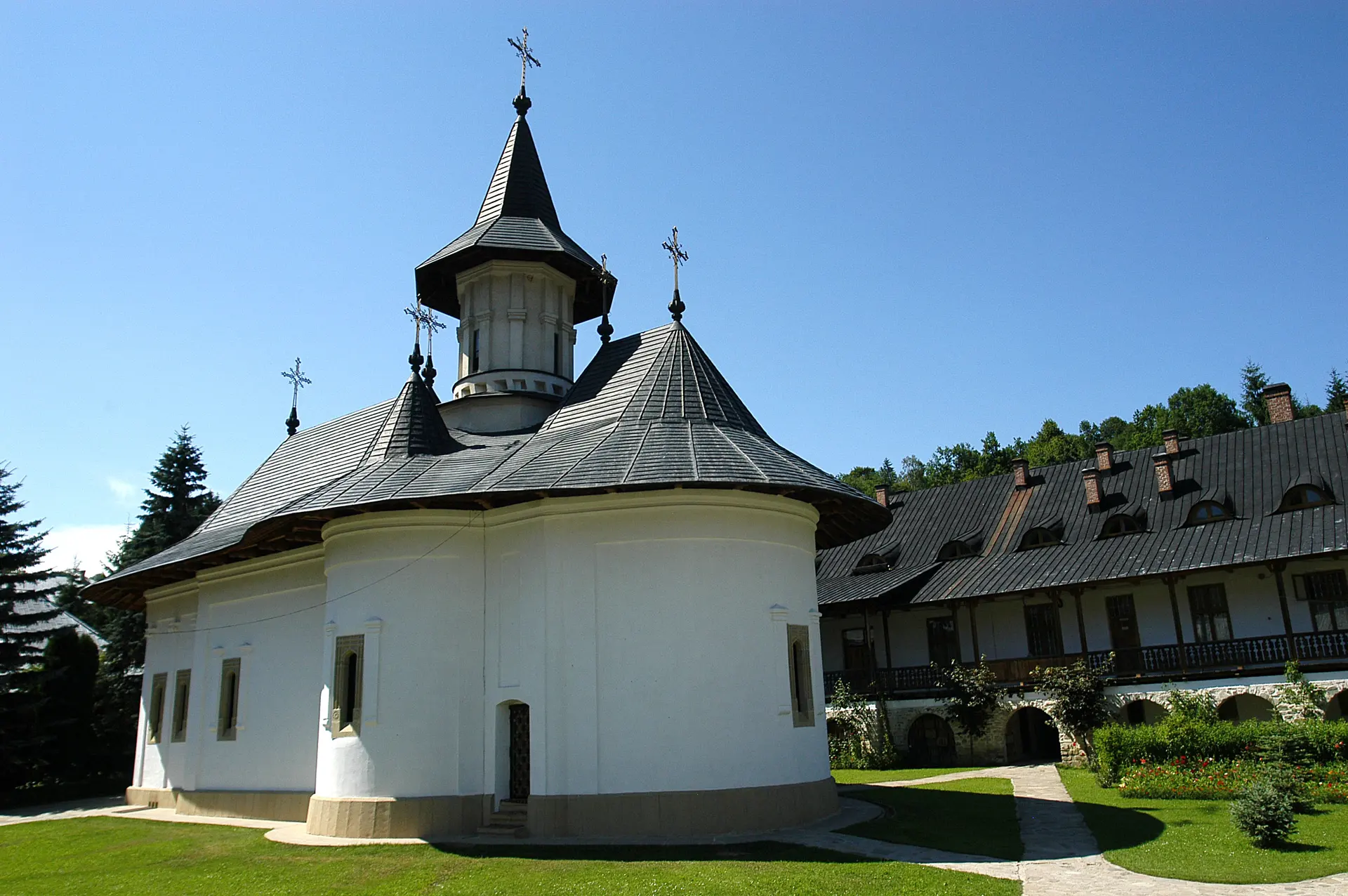
Sihastria Monastery, Romania
Vânători-Neamț, Neamț, Romania
106.9 km away
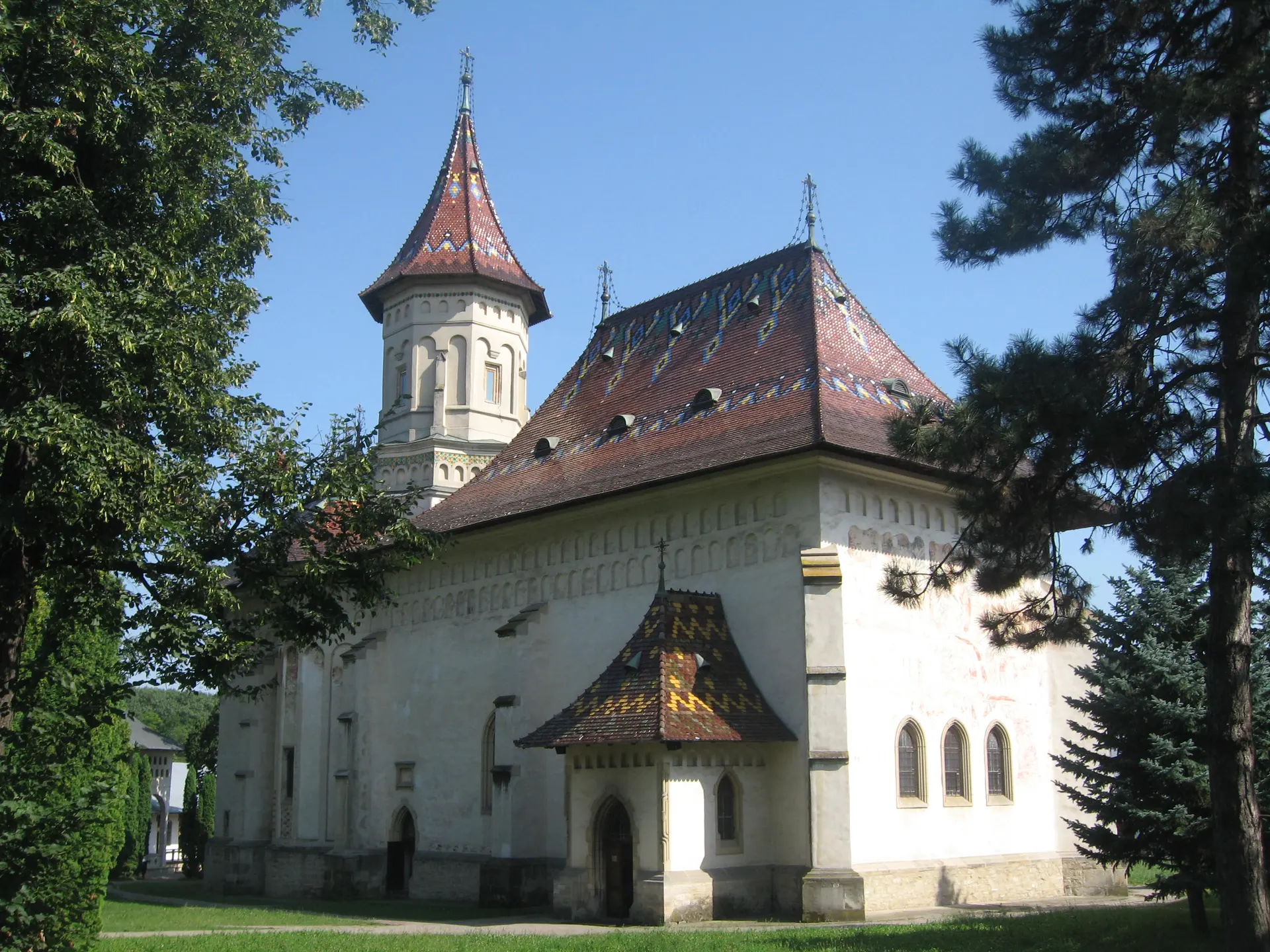
Church of St George at St John the New Monastery
Suceava, Suceava County, Romania
112.7 km away
Share a photo
Help visitors recognize Metropolitan Cathedral, Iași, Romania. Every submission is reviewed before publication.