Lake Mungo
Where humanity's oldest known cremation occurred 42,000 years ago on country still sacred to living peoples
Understand sacred places, explore living traditions, and learn how to engage respectfully with Pilgrim Map.
Access has not been verified. Check current local guidance before planning a visit.
Willandra Lakes, New South Wales, Australia
Read the sources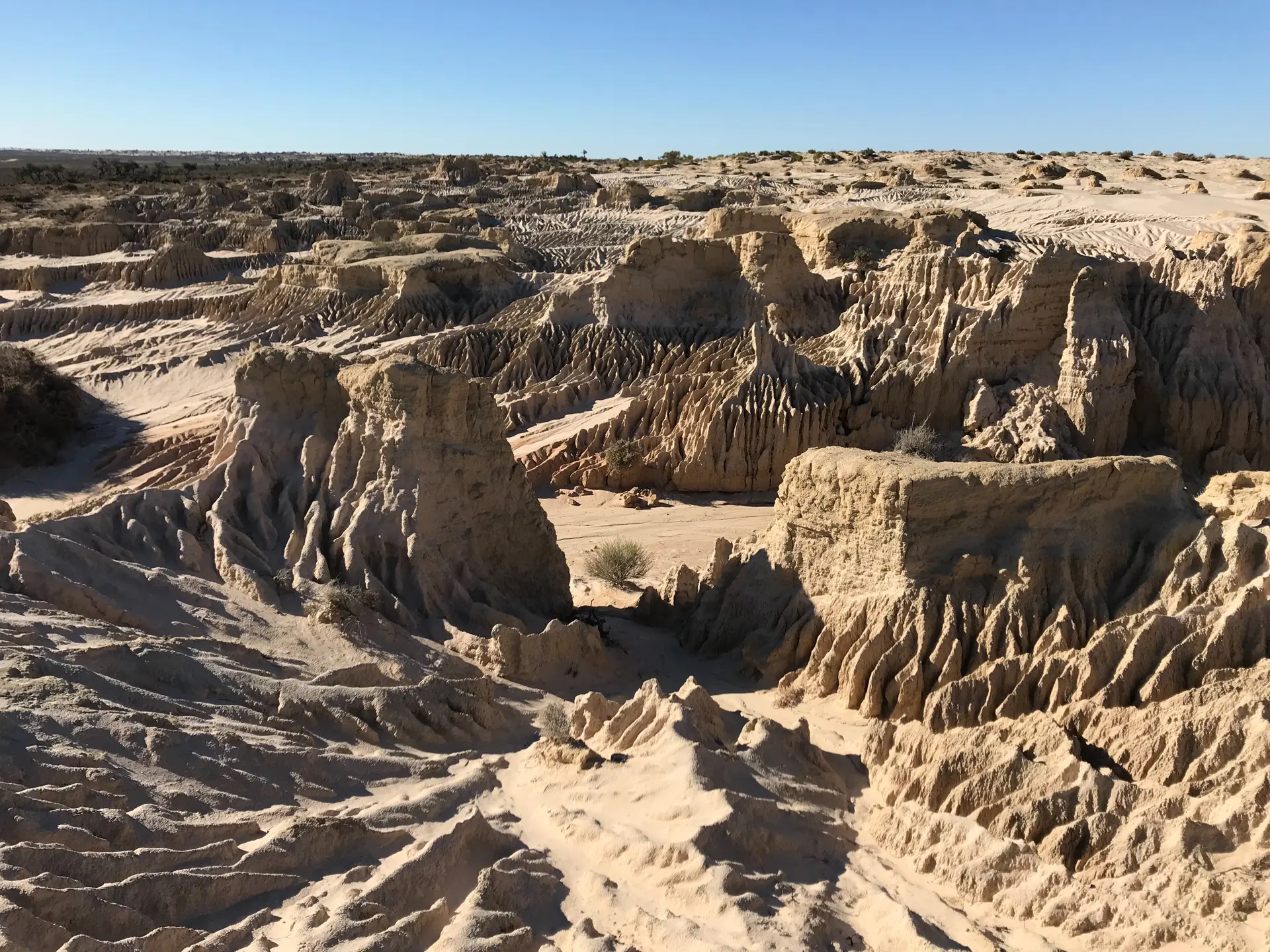
Visit essentials
A quick read before you go
- Duration
- Full day minimum; overnight camping strongly recommended for sunrise/sunset and night sky…
- Access
- Located 760 km west of Sydney, 90 km northeast of Mildura.
Overview
At Lake Mungo, a dry lakebed ringed by windswept dunes called the Walls of China, people lived, loved, and mourned for more than fifty thousand years. Here they performed the earliest cremation and the most ancient ochre burial ritual yet discovered anywhere on Earth.
Mungo Lady was cremated approximately 42,000 years ago, the oldest known cremation in human history. Her bones were gathered, ground, burned again, and buried. Mungo Man, perhaps slightly younger in geological time, was laid out with clasped hands and covered in red ochre; the ceremony's sophistication transformed scientific understanding of early human spiritual capacity.
For the Traditional Owners—the Paakantji, Ngyiampaa and Mutthi Mutthi peoples—these discoveries confirmed what they always knew: their presence on this country is ancient beyond Western comprehension, and their spiritual practices are older than Egypt and Stonehenge, reaching into deep time when the lake held water and ancestors walked its shores. Mungo Lady and Mungo Man have been returned to country and rest in a keeping place near where they were found.
Visitors walk sacred ground where the oldest evidence of human ritual practice lies beneath their feet and living peoples maintain connection to ancestors who died before the last Ice Age.
Why this place is sacred
The thinness of Lake Mungo operates through time rather than space. What thins here is not the boundary between this world and another but the membrane separating present moment from almost inconceivable antiquity. The dry lakebed and eroded dunes contain evidence of continuous human presence for at least 50,000 years—longer than Western civilization's entire existence multiple times over.
The ritual practices evidenced here suggest that whatever capacity humans have for spiritual life was already fully present tens of thousands of years ago. Mungo Lady was not simply disposed of but cremated with ceremony, her bones gathered, ground, and treated with care before burial. Mungo Man's ochre-covered body, positioned with hands clasped and knees bent, speaks to beliefs about death and what might follow that we can only imagine.
For Traditional Owners, this land is not primarily archaeological but ancestral. The remains that scientists studied were ancestors—grandparents of grandparents reaching back a thousand generations. The repatriation of Mungo Lady in 1992 and Mungo Man in 2017 returned them to country where they belong, closing a spiritual wound that had remained open for decades.
Visitors walking the boardwalks along the Walls of China, watching sunset paint the eroded lunettes gold and crimson, stand in a place where the deepest questions about human origins, spirituality, and connection to land find physical expression. What was believed, what was practiced, what was mourned—the land itself holds these memories.
Lake Mungo served as home, hunting ground, ceremonial space, and burial site for Aboriginal peoples for at least 50,000 years. The lake was full of water during the last Ice Age, supporting fish, shellfish, and the communities who lived on its shores.
The lake dried approximately 14,000 years ago, and wind erosion exposed the ancient dunes where human remains and artifacts lay buried. Western discovery began in 1968 with Jim Bowler finding Mungo Lady. UNESCO inscription in 1981 and National Park status in 1979 formalized protection. The repatriation of ancestral remains represents the site's evolution toward Traditional Owner-centered interpretation and management.
Experience and orientation
The experience of Lake Mungo begins with the journey—hours of driving through increasingly remote country until the landscape opens into something almost lunar. The eroded dunes called the Walls of China rise from the flat plain, their layered sediments recording tens of thousands of years of geological and human history.
At sunrise and sunset, the light transforms these formations into something approaching the sacred. Gold, orange, crimson, purple—the colors shift and deepen as the sun moves, and the silence is complete enough to hear your own heartbeat. Many visitors report a quality of presence here that differs from ordinary experience, a sense of standing in thin air between times.
The Aboriginal Discovery Tours offer deeper access, led by rangers who share stories and knowledge about the Traditional Owners' connection to country. Walking where footprints from 20,000 years ago were preserved, learning about the ceremonial practices that occurred here before the pyramids were built, knowing that ancestors now rest again in the land they never left—these experiences shift something in how time and belonging are understood.
The remoteness itself becomes part of the experience. No cities compete for attention; no commercial strips intrude. There is only the land, the sky, the evidence of human presence stretching back further than imagination easily reaches. To camp here overnight, watching stars wheel above country humans have watched for fifty thousand years, is to encounter the kind of thin place that has nothing to do with supernatural phenomena and everything to do with perspective on the human story.
Come to Lake Mungo with respect for sacred country and awareness that you walk where ancestors rest. Join the Aboriginal Discovery Tours if possible—they provide access and understanding beyond what self-guided visits offer. Allow time for stillness. The land speaks, but only to those quiet enough to listen. Sunset at the Walls of China is not to be missed.
Context and lineage
The spiritual lineage of Lake Mungo extends back 50,000+ years through continuous Aboriginal habitation, making it one of the longest-documented places of human spiritual practice on Earth. Modern understanding is informed by Traditional Owner knowledge, archaeological science, and UNESCO recognition of both natural and cultural values.
Mungo Lady (LM1)
42,000-year-old remains representing the world's oldest known cremation
Mungo Man (LM3)
40,000-year-old remains of the oldest known ritual ochre burial
Jim Bowler
Geologist who discovered Mungo Lady in 1968 and Mungo Man in 1974
Traditions and practice
Ancient practices evidenced at Lake Mungo include the world's oldest known cremation (Mungo Lady, 42,000 years ago) and the oldest known ochre burial ritual (Mungo Man, 40,000 years ago). Traditional Owners maintain ongoing ceremonial connection to country and their ancestors who rest here.
Contemporary cultural practice includes Traditional Owner custodianship, ceremonial maintenance of connection to country, and Aboriginal Discovery Tours that share cultural knowledge with visitors. The repatriation and proper keeping of ancestral remains represents a vital ongoing practice.
Join a Mungo Aboriginal Discovery Tour led by park rangers to gain deeper understanding of this country and its Traditional Owners. Walk the boardwalks along the Walls of China at sunrise or sunset. Camp overnight to experience the site's remoteness and vast sky. Approach with the awareness that you walk on sacred ground where ancestors rest.
Aboriginal Australian (Paakantji, Ngyiampaa, Mutthi Mutthi)
ActiveLake Mungo is ancestral country with 50,000+ years of continuous connection. The site contains the world's oldest evidence of cremation (Mungo Lady) and ritual burial (Mungo Man), confirming Traditional Owners' understanding of their deep-time presence on country.
Traditional custodianship, ceremonial connection to country, cultural tours sharing knowledge with visitors, protection of ancestral remains and sacred sites
Perspectives and open questions
Lake Mungo invites encounter with the oldest evidence of human ritual practice on Earth. Whether approached through archaeological, cultural, or spiritual framework, the site demands humility before 50,000 years of human presence.
Scholarly perspective
Lake Mungo contains the oldest known human remains in Australia, dated to 40,000-42,000 years ago. Mungo Lady represents the world's oldest known cremation. Mungo Man's ochre burial is the earliest known example of sophisticated ritual burial practice globally. The 460 footprints discovered in 2003, dated to 20,000 years ago, are among the oldest human footprints in existence. These discoveries transformed understanding of human presence in Australia and early modern human spiritual capacity worldwide.
Living and traditional perspectives
For the Paakantji, Ngyiampaa and Mutthi Mutthi peoples, Lake Mungo is ancestral country where their people have lived since the Dreaming. Scientific discoveries confirmed what Traditional Owners always knew—their deep-time connection to country. The repatriation of Mungo Lady (1992) and Mungo Man (2017) returned ancestors to where they belong, an act of immense spiritual importance.
Open questions
The full story of 50,000+ years of human life at Lake Mungo remains largely unknown. What beliefs, stories, ceremonies, and practices the ancient inhabitants held can only be imagined. The 460 footprints preserve a moment of activity—children running, adults walking—but the context of their lives remains mysterious.
Plan your visit
Access and arrival
Located 760 km west of Sydney, 90 km northeast of Mildura. Access by car via part-unsealed roads; check conditions before travel. Fly to Mildura and rent car or book tour. National Park entry fee applies.
Camping at Belah campground and Main Camp area within the park. Limited facilities—come prepared for outback camping. Accommodations in Mildura (90 km).
Respectful visit
Sturdy walking shoes, sun protection (hat, sunscreen), comfortable layers for temperature variation. Outback conditions apply.
Permitted in general areas. Check with tour guides about restrictions in sacred areas.
Respect Traditional Owner protocols. Leave nothing; take nothing.
{"Stay on designated trails and boardwalks","Some areas accessible only through guided tours","Do not disturb archaeological sites","Do not remove anything from the park","Carry adequate water","Respect sacred sites"}
Some areas are restricted and accessible only through guided tours. Respect all protocols regarding sacred sites. The outback environment requires preparation—carry adequate water, wear sun protection, and be prepared for extreme temperatures.
Current practical details
Address
Garnpang Rd, Mungo NSW 2715, Australia
Phone
Hours
Hours, fees, and access can change — verify on the official source before you travel. Practical details last checked Jun 2026.
Location
Map loads as you approach this section.
Pilgrim reflections
A portrait of encounter, not a score
Pilgrims describe what they felt, how present they could become, and whether the place would shape a journey. There are no stars and no ranking of traditions.
No reviewed reflections yet
The first pilgrims can help describe the character of being here.
Share a reflection
Available after an account-backed “Been there.” Every reflection is reviewed before publication.
Nearby sacred places
Explore other sacred places in the region. Proximity does not establish access or travel time; check each place’s guidance.
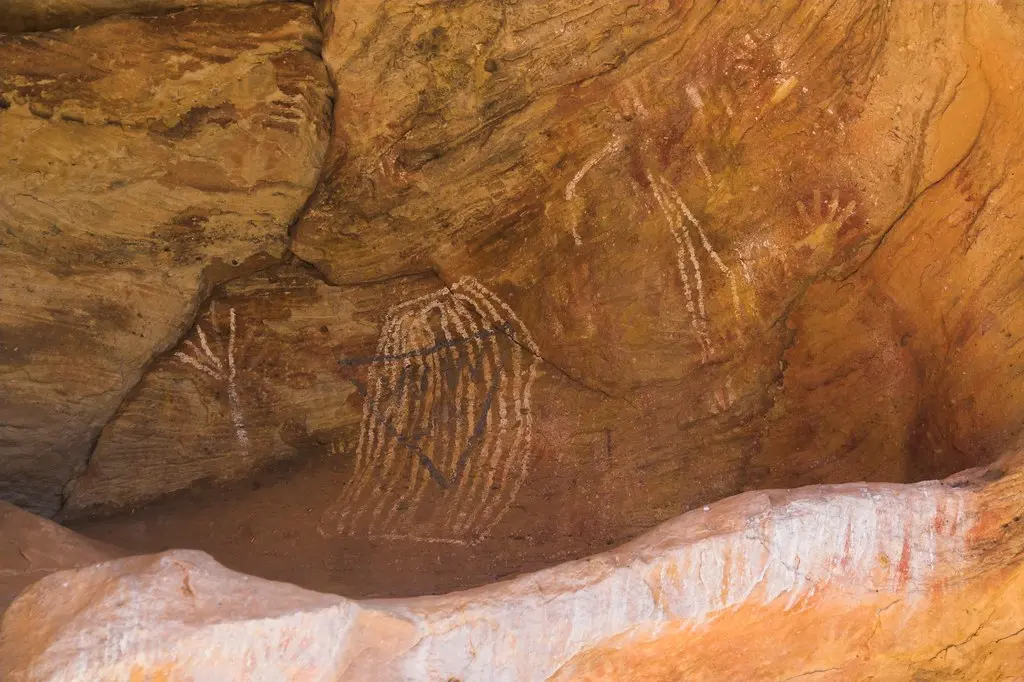
Mutawintji Historic Site
Mutawintji / Broken Hill region, New South Wales, New South Wales, Australia
273.0 km away
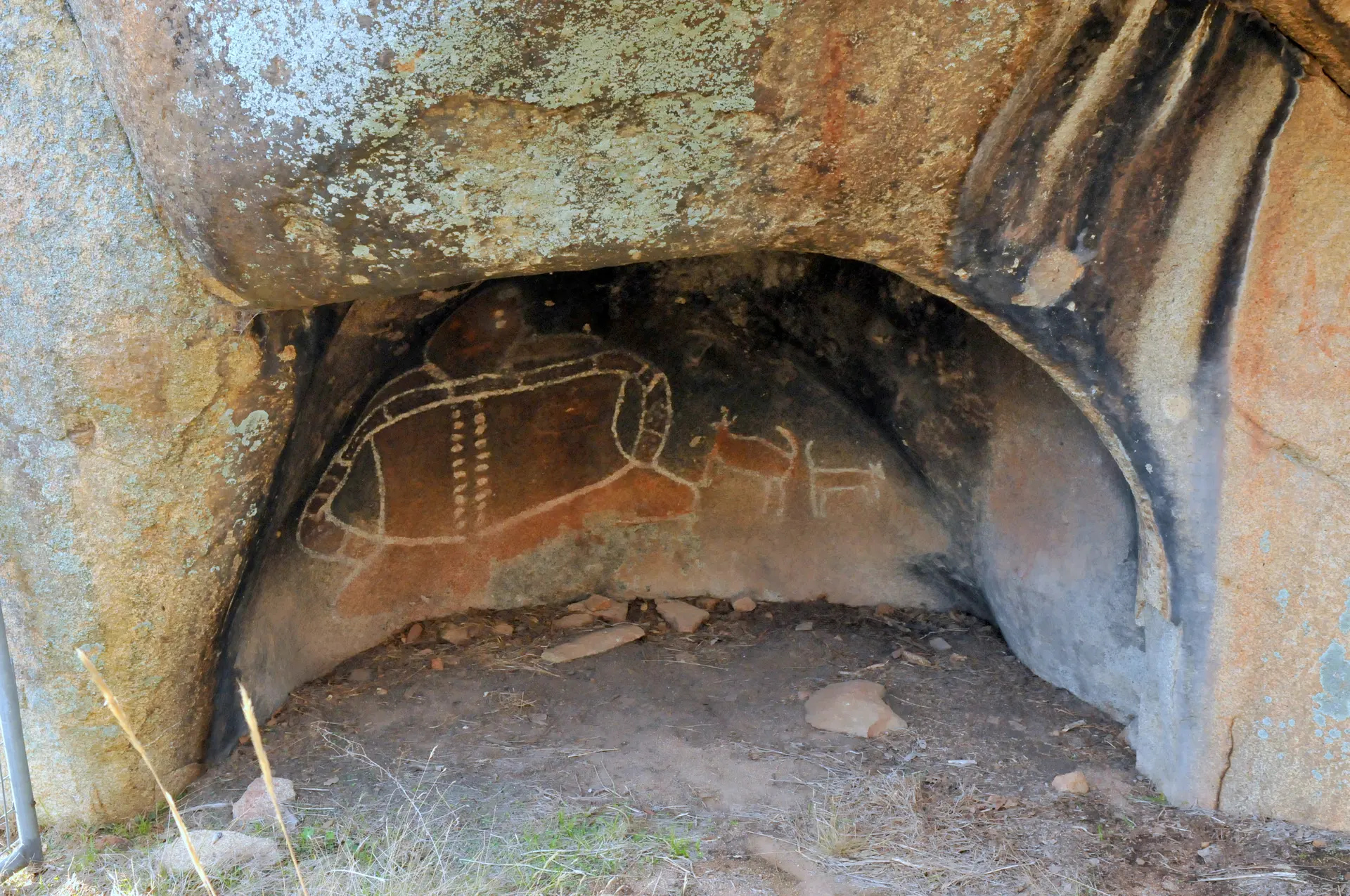
Bunjil's Shelter
Stawell / Black Range, Victoria, Victoria, Australia
374.6 km away
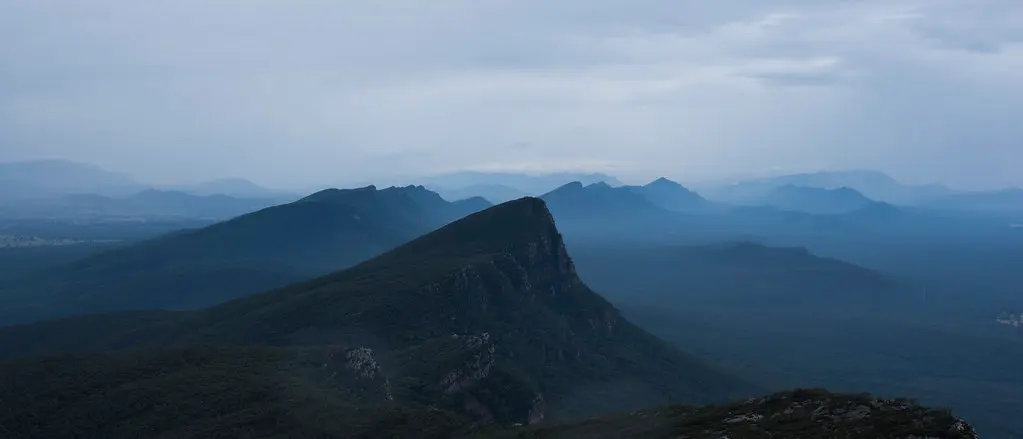
Grampians National Park
Shire of Northern Grampians, Victoria, Australia
392.6 km away

Wilpena Pound
Pastoral Unincorporated Area, South Australia, Australia
479.5 km away
References
Sources consulted for this page. Source categories describe the publication, not a guarantee that every claim is verified. Traditional accounts and outside interpretations may differ.
- 01Mungo National Park — NSW National ParksofficialOfficial park information
- 02Mungo Lady and Mungo Man — Visit MungoacademicIndigenous-managed cultural site
- 03Willandra Lakes Region — UNESCO World Heritage CentreofficialOfficial World Heritage listing
Photo gallery
3 curated photos
Share a photo
Help visitors recognize Lake Mungo. Every submission is reviewed before publication.