Kinnell stone circle, Killin
A Bronze Age circle where seekers find stillness among stones four millennia old
Understand sacred places, explore living traditions, and learn how to engage respectfully with Pilgrim Map.
Access has not been verified. Check current local guidance before planning a visit.
Killin, Scotland, United Kingdom
Read the sources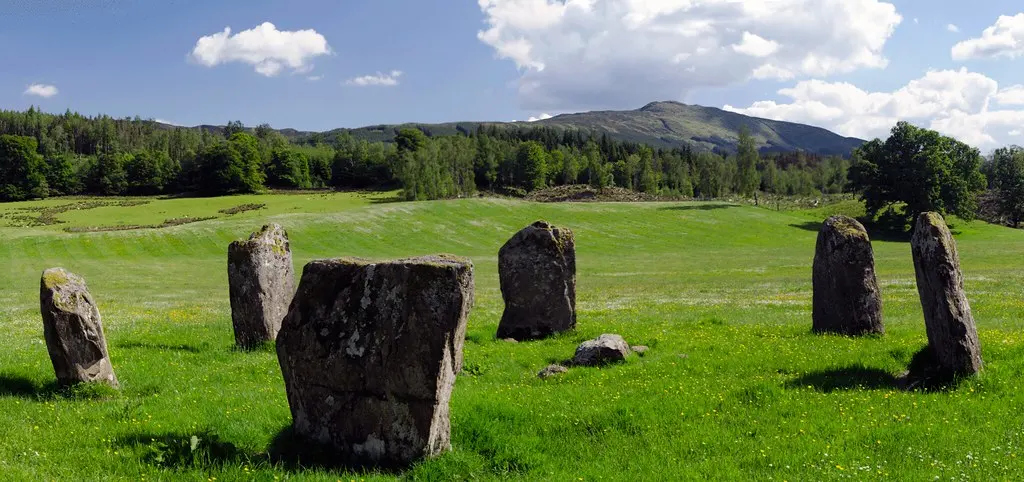
Image of Kinnell stone circle, Killin. Image source
Visit essentials
A quick read before you go
- Duration
- 30-45 minutes to appreciate the site, find the cup marks, and sit with the stones
- Etiquette
- Kinnell Stone Circle is a protected monument on private farmland.
Overview
Some places require no interpretation: the stones are simply there, as they were before anyone recorded them and will be after each visitor leaves.
Kinnell Stone Circle stands in farmland above the confluence of the Dochart and Lochay before they enter Loch Tay. Six dark-grey schist stones rise from the grass, their heights carefully graded. The tallest face southwest; the rest diminish toward the northeast in a pattern too consistent to be accidental.
This is not Stonehenge: no barriers, audio guides, or admission queues. A farmer permits passage across private land; sheep graze and mountains watch. Ceremonies once held here have been silent for millennia, yet intention persists—perhaps in the placement, the landscape, or something harder to name.
Visitors describe peace: not distraction, but presence. Where time moves differently, the distance between past and present seems to thin.
Why this place is sacred
The landscape around Killin holds layers of sacred association that predate recorded history. Creag na Cailleach—the Rock of the Old Woman—guards the entrance to Glen Lochay, known locally as the Valley of the Black Goddess. Ben Lawers rises to the north. The rivers Dochart and Lochay converge just below the stone circle, their waters joining before entering the western end of Loch Tay.
The Bronze Age builders who raised these stones chose this location with care. We cannot know their precise reasons, but the position suggests they recognized something in this convergence of waters and mountains. The stones themselves speak of intentionality: their heights grade from tallest in the southwest to shortest in the northeast, a pattern found in other circles of this regional tradition.
On the northernmost stone, three cup marks are carved into the top—an unusual placement that connects this site to a symbolic system stretching across Neolithic and Bronze Age Britain.
Later generations continued to find meaning here. The legendary Celtic hero Fionn mac Cumhaill is said to be buried nearby, his grave marked by Fingal's Stone some six hundred meters to the west. A healing well called Fuaran na Druidh Chasad, connected by local tradition to the stone circle, was visited into the nineteenth century by families seeking cures for children's ailments. When the original beliefs were forgotten, the recognition of sacredness persisted in new forms.
The circle sits at an intersection: of waters, of mountains, of traditions layered across millennia. Whether one speaks of thin places, earth energies, or simply the accumulated weight of human attention, something about this configuration draws people still.
Archaeological evidence places construction in the Later Neolithic or Bronze Age, roughly 2000-3000 BCE. The circle appears to have served ceremonial functions, though the specific rituals remain unknown. The height grading of the stones may relate to celestial observations—possibly solar or lunar alignments. The cup marks suggest ritual activity involving the stones themselves, perhaps receiving liquid offerings.
The original ceremonial use faded millennia ago, its meaning lost with the communities who created it. But the landscape retained sacred significance through cultural transitions. Gaelic-speaking peoples located their hero legends here. Folk healing traditions connected the nearby Whooping-Cough Well to what they called ancient rituals at the circle. St Fillan established his mission in Killin in the eighth century, his healing stones still ceremonially tended today.
The site now draws visitors seeking connection with prehistoric Scotland—archaeologically minded tourists, contemporary pagans, and seekers of various kinds who find in these stones a quality of presence that transcends the category of heritage tourism.
Experience and orientation
The walk from Killin takes perhaps ten minutes—through trees, past the gate, into the field where the stones wait. There are no other visitors most days. Sheep regard you with mild interest, then return to grazing.
What visitors report is not dramatic. There are no visions, no voices. Instead: stillness. A quality of quiet that feels different from ordinary silence. The stones are cool under the palm. Their surfaces hold the texture of four thousand years of Scottish weather. Standing among them, with the mountains visible to the north and the sound of rivers faintly audible below, the usual noise of modern life seems to recede.
People speak of feeling connected—to the anonymous builders, to the landscape, to something larger than individual experience. The freedom to touch the stones matters. At more famous circles, barriers enforce distance. Here, you can place your hand where hands have been placed across millennia. The connection is physical as well as imaginative.
Those who find the site often feel they have discovered something. It appears in no guidebooks. Most visitors to Killin come for the Falls of Dochart and never learn that a Bronze Age stone circle stands in a field nearby. Finding it feels like being let in on a secret the land has kept for a very long time.
Kinnell Stone Circle rewards unhurried attention. Bring no expectations beyond curiosity. Walk slowly around the circle, noticing how the stones relate to each other and to the landscape. Find the cup marks on the northern stone—three worn depressions that someone carved perhaps four thousand years ago. Sit with your back against a stone if the grass is dry. Let the place work at its own pace. There is nothing to achieve here. The stones require only presence.
Context and lineage
We have no written account of this circle's creation—it predates literacy in this region by thousands of years. The archaeological record places it among a cluster of similar monuments in western Perthshire, suggesting a regional ceremonial tradition. These communities invested significant effort in selecting, transporting, and positioning stones of carefully graded heights. They carved cup marks into at least one stone.
They chose this location, overlooking the meeting of two rivers, for reasons that made sense within their understanding of the world.
The Perthshire six-stone circles may be related to the Recumbent Stone Circles of Aberdeenshire, according to archaeologist Aubrey Burl, though the connection remains speculative. What is clear is that these monuments represent intentional effort by communities who held this landscape sacred long before any tradition we can name.
The builders left no names, only stones. Their tradition—whatever ceremonies they performed, whatever beliefs they held—has no continuous line to the present. But the landscape retained significance. Gaelic-speaking peoples placed their hero's grave nearby. Christian missionaries built upon earlier sacred associations. Folk healers connected the Whooping-Cough Well to the ancient circle. Contemporary visitors arrive seeking something the ancestors might recognize, even if neither they nor we can name it precisely.
Fred Coles
archaeological surveyor
Conducted the first systematic survey of Kinnell Stone Circle in 1910, published in the Proceedings of the Society of Antiquaries of Scotland. Coles pioneered speaking to local inhabitants about their knowledge of the sites he documented.
Rev. Hugh MacMillan
19th century antiquarian
Described the circle in 1884 and connected the nearby Whooping-Cough Well to ancient rituals at the stones, preserving folk memory of the site's sacred associations.
Fionn mac Cumhaill
legendary figure
The legendary Celtic hero whose grave is traditionally said to be marked by Fingal's Stone, approximately 600 meters from the circle. While the stone circle predates these legends by millennia, later communities wove it into their heroic landscape.
Traditions and practice
The original Bronze Age practices are unknown. Evidence from similar sites and the monument's design suggests ceremonies may have involved observation of celestial events, funerary or ancestral rites, and community gatherings at significant calendar points. The cup marks on the northern stone may have received liquid offerings. The nearby Whooping-Cough Well, connected by Hugh MacMillan to ancient rituals at the circle, was visited into the nineteenth century by families seeking healing for children.
No organized ceremonies take place at the site. Visitors seeking spiritual engagement find their own ways to connect: sitting in silence among the stones, touching them, walking the circumference slowly, or simply being present in a place where people have gathered for thousands of years. Contemporary pagans are among those drawn here, though the site is not associated with any organized group.
If you come seeking more than archaeology, consider arriving without agenda. Sit with the stones before analyzing them. Let your attention move slowly around the circle, noticing which stone draws you. If you feel moved to touch, do so gently—these stones have carried meaning for forty centuries. Offer whatever feels genuine: a moment of silence, attention, gratitude. The form matters less than the sincerity.
Bronze Age ceremonial practice
HistoricalKinnell Stone Circle was constructed during the Later Neolithic or Bronze Age (c. 2000-3000 BCE) as a ceremonial site within a distinctive regional tradition of six-stone rings. The careful grading of stone heights and the presence of cup marks indicate ritual purpose, though the specific ceremonies are unknown.
Original practices cannot be recovered. Evidence from similar sites suggests ceremonies may have involved celestial observation, funerary or ancestral rites, and community gatherings at calendar-significant times. The cup marks may have received liquid offerings.
Folk healing traditions
HistoricalLocal tradition connected a rock known as Fuaran na Druidh Chasad (Well of the Whooping-Cough) to ancient rituals at the stone circle. The practice of bringing children to drink healing water from this stone survived into the nineteenth century.
Children suffering from whooping cough were brought to drink water collected in a natural cavity in the rock. Two flat stones served as steps to help children reach the healing water.
Contemporary heritage spirituality
ActiveModern visitors seeking connection with prehistoric sacred sites are drawn to Kinnell Stone Circle for its authenticity, accessibility, and intimate atmosphere. Unlike more famous monuments, visitors can walk freely among the stones and spend time in quiet contemplation.
Personal pilgrimage and meditation at the stones. Quiet contemplation and connection with the ancient site. The freedom to touch the stones and move among them is valued by visitors who find here a quality of encounter unavailable at more managed sites.
Perspectives and open questions
Kinnell Stone Circle invites multiple ways of understanding. Archaeologists study it as a Bronze Age ceremonial monument; seekers experience it as a thin place where the past feels present. Neither perspective need exclude the other.
Scholarly perspective
Archaeological research places Kinnell among a distinctive cluster of six-stone rings found almost exclusively in western Perthshire. Aubrey Burl speculated on a relationship with the Recumbent Stone Circles of Aberdeenshire. Fred Coles' 1910 survey provided the first systematic documentation. The height grading of the stones—a feature shared with other circles in the region—and the cup marks on the northern stone indicate deliberate ritual design, though the specific ceremonies remain unknown.
Historic Environment Scotland designates the monument as nationally important for its potential to add to understanding of prehistoric ritual practice.
Living and traditional perspectives
No continuous tradition links present practitioners to the original builders. However, the landscape retained sacred significance across cultural transitions. Gaelic-speaking communities located the grave of their hero Fingal nearby. Folk healing traditions connected the Whooping-Cough Well to the ancient circle. St Fillan's mission in Killin built upon earlier sacred associations. This layering suggests the site's spiritual significance was recognized across many generations, even as specific meanings changed.
Alternative interpretations
Some visitors perceive the stone circle as a place of earth energy and spiritual power. The cup marks are sometimes interpreted as connected to life force or cosmic mapping. The site's position at the confluence of two rivers, with views to sacred mountains, is seen as creating a natural focus of spiritual energy. These interpretations lack archaeological support but often emerge from genuine experiences visitors have at the site.
Open questions
Genuine mysteries remain. What specific ceremonies did the circle serve? What do the cup marks mean? Were the stones ever re-erected or restored at some point in history? Why was this particular location chosen? How was knowledge of the site's significance transmitted across millennia before written records? The historical record is silent on these questions, and perhaps that silence is appropriate. Some things resist knowing.
Plan your visit
Access and arrival
Killin village offers hotels, B&Bs, self-catering cottages, and a campsite. The Falls of Dochart Inn overlooks the famous waterfalls. Aberfeldy and Callander offer additional options within 25 miles.
Respectful visit
Dress for Scottish Highland weather, which can change rapidly. Waterproof footwear is essential—the field is often muddy, with a significant puddle frequently forming near the entrance gate. Layers accommodate temperature changes.
Photography is welcome. The stones photograph well, especially with the mountain backdrop. Be present before being productive; the stones will wait for your camera.
No guidance exists for offerings. If you feel moved to leave something, use only natural, biodegradable materials that will not harm the site or grazing animals. Consider whether a physical offering is necessary—internal offerings of attention and gratitude leave no trace.
The site is a Scheduled Monument protected under the Ancient Monuments and Archaeological Areas Act 1979. Do not dig, disturb the ground, or damage the stones. Electric fencing may be present near the gate—take care. Be respectful of livestock.
This is a protected Scheduled Monument. Do not dig, move stones, or disturb the ground in any way. If you leave offerings, use only natural materials that will not harm the site or grazing livestock. Be aware that you are on private land—the landowner's generosity in permitting access depends on visitors behaving respectfully.
Current practical details
Address
Loch Tay, Killin FK21 8SR, UK
Hours
Hours, fees, and access can change — verify on the official source before you travel. Practical details last checked Jun 2026.
Location
Map loads as you approach this section.
Pilgrim reflections
A portrait of encounter, not a score
Pilgrims describe what they felt, how present they could become, and whether the place would shape a journey. There are no stars and no ranking of traditions.
No reviewed reflections yet
The first pilgrims can help describe the character of being here.
Share a reflection
Available after an account-backed “Been there.” Every reflection is reviewed before publication.
Nearby sacred places
Explore other sacred places in the region. Proximity does not establish access or travel time; check each place’s guidance.
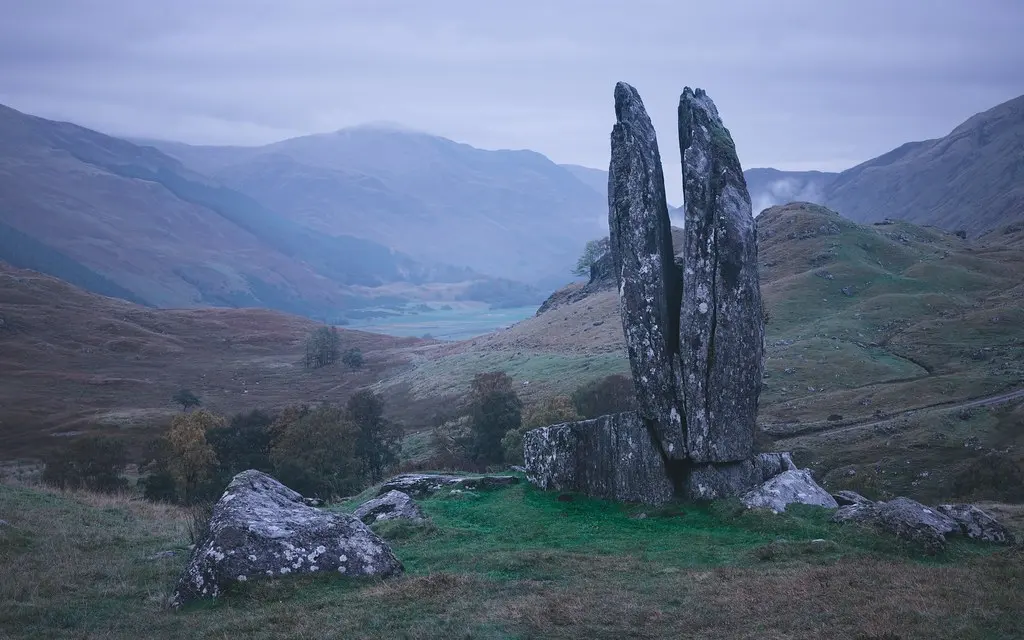
Praying Hands of Mary
Fortingall, Scotland, United Kingdom
14.1 km away
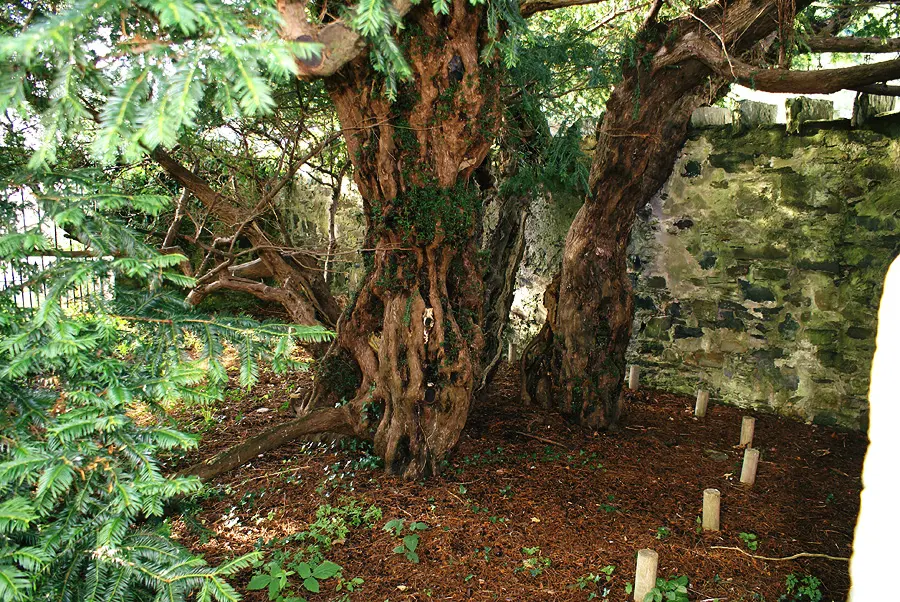
Fortingall Yew Tree and Church, Perthshire, Scotland
Fortingall, Scotland, United Kingdom
21.7 km away
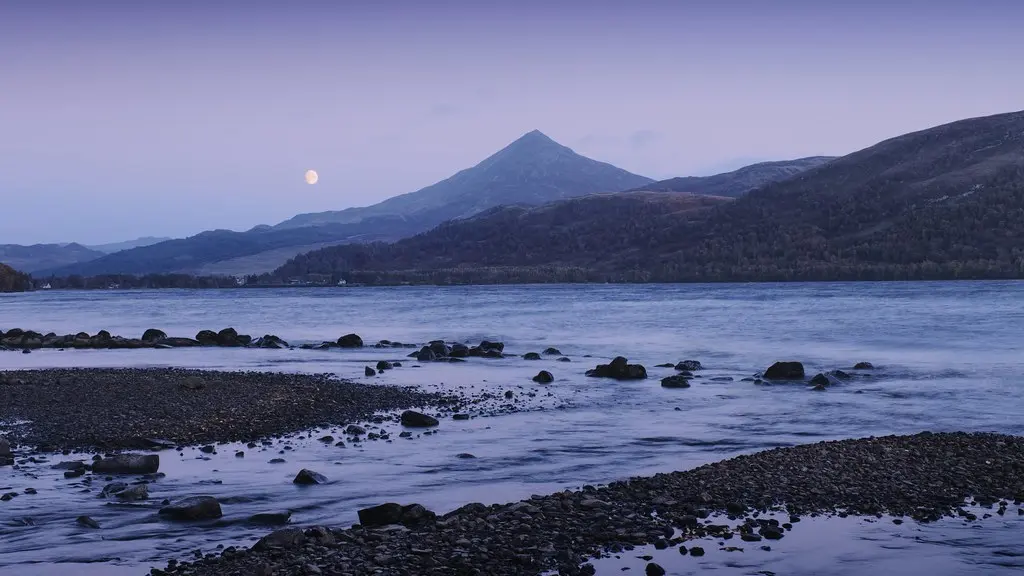
Mount Schiehallion, Scotland
Aberfeldy, Scotland, United Kingdom
25.8 km away

Croft Moraig Stone Circle, Aberfeldy
Aberfeldy, Scotland, United Kingdom
26.3 km away
References
Sources consulted for this page. Source categories describe the publication, not a guarantee that every claim is verified. Traditional accounts and outside interpretations may differ.
- 01Kinnell Park, stone circle, Killin (SM1557) — Historic Environment ScotlandofficialOfficial scheduled monument designation record
- 02Kinnell Park Stone Circle, Killin, Stone 3 — Canmore (National Record of the Historic Environment)officialOfficial Scottish heritage database record with archaeological references
- 03Kinnell Park, stone circle, Killin — Trove ScotlandofficialOfficial heritage designation information
- 04Report on Stone Circles Surveyed in Perthshire (Aberfeldy District) — Fred Colesacademic1910 archaeological survey published in Proceedings of the Society of Antiquaries of Scotland
- 05Killin Stone Circle — WikipediaencyclopediaWell-referenced overview with archaeological and historical details
- 06Kinnell [Killin, Kinnell Park, Achmore] Stone Circle — The Megalithic PortalofficialSpecialist megalithic site database with detailed measurements and Fred Coles survey reference
- 07Kinnell, Killin, Perthshire — The Northern AntiquarianblogDetailed site analysis with historical sources and landscape context
- 08Kinnell Stone Circle — Scotland Off the Beaten TrackguideDetailed visitor guide with directions and historical context
- 09Kinnell of Killin (Stone Circle) — The Modern AntiquarianofficialCommunity-contributed megalithic site database
- 10Killin Stone Circle — Loch Lomond & The TrossachsofficialRegional tourism information
- 11Kinnell Stone Circle — The Gazetteer for ScotlandSource contextGeneral reference information
- 12Kinnell | stone circle in Killin, Perthshire — Stravaiging around ScotlandofficialSpecialist site with landscape context and Cailleach mythology
- 13Well of the Whooping-Cough, Killin, Perthshire — The Northern AntiquarianblogDocumentation of Fuaran na Druidh Chasad healing well tradition
- 14Fingal's Stone — The Gazetteer for ScotlandSource contextInformation on nearby Fingal's Stone and Fionn mac Cumhaill legend
- 15Fingal's Stone [Fingal's Grave] Standing Stone (Menhir) — The Megalithic PortalofficialDetails of Fingal's Stone approximately 609m from Kinnell Stone Circle
- 16Breadalbane Folklore Centre, Killin, Trossachs — Britain ExpressguideInformation on St Fillan's healing stones and local folklore
- 17Creag na Cailleach, Killin, Perthshire — The Northern AntiquarianblogSacred mountain mythology and Cailleach traditions near Killin
- 18Kinnell Park, stone circle, Killin — Ancient Monuments UKofficialScheduled monument details and archaeological significance
- 19Stone Circle Killin - TripAdvisor Reviews — Various visitorsguideVisitor reviews providing experiential accounts and practical visiting information
Share a photo
Help visitors recognize Kinnell stone circle, Killin. Every submission is reviewed before publication.