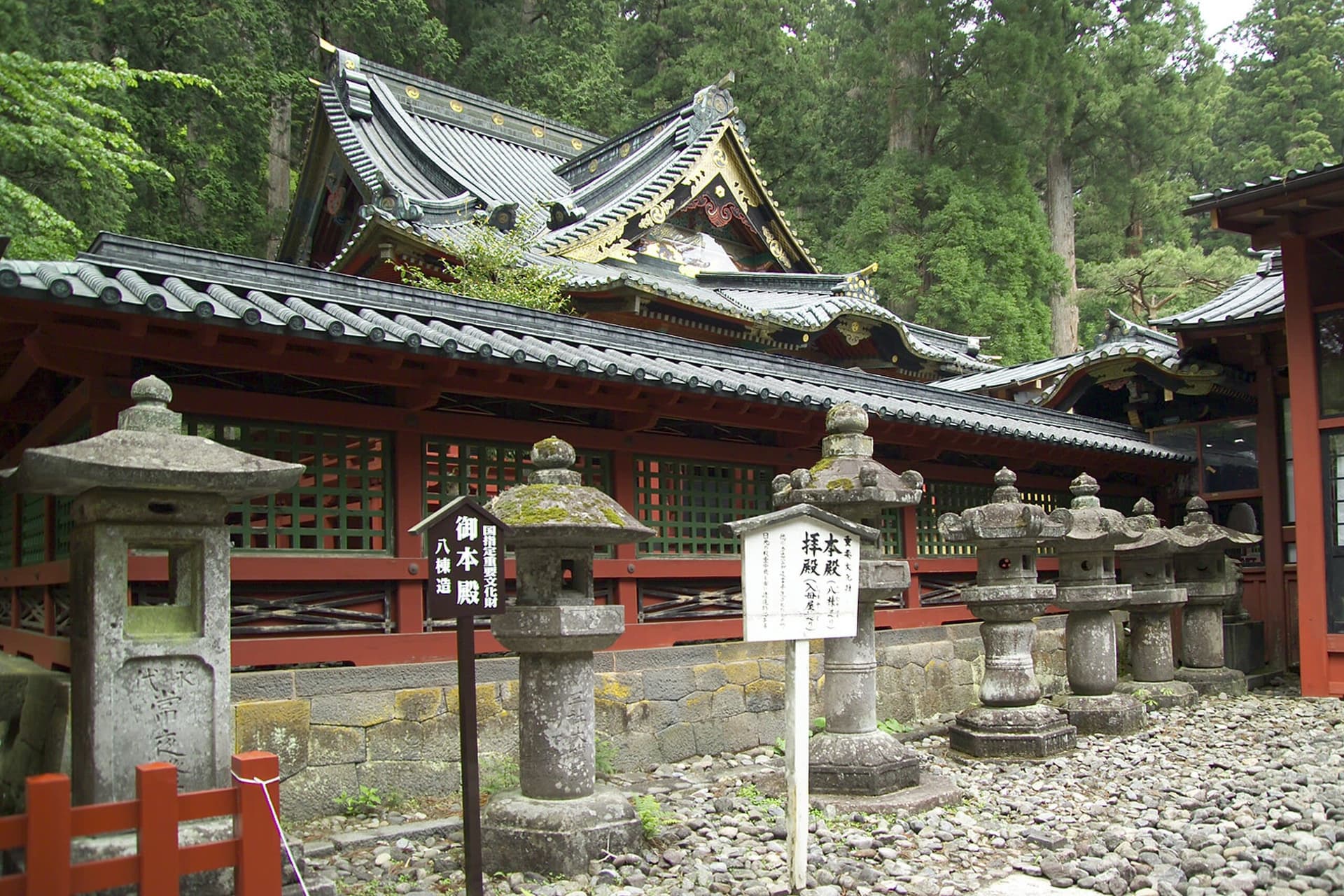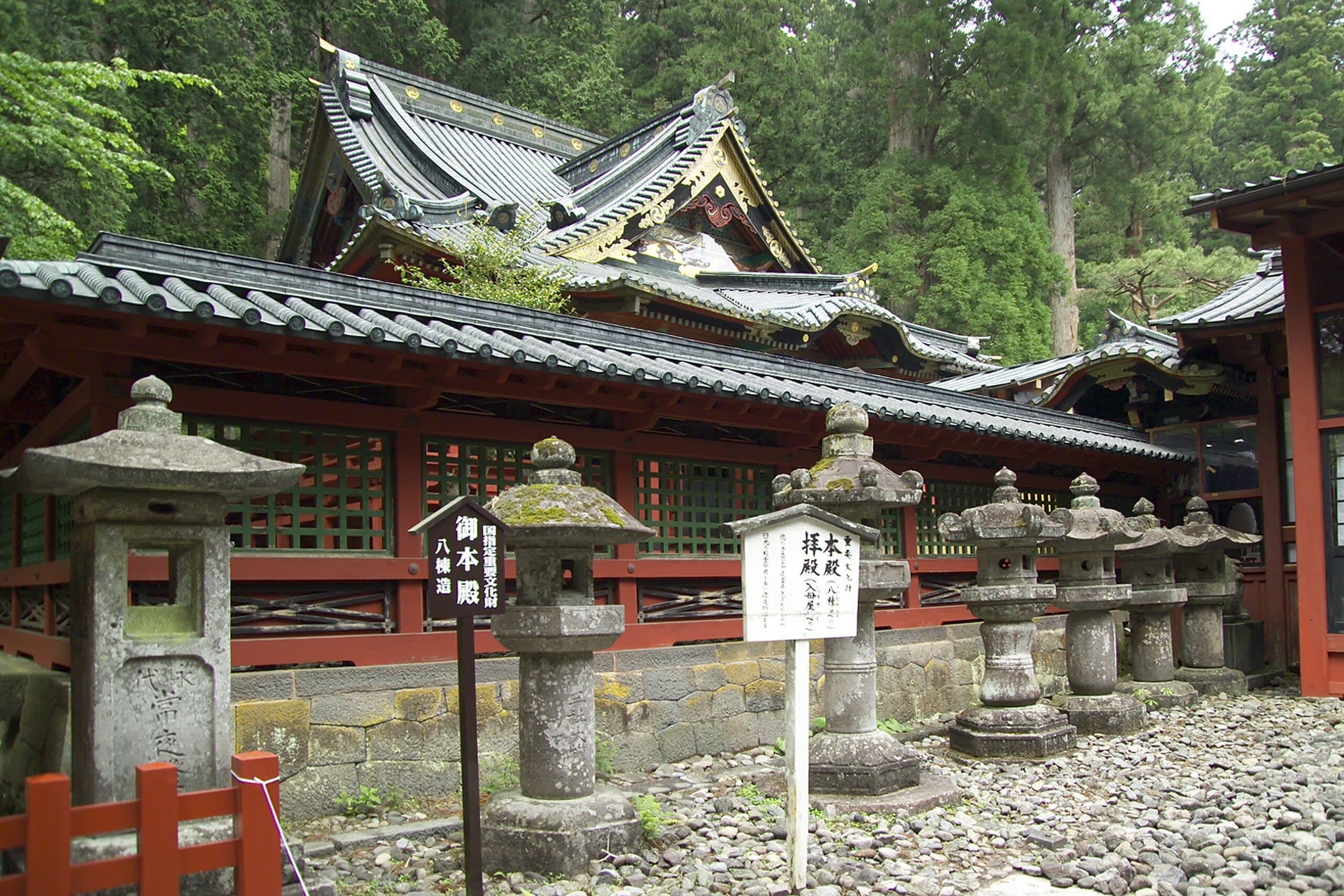
Futarasan Shrine (Nikkō Futarasan Jinja)
Where Shinto's oldest form persists, worshipping mountains as the living bodies of gods
Nikko, Tochigi Prefecture, Japan
At A Glance
- Coordinates
- 36.7584, 139.5964
- Suggested Duration
- 1-2 hours for the main shrine and garden. Add 30 minutes for crossing the Shinkyo Bridge and exploring the river approach. A full day for pilgrimage including Chuguji and Mount Nantai summit.
Pilgrim Tips
- No specific dress code, but modest, respectful attire is appropriate. Comfortable walking shoes are recommended for exploring the precinct.
- Permitted in most areas. Be mindful near worship areas and of other visitors. Do not photograph people praying without permission.
- Maintain respectful behavior throughout. This is an active place of worship, not merely a heritage site. Follow Shinto protocols when approaching worship areas. The summit shrine requires physical climb of Mount Nantai, which is closed during winter. Do not attempt the full pilgrimage outside climbing season.
Overview
Futarasan Shrine connects three sacred spaces in a vertical axis of worship: the main shrine at the base of Mount Nantai, the Chuguji by Lake Chuzenji, and the summit Okumiya. Founded by Shodo Shonin in 782 CE, it represents one of Japan's purest expressions of mountain worship, where the land itself is understood as divine. UNESCO recognizes it as part of a sacred landscape of outstanding universal value.
Before there were temples in Japan, there were mountains. Before there were statues of gods, there were peaks that were themselves divine. Futarasan Shrine carries forward this oldest stratum of Japanese spirituality, worshipping Mount Nantai as go-shintai, the physical body of a kami.
The shrine complex spans three locations: the main shrine at the base of the mountain, the Chuguji by Lake Chuzenji, and the Okumiya on Mount Nantai's summit. These three points create a vertical axis connecting earth and heaven, a pilgrimage architecture that physically enacts the relationship between humans and the sacred.
Shodo Shonin founded the shrine in 782 CE, fifteen years after his pioneering ascent of Mount Nantai. What had been instinctive worship became institutional practice. The shrine he established has maintained continuous worship for over 1,200 years. Its precincts cover 3,400 hectares, second only to Ise Grand Shrine in area, and include Mount Nantai itself.
The famous vermilion Shinkyo Bridge, one of Japan's three finest bridges, marks the transition between ordinary and sacred space. To cross it is to leave the profane world behind. The bridge exists because a deity once helped Shodo Shonin cross the river on the backs of two serpents. Architecture here is not merely functional but mythological.
Unlike the ornate Toshogu next door, Futarasan Shrine retains a quieter, more natural character. The atmosphere draws visitors who seek something older than the Tokugawa magnificence. Here, the ancient relationship between Japan and its mountains can still be felt.
UNESCO inscription in 1999 recognized Futarasan as part of 'an outstanding example of a traditional Japanese religious centre, associated with the Shinto perception of the relationship of man with nature, in which mountains and forests have a sacred meaning.'
Context And Lineage
Futarasan Shrine was founded by Shodo Shonin in 782 CE to institutionalize worship of Mount Nantai as go-shintai. The shrine complex spans three locations creating a vertical axis of sacred space. Its 3,400-hectare precinct is second only to Ise Grand Shrine in area. UNESCO designated it a World Heritage Site in 1999.
In 766, the monk Shodo Shonin forded the Daiya River guided by divine calling. According to legend, when the current proved too strong, two serpents appeared and formed a bridge for him. He built a hermitage and began worship of Mount Futarasan (Mount Nantai). The following year, he constructed a shrine dedicated to the mountain.
In 782, Shodo made his first ascent of the sacred peak, building shrines on the summit (Okumiya) and by Lake Chuzenji (Chuguji). This established the three-part shrine complex that endures today: base, lake, and summit, connected in a vertical axis of worship.
Futarasan Shrine continues over 1,200 years of unbroken Shinto worship at this location. The shrine lineage connects to the pre-Buddhist mountain worship traditions of the Yayoi period, institutionalized by Shodo Shonin's foundation. The shrine network extending across Nikko maintains the vertical axis of worship from base to summit.
Shodo Shonin
founder
The Buddhist monk (735-817) who founded Futarasan Shrine in 782 CE after ascending Mount Nantai. His visionary crossing of the Daiya River, aided by divine serpents, is commemorated by the Shinkyo Bridge.
Okuninushi
deity
The primary kami enshrined at Futarasan, embodied in Mount Nantai. Okuninushi is one of the major Shinto deities, associated with the land, agriculture, and nation-building.
Tagorihime
deity
The kami of Mount Nyoho (Female-body Mountain), paired with Okuninushi of Mount Nantai (Male-body Mountain) in cosmic complementarity.
Why This Place Is Sacred
Futarasan Shrine's sacred power derives from the go-shintai worship of Mount Nantai as a living kami, over 2,000 years of mountain veneration, Shodo Shonin's founding vision, and the vertical axis connecting base, lake, and summit. The Shinkyo Bridge marks a threshold between worlds.
The thinness of Futarasan Shrine is inseparable from the mountain it serves. In the oldest Japanese understanding, Mount Nantai is not a place where divinity appears but is itself divine. The mountain provides water to the plains below, sustaining life, and what sustains life is worshipped as sacred. This is go-shintai, the recognition that certain natural forms house kami.
The shrine exists to mediate human relationship with this divine presence. The three-part structure, base, lakeside, and summit, creates a pilgrimage architecture that physically enacts the approach to the sacred. To move from main shrine to Chuguji to Okumiya is to ascend through levels of proximity to the divine.
The Shinkyo Bridge embodies the concept of threshold. According to legend, when Shodo Shonin needed to cross the Daiya River, two serpents appeared to form a bridge for him. The vermilion structure that stands today marks that mythological crossing. To walk across is to re-enact Shodo's passage from ordinary to sacred space.
The 3,400-hectare precinct, encompassing Mount Nantai itself, creates a scale of sacred space unusual even in Japan. The visitor is not in a temple but in a landscape that is itself the temple. The trees, the mountain, the lake, all participate in the sanctity.
UNESCO's designation language captures this: 'the harmonious integration of buildings in a forest and natural site.' The integration is not merely aesthetic but theological. The buildings do not impose on nature but serve it, helping humans approach what was already there.
Visitors consistently describe a different quality of atmosphere at Futarasan compared to the neighboring Toshogu. Where Toshogu overwhelms with magnificence, Futarasan invites with subtlety. Many feel they are encountering something older, something that predates even Shodo Shonin.
Shodo Shonin founded Futarasan Shrine in 782 CE to institutionalize worship of Mount Nantai as go-shintai. The three-part structure, connecting base, lake, and summit, created a pilgrimage system allowing humans to approach the divine presence embodied in the mountain. The shrine exists to mediate between humanity and the kami of the three mountains: Nantai, Nyoho, and Taro.
Traditions And Practice
Futarasan Shrine offers traditional Shinto worship including prayers, offerings, omikuji (fortune drawing), ema (votive tablets), and marriage ceremonies. The shrine's three-part structure allows for pilgrimage from base to lake to summit, with Mount Nantai climbing available during the open season.
Traditional practices include worship at the main shrine following Shinto protocol (purification, bowing, clapping, prayer), crossing the Shinkyo Bridge as threshold ritual, prayers for marriage and harmony, pilgrimage to the summit shrine, and seasonal festivals. The shrine serves as gateway to the mountain itself, registering pilgrims for the Mount Nantai climb.
Daily worship continues at the main shrine, with visitors following Shinto practice: purification at the temizu, approach to the worship hall, bowing, clapping, and prayer. Omikuji (fortune slips) can be drawn. Ema (votive tablets) can be written and hung. Omamori (protective charms) can be purchased.
Crossing the Shinkyo Bridge is available for a small fee and offers a symbolic threshold experience. The shrine garden, within the main precinct, can be explored for an additional fee.
Wedding ceremonies are conducted at the shrine, drawing on its associations with harmony and the union of complementary forces (the male and female mountains).
Pilgrimage to the summit shrine is available during climbing season (May 5 - October 25). Registration at the Chuguji includes a protective charm for the climb.
Follow traditional Shinto worship form: purify at the temizu, bow twice at the worship hall, clap twice, offer your prayer or intention in the pause, bow once. The form creates space for whatever is genuine in you.
Consider crossing the Shinkyo Bridge, even though it requires a fee. The act of crossing the threshold between ordinary and sacred space has power. The bridge exists because of a divine intervention in Shodo Shonin's journey.
If you can extend your visit to include the Chuguji by Lake Chuzenji and, during climbing season, the summit Okumiya, you will experience the full vertical axis of worship that the shrine architecture creates. This is pilgrimage in its traditional sense.
Spend time simply being present in the forest setting. The shrine's power is partly in its integration with the natural landscape. Let the cedars teach you what the buildings confirm.
Shinto
ActiveFutarasan Shrine is dedicated to the deities of Nikko's three sacred mountains: Mount Nantai, Mount Nyoho, and Mount Taro. Mount Nantai serves as the shrine's go-shintai, representing one of Japan's oldest forms of mountain worship. The shrine was founded by Shodo Shonin in 782 CE and its precincts cover 3,400 hectares.
Worship at the main shrine, pilgrimage to the summit shrine, crossing the Shinkyo Bridge, prayers for marriage and harmony, festivals throughout the year, omikuji and ema.
Experience And Perspectives
Visitors to Futarasan Shrine encounter a quieter, more contemplative atmosphere than the adjacent Toshogu. The crossing of Shinkyo Bridge, the ancient forest setting, and the shrine's natural integration with its surroundings create a sense of encountering Japan's oldest religious sensibility. Many describe feeling closer to the sacred here than at more elaborate sites.
The approach to Futarasan Shrine sets a tone different from what awaits at Toshogu. Where Toshogu announces itself with spectacle, Futarasan unfolds gradually, the ancient cedars and natural terrain drawing you in before the architecture appears.
Many visitors begin at the Shinkyo Bridge, one of Japan's three finest bridges. The vermilion structure spans the Daiya River, marking the boundary between ordinary and sacred space. Whether or not you pay the fee to cross (it functions as a toll bridge), seeing it frames what follows. You are entering a landscape where mythology shaped architecture.
The main shrine precinct offers a sense of sanctuary that contrasts with Toshogu's intensity. The buildings, while beautifully crafted, do not compete with the forest surrounding them. The integration feels natural, as though the structures grew from the landscape rather than being imposed on it.
Visitors often describe unexpected peace here. The quality is difficult to articulate but consistent across reports: a settling of mental noise, a sense of being in right relationship with the surroundings, sometimes unexpected emotion. Whether this reflects the accumulated effect of 1,200 years of worship, the natural beauty of the setting, or something inherent to places recognized as go-shintai, the experience repeats.
The shrine complex extends beyond what most visitors see. The Chuguji by Lake Chuzenji and the Okumiya on Mount Nantai's summit complete the vertical axis of worship. Those who extend their visit to include these locations describe a deepening of the experience, a sense of following a path laid out over a millennium ago.
Within the main precinct, certain spots are identified as power spots where the kami's presence is particularly accessible. Whether or not you hold traditional beliefs, spending time at these locations often produces noticeable effects.
Begin at the Shinkyo Bridge, even if you do not plan to cross it. Let it mark your transition into sacred space. The bridge exists because a god helped a monk cross a river. Carry that story with you.
At the main shrine, take time for stillness before engaging with the details. Let the forest atmosphere settle you. The shrine's power is subtle; rushing through misses it.
Purify at the temizu (water basin) following Shinto practice: rinse left hand, right hand, mouth (without touching the ladle to your lips), then the ladle handle. This is not arbitrary ritual but preparation for approaching the sacred.
At the main worship hall, bow twice, clap twice, pray or hold your intention, bow once. The form creates space for whatever you bring.
If time permits, extend to the Chuguji by Lake Chuzenji and, during climbing season, the summit Okumiya. The full pilgrimage from base to summit enacts the shrine's vertical architecture in your body.
Futarasan Shrine represents Japan's oldest religious sensibility, the worship of mountains as living kami. Understanding requires multiple perspectives: the Shinto traditional view, scholarly analysis of mountain cults, and the UNESCO recognition of the site's universal value.
Scholars recognize Futarasan as an important example of Japan's ancient mountain cult (sangaku shinko), predating Buddhism's arrival. UNESCO designation notes the site as 'an outstanding example of a traditional Japanese religious centre, associated with the Shinto perception of the relationship of man with nature, in which mountains and forests have a sacred meaning.'
The shrine complex spanning base, lake, and summit exemplifies how Japanese sacred geography creates vertical connections between realms. The integration of architecture with natural landscape represents a sophisticated theological vision made physical.
In Shinto tradition, Mount Nantai is the go-shintai, the actual physical body of the enshrined kami. The mountain provides life through its waters and is thus divine. Worship at Futarasan Shrine is communion with this living deity. The shrine does not represent the sacred; it mediates access to sacred presence already there in the mountain itself.
Pre-Shodo Shonin worship practices at the mountain are not well documented. The full extent of the original sacred precinct and its relationship to earlier religious use remains partially unclear.
Visit Planning
Futarasan Shrine is located in Nikko, Tochigi Prefecture, adjacent to Toshogu. It is accessible by train from Tokyo to Nikko, then by bus or 10-minute walk. The main shrine is open year-round; the summit Okumiya requires climbing Mount Nantai during the open season (May 5 - October 25).
Nikko town offers ryokan (traditional inns) and hotels at various price points. Staying overnight allows for early morning visits before crowds. Chuzenji Onsen, near the lake, positions visitors for both lake and mountain worship.
Futarasan Shrine follows standard Shinto etiquette: purification at the temizu, bowing before torii gates, respectful behavior at worship areas. Photography is permitted in most areas but should be practiced mindfully.
Shinto shrine etiquette applies throughout the precinct. At the temizu (water basin), purify in the traditional manner: rinse your left hand, then right hand, then your mouth (by pouring water into your cupped hand, not touching the ladle to your lips), then rinse the ladle handle for the next person.
Bow before passing through torii gates. These mark transitions between levels of sacred space.
At the worship hall, the standard form is: bow twice, clap twice, hold your prayer or intention in the silence that follows, bow once. You do not need to believe anything particular; the form creates space for whatever is genuine.
Maintain quiet and respectful behavior throughout. While this is less strict than some religious sites, the shrine's contemplative atmosphere is part of its value.
Photography is permitted in most areas but should not dominate your experience. Be mindful of others who may be praying or seeking quiet.
No specific dress code, but modest, respectful attire is appropriate. Comfortable walking shoes are recommended for exploring the precinct.
Permitted in most areas. Be mindful near worship areas and of other visitors. Do not photograph people praying without permission.
Coins for the offering box, purchase of omamori and ema. The shrine accepts these forms of support.
{"Follow shrine purification rituals at temizu","Bow before entering through torii","Maintain respectful behavior","Some inner areas may be restricted"}
Sacred Cluster
Nearby sacred places create the location cluster described in the growth plan. This block is intentionally crawlable and links into the wider regional graph.