Cranfield Church, Antrim, Northern Ireland
Where a 5th-century saint's blessing still draws pilgrims to healing waters on Lough Neagh's shore
Understand sacred places, explore living traditions, and learn how to engage respectfully with Pilgrim Map.
Access has not been verified. Check current local guidance before planning a visit.
Antrim and Newtownabbey District, Northern Ireland, United Kingdom
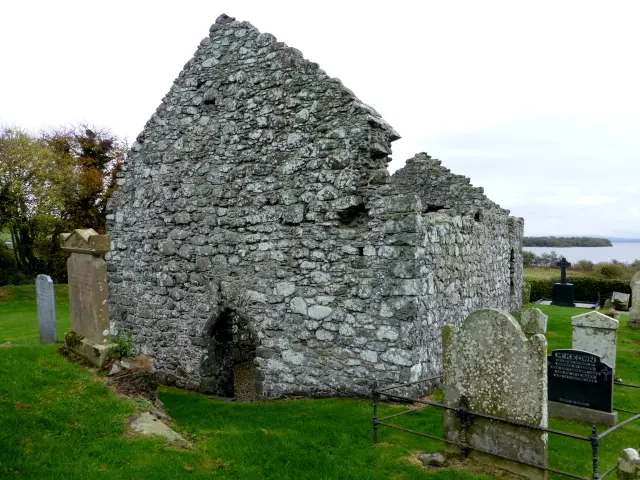
Image of Cranfield Church, Antrim, Northern Ireland. Image source · CC-BY-SA-2.0
Visit essentials
A quick read before you go
- Duration
- A contemplative visit takes 30 minutes to an hour.
- Etiquette
- Cranfield Church is both a heritage site and an active place of pilgrimage and burial.
Overview
At Lough Neagh's edge, Ireland's great inland sea, Cranfield's ruined church marks a boundary between ordinary ground and something else. Tradition makes St Olcan a member of St Patrick's household, baptized by Patrick in the 5th century, founder of monasteries and recipient of relics of Saints Peter and Paul. He is said to be buried here in soil from Rome. Whether historically verifiable or not, these accounts express a place held sacred for over fifteen hundred years.
Near the ruins, a holy well is believed to heal through Olcan's intercession. Visitors collect amber-colored gypsum pebbles traditionally invested with protective power, while cloths and rosaries on hawthorn and hazel trees make prayers visible.
On the Sunday nearest St Olcan's June feast, outdoor Mass returns to the ruins. Fishermen bring boats for blessing, and families whose ancestors lie in the graveyard pray together. Suppressed in 1828 for entanglement with pre-Christian practices, the tradition has returned in gentler form while preserving its essential gesture: people still come seeking what they cannot find elsewhere.
Why this place is sacred
The Irish concept of a thin place finds clear expression at Cranfield. The site sits at a boundary, the liminal edge where solid earth gives way to Lough Neagh's vast waters. In Celtic understanding, such boundaries hold particular power, places where the membrane between worlds grows permeable.
The holy well represents another kind of threshold. Springs rising from the earth have been venerated in Ireland since before recorded history, and Cranfield's well likely predates its Christian dedication. The Christianization of such sites did not erase their power but redirected it, channeling older reverence through the figure of a saint. St Olcan's blessing transformed what may have already been a sacred spring into a site of healing within Christian cosmology.
Then there is the presence of the dead. The graveyard surrounding the church ruins contains burials spanning three centuries or more, local families returning generation after generation to lay their dead in this ground. The book published in 2023 documenting the headstone inscriptions reveals the density of human memory held here, names and dates that represent countless lives lived in relationship to this place.
Visitors report a particular quality of stillness at Cranfield, distinct from mere quiet. Some describe it as watchfulness, as if the place were attending to those who enter it. Others speak of a sense of being welcomed by something they cannot name. The effect seems stronger near the well and among the older graves, where the centuries of devotion have left their deepest mark.
Local tradition holds that the well rises and overflows on St Olcan's feast day. Whether this reflects hydraulic reality or sacred expectation, the belief itself points to something: the sense that this place is responsive, that it notices and responds to the rhythms of human attention.
Archaeological evidence and historical records suggest an early medieval ecclesiastical site, with geophysical surveys by Queen's University Belfast revealing subsurface anomalies indicating an enclosure typical of early Irish church foundations. The association with St Olcan, a 5th-century bishop in the Patrician mission, positions Cranfield within the first wave of Irish Christianity. The termon cross, now represented by a wooden replica, marked the boundary of church lands enjoying legal sanctuary and special protections.
The church served as the parish church for approximately four hundred years before its abandonment in 1662.
The present church ruins date to the 13th century, though they almost certainly stand on the site of earlier structures. A 1157 grant gave Cranfield to the Cistercian Abbey of Newry, integrating it into the monastic networks of medieval Ireland. For four centuries the church served the local community, until its destruction or abandonment in 1662, likely connected to the upheavals of the period.
Pilgrimage to the holy well continued despite the church's ruination. The traditional stations, elaborate circuits around church and well performed barefoot over three consecutive days, drew thousands of pilgrims from counties Antrim, Derry, and Tyrone. In 1828, the Catholic Church suppressed these patterns as too entwined with pre-Christian practices, part of a broader effort to regularize Irish devotion.
The suppression did not end pilgrimage, only changed its form. People continued to visit the well, to tie cloths to the trees, to collect the amber pebbles. The annual outdoor Mass, revived in more recent decades, now anchors the pilgrimage tradition within official Church practice. What was once suppressed has been reclaimed, though in a gentler form than the elaborate three-day stations of earlier centuries.
Experience and orientation
The approach to Cranfield prepares you. The road narrows as it reaches Churchtown Point, the lake appearing through gaps in the hedgerow until suddenly you are at the water's edge. The church ruins stand against the sky, their roofless walls framing empty space where worship once gathered.
Walking among the graves, reading the names worn into stone, something shifts. These are not anonymous dead but members of families still living in the area, generations connected to this ground across centuries. The graveyard remains active, contemporary headstones standing beside weathered 18th-century markers. Past and present are not separate here but layered, continuous.
The holy well, enclosed by a low stone wall with steps leading down to the water, has a different quality. The cloths and rosaries hanging from nearby trees catch the eye first, so many prayers made visible, so many hopes left here to work their silent intercession. Some visitors report feeling moved in ways they did not anticipate, tears arriving without clear cause. Others describe a settling, a quieting of the internal noise that accompanies most travel.
The amber pebbles in the well gleam through the water, gypsum crystals that tradition has invested with healing and protective properties. To reach into the cold water and retrieve one is to participate in a practice stretching back centuries, to take something of this place with you. The act itself feels significant, regardless of one's beliefs about what the pebbles actually do.
Those who visit during the annual outdoor Mass in June describe the experience as particularly powerful: the gathered community, the ruined walls open to the sky, the blessing of the boats for the local fishermen. Something about worship in this broken space, continuous with fifteen centuries of prayer, seems to touch something deep.
Cranfield rewards those who come with openness rather than expectations. The site is modest compared to grander pilgrimage destinations, but its power lies precisely in its simplicity: ruins, well, graves, lake, sky.
Consider arriving without a schedule. Walk the graveyard slowly, reading the inscriptions, letting the names accumulate. Sit for a time within the church walls, where the replica termon cross stands as reminder of older boundaries and sanctuaries. When you visit the well, take your time. Notice the cloths left by others, each one representing someone's prayer or hope. If you feel moved to leave something yourself, a cloth dipped in the water and tied to a branch, do so.
The tradition continues because people continue it.
If you have something in your life requiring healing or guidance, bring it here not as demand but as offering. The saints, if they are listening, do not perform on command. But traditions persist because they work, in ways that exceed easy explanation. Come with what weighs on you. See what happens when you set it down, here where so many others have done the same.
Context and lineage
The story of St Olcan begins with a miracle and a grave. According to hagiographic tradition, St Patrick was traveling through Dalriada when he heard an infant crying from within a burial mound. Opening the grave, they discovered a living baby beside his dead mother, who had died of fever after being brought to Ireland from overseas. Wine-scent emanated from the tomb. The child had survived seven days in the earth.
King Doro of Dal Riata, witnessing this, declared 'Olc is that!' meaning 'Bad is that!' A druid suggested the child be named Olcan, incorporating the word. Patrick took the child into his household, baptized him, and raised him in the faith.
Olcan grew to become a priest and eventually a bishop, ordained by Patrick around 443 CE and consecrated bishop around 474 CE. He founded the monastery at Armoy, whose round tower still stands as testament to its early Christian foundation. Patrick entrusted him with relics of Saints Peter and Paul, linking this corner of Ireland to the universal Church.
When Olcan died, tradition holds he was buried at Cranfield in soil brought from Rome. The holy well nearby was blessed by him, its waters and the amber pebbles within endowed with healing properties through his intercession. Whether these details are historical fact or sacred legend matters less than what they convey: Cranfield has been understood as a site of exceptional sanctity since the earliest centuries of Irish Christianity.
The earliest documentary reference to Cranfield appears in a 1306 taxation list under the name 'Crewill,' though the site's sacred use stretches back centuries earlier. The 9th-century monastery Cremcaill, mentioned in historical records, may correspond to this location, though the connection remains uncertain.
The church served as parish church for approximately four hundred years until 1662. Even after its abandonment, the pilgrimage tradition continued, with elaborate station rituals performed between May Eve and June 29 drawing pilgrims from across Ulster. The 1828 suppression of these patterns by the Catholic Church, which judged them too entangled with pre-Christian elements, did not end devotion at the site but drove it underground.
In more recent decades, the annual outdoor Mass has been restored, the pilgrimage tradition reclaimed within official Church practice. Local heritage groups have documented the graveyard inscriptions and advocated for the site's preservation. Archaeological survey by Queen's University Belfast has revealed the outlines of earlier structures beneath the current ruins. The tradition continues, evolving but unbroken.
St Olcan
saint
Fifth-century bishop who was baptized and raised by St Patrick. Founder of Armoy monastery. Traditionally buried at Cranfield in soil from Rome. The holy well is named for him, and his feast days are observed on February 20 (ecclesiastical calendar) and June 29 (local tradition, associated with the annual outdoor Mass).
St Patrick
saint
The patron saint of Ireland who, according to tradition, discovered the infant Olcan in a burial mound, baptized him, and raised him in the Christian faith. The connection to Patrick places Cranfield within the earliest layer of Irish Christianity.
Muirchertach MacLochlainn
historical
High King of Ireland who in 1157 granted Cranfield to the Cistercian Abbey of Newry, integrating the site into medieval monastic networks.
Traditions and practice
The historical pilgrimage to Cranfield was an elaborate affair. Between May Eve and June 29, pilgrims would perform the stations over three consecutive days. Each day's ritual involved collecting seven small stones for counting, kneeling at the church door to pray the Our Father, Hail Mary, and Creed, then walking barefoot around the church seven times while saying the Rosary, dropping one stone at the door after each circuit.
The pilgrim would then repeat the seven circumambulations around the holy well before dipping a cloth in the water, rubbing it on any afflicted body part, and tying it to a hawthorn or hazel tree near the well. Amber pebbles collected from the well were swallowed or carried for protection against harm.
These elaborate patterns drew thousands of pilgrims from counties Antrim, Derry, and Tyrone. The Catholic Church suppressed them in 1828, judging the practices too entwined with pre-Christian folk religion. The suppression drove the tradition underground but did not end it.
Today, the annual outdoor Mass on the Sunday closest to June 29 anchors the pilgrimage tradition. The celebration includes a blessing of the boats for local fishermen who work Lough Neagh, connecting spiritual and practical life in a manner characteristic of Irish folk Catholicism. Families with ancestors buried in the graveyard return for this gathering, making it a reunion as much as a religious observance.
Throughout the year, visitors come to the holy well to pray, light candles (in memory of the dead or for special intentions), collect water and amber pebbles, and tie votive offerings to the trees. The cloths, rosaries, and religious medals hanging from the branches testify to the continuity of devotion. Some visitors perform simplified versions of the historical circuits, walking around the church and well while praying, though the strict three-day ritual is rarely observed.
If you come seeking more than a historical visit, the site offers several possibilities for engagement.
Begin at the church ruins. Enter through the doorway and stand within the walls, open now to the sky. The replica termon cross marks where the original boundary stone stood, defining the sacred precinct. Take time to sense what it means to stand in a place held sacred for fifteen centuries.
Walk the graveyard slowly, reading the inscriptions. The dead here are not anonymous; they are people whose descendants still tend the graves. Let the names accumulate. This is one way to honor those who came before.
At the holy well, pause before descending the steps. Notice the votive cloths tied to the trees, each one someone's prayer. If you wish to leave your own offering, bring a small piece of natural cloth. Dip it in the water, hold your intention, and tie it to a branch. The tradition holds that as the cloth decays, the prayer is released.
The amber pebbles in the well are yours to take, if you wish. Reach into the cold water and retrieve one. What you do with it, whether you carry it for protection, place it on a home altar, or simply keep it as a reminder of this place, is yours to decide.
If your visit coincides with the annual outdoor Mass in June, attend. The experience of worship among these ruins, the gathered community, the blessing of the boats, the continuity with centuries of pilgrimage, offers something rare.
Roman Catholic Christianity
ActiveCranfield Church is associated with St Olcan, a 5th-century bishop baptized and ordained by St Patrick, placing the site within the earliest layer of Irish Christianity. The holy well is understood to possess healing properties through the saint's intercession. The site remains an active pilgrimage destination with annual outdoor Mass on the Sunday closest to June 29, the local feast day of St Olcan.
Current practices include the annual outdoor Mass with blessing of the boats for local fishermen, prayers at the church ruins and holy well, collection of amber pebbles for healing and protection, lighting candles for special intentions, and tying votive cloths and rosaries to the hawthorn and hazel trees near the well. The graveyard remains active for burials by local families.
Irish Holy Well Tradition
ActiveCranfield's holy well represents the widespread Irish tradition of sacred spring veneration, a practice with pre-Christian roots that was integrated into Christian devotion. Over 3,000 holy wells exist throughout Ireland, and Cranfield exemplifies the blend of Christian hagiography with older patterns of land-based spirituality and healing practice.
Traditional practices include circumambulation rituals (walking seven times around the church and well while praying), bathing affected body parts with well water, the rag well tradition of dipping cloth in water and tying it to nearby hawthorn or hazel trees, and collecting amber pebbles for protection. Pattern days between May Eve and June 29 were historically observed, though the elaborate three-day stations were suppressed by the Church in 1828.
Early Irish Christianity (Patrician)
HistoricalCranfield represents the Patrician mission to the kingdom of Dal Riata in northeast Ulster during the 5th century. St Olcan was a member of St Patrick's household, ordained by Patrick himself and later consecrated bishop. The termon cross, now present as a replica, marked the boundaries of church lands enjoying sanctuary and special legal protections under early Irish law.
Historical practices included episcopal church governance, monastic foundation (Olcan founded the monastery at Armoy), the termon land system marking sacred boundaries, and custodianship of relics. Olcan received relics of Saints Peter and Paul from Patrick, linking this remote corner of Ireland to the universal Church.
Perspectives and open questions
Cranfield Church invites multiple interpretations, and the site has meaning for scholarly researchers, Catholic practitioners, folk tradition bearers, and contemporary seekers alike. These perspectives complement rather than contradict one another, each illuminating a different dimension of the site's significance.
Scholarly perspective
Archaeological research, including geophysical survey by Queen's University Belfast, confirms that the present 13th-century church ruins stand on a site of earlier significance. Subsurface anomalies suggest an early medieval ecclesiastical enclosure, consistent with the traditional association with St Olcan and the 5th-century Patrician mission.
The place-name evidence is illuminating. Cranfield derives from the Irish Creamh Choill, meaning 'wild garlic wood,' indicating the landscape's character before ecclesiastical development. The 1306 taxation list reference to 'Crewill' and possible connection to the 9th-century monastery Cremcaill place the site within documented medieval church networks.
Scholars understand the pilgrimage tradition at Cranfield as exemplifying the widespread Irish holy well devotion that blended Christian and pre-Christian elements. The 1828 suppression of the patterns reflects the Church's 19th-century efforts to standardize Irish Catholic practice, eliminating local variations judged too close to 'pagan' roots. The survival and revival of the tradition demonstrates the resilience of folk religious practice.
Living and traditional perspectives
Roman Catholic tradition holds that St Olcan, baptized by St Patrick himself, blessed the holy well at Cranfield with healing properties. The saint is believed to be buried at the site in soil brought from Rome, marking the place as especially sanctified. Through St Olcan's intercession, the well waters and the amber pebbles within them have the power to heal illness and protect against harm.
The annual outdoor Mass continues a tradition of devotion stretching back centuries, gathering the community to honor the saint and to bless the boats of local fishermen who depend on Lough Neagh's waters for their livelihood. The votive offerings tied to the trees near the well represent the prayers of the faithful, each cloth or rosary entrusted to the saint's care.
For Catholic practitioners, Cranfield remains a living pilgrimage site where the power of the early Irish Church continues to operate through the saints' communion. The practice may have evolved, but its essence remains unchanged: people come seeking healing, protection, and connection to something larger than themselves.
Alternative interpretations
Some interpret Cranfield through the lens of pre-Christian Irish spirituality, seeing the holy well as a goddess-associated sacred spring that was later Christianized. The veneration of springs and wells is attested in Ireland from pre-Christian times, and sites like Cranfield represent the layering of traditions rather than simple replacement.
The amber pebbles, gypsum crystals formed in the lake sediments, are sometimes interpreted through crystal healing frameworks, attributed with properties of purification, emotional healing, and spiritual protection. The liminal position of the site, at the boundary of land and water, resonates with Celtic concepts of threshold spaces where the veil between worlds grows thin.
New Age and Celtic spirituality practitioners may approach Cranfield as a place of natural sacred power, its Christian overlay one layer among many rather than the final word. From this perspective, the site's effectiveness for seekers does not depend on any particular belief but on the accumulated weight of human attention directed at this place over millennia.
Open questions
Genuine mysteries remain at Cranfield. The precise relationship between this site and the 9th-century monastery Cremcaill mentioned in historical records is uncertain. Whether any physical remains of St Olcan are actually interred beneath the graveyard cannot be determined without excavation that would disturb an active burial ground.
The origin of the amber pebbles tradition and its possible connection to pre-Christian practices remains unclear. The well's reported behavior of rising and overflowing on St Olcan's feast day has not been systematically documented. What the traditional three-day station ritual meant to those who performed it, and what experiences they had, is largely lost to history.
The question of what exactly visitors are responding to at sites like Cranfield, whether it reflects accumulated human intention, geological factors, psychological projection, or something beyond current explanation, remains open. The consistency of reports across centuries and belief systems suggests something worth taking seriously, even if we lack vocabulary to describe it precisely.
Plan your visit
Access and arrival
Randalstown, approximately 3 miles away, offers basic services including shops and cafes. Antrim town, about 7 miles distant, has a wider range of accommodation options including hotels and bed-and-breakfasts. For those seeking to combine the visit with broader exploration of Lough Neagh's sacred sites, accommodation in Belfast (approximately 30 miles) provides the most options.
Respectful visit
No formal dress code applies, but modest casual attire is appropriate. Given the outdoor setting and potentially uneven ground, wear sturdy footwear with good grip. The lakeshore location can be windy; bring layers. If attending the annual outdoor Mass, dress as you would for any church service.
Photography is generally permitted at the ruins and holy well. Exercise discretion around the graveyard, where visitors may be engaged in private mourning or prayer. Do not photograph other visitors without their permission. During the annual outdoor Mass, photography may be restricted; follow the guidance of those leading the service.
Traditional offerings at the holy well include cloths or rags dipped in the water and tied to hawthorn or hazel trees, rosaries, religious medals, and prayers. Only biodegradable materials should be left. Candles may be lit with care given the outdoor setting. The amber pebbles from the well are traditionally taken, not left, and are believed to carry protective properties.
The graveyard is an active burial ground; show appropriate respect. Do not climb on church walls or disturb archaeological features. Access may occasionally be restricted during maintenance. The site is not fully accessible for mobility-impaired visitors due to uneven ground.
The graveyard is an active burial ground where local families continue to bury their dead. Treat it with the respect appropriate to such a place. Do not sit or stand on graves, do not move or disturb headstones, and keep voices low.
When leaving votive offerings at the well, use only biodegradable materials. Natural cloth and string are traditional and appropriate; plastic ribbons, synthetic materials, and non-biodegradable items should not be left. Do not remove votive offerings left by others.
The ground at Cranfield is uneven and may be slippery, particularly near the lakeshore and the well. Wear appropriate footwear. Access may occasionally be restricted due to maintenance work; check before visiting.
Current practical details
Address
Cranfield Rd, Randalstown, Antrim BT41 3NL, UK
Hours
Hours, fees, and access can change — verify on the official source before you travel. Practical details last checked Jun 2026.
Location
Map loads as you approach this section.
Pilgrim reflections
A portrait of encounter, not a score
Pilgrims describe what they felt, how present they could become, and whether the place would shape a journey. There are no stars and no ranking of traditions.
No reviewed reflections yet
The first pilgrims can help describe the character of being here.
Share a reflection
Available after an account-backed “Been there.” Every reflection is reviewed before publication.
Nearby sacred places
Explore other sacred places in the region. Proximity does not establish access or travel time; check each place’s guidance.
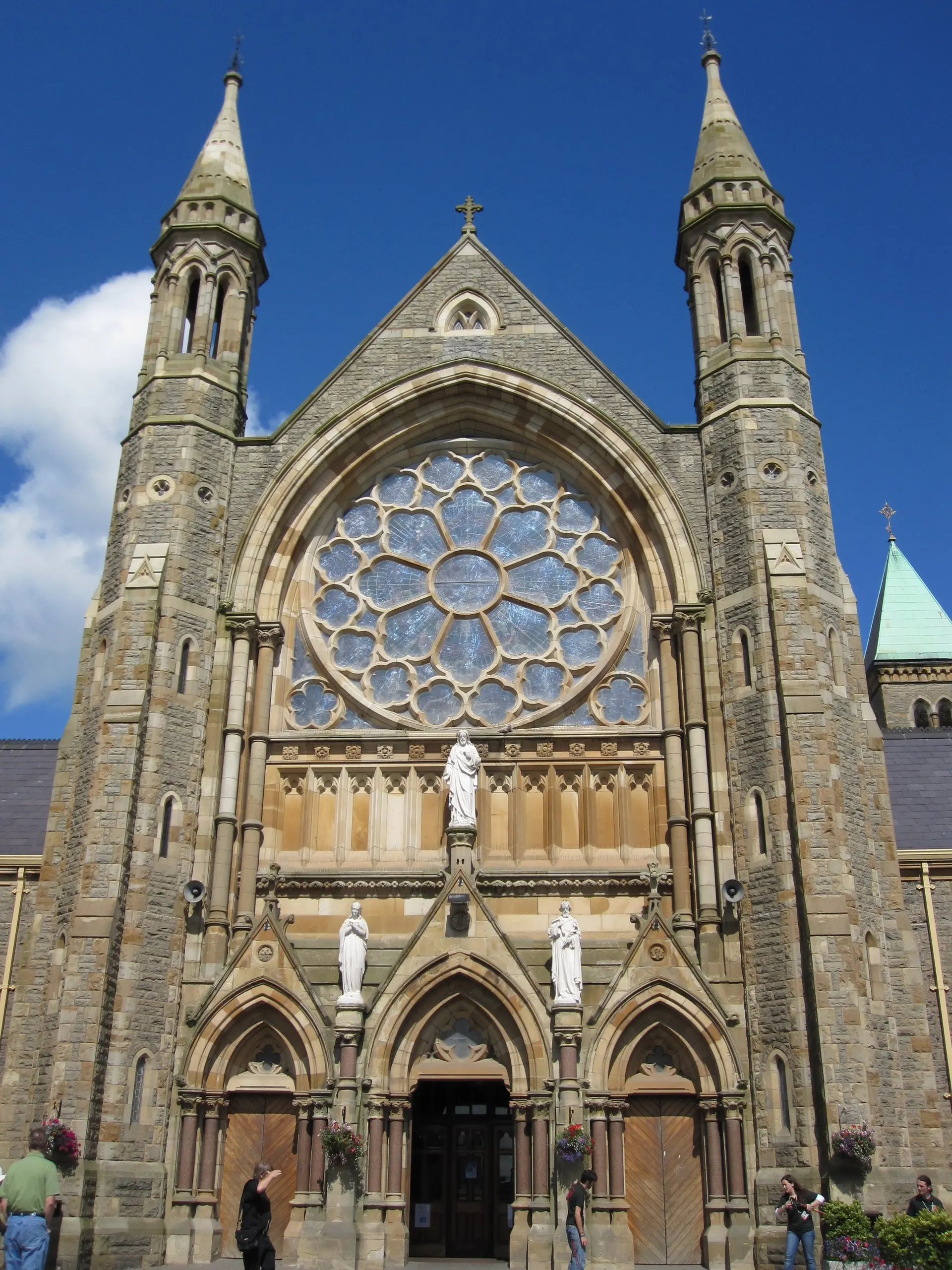
Clonard Monastery
Belfast, Northern Ireland, United Kingdom
31.7 km away
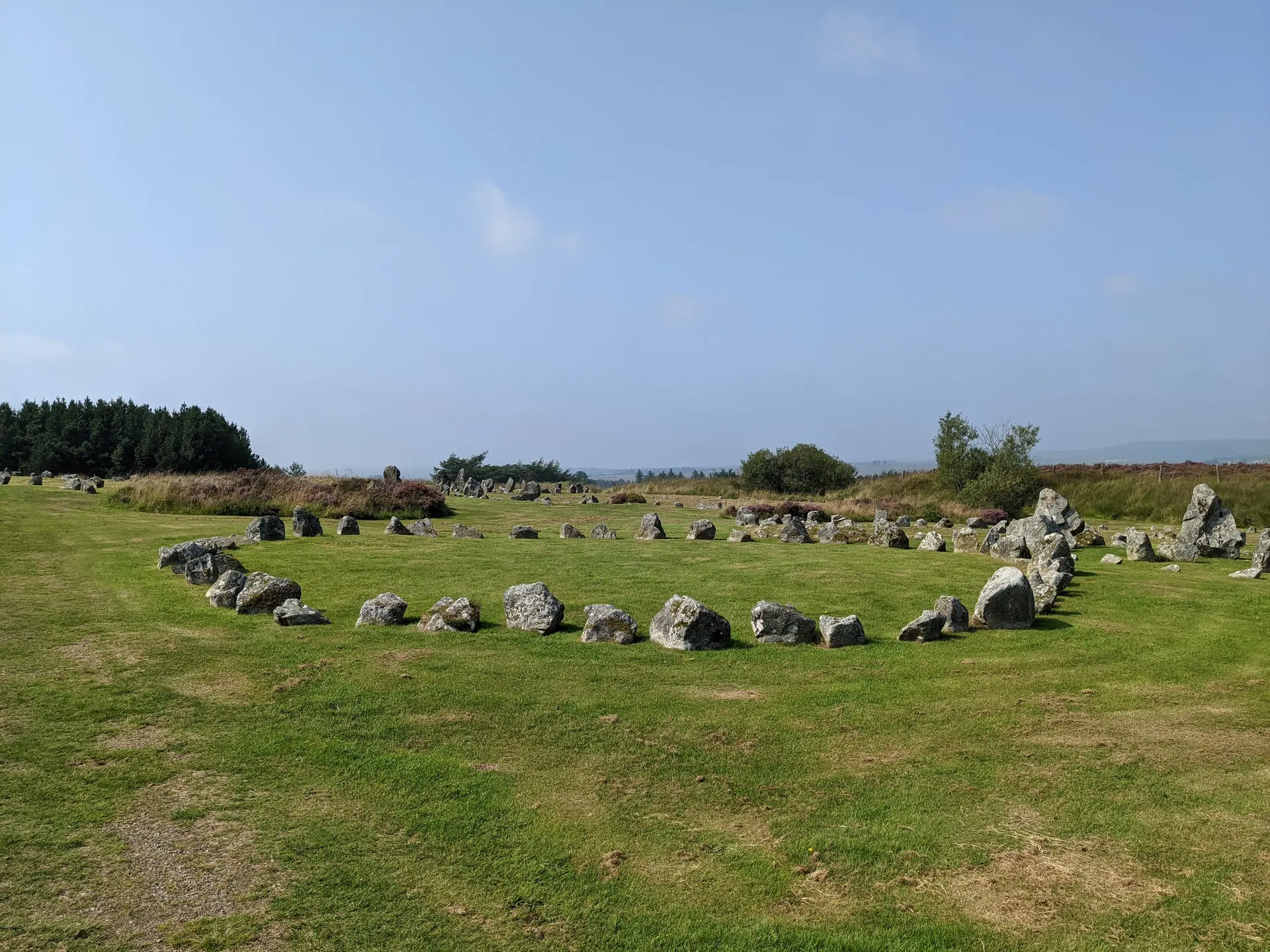
Beaghmore
Cookstown, Northern Ireland, United Kingdom
32.7 km away
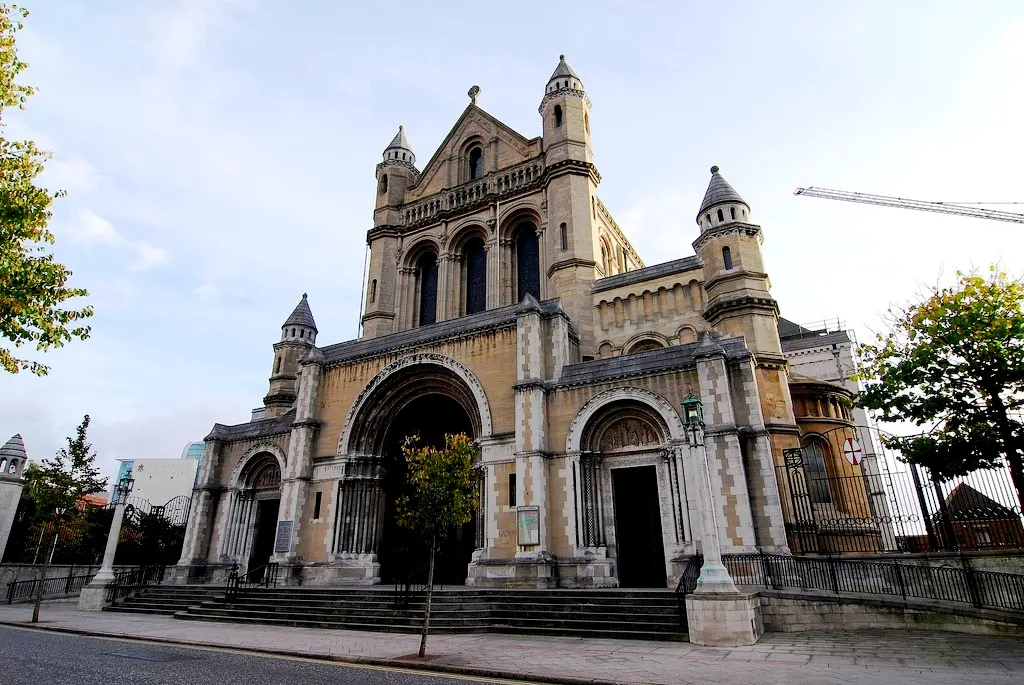
St Anne's Cathedral, Belfast
Belfast, Northern Ireland, United Kingdom
33.4 km away
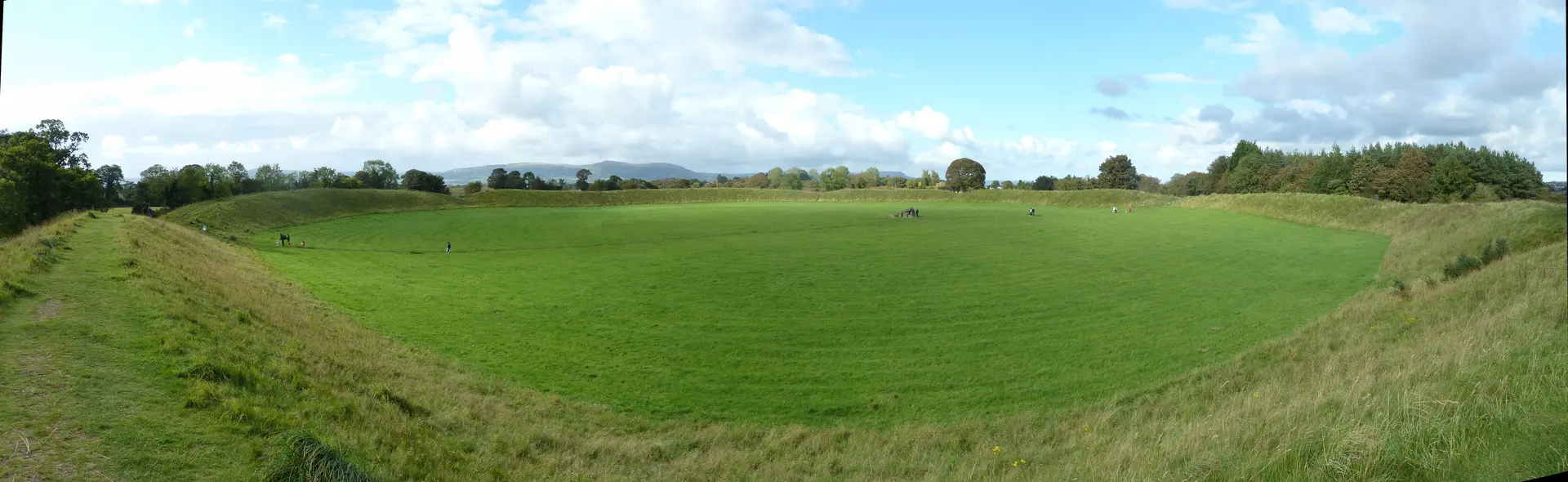
Giant’s Ring, Belfast, Northern Ireland
Belfast, Northern Ireland, United Kingdom
33.8 km away
Photo gallery
2 curated photos
Share a photo
Help visitors recognize Cranfield Church, Antrim, Northern Ireland. Every submission is reviewed before publication.