Church of the Virgin Mary Victorious, Kazokiskes
A countryside shrine where a miraculous Marian image has drawn pilgrims for over 350 years
Understand sacred places, explore living traditions, and learn how to engage respectfully with Pilgrim Map.
Access has not been verified. Check current local guidance before planning a visit.
Kazokiškės, Elektrėnai, Lithuania
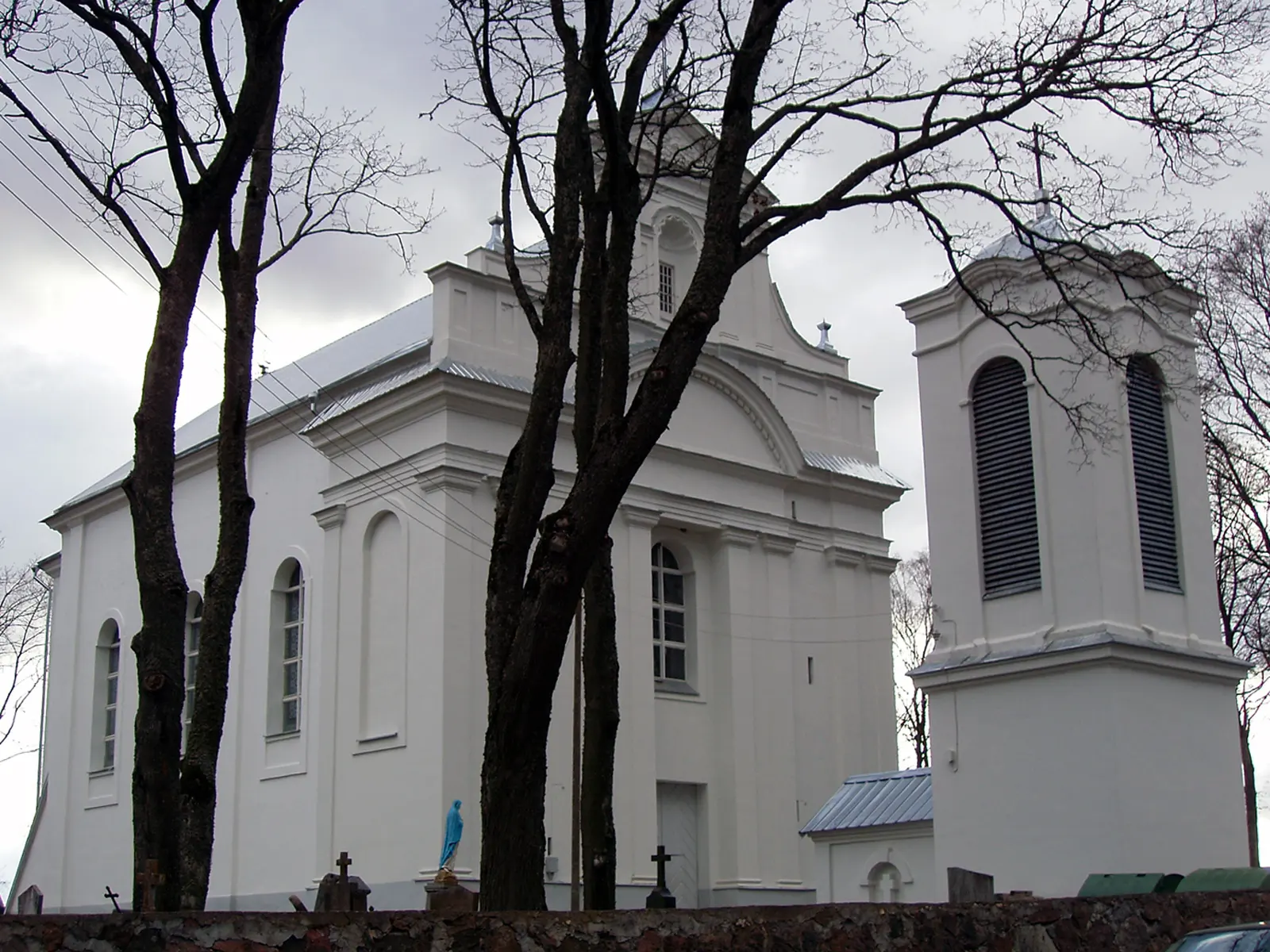
Image of Church of the Virgin Mary Victorious, Kazokiskes. Image source · CC-BY-SA-3.0
Visit essentials
A quick read before you go
- Duration
- 30 minutes to 1 hour for a visit.
- Etiquette
- Standard Catholic church etiquette applies.
Overview
Some churches announce themselves from a distance. The Church of the Virgin Mary Victorious at Kazokiskes does not. Set in rural Elektrenai Municipality, it waits at the end of a quiet road, far from the pilgrimage infrastructure that surrounds Lithuania's better-known shrines. What draws visitors here is not architecture or fame but a single image and the weight of devotion it has gathered.
The image, brought from Rome by a Dominican friar in the seventeenth century, has been credited with miracles recorded since 1669, and the faithful have left silver offerings in gratitude until the original chapel could no longer contain the crowds. The current church, built between 1782 and 1790 by architect Augustus Kosakauskas, combines the warmth of late Baroque with the clarity of early Classicism. Its proportions are human rather than monumental. The space serves prayer rather than spectacle.
The title 'Victorious' connects this rural Lithuanian church to a broader European story. After the Battle of Lepanto in 1571, when a Christian fleet defeated the Ottoman navy in an engagement widely attributed to the Virgin Mary's intercession through the Rosary, churches across Catholic Europe adopted dedications to Our Lady of Victory. Kazokiskes carries this tradition into the Lithuanian countryside, where it has taken root in local soil and local devotion for more than three and a half centuries.
Why this place is sacred
What thins the boundary here is not the architecture, though the late Baroque interior has its own beauty. Nor is it the fame of the site, which remains relatively obscure even within Lithuania. The thinness at Kazokiskes comes from concentration: centuries of prayer directed at a single image, in a single space, by generations who came seeking the same things.
The silver votive offerings tell this story materially. At major Marian shrines across Europe, pilgrims leave silver hearts, crucifixes, and figurines as thanksgiving for graces received. At Kazokiskes, this tradition has continued for centuries, each offering a testament to an individual encounter with what believers understand as divine intercession.
The miracle register, maintained since 1669, adds a documentary dimension. These are not anonymous legends but recorded events, each with its own circumstances and outcome. The register creates a thread connecting the present church to the seventeenth-century chapel where the first healing was documented.
The Dominican heritage deepens the contemplative quality. The rosary tradition, with its meditative repetition and structured reflection on the mysteries of Christ's life, shaped the spiritual character of this place from its origins. Even after the Paparciai monastery closed in the 1830s, the prayer culture it established persists.
Visit on a weekday outside of feast times, and you may find yourself alone with the image. The silence of the Lithuanian countryside enters through the windows. The space asks nothing of you except presence.
The original chapel was established to house the miraculous image brought from Rome by Dominican friar Liudvikas Skickis, connected to the nearby Paparciai Dominican monastery founded in 1649. The image quickly became an object of veneration, and the chapel served as a pilgrimage destination for those seeking healing and intercession.
As the fame of the miraculous image grew and the volume of pilgrims increased, the original chapel proved insufficient. The current church was built 1782-1790 in late Baroque and early Classicist style by architect Augustus Kosakauskas. After the closure of the Paparciai Dominican monastery following the 1831-1832 rebellions, the church continued as a diocesan parish church. Today it serves the Kaisiadorys Diocese as both a parish church and a recognized pilgrimage site, included on the official Elektrenai municipality church route.
Experience and orientation
The road to Kazokiskes passes through farmland and forest, the landscape of rural Lithuania that has changed less than the country's cities. The church appears gradually, its form familiar to anyone who has visited Lithuanian countryside parishes, though its proportions suggest something more than ordinary.
Inside, the late Baroque interior unfolds with restrained warmth. The eye is drawn naturally to the miraculous image of the Virgin Mary Victorious, the focal point around which four centuries of devotion have organized themselves. The silver votive offerings surrounding it catch whatever light enters through the windows, each piece a materialized prayer.
The scale is intimate. Unlike Lithuania's grander pilgrimage sites, Kazokiskes does not overwhelm. The space is designed for personal encounter rather than communal spectacle. Sit in one of the pews and the church settles around you. The silence here is not the silence of emptiness but of a place that has absorbed centuries of whispered petitions.
If you attend Mass, particularly on a Sunday, you join a worship tradition that has continued here, in one form or another, since the Dominicans first served this community in 1649. The liturgy is unhurried. The congregation is local. The experience is authentic in the way that only places undiscovered by tourism can be.
The church is located in the center of Kazokiskes village. Enter through the main doors to face the altar and the miraculous image. The late Baroque interior features altars and decorative elements from the 1780s. The silver votive offerings are displayed near the miraculous image. Allow time for quiet prayer or contemplation before the image.
Context and lineage
The story begins with the Paparciai Dominican monastery, founded in 1649 by Stanislavas Beinartas. From this base, Dominicans served the surrounding communities, including Kazokiskes. Dominican friar Liudvikas Skickis brought a sacred image from Rome, one connected to the tradition of Our Lady of Victory that spread across Catholic Europe after the Battle of Lepanto in 1571.
The image's reputation for miraculous healing grew quickly. A formal register of miracles was established in 1669, documenting healings of the blind and cures of the seriously ill. As pilgrims arrived in increasing numbers, the original chapel could no longer accommodate them. In 1680, accounts mention a copy of a painting associated with Our Lady of Naples or Saint Mary Major being brought to the church, though whether this is the same image or a separate work remains debated.
The current church was built between 1782 and 1790, designed by architect Augustus Kosakauskas in a style that bridges late Baroque and early Classicism. The new church gave the miraculous image a setting commensurate with its growing reputation.
The church's spiritual lineage runs through the Dominican Order, whose emphasis on Marian devotion and the Rosary shaped the character of worship here. The Paparciai monastery connected Kazokiskes to the broader network of Dominican houses across the Polish-Lithuanian Commonwealth. After the monastery's closure following the 1831-1832 rebellions, the church continued under diocesan authority, carrying forward the devotional traditions the Dominicans had established.
Liudvikas Skickis
Dominican friar who brought the miraculous image
Stanislavas Beinartas
Founder of the Paparciai Dominican monastery
Augustus Kosakauskas
Architect of the current church
Traditions and practice
The core traditional practice is pilgrimage to the miraculous image for healing and intercession. Pilgrims have come from surrounding villages and across the Kaisiadorys Diocese for centuries. The Dominican rosary tradition shaped the prayer culture, with the Rosary serving as the primary devotional form. Silver votive offerings, including hearts, crucifixes, and figurines, have been donated as thanksgiving for answered prayers, continuing a practice found at major Marian shrines throughout Europe.
Regular parish Masses are celebrated at the church. Feast day celebrations are held, likely connected to the Feast of Our Lady of the Rosary on October 7, given the church's Lepanto connection, and possibly the Assumption of Mary on August 15. The church is included on the official Elektrenai municipality church route, connecting it to a network of sacred sites promoted for both religious pilgrimage and cultural tourism.
Pray the Rosary before the miraculous image, entering into the Dominican contemplative tradition that has shaped this place since its founding. If you carry a specific intention, bring it here. The tradition of seeking intercession through this image is over 350 years old. Light a candle and spend time in silence with the image. If visiting on a Sunday, attend Mass to experience the church as a living community of faith rather than a historical monument.
Roman Catholicism
ActiveThe church is a recognized Catholic pilgrimage site within the Kaisiadorys Diocese, housing a miraculous image of the Virgin Mary Victorious venerated since the mid-seventeenth century. The register of miracles maintained since 1669 documents over 350 years of continuous devotion. The title 'Victorious' connects to the broader Catholic tradition of Our Lady of Victory, established after the Battle of Lepanto in 1571.
Veneration of the miraculous image, Rosary prayer, pilgrimage, silver votive offerings as thanksgiving for answered prayers, regular parish Masses, and feast day celebrations.
Dominican Order Heritage
HistoricalThe Dominicans served Kazokiskes from the nearby Paparciai monastery beginning in 1649, shaping the church's spiritual character through their emphasis on Marian devotion and the Rosary. The miraculous image was brought from Rome by a Dominican friar. The monastery's closure after the 1831-1832 rebellions ended the formal Dominican presence, but the contemplative and devotional traditions they established persist.
The Dominican tradition of rosary prayer and structured Marian devotion defined the spiritual culture of the church. The connection to the Battle of Lepanto and the rosary tradition reflects the Dominican Order's central role in promoting this form of prayer across Catholic Europe.
Perspectives and open questions
Kazokiskes sits at the intersection of Dominican intellectual tradition, Lithuanian folk piety, and the broader European current of post-Lepanto Marian devotion. Each lens reveals different dimensions of a site whose significance exceeds its modest physical appearance.
Scholarly perspective
Architectural historians recognize the church as a representative example of late Baroque and early Classicist architecture in Lithuania. The Dominican connection through the Paparciai monastery places it within the broader network of mendicant order influence in the former Polish-Lithuanian Commonwealth. The miracle register from 1669 is a significant document for understanding popular religious practice in early modern Lithuania.
The church's title connects it to the post-Lepanto wave of Our Lady of Victory dedications across Catholic Europe, reflecting the spread of Dominican rosary devotion.
Living and traditional perspectives
Local tradition holds the image as genuinely miraculous, with healing powers that have drawn pilgrims for centuries. The miracle register is understood as documentary evidence of the Virgin Mary's active intercession. Parishioners have transmitted the tradition of the image's sacred power across generations, and the silver votive offerings provide material testimony to the reality of answered prayers. The church's growth from chapel to full church is itself attributed to the increasing volume of miracles.
Alternative interpretations
The church's location in the quiet Lithuanian countryside, away from urban centers, may contribute to a perceived quality of spiritual stillness. The Dominican contemplative tradition embedded in the site's heritage adds a dimension of meditative practice that transcends the specifically devotional. The connection to the Battle of Lepanto links this rural parish to one of the pivotal events in European spiritual history.
Open questions
The precise provenance and artist of the miraculous image remain unestablished. Whether the image brought by Liudvikas Skickis and the 1680 copy of Our Lady of Naples are the same painting or different works is unclear. The full content of the miracle register from 1669 has not been published in English. The documented miracles have not been subjected to modern medical analysis.
Plan your visit
Access and arrival
Accommodation is available in Elektrenai town or in Vilnius. Rural tourism options may be available in the surrounding countryside. The Elektrenai Tourism Information Center can advise on local options.
Respectful visit
Modest clothing covering shoulders and knees, appropriate for an active Catholic church.
Photography likely permitted with discretion. Ask the parish priest if uncertain, particularly regarding the miraculous image.
Candle lighting and monetary offerings are customary. Silver votive offerings are the traditional form of thanksgiving, though this practice may be less common today.
Standard Catholic church etiquette applies. Silence during services. The church may have limited opening hours as a rural parish.
The church may have limited opening hours as a rural parish. Visiting during scheduled Mass times is recommended to ensure access. Contact the Elektrenai Tourism Information Center for current schedules and access arrangements.
Current practical details
Address
21354 Kazokiškės, Lithuania
Hours, fees, and access can change — verify on the official source before you travel. Practical details last checked Jun 2026.
Location
Map loads as you approach this section.
Pilgrim reflections
A portrait of encounter, not a score
Pilgrims describe what they felt, how present they could become, and whether the place would shape a journey. There are no stars and no ranking of traditions.
No reviewed reflections yet
The first pilgrims can help describe the character of being here.
Share a reflection
Available after an account-backed “Been there.” Every reflection is reviewed before publication.
Nearby sacred places
Explore other sacred places in the region. Proximity does not establish access or travel time; check each place’s guidance.

St. Mary Church, Trakai, Lithuania
Trakai, Trakai, Lithuania
20.3 km away

Vilnius Calvary Way of the Cross
Vilnius, Vilnius, Vilnius County, Lithuania
29.4 km away

Vilnius Cathedral and Chapel of St Casimir, Lithuania
Vilnius, Vilnius, Lithuania
32.2 km away
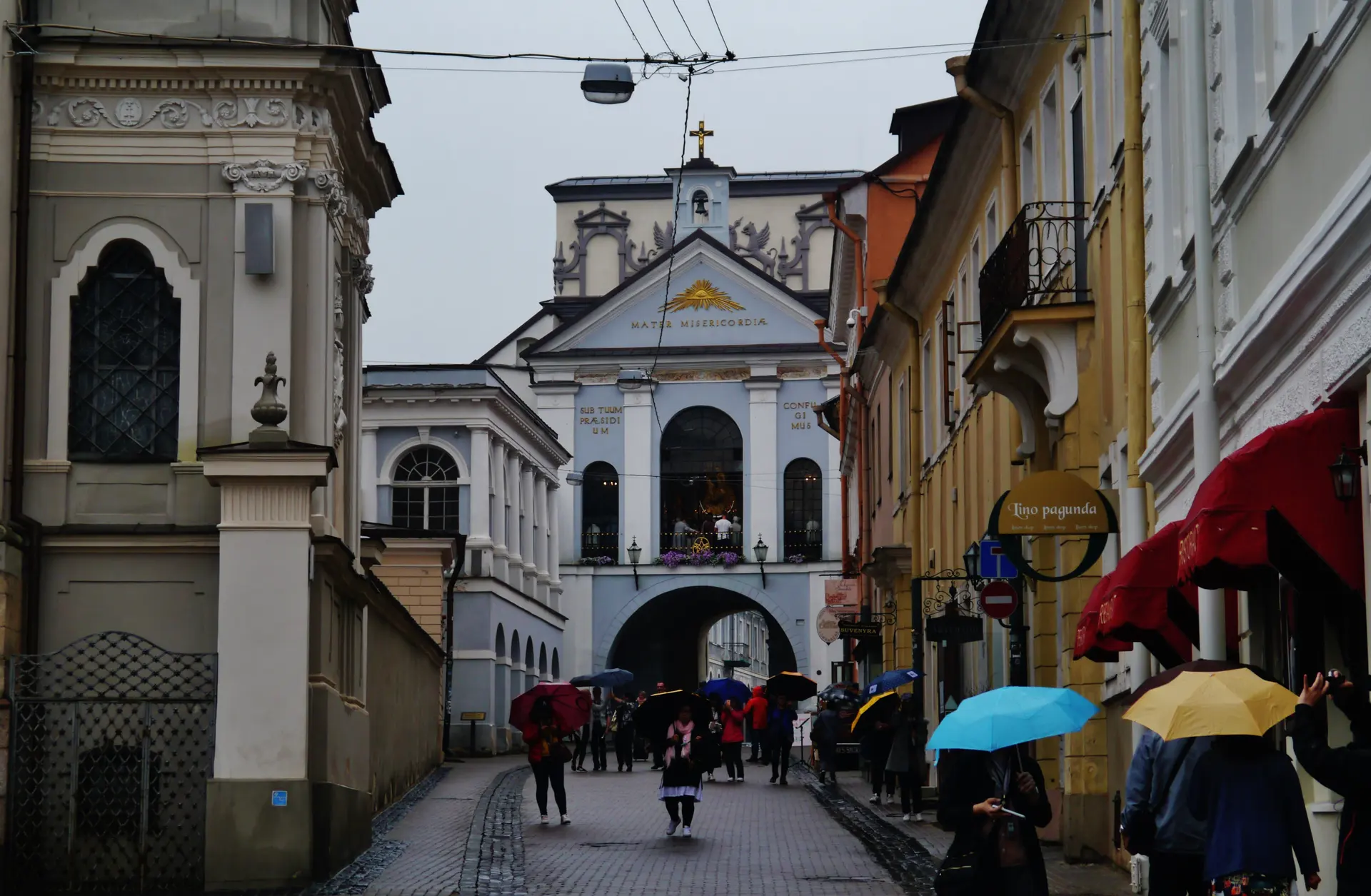
Our Lady of the Gate of Dawn
Vilnius, Vilnius, Lithuania
32.8 km away
Photo gallery
3 curated photos
Share a photo
Help visitors recognize Church of the Virgin Mary Victorious, Kazokiskes. Every submission is reviewed before publication.