Black Virgin of the Recollects
InsideChurch of Our Lady of the Recollects
A stone Virgin who moved during an earthquake, bearing the marks of miracle and fire
Understand sacred places, explore living traditions, and learn how to engage respectfully with Pilgrim Map.
Access has not been verified. Check current local guidance before planning a visit.
Verviers, Liege, Belgium
Read the sources
Visit essentials
A quick read before you go
- Duration
- A focused visit to the church requires twenty to forty minutes.
- Etiquette
- The Church of Our Lady of the Recollects is an active parish church.
Overview
The Black Virgin of the Recollects became miraculous in the eyes of Verviers on September 18, 1692, when the community believed the statue's figures changed position after prayers during an earthquake. The Christ Child had turned toward Mary's heart and their hands now met, which the community understood as her intercession. Devotion continues through prayer and the seven-year Septennale.
Why this place is sacred
The sacredness of the Black Virgin of the Recollects crystallizes around a single night in 1692. Before the earthquake, she was a devotional statue, well-regarded but unremarkable among the many Marian images of Catholic Belgium. After September 18, she was something else entirely.
What makes certain objects become vessels for the sacred while others remain merely beautiful? The faithful of Verviers would say Mary chose to reveal herself through this particular image at this particular moment. Scholars might note that crisis creates the conditions for perceived miracles, that desperate communities see meaning in any anomaly. Both observations may be true without excluding the other.
The statue's blackness adds another layer of significance. Black Madonnas occupy a particular place in Catholic devotion, often associated with antiquity, chthonic power, and connection to earth spirituality that predates Christianity. The Black Virgin of Verviers became black through documented processes: natural darkening of sandstone, candle soot, fire. Yet the result places her within a tradition of dark Virgins stretching back centuries, connecting this Belgian parish church to Montserrat, Chartres, Rocamadour, and dozens of other Black Madonna shrines.
Papal authentication gives the miracle institutional weight. Pope Clement XII's 1739 indulgence for September 18 visits confirmed the Church's recognition. Pope Leo XIII's 1892 coronation elevated the statue to the highest level of Marian veneration. These are not mere administrative acts but the Church's way of saying: what happened here was real, and devotion here is warranted.
The continuity of veneration matters too. For over three hundred years, the faithful have gathered before this image, bringing their fears, their gratitude, their impossible requests. Whether or not such accumulated intention has measurable effect, it creates a context visitors enter the moment they approach. This is not a statue anyone has forgotten.
The original statue was created in 1664 by Robert Henrard, a sculptor from Liege, for the Church of Our Lady of the Recollects in Verviers. It depicts the Virgin Mary holding the hand of the Christ Child, who stands on a pedestal beside her. The statue served as a focal point for Marian devotion within the parish, unremarkable in design but fulfilling its purpose of directing prayer toward the Mother of God.
The earthquake of September 18, 1692, transformed the statue's status entirely. The perceived miracle of the changed positions drew immediate devotion and gradually attracted pilgrims from beyond Verviers. The 1739 papal indulgence formalized its miraculous status. The 1810 fire that destroyed the church but spared the Virgin added another layer to her legend, the surviving statue now further darkened by smoke.
Father Meunier's 1855 decision to paint the statue uniformly black acknowledged and honored its transformation rather than attempting to restore an original appearance that no longer existed. The 1892 papal coronation placed the Virgin among the most honored Marian images in Belgium. Today, the Septennale festivals that occur every seven years renew community devotion and draw pilgrims who might otherwise never visit this small industrial city.
Experience and orientation
The Church of Our Lady of the Recollects is not Lourdes. It is a parish church in an industrial Belgian city, unremarkable from the outside, modest in scale. Visitors expecting the grandeur of major pilgrimage sites may initially feel disappointed. Those who stay discover something different: the intimacy that comes from a devotion that has remained local, scaled to a community rather than international pilgrimage.
The statue itself bears the marks of its history visibly. The uniform black paint, applied in 1855, gives the Virgin a striking appearance that photographs cannot fully capture. In person, the darkness seems less like paint than like something earned, accumulated through the centuries of candle smoke and fire and devotion that preceded the painting. The 1892 crown bestowed by Pope Leo XIII catches whatever light enters the church, a reminder that this local devotion carries Rome's official recognition.
Those who come on or around September 18 enter a different atmosphere entirely. The anniversary of the miracle draws the devoted, and the church fills with a quality of attention different from ordinary Sunday mass. During Septennale years, when the festival month transforms Verviers into a celebration of its patron, the intensity increases further. The community's pride in their Virgin becomes palpable.
The most common experience visitors report is a sense of being seen, of the statue's gaze meeting theirs with something more than carved stone should contain. Whether this reflects the accumulated devotion of centuries, the psychological power of the miracle narrative, or something beyond explanation, the reports are consistent enough to take seriously. People come to this Virgin with problems, with fears, with thanksgiving. Many leave feeling heard.
Approach the Black Virgin as though visiting someone rather than something. She has been receiving visitors for over three centuries, and the faithful believe she recognizes each one. You need not share this belief to benefit from the orientation it suggests.
If you arrive between services, you may have the church largely to yourself. Use this time. Sit with the statue. Notice what arises. The miracle story provides a frame, but your own response is what matters.
Consider arriving with something specific: a question, a concern, a thanksgiving. The tradition of Marian intercession assumes that the Virgin carries requests to her Son. Whether or not you hold this belief, there is value in approaching sacred images with intention rather than mere curiosity. What would you ask, if you believed someone was listening?
Context and lineage
In 1664, the Recollects of Verviers commissioned a statue of the Virgin Mary from Robert Henrard, a sculptor of Liege. Henrard carved the piece in sandstone: the Virgin holding the hand of the Christ Child, who stands on a pedestal beside her. The statue took its place in the church, one of countless Marian images throughout Catholic Europe, unremarkable in its time.
Twenty-eight years later, everything changed. On September 18, 1692, a powerful earthquake struck Verviers, followed by two strong aftershocks. The terrified faithful gathered in the church, then emerged to pray before the Virgin's statue, which stood in a niche above the entrance. They begged for deliverance from what they interpreted as divine punishment.
When evening prayers concluded and the faithful looked upon the statue again, they found it changed. Jesus had turned toward his mother's heart. Her hand now held his. The stone had not broken, yet the figures had moved. The community understood this as a sign that their prayers had been answered, that Mary had interceded with her Son to spare them further destruction.
The miracle spread through the region. What had been a parish devotion became a pilgrimage destination. Pope Clement XII granted a plenary indulgence for those who visited on September 18, formalizing the Church's recognition. Pope Leo XIII, on the bicentenary of the miracle in 1892, crowned the Virgin, placing her among the most honored Marian images in Belgium.
The Black Virgin of the Recollects stands within two overlapping traditions. The first is Belgian Marian devotion, which has produced numerous local Madonnas honored with their own festivals, indulgences, and claims to miracle. The second is the broader phenomenon of Black Madonnas throughout Europe, dark-skinned Virgin images that scholars have connected to everything from Byzantine iconography to pre-Christian goddess traditions.
The Verviers Virgin became black through documented processes rather than mysterious antiquity, yet the result places her within the Black Madonna tradition nonetheless. Pilgrims who have visited Montserrat or Czestochowa recognize something familiar in her darkness, even as her specific history differs entirely.
The Septennale tradition connects her to other Belgian Madonnas honored every seven years, creating a regional network of Marian festivals that maintain devotion across generations. Each Septennale renews the community's relationship to its patron while drawing visitors from beyond Verviers into a celebration that combines the religious with the communal.
The Virgin Mary
deity
In Catholic teaching, Mary serves as intercessor between humanity and her Son. The Black Virgin of the Recollects embodies this role through the miracle narrative: during the earthquake, she is understood to have calmed Christ's wrath and protected the faithful.
Robert Henrard
historical
The Liege sculptor who carved the original statue in 1664. His sandstone work became the vessel for a devotion he could not have anticipated.
Pope Clement XII
historical
Granted the plenary indulgence in 1739 for September 18 visits, providing the first papal authentication of the miracle.
Pope Leo XIII
historical
Crowned the statue on October 16, 1892, the bicentenary of the miracle, elevating the Virgin to the highest level of Marian veneration.
Traditions and practice
Traditional devotion to the Black Virgin follows patterns familiar throughout Marian Catholicism: prayer before the statue, lighting candles, bringing intentions for intercession, thanksgiving for perceived answers to prayer. The September 18 commemoration of the 1692 miracle draws the most devoted, who gather to remember the earthquake and the perceived divine intervention that followed.
The Septennale tradition is distinctly Belgian, a custom of honoring special Madonnas every seven years with month-long festivals. In Verviers, September becomes a month of religious ceremonies, processions, and community celebration. The religious and the festive interweave; honoring the Virgin means celebrating as a community, not merely attending mass.
Contemporary practice maintains the traditional forms while adapting to modern pilgrimage. Visitors who cannot attend the September 18 commemoration or the Septennale can still pray before the Virgin throughout the year. The church remains open for devotion outside of services.
The Septennale, when it occurs, draws pilgrims who plan their visits years in advance. The combination of religious ceremony with community festival creates an atmosphere unlike ordinary pilgrimage. Verviers, not typically a tourist destination, becomes for one month a city celebrating its patron with evident pride and devotion.
If you visit seeking more than sightseeing, consider these practices. Arrive with an intention: something specific you wish to bring before the Virgin, whether as request or thanksgiving. Light a candle as you place this intention. Sit in the presence of the statue and notice what arises.
If you can plan your visit around the September 18 commemoration, do so. The anniversary brings the devoted together in a way that ordinary days cannot. If you can visit during a Septennale year, you will encounter the devotion at its most intense and communal.
Before leaving, offer silent gratitude for the centuries of faithful who have come before you. You enter a stream of devotion stretching back to 1692. The tradition holds that the Virgin recognizes each visitor. Whether or not you believe this, there is value in acknowledging your place within something larger than yourself.
Roman Catholicism - Miraculous Black Virgin Tradition
ActiveThe Black Virgin of the Recollects is venerated as miraculous within Roman Catholic tradition, following the perceived divine intervention during the 1692 earthquake. Papal recognition through the 1739 indulgence and 1892 coronation confirms the Church's acknowledgment of the miracle and the statue's elevated status among Marian images.
Devotion includes prayer before the statue, lighting candles, bringing intentions for intercession, and attending the September 18 commemoration of the miracle. The Septennale festival every seven years offers the fullest expression of communal devotion, combining religious ceremony with community celebration throughout September.
Belgian Septennale Tradition
ActiveThe Septennale is a Belgian custom of honoring special Madonnas every seven years with major festivals. In Verviers, the Septennale celebrating the Black Virgin transforms the city throughout September, combining religious ceremonies with cultural and social events.
The month-long celebration includes processions, special masses, community festivities, and the renewal of devotion that such festivals provide. The Septennale draws pilgrims from beyond Verviers and renews the connection between successive generations and their patron.
Perspectives and open questions
The Black Virgin of the Recollects invites interpretation from multiple angles: the faithful who venerate her as miraculous, historians who document her transformation from ordinary statue to crowned Madonna, and scholars of Black Madonna phenomena who place her within broader patterns of Marian devotion. Each perspective illuminates different aspects of her significance.
Scholarly perspective
Historical research has documented the statue's origins with some precision. Historian J-L. Kupper established that Robert Henrard of Liege carved the original sandstone ensemble in 1664. The 1692 earthquake is a matter of historical record, as are the subsequent papal recognitions. The processes by which the statue became black are documented: natural darkening, candle soot, fire damage, and deliberate painting in 1855.
What scholarship cannot resolve is the central claim: did the statue's position actually change during the earthquake, and if so, through what mechanism? Earthquake forces can cause unexpected movements in stone structures. The faithful maintain supernatural intervention; skeptics may note natural explanations. The historical record documents the community's perception and its consequences without adjudicating the miracle's reality.
Scholars of Black Madonna phenomena place the Verviers Virgin within broader patterns of dark Marian images throughout Europe. Unlike some Black Madonnas whose darkness is attributed to ancient or mysterious origins, the Verviers Virgin's transformation is documented. Yet the result functions similarly within devotional practice: the darkness signifies something, whether antiquity, chthonic power, or accumulated history.
Living and traditional perspectives
For the Catholic faithful of Verviers and beyond, the Black Virgin is miraculous. The 1692 earthquake threatened the community; they prayed; the Virgin responded. The changed position of the figures demonstrated that Mary had intervened with her Son, turning his wrath to mercy. This is not legend but experienced reality for the community.
Papal authentication confirms what the faithful already knew. The 1739 indulgence and 1892 coronation represent the Church's recognition that something genuine occurred here, that devotion is warranted, that pilgrims who come seeking Mary's intercession are not misguided. The centuries of answered prayers and continued devotion provide ongoing testimony.
From this perspective, the Virgin's blackness is not something to explain away but to honor. Whether through natural processes or divine intention, she has become what she now is. The darkness is part of her identity, marking her as a survivor of earthquake and fire, a visible sign of her endurance and presence.
Alternative interpretations
Some scholars of Black Madonna phenomena connect dark Virgin images to pre-Christian goddess traditions. The black coloring, in this interpretation, links these images to earth spirituality, chthonic power, and the dark feminine that patriarchal Christianity suppressed but could not eliminate. The Black Virgin becomes a vessel through which older religious currents continue to flow within Christian forms.
The Verviers Virgin's documented blackening process complicates this interpretation but does not entirely refute it. Why did the community choose to paint the statue uniformly black in 1855 rather than restore its original appearance? Why do Black Madonnas throughout Europe attract devotion disproportionate to their artistic significance? Something in the darkness resonates with needs that conventional Marian imagery does not address.
The 1692 earthquake event itself raises questions about how crisis generates religious meaning. Were the terrified faithful predisposed to perceive miracle in any anomaly? Does collective trauma create the conditions for perceived divine intervention? These questions need not be hostile to faith; they simply note that human psychology participates in religious experience.
Open questions
The central mystery remains: did the statue actually move during the earthquake, and if so, how? The faithful maintain the supernatural. Natural explanations are possible but unproven. The stone did not break, yet the figures changed position. Three centuries later, no definitive answer exists.
What might the statue have looked like before the 1855 painting? The uniform black paint obscures whatever the centuries of candle soot and fire damage actually produced. The original appearance is lost to history.
The relationship between the Verviers Virgin and the broader Black Madonna phenomenon invites ongoing inquiry. Why do these dark images attract such intense devotion? What psychological or spiritual needs do they address that lighter images do not? The questions remain open, and the devotion continues regardless of scholarly resolution.
Plan your visit
Access and arrival
Verviers offers modest accommodation options typical of a small Belgian city. More extensive options are available in Liege, approximately twenty-five kilometers away. Those visiting for the Septennale should book well in advance.
Respectful visit
Dress modestly, as appropriate for a Catholic church. Covered shoulders and knees are standard expectations. No hats for men during worship. The expectations are not unusual for European church visits but should be observed.
Exercise discretion with photography. Do not photograph during services. Do not use flash near the statue. Consider whether photographs serve any purpose beyond documentation. The statue's presence cannot be captured in an image; attempting to do so may distract from actually experiencing it.
Candles are the traditional offering and can be lit near the statue. Prayer intentions may be left in the manner the church provides. Monetary offerings support the maintenance of the church and its devotion.
During services, the church is for worship, not tourism. The statue should not be touched. Flash photography is inappropriate. Noise should be minimized at all times.
Respect that this is an active place of worship. Visitors seeking spiritual experience should subordinate their desires to the needs of the community that maintains the devotion. Do not interrupt those at prayer. Do not treat the statue as a curiosity rather than an object of veneration. If you cannot approach with some measure of respect for what the statue means to the faithful, reconsider your visit.
Current practical details
Address
Enclos des Récollets, 4800 Verviers, Belgium
Hours, fees, and access can change — verify on the official source before you travel. Practical details last checked Jun 2026.
Location
Map loads as you approach this section.
Pilgrim reflections
A portrait of encounter, not a score
Pilgrims describe what they felt, how present they could become, and whether the place would shape a journey. There are no stars and no ranking of traditions.
No reviewed reflections yet
The first pilgrims can help describe the character of being here.
Share a reflection
Available after an account-backed “Been there.” Every reflection is reviewed before publication.
Nearby sacred places
Explore other sacred places in the region. Proximity does not establish access or travel time; check each place’s guidance.

Church of Our Lady of the Recollects
Verviers, Liege, Belgium
0.0 km away
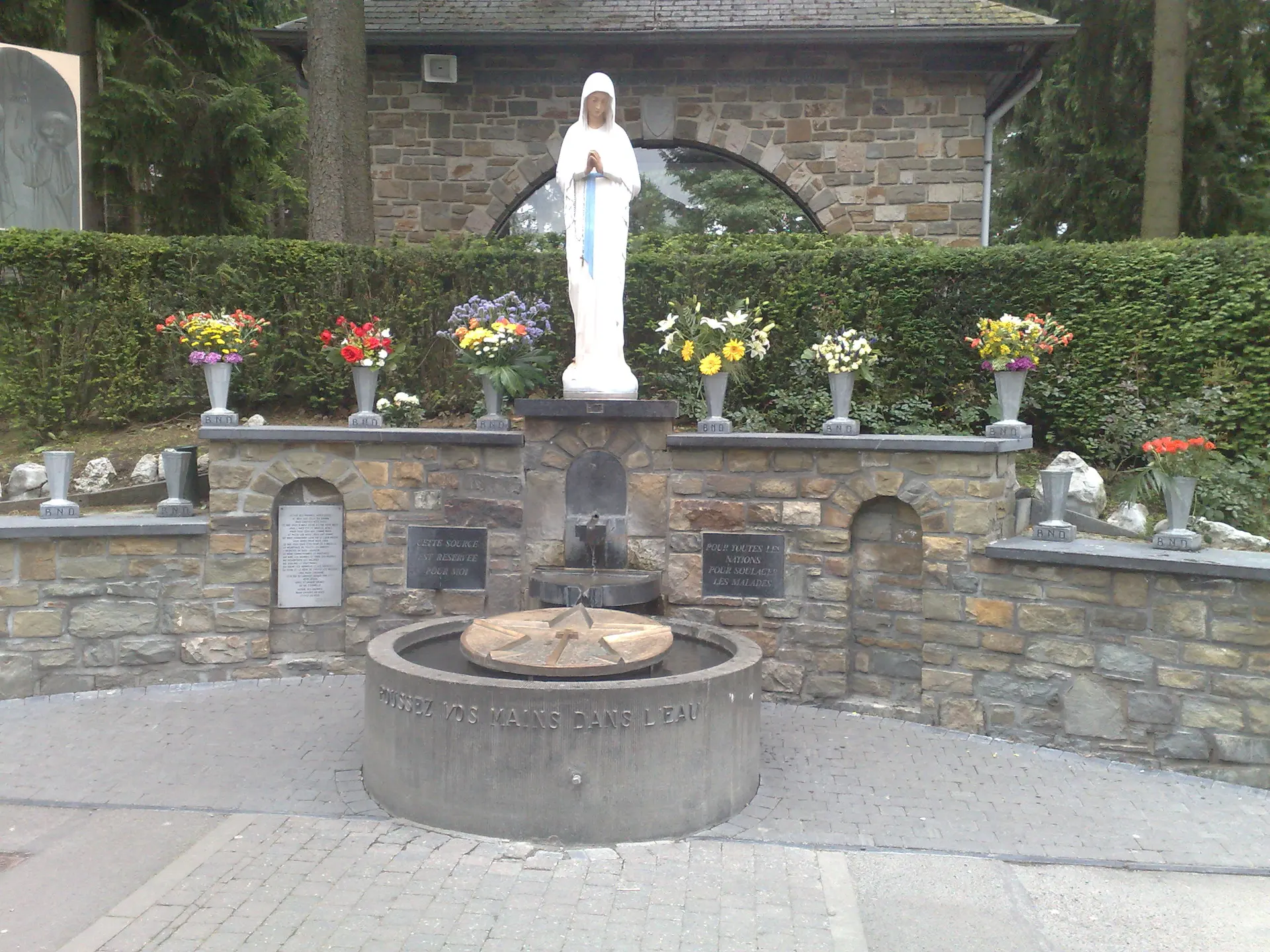
Church of the Virgin of the Poor, Banneux
Sprimont, Liege, Belgium
10.0 km away
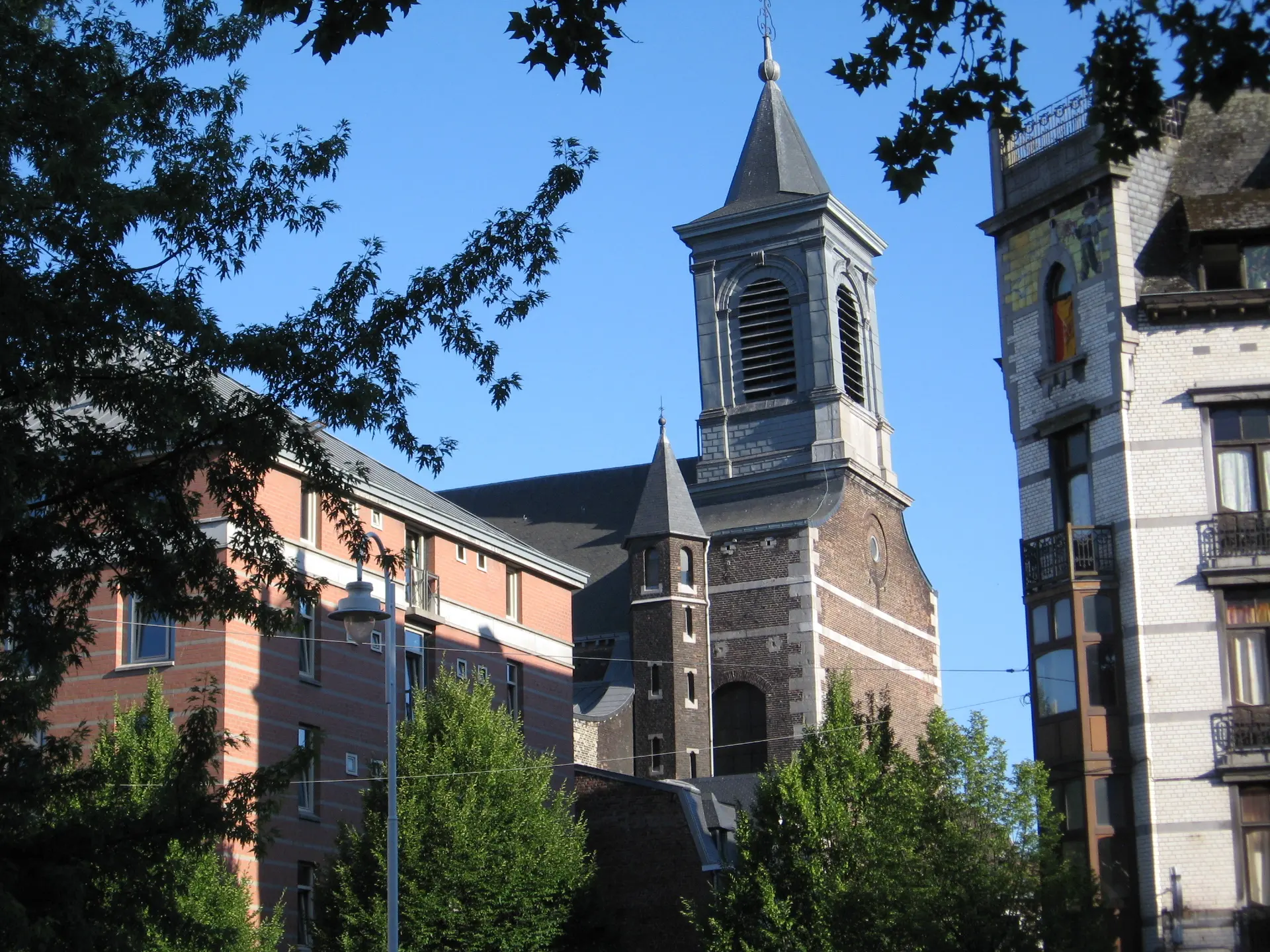
Church of St. Nicholas of Outremeuse (Black Virgin)
Liège, Liege, Belgium
21.0 km away

Klooster Wittem Pilgrimage Centre
Wittem, Wittem, Limburg, Netherlands
25.2 km away
References
Sources consulted for this page. Source categories describe the publication, not a guarantee that every claim is verified. Traditional accounts and outside interpretations may differ.
- 01La Vierge (noire) de Verviers, dite miraculeuse — Connaître la WallonieofficialOfficial Wallonia heritage source with historical details
- 02Black Virgin of the Recollects Mother of Mercy — Interfaith Mary PageSource contextComprehensive Black Madonna reference
- 03Vierge Noire — Best of VerviersSource contextLocal tourism information
Share a photo
Help visitors recognize Black Virgin of the Recollects. Every submission is reviewed before publication.