Baba Balak Nath Temple, Deotsidh, Himachal Pradesh
A Himalayan cave where pilgrims bring sweet bread and unfulfilled vows to an ever-youthful siddha
Understand sacred places, explore living traditions, and learn how to engage respectfully with Pilgrim Map.
Access has not been verified. Check current local guidance before planning a visit.
Dhatwal, Himachal Pradesh, India
Read the sources
Visit essentials
A quick read before you go
- Duration
- Around 2 to 4 hours including the climb, darshan, and descent; longer during festival crowds.
- Access
- On a hilltop above Chakmoh village, Deotsidh, in Hamirpur district of Himachal Pradesh (about…
Overview
Deotsidh, on a hilltop above Chakmoh in Hamirpur district, is held to be the principal cave where Baba Balak Nath still dwells. He is revered both as an avatar of Kartikeya, Shiva's son, and as a great Natha siddha, a perfected renunciant yogi. One legend makes him an ever-youthful (balak) immortal, born when a parrot who overheard Shiva's secret of immortality was reborn in human form.
The Siddha Peeth—a seat of accomplished spiritual power—is among Himachal Pradesh and Punjab's most popular folk-devotional pilgrimage centres. Pilgrims climb the stepped hilltop path into a small, dim cave thick with lamp and incense smoke. They offer rot, a dense sweet flatbread of flour, jaggery or sugar, and ghee, and make vows especially for children and prosperity, returning when those vows are fulfilled.
One custom remains contested: because Baba Balak Nath was believed to be a celibate (brahmachari), women traditionally worshipped from a platform before the cave rather than entering the inner gufa. Some sources report that this restriction has been challenged and relaxed in places; others still describe the separate platform. Visitors should follow current on-site guidance rather than any single account.
Why this place is sacred
Deotsidh draws its sense of the sacred from presence and continuity. The cave is held to be the abode where Baba Balak Nath still dwells, a Siddha Peeth where the boundary between devotee and deity feels thin. The steep climb sets the shrine apart from ordinary ground, and the confined, smoke-scented interior concentrates the attention; pilgrims often describe a powerful sense of the saint's presence and of vows answered.
What sustains the place is centuries of unbroken devotion focused on this one cave—a folk tradition of vows made and fulfilled, especially for progeny and well-being. The Chaitra mela, when the hill fills with pilgrims, lamps, and the offering of rot, raises that devotional charge to its annual peak.
Experience and orientation
Pilgrims describe a steep but rewarding climb to a small, dim cave thick with the smoke of lamps and incense, intense devotional energy—particularly during the Chaitra fair—and the distinctive offering of rot. Many speak of a powerful sense of the saint's presence and of vows fulfilled. The ascent and the cave's confined, lamp-lit interior together foster a heightened, surrendered devotional state. For devotees the shrine is above all a place of intercession and answered prayer.
Climb the stepped path to the hilltop cave; conveyances are available for those unable to walk. Remove footwear before the shrine precinct, and bring or buy rot to offer. Regarding cave access for women, customs have historically restricted entry to a front platform and reports of change conflict—confirm current practice on arrival and follow temple guidance. Expect very large crowds during the Chaitra mela and on Sundays.
Context and lineage
In the principal legend, a Brahmin—often named Banarasi—complained to Baba Balak Nath, a renowned Natha yogi, that his cows had become barren; the saint's blessing restored them, establishing his fame and the worship tradition at Deotsidh. A wider legend tells that Baba Balak Nath was born when a parrot who overheard Shiva's secret of immortality, the Amar Katha, was reborn in human form as an ever-youthful, immortal saint.
Folk Hinduism centred on Baba Balak Nath, drawing on the Natha (Natha Sampradaya) yogic tradition; closely associated with the wider Himachal pilgrimage landscape.
Baba Balak Nath
Enshrined saint
Banarasi
Devotee of the origin legend
Kartikeya
Divine identity
The Natha Sampradaya yogis
Lineage
The Deotsidh temple trust and devotees
Custodians and developers
Traditions and practice
Offering of rot (sweet flatbread of flour, jaggery, and ghee), lighting of lamps, recitation of Baba Balak Nath's praises, and the making and fulfilling of vows—often for progeny and prosperity.
Daily darshan and aarti at the cave; the month-long Chaitra mela (approximately mid-March to mid-April) is the principal festival, drawing very large crowds, including overseas devotees.
If you come with something specific to ask of the place, the tradition's own grammar is the vow: make it clearly at the cave, and—in the spirit of the pilgrims who return when their prayers are answered—plan to come back to complete it, treating the offering of rot as the closing of a circle rather than a one-time gesture.
Hinduism / Nath (Natha) tradition
ActiveDeotsidh is the principal shrine of Baba Balak Nath, revered both as an avatar of Kartikeya (son of Shiva) and as a great Natha siddha yogi. As a Siddha Peeth it is one of the most popular folk-devotional pilgrimage centres of Himachal Pradesh and Punjab, associated with the granting of children, prosperity, and the fulfilment of vows.
Pilgrims climb to the hilltop cave, offer rot, light lamps, and make and fulfil vows; the great Chaitra mela is the focal annual observance.
Perspectives and open questions
Deotsidh is read as a folk Siddha Peeth, as the living abode of an immortal saint, and as a charged centre of Natha yogic power—with its distinctive customs largely a matter of legend.
Scholarly perspective
Scholars describe Deotsidh as a major folk-Hindu Siddha Peeth of the western Himalaya centred on the cult of the siddha Baba Balak Nath, with strong Natha-yogic and pastoral (cow-herding) associations and a largely legendary, undated foundation.
Living and traditional perspectives
Devotees revere Baba Balak Nath as an immortal, ever-youthful saint and avatar of Kartikeya who grants children and prosperity; the cave is his living abode and the focus of intense vow-based devotion.
Alternative interpretations
Within the Natha tradition Baba Balak Nath is understood as a perfected siddha whose yogic immortality makes the cave a charged centre of spiritual power.
Open questions
The historical identity and dating of Baba Balak Nath, and the origins of the cave's distinctive customs (including the women's-access tradition), remain matters of legend rather than documented history.
Plan your visit
Access and arrival
On a hilltop above Chakmoh village, Deotsidh, in Hamirpur district of Himachal Pradesh (about 740 m elevation); reached by road to the base and then a stepped climb, with conveyances available, to the cave.
Respectful visit
Modest, respectful dress; remove footwear before entering the shrine precinct.
Photography may be restricted inside the cave sanctum; follow temple signage and staff instructions, especially during crowded fair days.
Rot (sweet flatbread) is the characteristic offering; lamps and small donations are also common.
Observe the cave's access customs (historically women worship from the front platform; confirm current practice); maintain silence and order in the confined sanctum; no intoxicants.
Observe the cave's access customs—historically women worship from the front platform, and reports of change conflict, so confirm current practice on arrival. Maintain silence and order in the confined sanctum, and no intoxicants.
Current practical details
Address
Deotsidh Rd, Sidh Baba Balaknath Mandir Complex, Deotsidh, Himachal Pradesh 176039, India
Phone
Hours
Hours, fees, and access can change — verify on the official source before you travel. Practical details last checked Jun 2026.
Location
Map loads as you approach this section.
Pilgrim reflections
A portrait of encounter, not a score
Pilgrims describe what they felt, how present they could become, and whether the place would shape a journey. There are no stars and no ranking of traditions.
No reviewed reflections yet
The first pilgrims can help describe the character of being here.
Share a reflection
Available after an account-backed “Been there.” Every reflection is reviewed before publication.
Nearby sacred places
Explore other sacred places in the region. Proximity does not establish access or travel time; check each place’s guidance.
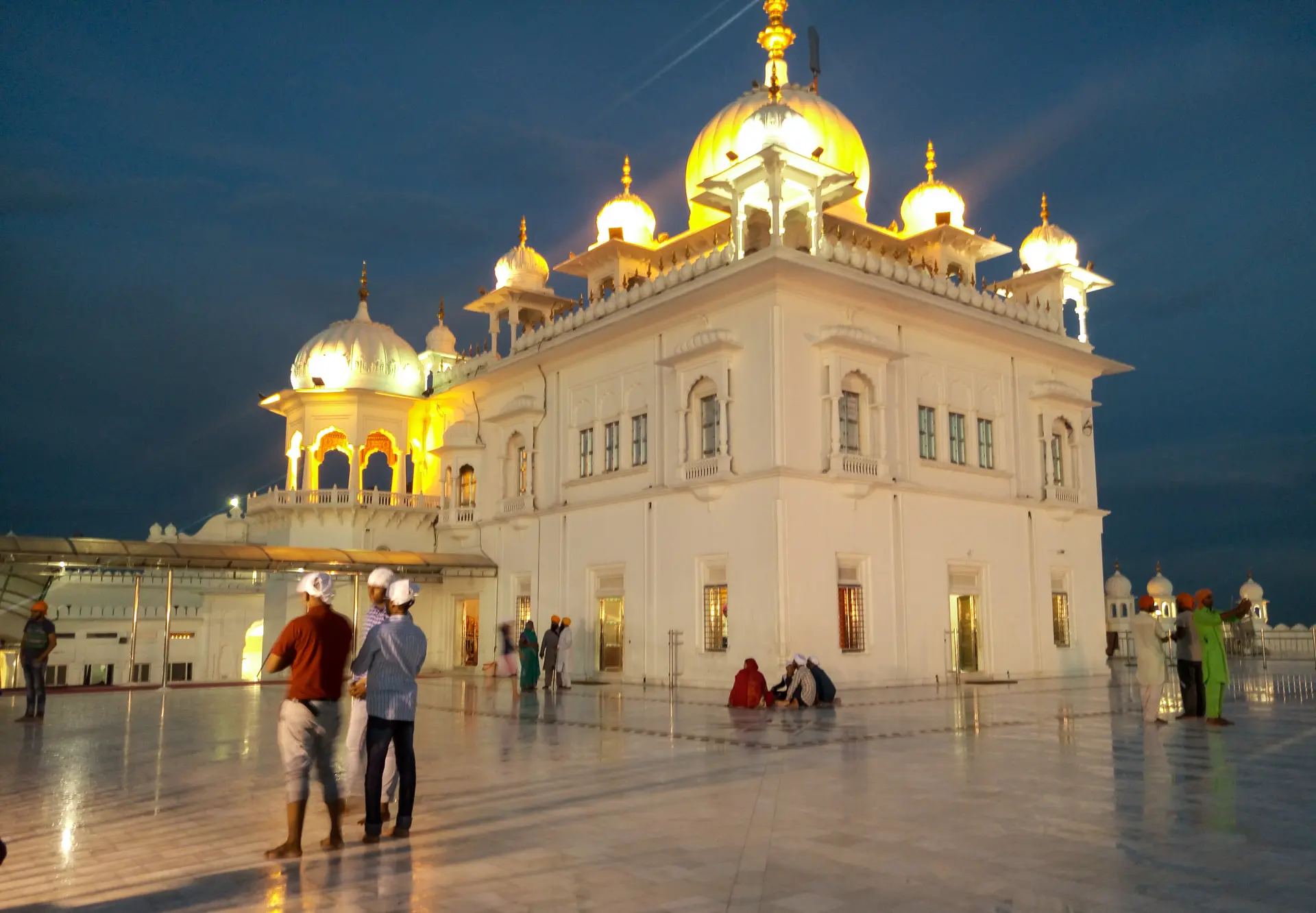
Kesgarh Sahib Gurdwara, Anandpur Sahib, Punjab
Anandpur Sahib, Punjab, India
24.7 km away

Baijnath Shiva Temple, Himachal Pradesh
Baijnath, Himachal Pradesh, India
67.0 km away

Bhagsunag Sacred Spring Kund
Bhagsu, Himachal Pradesh, India
90.1 km away

Manikaran Hot Springs
Manikaran, Himachal Pradesh, India
104.5 km away
References
Sources consulted for this page. Source categories describe the publication, not a guarantee that every claim is verified. Traditional accounts and outside interpretations may differ.
- 01Baba Balak Nath — Wikipedia — Wikipedia contributorsacademicCave shrine (Deotsidh) on a hilltop near Chakmoh, Hamirpur district, ~740 m elevation; Baba Balak Nath revered as an avatar of Kartikeya and a Natha Yogi; month-long Chaitra fairs; offering of rot; women traditionally worship from a platform, not the inner cave.
- 02Baba Balaknath Cave Temple — C.P.R. Environmental Education Centre (ecoheritage) — C.P.R. Environmental Education CentreofficialDocumentation of the cave temple as a Siddha Peeth, its sacred-grove/eco-heritage setting, legends and worship; institutional (CPR) source.
- 03Deot Sidh Baba Balak Nath temple opens doors to women — The Tribune — The Tribune (Chandigarh)Source contextNews report on the decision to allow women into the cave sanctum, a tradition previously barring them; documents the contested gender-access issue.
- 04Baba Balak Nath Ji — History, Temple Timings & Travel Guide — eHimachal.orgSource contextVisitor guide: location near Hamirpur, the Shahtalai association, Chaitra mela (14 Mar–13 Apr), rot offering, timings and access details.
- 05Baba Balak Nath Temple at Deotsidh — Story, Rituals — Hindu BlogspiritualRecounts the Banarasi cowherd legend, Baba Balak Nath's identity and the rituals and offerings made by devotees at the cave.
Photo gallery
3 curated photos
Share a photo
Help visitors recognize Baba Balak Nath Temple, Deotsidh, Himachal Pradesh. Every submission is reviewed before publication.