Site type guide
Stone Age Settlement
Stone Age Settlement sites reveal how different traditions shape sacred space through architecture, landscape, ritual, and memory.
2 stone age settlement sacred sites. Use the country and tradition filters to narrow in.
Atlas summary
Stone Age Settlement sacred sites overview
Stone Age Settlement sacred sites span countries, traditions, pilgrimage routes, and sacred landscapes represented in the Pilgrim Map atlas.
Use this guide to compare major country clusters, represented traditions, UNESCO-tagged places, and the map distribution before opening individual site pages.
| Coverage | 2 stone age settlement sacred sites across the current atlas. |
|---|---|
| Major countries | |
| Traditions |
By country
By tradition
All sites
2
Showing 1-2 of 2 sites in this site-type guide
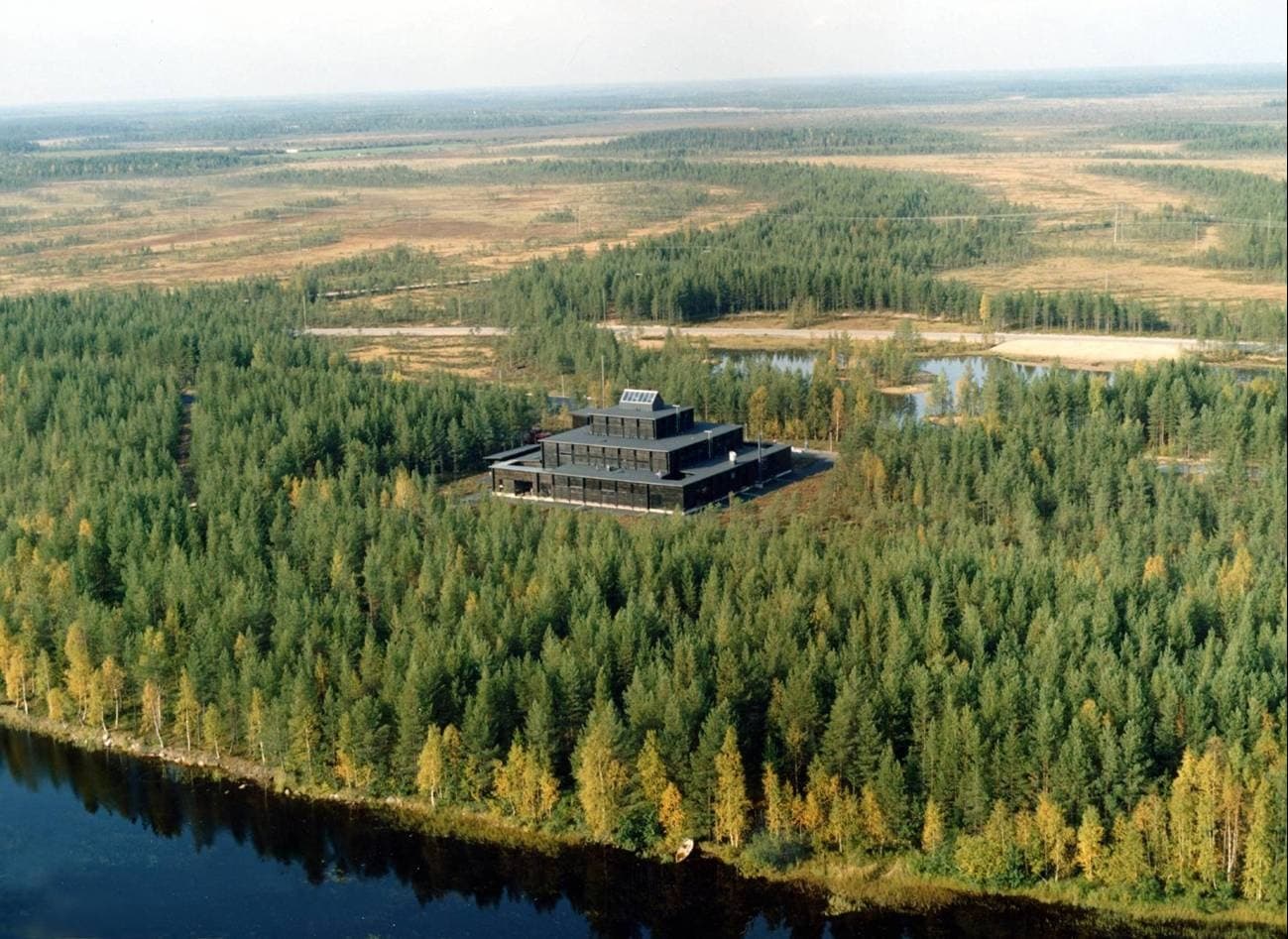
Kierikki Stone Age Centre
Yli-Ii (Oulu), North Ostrobothnia, Finland
The Kierikki Stone Age Centre stands on the Iijoki river where a Neolithic community lived year-round from roughly 4000 to 3100 BC, overturning assumptions that Stone Age...

Yli-Ii Kierikki Settlement Area
Yli-Ii (Oulu), North Ostrobothnia, Finland
Beyond the reconstructed village at the Kierikki Stone Age Centre lies the real thing: an extensive Neolithic settlement landscape along the Iijoki river with more than...
Key questions
Stone Age Settlement sacred-site questions
- What stone age settlement sacred sites are included?
- Stone Age Settlement sacred sites are places where this site type carries religious, ritual, cultural, or pilgrimage significance. This guide lists 2 in the current Pilgrim Map atlas.
- Where are these stone age settlement sites located?
- Major country clusters include Finland.
- Which traditions are represented?
- Traditions represented here include Finnish Prehistoric / Comb Ceramic Culture.
- Can I view stone age settlement sacred sites on a map?
- Yes. Compare the country and tradition clusters, switch to map view for geography, then use site pages for practical context and related places.