Site type guide
Rock Formation
Rock Formation sites reveal how different traditions shape sacred space through architecture, landscape, ritual, and memory.
3 rock formation sacred sites. Use the country and tradition filters to narrow in.
Atlas summary
Rock Formation sacred sites overview
Rock Formation sacred sites span countries, traditions, pilgrimage routes, and sacred landscapes represented in the Pilgrim Map atlas.
Use this guide to compare major country clusters, represented traditions, UNESCO-tagged places, and the map distribution before opening individual site pages.
| Coverage | 3 rock formation sacred sites across the current atlas. |
|---|---|
| Major countries | |
| Traditions |
By country
All sites
3
Showing 1-3 of 3 sites in this site-type guide

Käpylä Hiidenkirnu
Helsinki, Helsinki / Käpylä – Uusimaa, Finland
In a quiet park in Helsinki's Käpylä district, a smooth cylindrical hole bored into bare bedrock by Ice Age meltwater carries a Finnish folk name meaning 'hiisi's churn' —...

Pirunpesä
Kurikka, Jalasjärvi / Kurikka – South Ostrobothnia, Finland
Pirunpesä is a near-perfectly round, steep pit weathered deep into solid granite atop a hill in South Ostrobothnia....
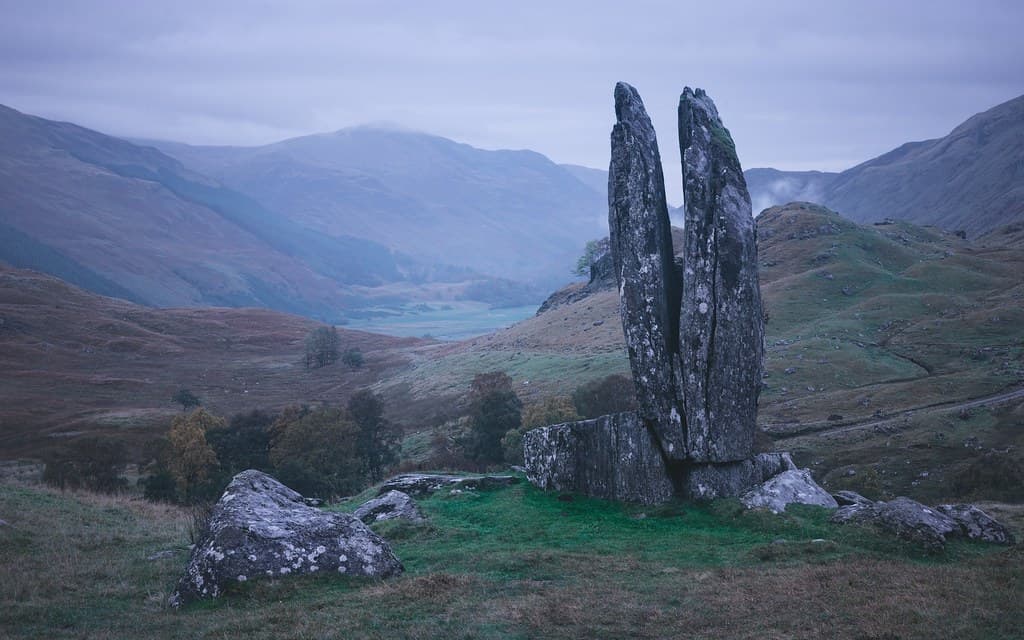
Praying Hands of Mary
Fortingall, Alba / Scotland, United Kingdom
Deep in Glen Lyon, Scotland's longest and most storied glen, two weathered stones rise from the hillside like hands pressed together in prayer....
Key questions
Rock Formation sacred-site questions
- What rock formation sacred sites are included?
- Rock Formation sacred sites are places where this site type carries religious, ritual, cultural, or pilgrimage significance. This guide lists 3 in the current Pilgrim Map atlas.
- Where are these rock formation sites located?
- Major country clusters include Finland, United Kingdom.
- Which traditions are represented?
- Traditions represented here include Celtic and Prehistoric, Finnish Folk Belief / Hiisi Nature-Spirit Tradition, Finnish Folk Religion.
- Can I view rock formation sacred sites on a map?
- Yes. Compare the country and tradition clusters, switch to map view for geography, then use site pages for practical context and related places.