Site type guide
Eastern Orthodox monastery
Eastern Orthodox monastery sites reveal how different traditions shape sacred space through architecture, landscape, ritual, and memory.
2 eastern orthodox monastery sacred sites. Use the country and tradition filters to narrow in.
Atlas summary
Eastern Orthodox monastery sacred sites overview
Eastern Orthodox monastery sacred sites span countries, traditions, pilgrimage routes, and sacred landscapes represented in the Pilgrim Map atlas.
Use this guide to compare major country clusters, represented traditions, UNESCO-tagged places, and the map distribution before opening individual site pages.
| Coverage | 2 eastern orthodox monastery sacred sites across the current atlas. |
|---|---|
| Major countries | |
| Traditions | |
| UNESCO heritage | 2 UNESCO-tagged eastern orthodox monastery sites appear in this browse view. |
By country
By tradition
Refine the atlas
Related eastern orthodox monastery guides
All sites
2
Showing 1-2 of 2 sites in this site-type guide
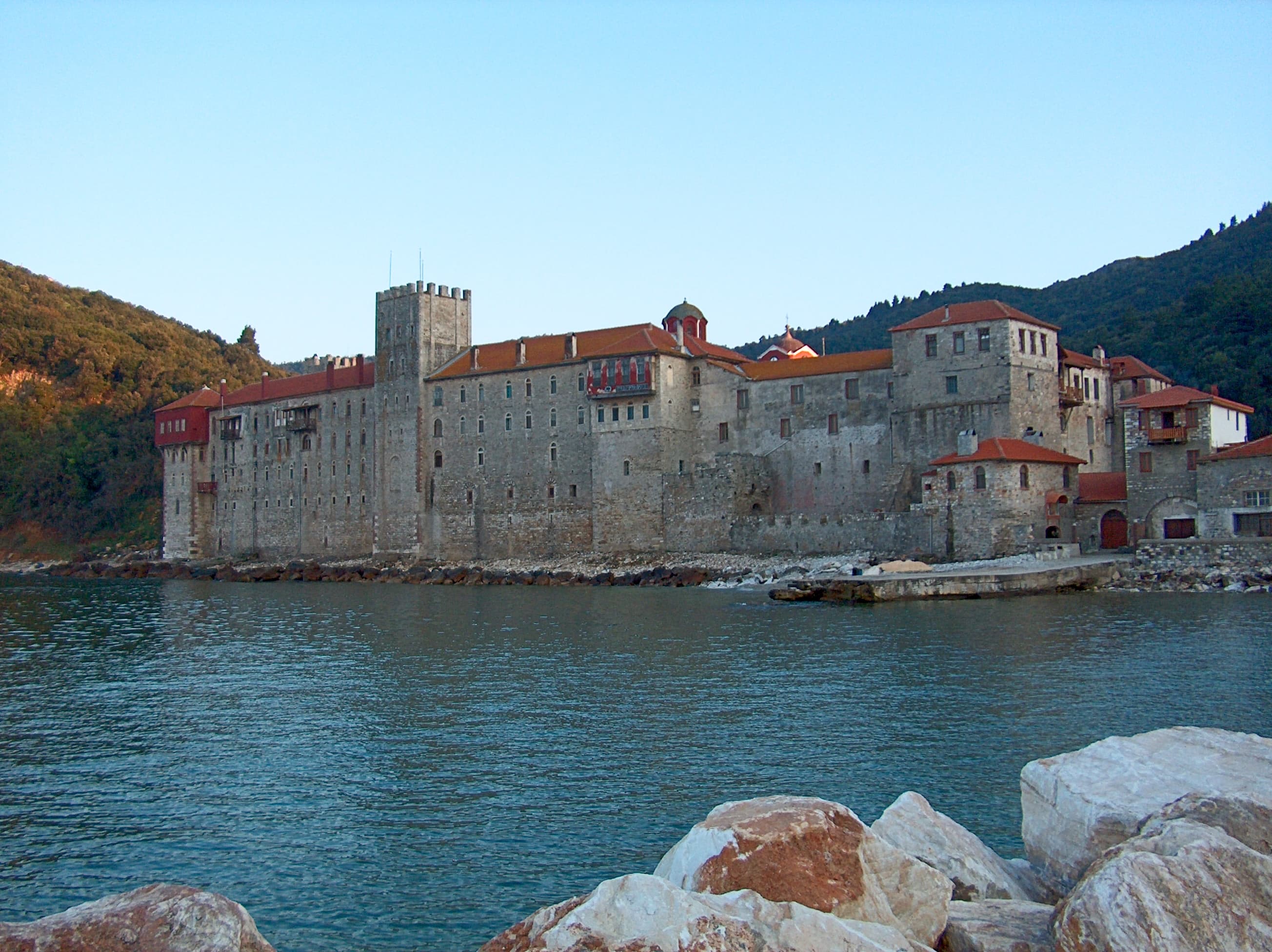
Esphigmenou Monastery
Mount Athos, Mount Athos, Chalkidiki, Central Macedonia, Greece
Esphigmenou is an Eastern Orthodox monastery dedicated to the Ascension of Christ at the northern end of Mount Athos....
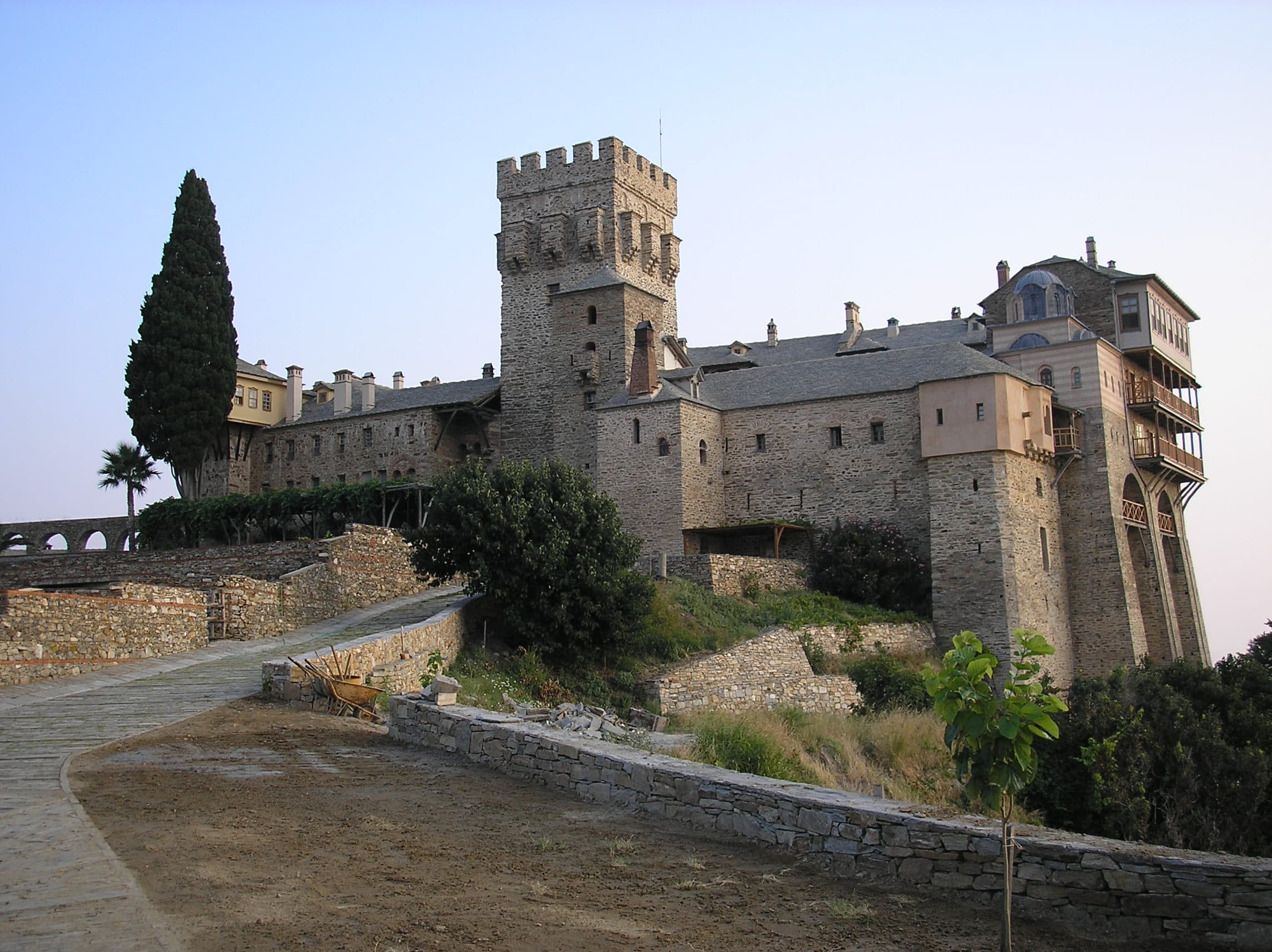
Stavronikita Monastery
Mount Athos, Mount Athos, Chalkidiki, Central Macedonia, Greece
Stavronikita is an Eastern Orthodox monastery dedicated to Saint Nicholas on the eastern coast of Mount Athos....
Key questions
Eastern Orthodox monastery sacred-site questions
- What eastern orthodox monastery sacred sites are included?
- Eastern Orthodox monastery sacred sites are places where this site type carries religious, ritual, cultural, or pilgrimage significance. This guide lists 2 in the current Pilgrim Map atlas.
- Where are these eastern orthodox monastery sites located?
- Major country clusters include Greece.
- Which traditions are represented?
- Traditions represented here include Eastern Orthodox Christianity.
- Can I view eastern orthodox monastery sacred sites on a map?
- Yes. Compare the country and tradition clusters, switch to map view for geography, then use site pages for practical context and related places.