Szombathely, St. Martin’s Church
Here was born Saint Martin — the start of a Europe-wide pilgrimage of charity
Understand sacred places, explore living traditions, and learn how to engage respectfully with Pilgrim Map.
Access has not been verified. Check current local guidance before planning a visit.
Szombathely, Vas, Hungary
Read the sources
Station Starting point (Szombathely to Tours) of 6
Via Sancti MartiniVisit essentials
A quick read before you go
- Duration
- Thirty to sixty minutes for the church; allow an extra hour for the adjacent Saint Martin…
- Access
- In the eastern part of Szombathely, western Hungary; reachable on foot from the city centre and…
Overview
St Martin's Church in Szombathely stands on a spot Christian memory has held for more than a millennium. Tradition places here the birth of Saint Martin of Tours, born around 316 or 317 in Roman Savaria, and the chapel inscription declares HIC NATUS EST SANCTUS MARTINUS—'Here was born Saint Martin.' A ninth-century cemetery chapel was dedicated to him by 860; the present early-baroque church grew from that medieval foundation.
One of Western Christianity's most venerated saints and patron of France, Martin was the young Roman soldier who cut his cloak in two for a freezing beggar, then saw Christ wearing the half-cloak in a vision that led to baptism, monasticism, charity, and the episcopate. His traditional birthplace frames reflection on generosity and conversion.
The active Diocese of Szombathely parish is the official start of the Via Sancti Martini, a Council of Europe Cultural Route to Tours increasingly walked by pilgrims across Europe. Roman, Gothic, Dominican, and baroque layers meet an adjoining visitor centre tracing Pannonian Christianity from Roman times. Any birth-house remains beneath the church are unverified by excavation; the identification rests on long-standing tradition rather than confirmed archaeology.
Why this place is sacred
The church's thinness rests on continuity and origin. Christian veneration has continued on this one spot from late-Roman Pannonia to the present, and the site is identified as the origin point of a transnational pilgrimage of charity and conversion — the Via Sancti Martini to Tours. Within a single building, Roman, Gothic, Dominican and baroque sacred history are layered together.
Pilgrims beginning the route describe a sense of stepping into a centuries-old narrative of charity, and the cloak legend frames the church as a place to reflect on generosity and conversion.
A Christian site marking, by tradition, the birthplace of Saint Martin of Tours, with a ninth-century cemetery chapel dedicated to him by 860.
From the early-Christian and medieval foundation the church was rebuilt in Gothic form, given to the Dominicans in 1638, and rebuilt in early-baroque style around 1668–1674. It was enlarged westward in 1930 and renovated and reconsecrated in 2015, serving today as an active parish and the start of the Via Sancti Martini.
Experience and orientation
The interior is intimate rather than monumental: a rare seventeenth-century early-baroque space in Italian style, enlarged westward in 1930 while keeping its original facade. Its devotional heart is the St Martin chapel, where the inscription HIC NATUS EST SANCTUS MARTINUS marks the traditional birthplace. Dominican memorials recall the centuries when the order held the church, from 1638 until its dissolution by the state in 1950.
Next door, the Saint Martin Visitor Centre — opened in 2007 — traces the story of Christianity in Pannonia from Roman times, giving context to the layered history of the building. For pilgrims, the church is a threshold: many set out from here on the Via Sancti Martini, and describe the departure as stepping into a centuries-old narrative of charity and conversion that runs from Martin's cloak to his life as monk and bishop.
In the eastern part of Szombathely, western Hungary, reachable on foot from the city centre. The church and the adjacent Saint Martin Visitor Centre form the visit; the church is the official starting point of the Via Sancti Martini to Tours.
Context and lineage
Tradition holds the church stands above the house where Martin was born in Roman Savaria; a ninth-century cemetery chapel on the spot was dedicated to him by 860. The defining legend of Saint Martin gives the place its meaning: as a young Roman soldier he cut his cloak in two to clothe a freezing beggar, then saw Christ in a vision wearing the half-cloak, prompting his baptism and a life of charity.
The Szombathely–Tours route was certified as a Council of Europe Cultural Route in 2005.
Roman Catholicism (Latin rite), rooted in early Pannonian Christianity, held by the Dominican Order from 1638 to 1950, and active today under the Diocese of Szombathely.
Saint Martin of Tours
Soldier-saint, monk and bishop (c.316/317–397)
Countess Elisabeth (Erzsébet) Batthyány
Baroque-era patron
Carlo della Torre
Baroque architect
Bishop György Draskovich
Donor to the Dominicans (1638)
The Dominican community
Custodians 1638–1950
Traditions and practice
Catholic Mass and the sacraments are celebrated here, with the feast of St Martin on 11 November — Martinmas — traditionally marked in Hungary by goose feasts, new wine, lantern processions and a figure of St Martin on horseback.
Active parish worship under the Diocese of Szombathely continues alongside pilgrim liturgies and departure blessings for those setting out on the Via Sancti Martini.
Pause at the St Martin chapel and its birthplace inscription, letting the cloak legend frame a reflection on generosity and conversion. Visit the adjoining centre to set the church within the long story of Pannonian Christianity. If you are beginning the Via Sancti Martini, consider receiving a departure blessing; if visiting near 11 November, the Martinmas customs bring the saint's charity vividly to life.
Roman Catholicism
ActiveThe church marks, by tradition, the birthplace of Saint Martin of Tours (c.316/317), one of the most venerated saints of Western Christianity and patron of France; it is the symbolic origin point of the Via Sancti Martini and a focus of Martinmas devotion.
Mass and the sacraments; pilgrim liturgies and individual prayer; the feast of St Martin on 11 November with associated processions and customs.
Dominican Order (historical)
HistoricalGiven to the Dominicans by Bishop György Draskovich in 1638 as their first re-established Hungarian house after the Turkish period; they held it until the order's dissolution by the state in 1950.
Historical Dominican conventual life and preaching, remembered today through Dominican memorials preserved in the church.
Perspectives and open questions
St Martin's Church is read as a documented medieval-to-baroque foundation tied by tradition to Martin's birthplace, as a focus of mainstream Catholic and civic veneration, and as the head of a European cultural route.
Scholarly perspective
Historians agree Martin was born in Roman Savaria — modern Szombathely — around 316 or 317 and became a transformative figure in Western monasticism and the episcopate; the present church is a medieval foundation rebuilt in early-baroque form, long associated by tradition with his birthplace.
Living and traditional perspectives
Catholic tradition firmly identifies the site as Martin's birthplace, commemorated by the HIC NATUS EST SANCTUS MARTINUS inscription and by the church's role as the start of the Via Sancti Martini.
Alternative interpretations
No significant esoteric tradition is attached; veneration is mainstream Catholic and civic, centred on charity, conversion and European pilgrimage identity.
Open questions
Whether physical remains of an actual birth-house lie beneath the church is unverified by excavation and rests on long-standing tradition rather than confirmed archaeology; Martin's birth year is given variously as 316 or 317.
Plan your visit
Access and arrival
In the eastern part of Szombathely, western Hungary; reachable on foot from the city centre and well served by road and rail. Parish contact tel. +36 94 505-570.
Respectful visit
Modest dress appropriate to an active Catholic church; cover shoulders and avoid very short hems.
Generally permitted; refrain during Mass and follow any posted notices; respect worshippers.
Candle offerings and donations to the parish are customary; no special offering protocol.
Maintain quiet and reverence during services; the church is a living place of worship as well as a heritage site.
The church is a living place of worship as well as a heritage site; maintain quiet and reverence during services and refrain from photography during Mass.
Current practical details
Address
Szombathely, Szent Márton u. 40, 9700 Hungary
Phone
Hours, fees, and access can change — verify on the official source before you travel. Practical details last checked Jun 2026.
Location
Map loads as you approach this section.
Pilgrim reflections
A portrait of encounter, not a score
Pilgrims describe what they felt, how present they could become, and whether the place would shape a journey. There are no stars and no ranking of traditions.
No reviewed reflections yet
The first pilgrims can help describe the character of being here.
Share a reflection
Available after an account-backed “Been there.” Every reflection is reviewed before publication.
Nearby sacred places
Explore other sacred places in the region. Proximity does not establish access or travel time; check each place’s guidance.

Ják Saint George Abbey Church
Ják, Ják, Vas County, Hungary
11.1 km away

Celldömölk Pilgrimage Church
Celldömölk, Celldömölk, Vas County, Hungary
39.5 km away
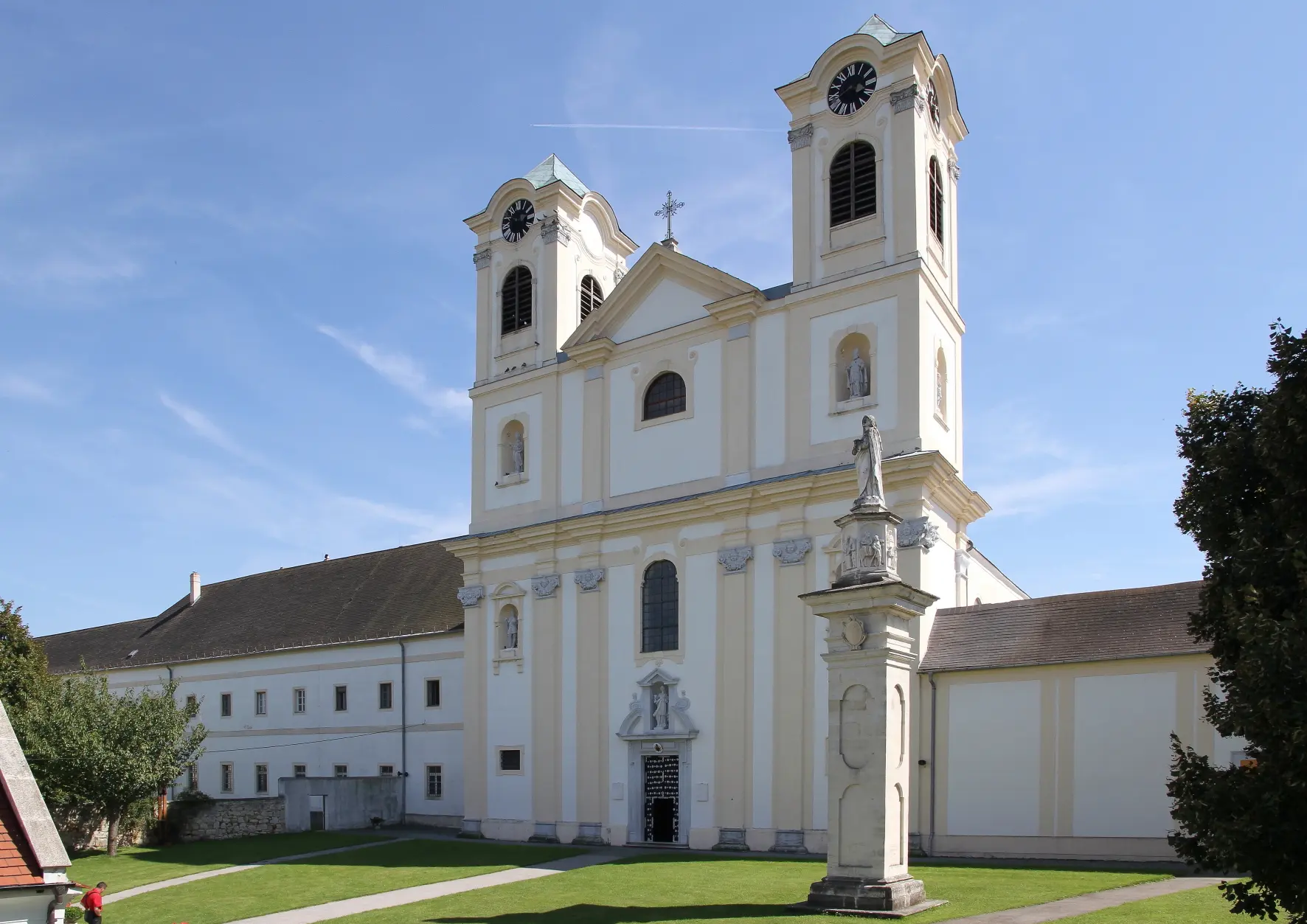
Basilica of Maria Loretto in Burgenland
Loretto, Burgenland, Austria
76.3 km away
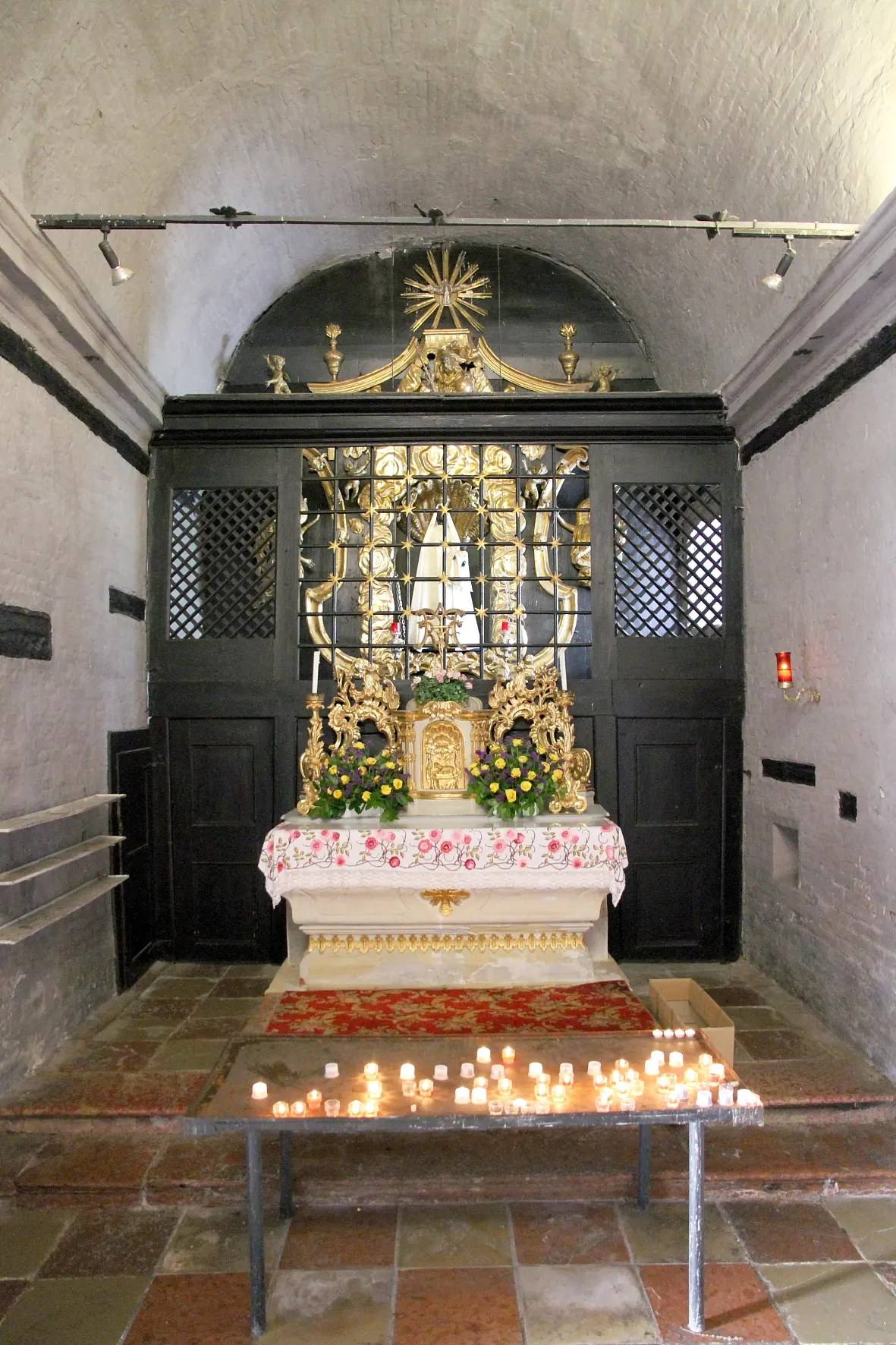
Black Madonna of Loretto Burgenland
Loretto, Burgenland, Austria
76.3 km away
References
Sources consulted for this page. Source categories describe the publication, not a guarantee that every claim is verified. Traditional accounts and outside interpretations may differ.
- 01Szombathely | Via Sancti Martini — Via Sancti MartiniofficialOfficial cultural-route site: church as starting point of the Via Sancti Martini to Tours; HIC NATUS EST SANCTUS MARTINUS inscription; pilgrim significance.
- 02Saint Martin Visitor Centre | Via Sancti Martini — Via Sancti MartiniofficialVisitor centre opened 2007 next to the church; opening hours, guided tours, pilgrim liturgy and prayer.
- 03Saint Martin of Tours Route — Cultural Routes, Council of Europe — Council of EuropeofficialCouncil of Europe designation (2005) of the Szombathely–Tours route as a European Cultural Route.
- 04Martin of Tours — Wikipedia — Wikipedia contributorsacademicBiography of Saint Martin, born c.316–317 in Savaria (Szombathely), the cloak legend, baptism, bishopric of Tours.
- 05Szent Márton-templom (Szombathely) — Wikipédia — Wikipedia contributorsacademicHungarian-language article on the church: 9th-century cemetery chapel dedicated to St Martin by 860, Gothic rebuild, Dominican period from 1638, baroque rebuilding.
- 06Szombathely — Wikipedia — Wikipedia contributorsacademicRoman Savaria/Sabaria as capital of Pannonia Prima; Constantine; birthplace of Saint Martin.
- 07St. Martin's Day — Wikipedia — Wikipedia contributorsacademicMartinmas (11 November): goose feasts, lantern processions, harvest-end customs in Hungary and across Europe.
- 08Szombathely – Szent Márton templom — Vas vármegye — Vas County (official)officialCounty heritage listing: rare 17th-century early baroque Italian-style building, enlarged westward in 1930 keeping the original facade.
Share a photo
Help visitors recognize Szombathely, St. Martin’s Church. Every submission is reviewed before publication.