Church of St. Mary’s
A Cotswold church where the Knights Templar left their cross carved in stone
Understand sacred places, explore living traditions, and learn how to engage respectfully with Pilgrim Map.
Access has not been verified. Check current local guidance before planning a visit.
Cotswold District, England, United Kingdom
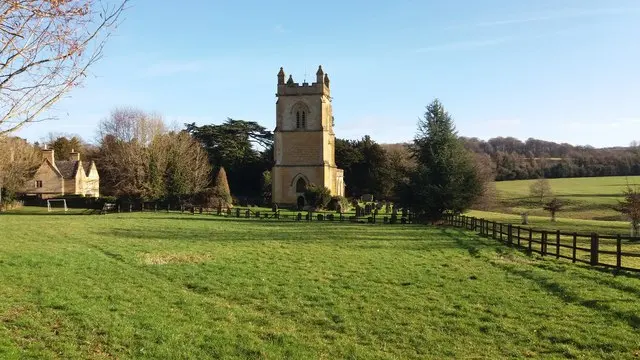
Image of Church of St. Mary’s. Image source · CC-BY-SA-2.0
Visit essentials
A quick read before you go
- Duration
- 45 minutes to an hour to appreciate the architecture, glass, and atmosphere
- Etiquette
- An active parish church welcoming visitors.
Overview
Most visitors to the Cotswolds seek honey-colored villages and photogenic high streets. Temple Guiting offers something different: a place where one of medieval Christianity's most powerful organizations left its mark before being erased from history. Around 1170, the Knights Templar founded St Mary's Church when they established a preceptory in this Upper Windrush valley. Gilbert de Lacy had given them land; they grew wealthy from the wool trade that made the Cotswolds prosperous.
For over a century, Templar brothers managed their estates from here, connected to a network that stretched from this English parish to the Kingdom of Jerusalem. Then came the suppression. In 1312, Pope Clement V dissolved the order under pressure from Philip IV of France. John de Coningston, the preceptor of Temple Guiting, was arrested in 1309 and sent to the Tower of London. The estates passed to the Knights Hospitaller. But the church remained, and remains still.
High on a corbel, a Templar cross survives, carved evidence of the order's presence. Eleven other corbels bear grotesques and carved beasts, medieval guardians watching from the roofline. The Norman chancel speaks of 12th-century origins; the Georgian decalogue of 18th-century piety; a modern window by Tom Denny of contemporary faith. Nearly 900 years of worship accumulate in one small church. The village name itself—Temple Guiting—preserves what the suppression tried to erase.
Why this place is sacred
What makes St Mary's more than another pretty Cotswold church? Perhaps the sense of layers. The Norman chancel belongs to the 12th century, when the Templars were building their empire of faith and finance. The nave was rebuilt in the 16th century, after the Reformation had transformed England's religious landscape. The Georgian decalogue speaks of an era that valued the Word more than images. The Tom Denny window brings contemporary art into dialogue with medieval stone.
Each layer coexists without erasing what came before. The Templar presence adds particular resonance. Here was not merely a parish church but an outpost of an international order, part of a network connecting England to the Crusader kingdoms. The Templars were bankers, warriors, landowners, and monks. When they were suppressed, the shockwaves spread across Christendom. At Temple Guiting, one brother was arrested and imprisoned. The order's wealth was seized.
But the church they built continued serving the village, their cross carved on a corbel surviving as evidence of what was lost. Standing beneath that corbel now, you occupy space where Templar brothers once stood at prayer. The suppression happened seven centuries ago; the church has continued for seven centuries since. Something persists in sacred space even when the institution that created it is destroyed.
Founded c. 1170 as the church serving the Knights Templar preceptory at Temple Guiting. The preceptory managed the order's local estates and participated in the wool trade that enriched the Cotswolds.
Templar foundation c. 1170. Suppression of order 1312; estates transferred to Knights Hospitaller at Quenington. Post-Reformation, became standard Anglican parish church. 16th century rebuilding of nave and transept. 17th century tower rebuilding. 18th century Georgian additions including decalogue (1748). 1884 restoration by J.E. Cutts. 2004 decalogue restoration. 2010 Tom Denny window installation.
Experience and orientation
You approach Temple Guiting on narrow lanes that wind through the Upper Windrush valley. The village is small, almost a hamlet, escaped from the tourist pressures that transform other Cotswold settlements. St Mary's stands at the southern edge, honey-colored stone rising from a churchyard that has marked this spot for nearly 900 years. You enter through the 1884 porch—Victorian addition to medieval fabric. Inside, the first impression is of quietness.
Light filters through the south windows, where three panels of medieval glass glow with colors that have outlasted centuries. These are Flemish or German work, survivors of a larger set; nine other panels were sold in 1809 for five pounds and now hang in New York's Metropolitan Museum. Look up to find the eleven corbels that ring the exterior roofline, carved with beasts, figures, and grotesques. One bears the cross that marks this place as Templar.
The carving is worn but unmistakable, physical evidence of what the village name already declares. In the nave stands a 15th-century font, simple and beautiful. Above the north door, the Georgian decalogue spreads its panels: Ten Commandments, Creed, Lord's Prayer, painted in 1748 and restored two and a half centuries later. Behind the lectern, Tom Denny's contemporary window catches the light, Psalm 111 rendered in glass. Each feature belongs to a different century, yet they coexist in one small church.
You may find refreshments available; you will certainly find silence available. The church is always open during daylight hours. Take your time.
The church is at the southern edge of Temple Guiting village. Parking is limited to the roadside near the church. The Templar cross is on an exterior corbel visible from the churchyard; the interior features include the medieval glass in the south window, the 15th-century font, the Georgian decalogue over the north door, and the Tom Denny window behind the lectern.
Context and lineage
In the middle of the 12th century, Gilbert de Lacy gave land at Guiting to the Knights Templar. The order, founded to protect pilgrims to the Holy Land, had grown into one of medieval Europe's most powerful institutions: bankers, landowners, warriors, and monks. They established a preceptory at Guiting to manage their Cotswold estates, enriched by the wool trade that made this region prosperous. Around 1170, they founded St Mary's Church.
For the next 140 years, Templar brothers administered their holdings from here, connected to a network that stretched from the Cotswolds to Jerusalem. The end came suddenly. In 1307, Philip IV of France, deeply indebted to the Templars, ordered mass arrests and accused the order of heresy. Pope Clement V, under Philip's pressure, dissolved the order in 1312. At Temple Guiting, the preceptor John de Coningston was arrested in 1309 and sent to the Tower of London.
His fate after imprisonment is unrecorded. The estates passed to the Knights Hospitaller at Quenington. But the church the Templars built remained, continuing to serve the village through the Reformation, the Civil War, the industrial revolution, two world wars. The village name preserved what the suppression tried to erase: Temple Guiting, where the Templars once were.
St Mary's belongs to the tradition of Templar foundations across England, most of which lost their Templar identity after 1312. The church now serves as part of the Diocese of Gloucester and the Benefice of the Seven Churches, connecting it to the surrounding Cotswold parishes.
Gilbert de Lacy
John de Coningston
Tom Denny
Traditions and practice
The Templar brothers would have celebrated Mass and the daily offices according to the Rule of the Order. Specific practices at the Temple Guiting preceptory are not recorded, but would have combined religious observance with estate management.
Regular Sunday services as part of the Benefice of the Seven Churches. Weddings, funerals, and baptisms continue the sacramental tradition. Visitors are welcome to explore the church during daylight hours. Refreshments are often available.
Enter with awareness of the layers you are encountering: Templar foundation, medieval survival, Georgian addition, Victorian restoration, contemporary art. Seek out the Templar cross on the corbel. Spend time with the medieval glass in the south window, imagining the nine panels now in New York. Read the Georgian decalogue. Consider how nearly 900 years of worship have accumulated in this one small building. If you wish to attend a service, you are welcome.
Knights Templar
HistoricalThe church was founded c. 1170 by the Knights Templar who established a preceptory at Temple Guiting. The Templar cross carved on a corbel provides physical evidence of their presence. The order was dissolved in 1312; preceptor John de Coningston was imprisoned in the Tower of London.
The Templar brothers would have celebrated Mass and the daily offices while managing the order's local estates. The preceptory grew wealthy from the Cotswold wool trade.
Anglican parish tradition
ActiveSince the Reformation, St Mary's has served as the Anglican parish church for Temple Guiting and surrounding settlements. It is part of the Diocese of Gloucester and the Benefice of the Seven Churches.
Regular Sunday services, weddings, funerals, and baptisms. The church welcomes visitors exploring Cotswold churches and Templar history. Refreshments often available.
Perspectives and open questions
St Mary's exists at the intersection of Templar history and English parish tradition, where the mark of a dissolved order survives in an active church.
Scholarly perspective
The Victoria County History documents the Temple Guiting preceptory as founded by Gilbert de Lacy in the mid-12th century. The 1185 survey valued its possessions at £11 10s 6½d. Historic England lists the church as Grade I, noting the 12th-century Norman chancel, 16th-century nave rebuilding, and later additions. The Templar cross on a corbel is the primary physical evidence of the Templar connection.
The medieval glass is attributed to Flemish or German origin; nine panels sold in 1809 are now in the Metropolitan Museum of Art, New York.
Living and traditional perspectives
The village name preserves the Templar identity that the 1312 suppression attempted to erase. Local tradition maintains awareness of the Templar founding, though specific legends about the preceptory have not survived. The story of the arrested preceptor adds human dimension to the historical suppression.
Alternative interpretations
For those interested in Templar mysticism and esoteric Christianity, the church represents an authentic site of Templar presence in England. Some see Templar foundations as connected to sacred geometry, hidden knowledge, or spiritual traditions that survived the suppression underground. The carved corbels, with their grotesques and symbolic beasts, invite interpretation beyond their architectural function.
Open questions
The fate of preceptor John de Coningston after his imprisonment in the Tower of London is unknown. The specific activities of the Templar preceptory at Temple Guiting are unrecorded beyond estate management. Why nine panels of medieval glass were sold to America in 1809 for only five pounds remains unexplained—financial necessity, ignorance of their value, or simple disposal of redundant ornament.
Plan your visit
Access and arrival
Stow-on-the-Wold offers numerous hotels, B&Bs, and inns in a classic Cotswold market town setting. Bourton-on-the-Water and Broadway provide additional options. The Cotswolds is well-served by tourist accommodation.
Respectful visit
Respectful casual attire appropriate for visiting a church.
Generally permitted; check for any posted notices.
Donations welcome to support church maintenance. There may be postcards or guidebooks available for purchase.
Respect any services in progress. Standard church etiquette.
The building is ancient and may have uneven floors.
Location
Map loads as you approach this section.
Pilgrim reflections
A portrait of encounter, not a score
Pilgrims describe what they felt, how present they could become, and whether the place would shape a journey. There are no stars and no ranking of traditions.
No reviewed reflections yet
The first pilgrims can help describe the character of being here.
Share a reflection
Available after an account-backed “Been there.” Every reflection is reviewed before publication.
Nearby sacred places
Explore other sacred places in the region. Proximity does not establish access or travel time; check each place’s guidance.
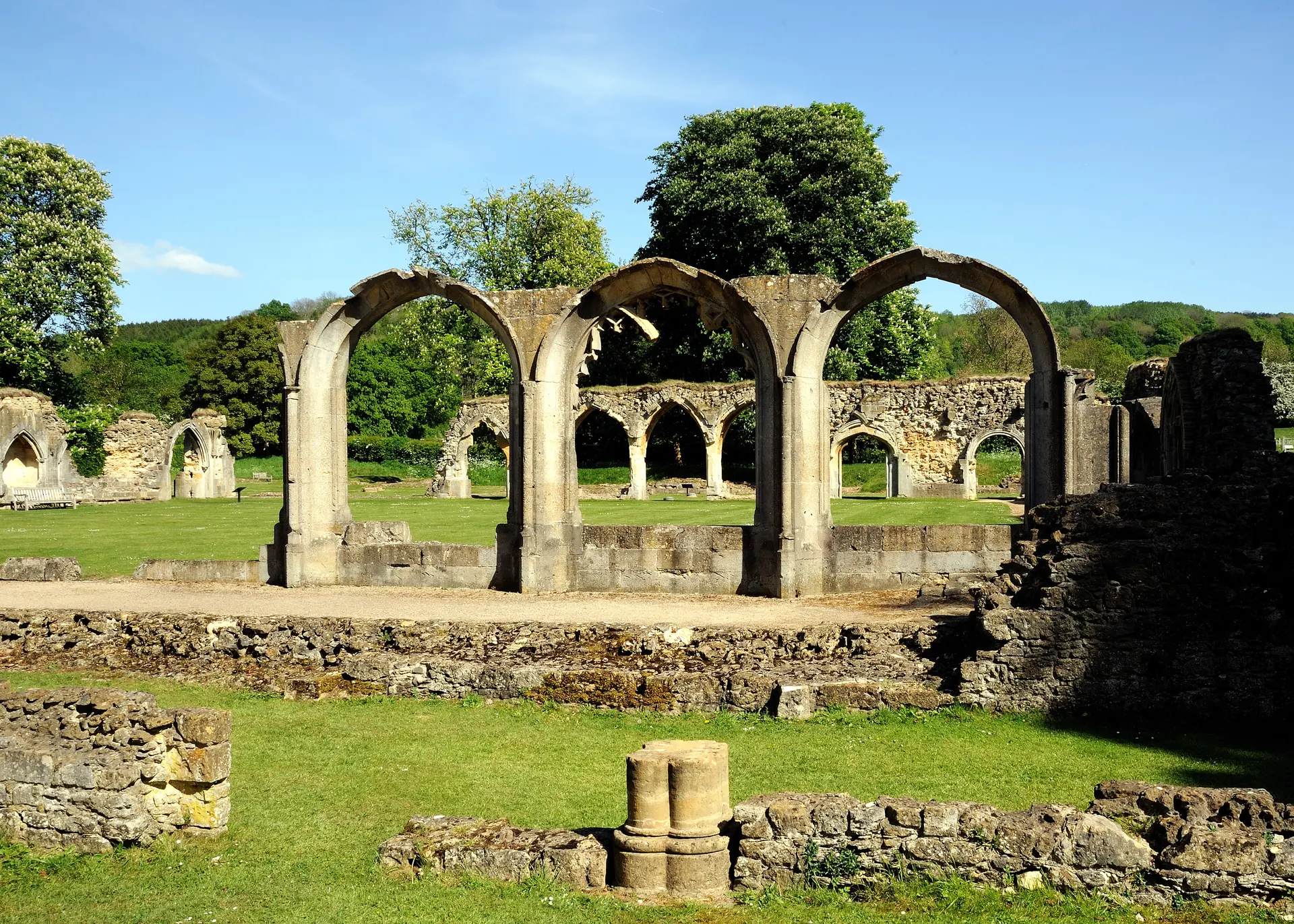
Hailes Abbey
Hailes, England, United Kingdom
4.6 km away
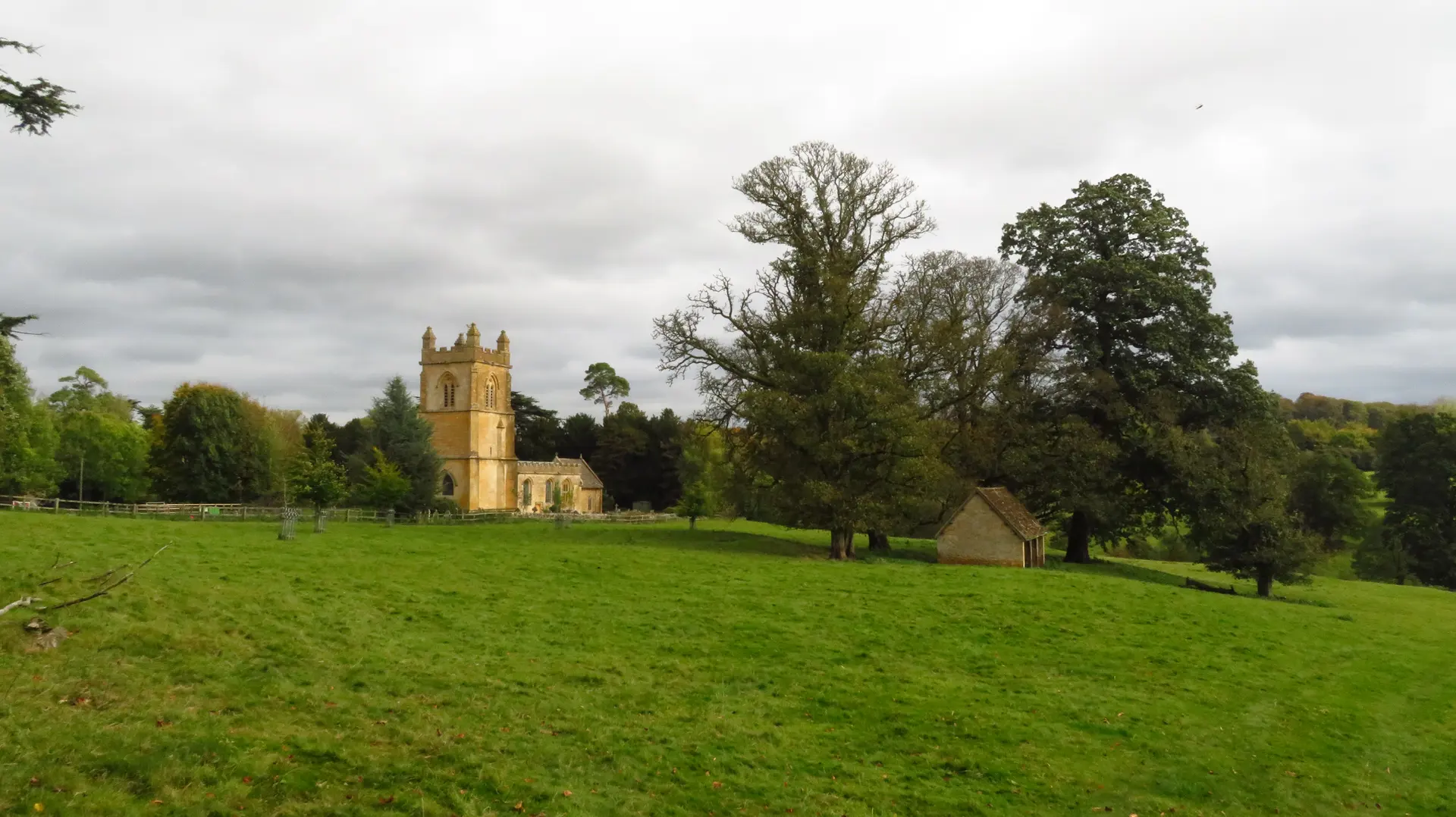
St. Mary Church, Temple Guitling
Cotswold District, England, United Kingdom
5.8 km away
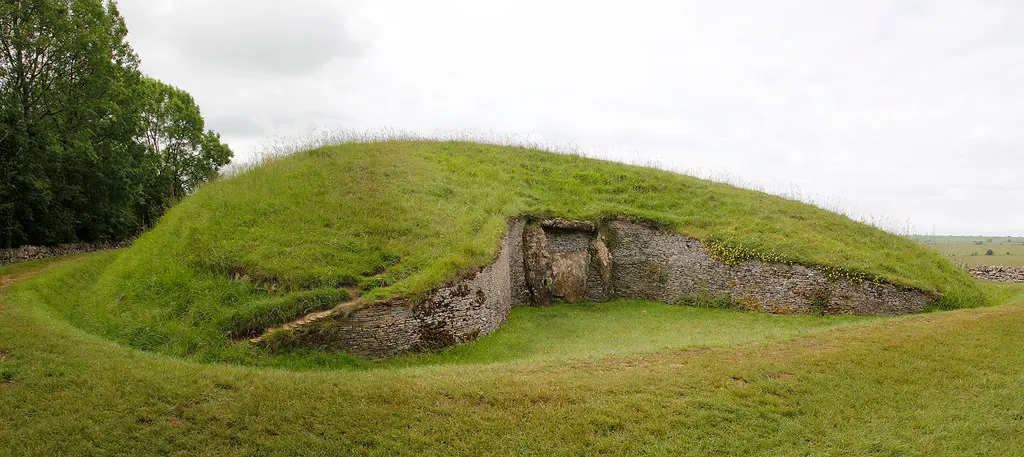
Belas Knap Long Barrow
Tewkesbury, England, United Kingdom
7.4 km away

Church of St. Mary and St. Edwin, Evesham, England
Wychavon, England, United Kingdom
17.3 km away
Share a photo
Help visitors recognize Church of St. Mary’s. Every submission is reviewed before publication.