Nokalakevi Archaeological Site
A multi-period archaeological city where sacred remains are part of a larger reserve
Understand sacred places, explore living traditions, and learn how to engage respectfully with Pilgrim Map.
Access has not been verified. Check current local guidance before planning a visit.
Senaki, Samegrelo-Zemo Svaneti, Georgia
Read the sourcesVisit essentials
A quick read before you go
- Access
- Use current museum-reserve information and staff direction; the whole-site coordinate is…
- Etiquette
- Dress for exposed terrain and avoid clothing or equipment that could catch on or damage fragile…
Overview
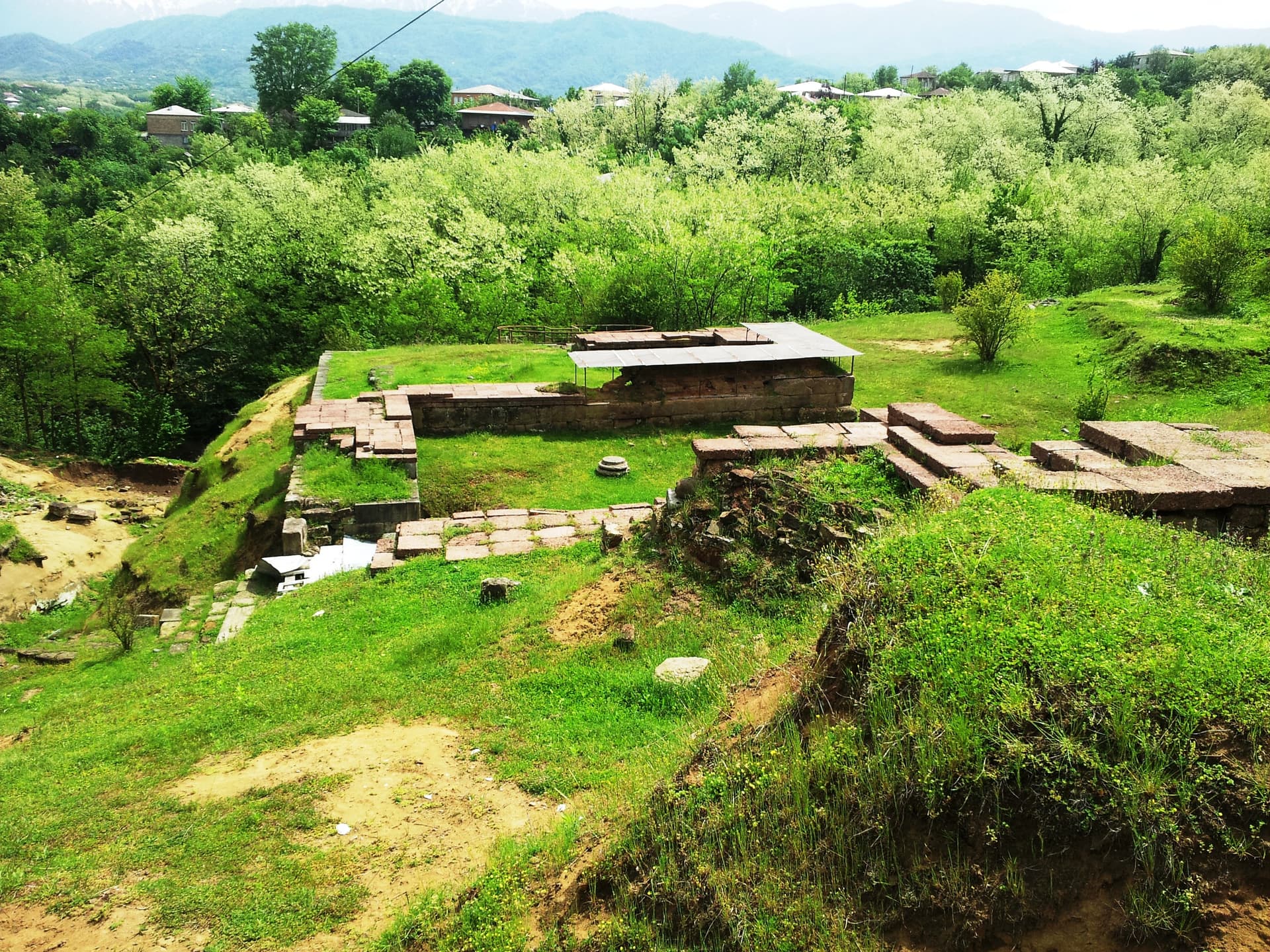
Archaeology can recover structures and sequences while leaving ritual meaning incomplete; later memory and legend are different evidence.
Why this place is sacred
The official museum-reserve source supports the exact boundary and archaeological scope; later legends must remain separate from excavated evidence.
The documented historical role is kept separate from the corrected present status: archaeological.
Experience and orientation
Excavation areas, paths, weather, museum opening, and component access can change for conservation or fieldwork.
Use current museum-reserve information and staff direction; the whole-site coordinate is orientation, not permission beyond managed paths.
Context and lineage
Early Georgian Christianity
Traditions and practice
No present worship identity is assigned to the reserve. The documented early Christian church is discussed by period and component; broader pre-Christian occupation is not labeled as a specific religion.
Early Georgian Christianity
HistoricalEarly Georgian Christianity is documented as part of the identity and interpretive context of Nokalakevi Archaeological Site.
Perspectives and open questions
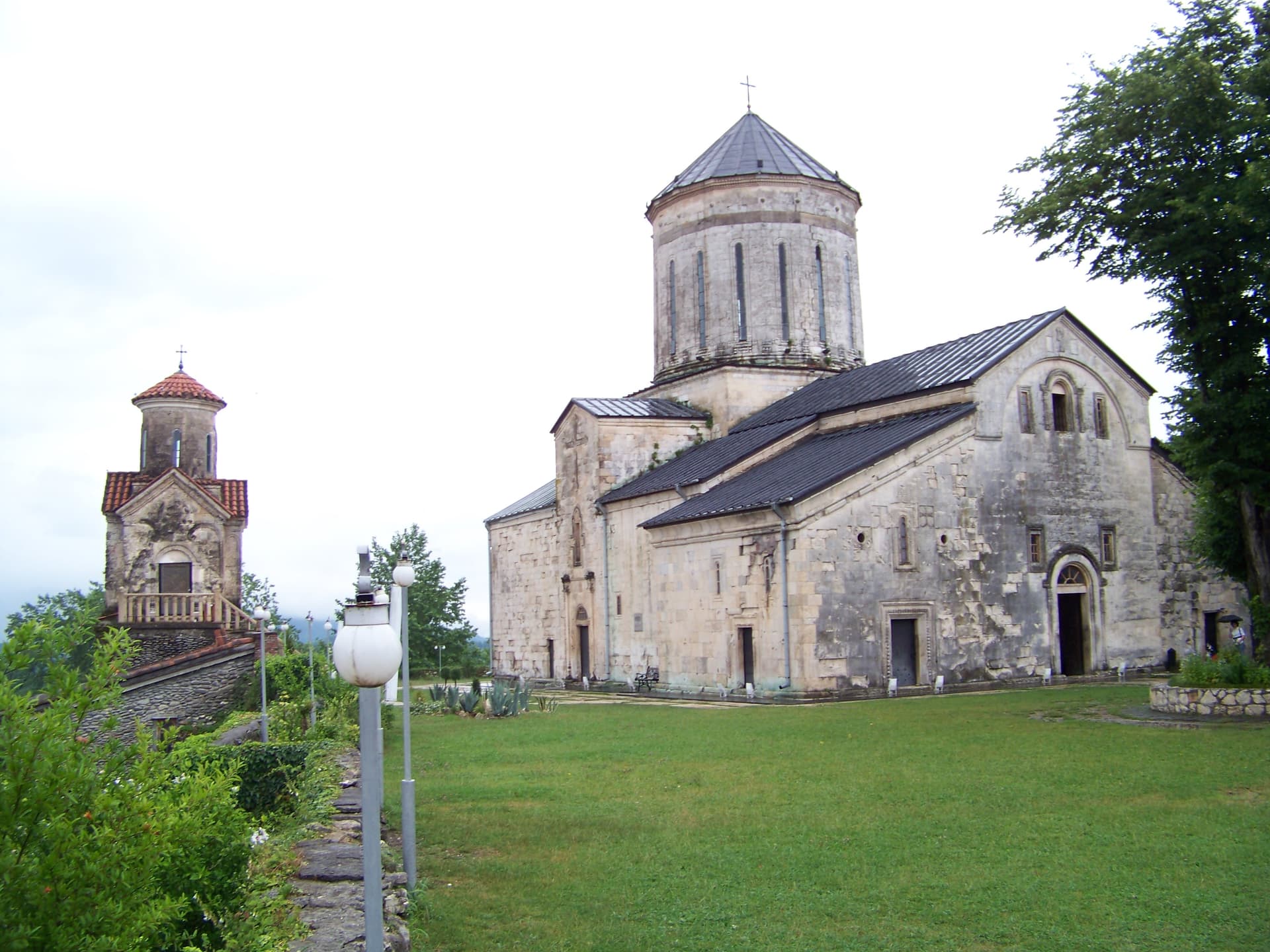
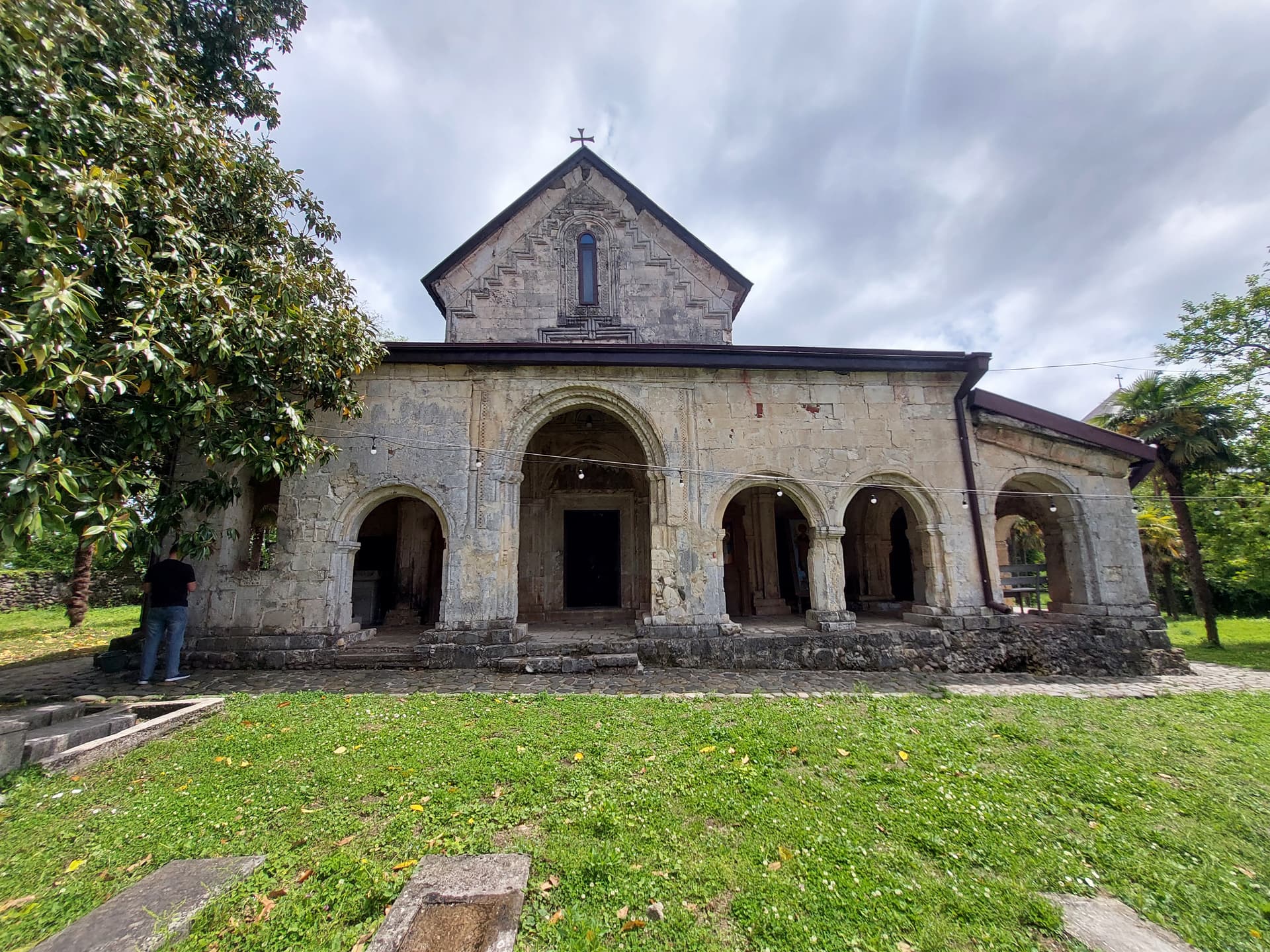
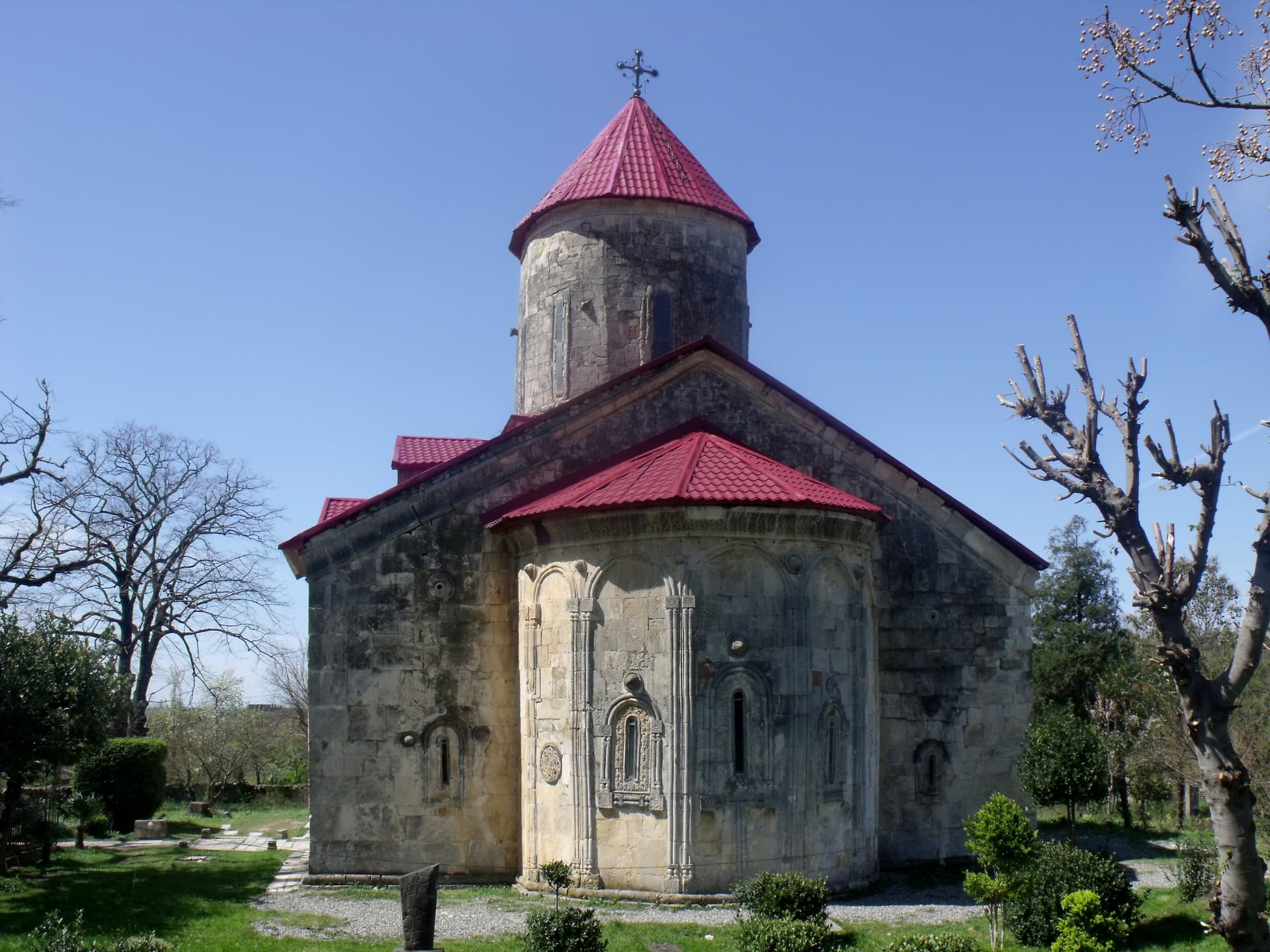
Nokalakevi Museum-Reserve anchors the public factual frame. The documented sixth-century Church of the Forty Martyrs supplies a bounded early Christian context within the wider archaeological city; broader pre-Christian occupation is not assigned to a named religion.
Plan your visit
Access and arrival
Use current museum-reserve information and staff direction; the whole-site coordinate is orientation, not permission beyond managed paths.
Respectful visit
Dress for exposed terrain and avoid clothing or equipment that could catch on or damage fragile remains.
Photograph only from permitted public ground and do not touch, trace, climb on, or stage objects against the remains.
Stay within authorized access, leave every stone and offering in place, and do not publish directions to vulnerable features.
Location
Map loads as you approach this section.
Pilgrim reflections
A portrait of encounter, not a score
Pilgrims describe what they felt, how present they could become, and whether the place would shape a journey. There are no stars and no ranking of traditions.
No reviewed reflections yet
The first pilgrims can help describe the character of being here.
Share a reflection
Available after an account-backed “Been there.” Every reflection is reviewed before publication.
Nearby sacred places
Explore other sacred places in the region. Proximity does not establish access or travel time; check each place’s guidance.
References
Sources consulted for this page. Source categories describe the publication, not a guarantee that every claim is verified. Traditional accounts and outside interpretations may differ.
- 01Nokalakevi Museum-ReserveofficialUsed for identity, location, historical scope, or heritage context as stated in the editorial summary.
- 02Nokalakevi Wikidata recordSource contextUsed for identity, location, historical scope, or heritage context as stated in the editorial summary.
- 03Exact Google Maps listing for Nokalakevi Archaeological SiteSource contextUsed for identity, location, historical scope, or heritage context as stated in the editorial summary.
Share a photo
Help visitors recognize Nokalakevi Archaeological Site. Every submission is reviewed before publication.