Maria Radna Monastery and Church, Romania
A baroque basilica where seven languages meet in devotion and 2,500 votive paintings tell of answered prayers
Understand sacred places, explore living traditions, and learn how to engage respectfully with Pilgrim Map.
Access has not been verified. Check current local guidance before planning a visit.
Lipova, Arad, Romania
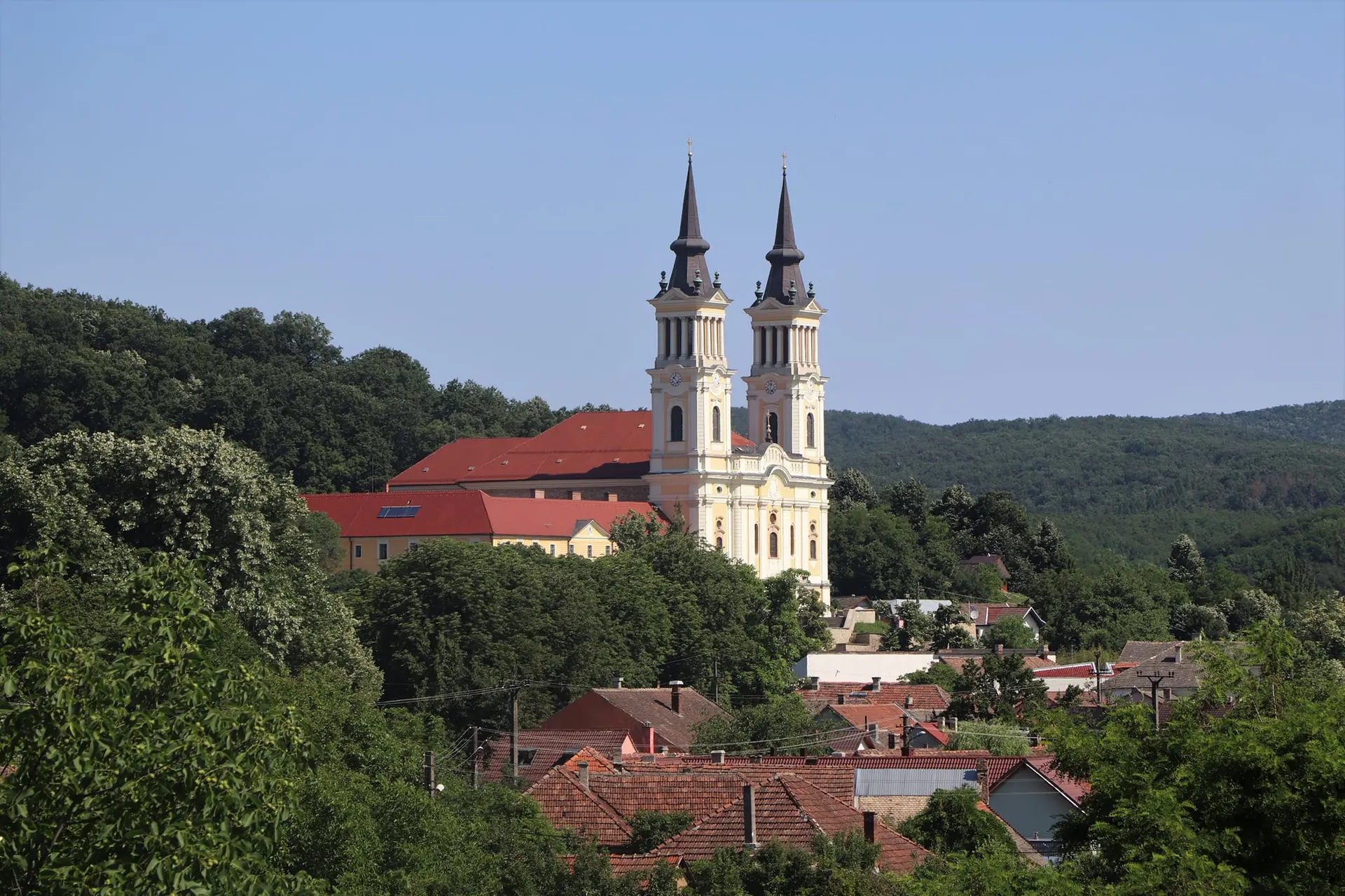
Image of Maria Radna Monastery and Church, Romania. Image source · CC-BY-SA-4.0
Visit essentials
A quick read before you go
- Duration
- One to two hours for a visit to the church, grounds, and museum.
- Access
- Located in Radna, on the right bank of the Mures River opposite Lipova, in Arad County, western…
Overview
There is a moment during the great pilgrimage at Maria Radna, usually around dawn on August 15, when Mass is celebrated in seven different languages in the same baroque church, one after another from midnight onward. Romanian, Hungarian, German, Croatian, Bulgarian, Czech, Slovak. The acoustic of the nave, built between 1756 and 1782, receives each language with the same fidelity.
The faithful, who have walked or driven from communities scattered across what was once the Habsburg Banat, fill the church and spill onto the hilltop grounds. What they share is not a common tongue but a common mother: the Blessed Virgin, whose icon above the altar survived fire when nothing else did.
The story of that icon is the story of this place. In 1668, a Bosnian man named Gheorghe Vriconosa donated a printed image of the Mother of God on Mount Carmel, produced in the Remondi printing house in Bassano del Grappa, Italy, to the Franciscan chapel at Radna. In September 1695, Ottoman soldiers set fire to the chapel and destroyed it completely.
The icon, a paper image that should have been among the first things to burn, was found intact among the ashes. That survival became the founding miracle of a pilgrimage that has continued without interruption for more than three centuries.
The current church, a baroque structure 56 meters long, 20 meters wide, and 21 meters tall, with towers heightened to 67 meters in 1911, replaced earlier buildings that could not accommodate the growing flow of pilgrims. Pope John Paul II elevated it to the rank of Basilica Minor in 1992, with the patronage of Mother of Graces.
The Franciscan order, which had served the site since approximately 1327, departed in 2003, and diocesan clergy of the Roman Catholic Diocese of Timisoara now maintain the parish and pilgrimage.
But it is the museum that gives Maria Radna a dimension found almost nowhere else. Over 2,500 votive paintings, donated by believers as gratitude for answered prayers, line the walls. Each painting tells a story: illness survived, a child saved from drowning, a soldier returned from war, a fire that spared a house. The collection spans centuries and nationalities, a visual archive of personal encounters with the miraculous that is at once deeply Catholic and universally human.
Why this place is sacred
Maria Radna occupies a hilltop approximately 25 meters above the town of Radna, across the Mures River from the older settlement of Lipova. The elevation is modest but sufficient. Looking down from the basilica terrace, the river bends through a landscape of gentle hills and mixed forest. The position creates a sense of arrival and separation that the faithful have felt since long before the current church was built.
The deeper quality of the site lies in its role as a crossroads. The Banat region of western Romania is one of Europe's most ethnically diverse areas. Romanians, Hungarians, Germans (the Banat Swabians or Donauschwaben), Croatians, Serbs, Bulgarians, Czechs, and Slovaks have lived here side by side for centuries, brought together by the economic policies of the Habsburg Empire.
What Maria Radna offered, and still offers, is a place where these communities converge not through politics or commerce but through shared devotion. During the great pilgrimages, when each community brings its own hymns and prayers in its own language, the basilica becomes a space where linguistic difference is held within spiritual unity.
The votive paintings are the most intimate expression of this convergence. Each painting was commissioned or created by an individual or family to thank the Mother of God for a specific intervention. A man in Hungarian dress kneels before the Virgin after surviving a cart accident. A German-speaking family gives thanks after their child recovered from fever. A Croatian woman prays for the safe return of a soldier. The paintings are not masterworks of art.
Their power lies in their specificity and their vulnerability, in the willingness of ordinary people to make their most private moments of fear and gratitude visible to strangers.
The Franciscan dimension, though the order departed in 2003, still pervades the site. For nearly 700 years, Franciscan monks maintained the presence, surviving Ottoman occupation by continuing services in a hilltop chapel while the original monastery below was destroyed. The continuity from 1327 to 2003 represents one of the longest Franciscan presences in Central Europe, and its echo is felt in the simplicity and warmth of the devotional atmosphere that persists.
The original monastery was founded around 1327 by King Charles Robert of Anjou for Bosnian Franciscan monks, with a church dedicated to Saint Louis of Toulouse. The site's purpose transformed after the miraculous survival of the icon in 1695, shifting from a Franciscan mission outpost to one of the most important Catholic pilgrimage centers in the region.
From its foundation in 1327 through Ottoman occupation, Habsburg expansion, the construction of the current baroque church between 1756 and 1782, the heightening of the towers in 1911, the elevation to Basilica Minor in 1992, the departure of the Franciscans in 2003, and the major EU-funded restoration completed in 2015, Maria Radna has absorbed and survived every political transformation of the region.
Each phase has added rather than replaced, so that the current basilica holds within its walls a compressed history of seven centuries.
Experience and orientation
Arriving at Maria Radna from Arad or Timisoara, the basilica's twin towers are visible from a considerable distance, rising above the Mures River valley with a confidence that speaks to the scale of the pilgrimage it serves. The hilltop approach, climbing from the town of Radna, builds a sense of ascent that the faithful have repeated for centuries.
The baroque interior makes its first impression through scale. The nave extends 56 meters, the ceiling rises to 21 meters, and the proportions create an acoustic space that the 1905 Wegenstein organ exploits with authority. The organ, manufactured in Timisoara with two manual keyboards, 26 registers, and 1,580 pipes, was designed after a drawing by Aristide Cavaille-Coll, the master builder of the great French Romantic organs. Its sound fills the basilica with a fullness that transforms the air itself.
The miraculous icon occupies a position of honor above the main altar. It is, in material terms, a printed paper image, not a painted icon. This makes its survival of total fire in 1695 both more remarkable and more difficult to explain. The image shows the Mother of God on Mount Carmel, a Marian devotion associated with the Carmelite order. The faithful who approach it do so with a reverence shaped by three centuries of reported miracles.
The museum of votive paintings demands time. Over 2,500 works cover the walls, each one a story. The paintings date from approximately 1850 onward, a second collection begun after a previous abbot destroyed the original. The subjects range from recovery from illness to escape from natural disaster, from safe childbirth to the return of prisoners of war. The artistic quality varies from accomplished to naive, but the emotional quality is consistent.
Each painting is a window into a moment when an ordinary person confronted the limits of human agency and turned to the Mother of God.
During pilgrimage days, the experience intensifies. The largest gathering occurs on the Feast of the Assumption, August 15, when services begin at midnight and continue through the day in multiple languages. The crowd of 15,000 or more creates a collective atmosphere that transcends individual devotion. The Feast of the Birth of the Virgin Mary, September 6 through 8, and the anniversary of the Basilica Minor title on August 28 bring additional gatherings.
Between pilgrimage days, the basilica offers a different kind of encounter. The empty nave, the distant organ, the icon behind glass, the votive paintings speaking silently from the walls. These quieter visits can be more intimate, allowing a pace of engagement that crowds do not permit.
For a contemplative visit, arrive on a weekday outside pilgrimage season. Begin in the nave and allow the acoustic space to register. Approach the icon. Then spend time in the museum of votive paintings, reading the stories they tell. For the immersive pilgrimage experience, plan to attend the August 15 celebration, arriving the evening before. The contrast between the two modes of visiting is itself instructive.
Context and lineage
The foundation reaches back to the Anjou era. Around 1327, King Charles Robert of Anjou established a Franciscan monastery at Radna, dedicated to Saint Louis of Toulouse, staffed by Franciscan monks from Bosnia. During the Ottoman conquest of the Banat, the original buildings were destroyed, but Franciscan refugees maintained Catholic worship in a small hilltop chapel built by a pious widow around 1520.
The transformative event came in 1668, when Gheorghe Vriconosa, a Bosnian man, donated a printed icon of the Mother of God on Mount Carmel to the Franciscan chapel. The image had been printed in the Remondi house in Bassano del Grappa, Italy, after 1660. In September 1695, Ottoman soldiers burned the chapel to the ground. When the ashes were cleared, the icon was found undamaged. A paper image had survived total conflagration.
The miracle drew pilgrims, and the trickle became a flood.
By 1723 a larger church was built. By 1750, Canon Johannes Szlezak had secured official recognition of Maria Radna as a pilgrimage site. In 1756, the foundation stone of the current baroque church was laid, and construction continued until 1782. The church grew as the communities that sustained it grew: the Banat Swabians, the Hungarians, the Croatians, the Bulgarians, the Czechs, the Slovaks, and the Romanians, each sending their own pilgrimages on appointed days.
Maria Radna belongs to the Roman Catholic tradition, with roots in the Franciscan missionary tradition from Bosnia. It is now served by diocesan clergy of the Roman Catholic Diocese of Timisoara. Its significance crosses confessional lines: Romanian Orthodox believers also make pilgrimages to the site, drawn by the universal power of Marian devotion.
The basilica's multicultural character, serving communities in seven languages, makes it a rare example of a pilgrimage site where ethnic and linguistic diversity is not an obstacle to shared worship but its defining feature.
Charles Robert of Anjou
King of Hungary who founded the original monastery and church at Radna around 1327, establishing the Franciscan presence that would endure for nearly seven centuries.
Gheorghe Vriconosa
Bosnian man who donated the icon of the Mother of God to the Franciscan chapel in 1668. The icon's miraculous survival of fire in 1695 became the foundational event of the pilgrimage.
Canon Johannes Szlezak
Secured official recognition of Maria Radna as a church and place of pilgrimage in 1750, formalizing a status that popular devotion had already established.
Pope John Paul II
Elevated the church to Basilica Minor in 1992 with the patronage of Mother of Graces, confirming the site's significance within the universal Catholic Church.
Traditions and practice
The liturgical life of Maria Radna follows the Roman Catholic rite, celebrated in multiple languages reflecting the region's multicultural heritage. Marian devotions are central: the Rosary, Marian hymns, and the Litany of the Blessed Virgin Mary structure the prayer life around the miraculous icon. The ex-voto tradition, in which believers donate paintings, woodworks, and embroideries as gratitude for answered prayers, has been practiced since at least 1850 and likely longer.
These offerings are not merely decorative but constitute a living archive of the community's relationship with the sacred.
The major pilgrimages center on three dates: the Feast of the Assumption of the Blessed Virgin Mary on August 15, the largest and most significant gathering; the Feast of the Birth of the Virgin Mary from September 6 through 8; and the anniversary of the Basilica Minor title on August 28. During these celebrations, Masses begin at midnight and continue through the day in Romanian, Hungarian, German, Croatian, Bulgarian, Czech, and Slovak.
The basilica is served by diocesan clergy of the Roman Catholic Diocese of Timisoara, who took over pastoral care when the Franciscan order departed in 2003. Regular Holy Mass is celebrated, and the church functions as both a parish and a pilgrimage site throughout the year. The museum of votive paintings is open to visitors.
The 2013-2015 EU-funded restoration brought the basilica to its current condition, and the rededication during the August 2015 pilgrimage, with Mass in seven languages before 15,000 pilgrims, confirmed its continuing vitality.
Visitors of any faith are welcome to attend Mass and to sit quietly in the nave at other times. The miraculous icon above the altar rewards extended attention: consider what it means that a paper image survived total fire. The museum of votive paintings is best experienced slowly, allowing individual stories to emerge. Each painting is a compressed narrative of crisis and grace.
To read even a few is to understand something about the nature of faith that abstract theology cannot convey.
If you are present during a multilingual Mass, listen to the way the same prayers sound in different languages. The Latin structure underneath carries each language forward, and the effect of hearing devotion expressed in seven tongues in succession is one of the most distinctive experiences available at any European pilgrimage site.
Roman Catholicism
ActiveMaria Radna is one of the most important Roman Catholic pilgrimage sites in Romania and the broader Central European region. It holds the title of Basilica Minor, conferred by Pope John Paul II in 1992. The site reflects the deep Catholic heritage of western Romania's Banat and Transylvania regions, where centuries of Habsburg rule fostered a distinctive Catholic culture among Romanian, Hungarian, German, Croatian, and other communities.
Holy Mass celebrated in multiple languages. Marian devotion centered on the miraculous icon. Annual pilgrimages on the Assumption (August 15), Birth of the Virgin Mary (September 6-8), and the Basilica Minor anniversary (August 28). Ex-voto tradition of donating paintings and objects. Rosary devotion and Marian hymns.
Franciscan monasticism
HistoricalThe Franciscan order served Maria Radna from its earliest foundation around 1327 through 2003, a span of nearly 700 years. Bosnian Franciscan refugees maintained Catholic worship during the Ottoman occupation. The Franciscans developed the pilgrimage, built the baroque church, and maintained the votive painting collection. Their departure in 2003 ended one of the longest continuous Franciscan presences in the region.
Franciscan communal prayer and monastic life. Pastoral care of Catholic communities across multiple nationalities. Development and maintenance of the pilgrimage tradition. Stewardship of the votive painting collection and the miraculous icon.
Ecumenical Marian devotion
ActiveMaria Radna attracts not only Catholic pilgrims but also Romanian Orthodox believers who come to venerate the miraculous icon, crossing confessional boundaries through the shared power of Marian devotion. This ecumenical dimension is notable in a region where Catholic-Orthodox relations have historically been complex.
Orthodox believers visiting the Catholic basilica and participating in Marian devotions alongside Catholics. The icon's reputation for intercession transcends denominational affiliation.
Perspectives and open questions
Maria Radna can be understood as a Catholic pilgrimage site, as a monument to multicultural coexistence, as a museum of personal encounters with the miraculous, or as evidence that devotion can survive the loss of the community that originally sustained it.
Scholarly perspective
Historians and art historians classify Maria Radna as one of the most significant Catholic pilgrimage sites in the Balkans and Central Europe, notable for its nearly 700-year continuous history and its role as a multicultural meeting point. The baroque church is recognized as an important example of 18th-century ecclesiastical architecture in the region.
The collection of over 2,500 votive paintings is acknowledged as one of the largest and most important ex-voto collections in Central Europe, providing visual documentation of popular Catholic piety across multiple ethnicities and centuries. Scholars of pilgrimage studies note the site's unusual position as a Catholic pilgrimage center in a predominantly Orthodox country that attracts cross-confessional devotion.
Living and traditional perspectives
Within the Catholic tradition of the region, Maria Radna is understood as a place of special Marian grace, sanctified by the miraculous survival of the icon during the 1695 fire. The Mother of God is held to exercise particular protection and intercession at this site, as evidenced by the centuries of reported miracles documented in the votive painting collection.
For the Banat Swabians, Hungarian Catholics, Croatian Catholics, and other communities, Maria Radna served as a spiritual homeland that transcended ethnic divisions through shared Marian devotion. The fact that Orthodox believers also venerate the icon is understood as evidence of the Blessed Virgin's universal maternal care, extending beyond confessional boundaries.
Alternative interpretations
Some visitors note the hilltop setting above the Mures River as creating a distinctive sense of elevation and spiritual separation. The multicultural dimension of the pilgrimage, where people of different languages and even different Christian confessions gather in shared devotion, is sometimes interpreted as evidence of the site's capacity to transcend ordinary boundaries.
The miraculous icon's survival of fire has parallels in miracle traditions worldwide, and the image's nature as a printed rather than painted artifact makes its preservation both more remarkable and more resistant to conventional explanation.
Open questions
The precise circumstances of the icon's survival during the total destruction of the chapel in 1695 are based on tradition and have not been subjected to forensic analysis. The original icon is a printed paper image, not a painted one, which makes its survival of complete conflagration particularly difficult to account for materially. The full stories behind the 2,500 votive paintings are largely undocumented beyond what the paintings themselves depict; many represent personal experiences that died with their donors.
The reasons behind the first abbot's destruction of the original votive painting collection around 1850 are not fully explained in surviving records.
Plan your visit
Access and arrival
Located in Radna, on the right bank of the Mures River opposite Lipova, in Arad County, western Romania. Approximately 35 km from Arad and 80 km from Timisoara. The nearest major airport is Timisoara International Airport. Accessible by car; the basilica is visible from a distance on its hilltop position approximately 25 meters above the town. Mobile phone signal is available in the area. Museum hours may be limited; check locally or through the basilica website (basilicamariaradna.com).
For pilgrimage schedules and service times, consult the official parish website at mariaradna.com.
Lipova, across the river from Radna, has guesthouses and small hotels. Arad, 35 km away, offers a full range of accommodations. Timisoara, 80 km away, provides the largest selection including international hotels.
Respectful visit
Modest clothing: covered shoulders, long trousers or skirts. No hats for men inside the church.
Photography is generally permitted in the church exterior, grounds, and museum. Photography may be restricted during services. No flash photography inside the church.
Visitors may light candles. Donations are welcomed for the maintenance of the basilica and museum.
Maintain silence or speak quietly inside the church. Do not touch the miraculous icon, altar, or sacred objects. During pilgrimage days, follow crowd management instructions. Be respectful of the votive paintings in the museum.
During pilgrimage days, the basilica draws very large crowds. Plan for limited parking, long waits, and the physical demands of standing through extended services. The emotional intensity around the icon and the relics is genuine; visitors should not treat pilgrimage devotion as a spectacle or a photo opportunity.
Current practical details
Address
Radna, Romania
Phone
Hours
Hours, fees, and access can change — verify on the official source before you travel. Practical details last checked Jun 2026.
Location
Map loads as you approach this section.
Pilgrim reflections
A portrait of encounter, not a score
Pilgrims describe what they felt, how present they could become, and whether the place would shape a journey. There are no stars and no ranking of traditions.
No reviewed reflections yet
The first pilgrims can help describe the character of being here.
Share a reflection
Available after an account-backed “Been there.” Every reflection is reviewed before publication.
Nearby sacred places
Explore other sacred places in the region. Proximity does not establish access or travel time; check each place’s guidance.
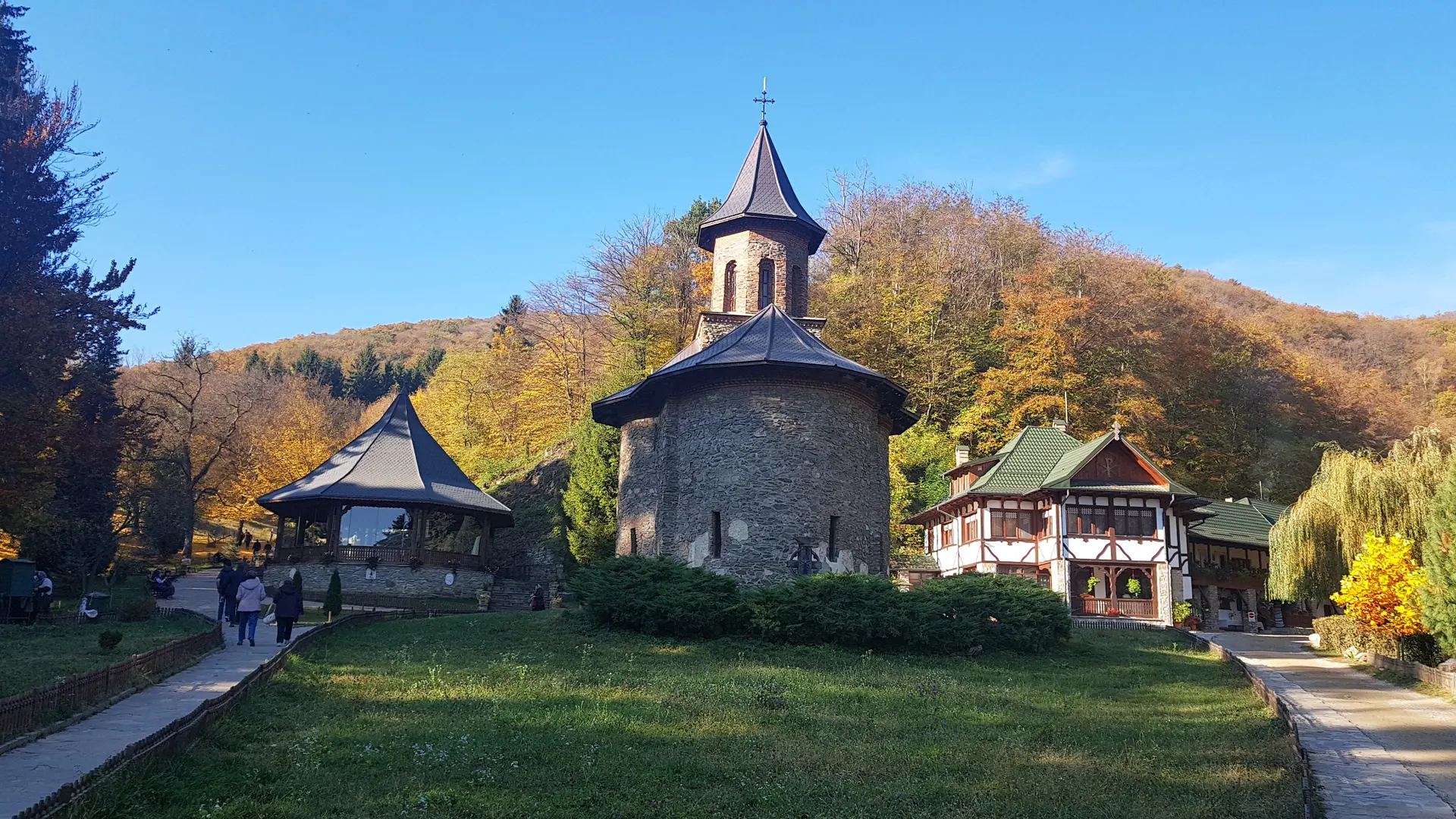
Prislop Monastery, Romania
Hațeg, Hunedoara, Romania
104.1 km away
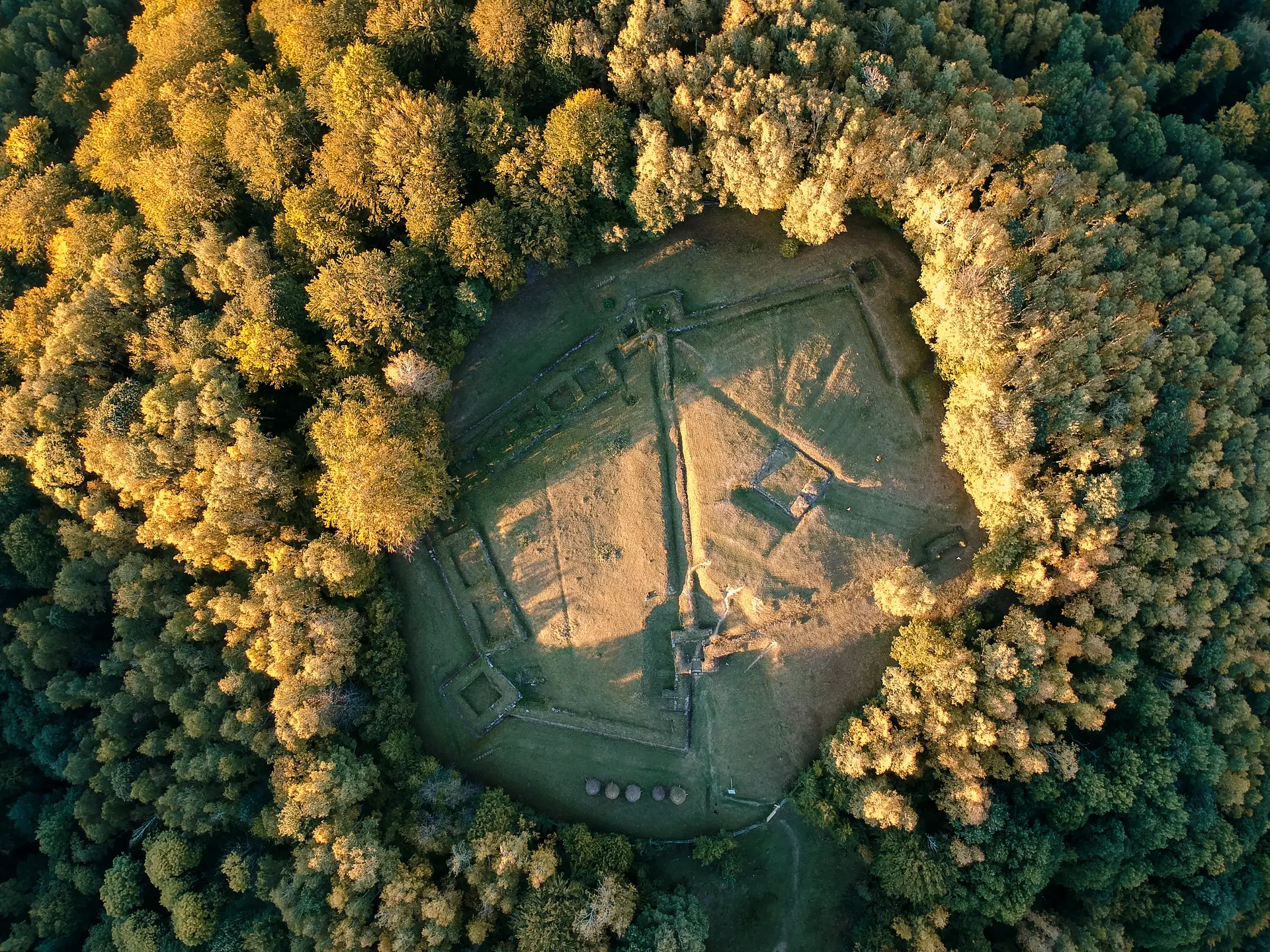
Costești-Blidaru Dacian Fortress
Costești, Hunedoara County, Romania
124.0 km away
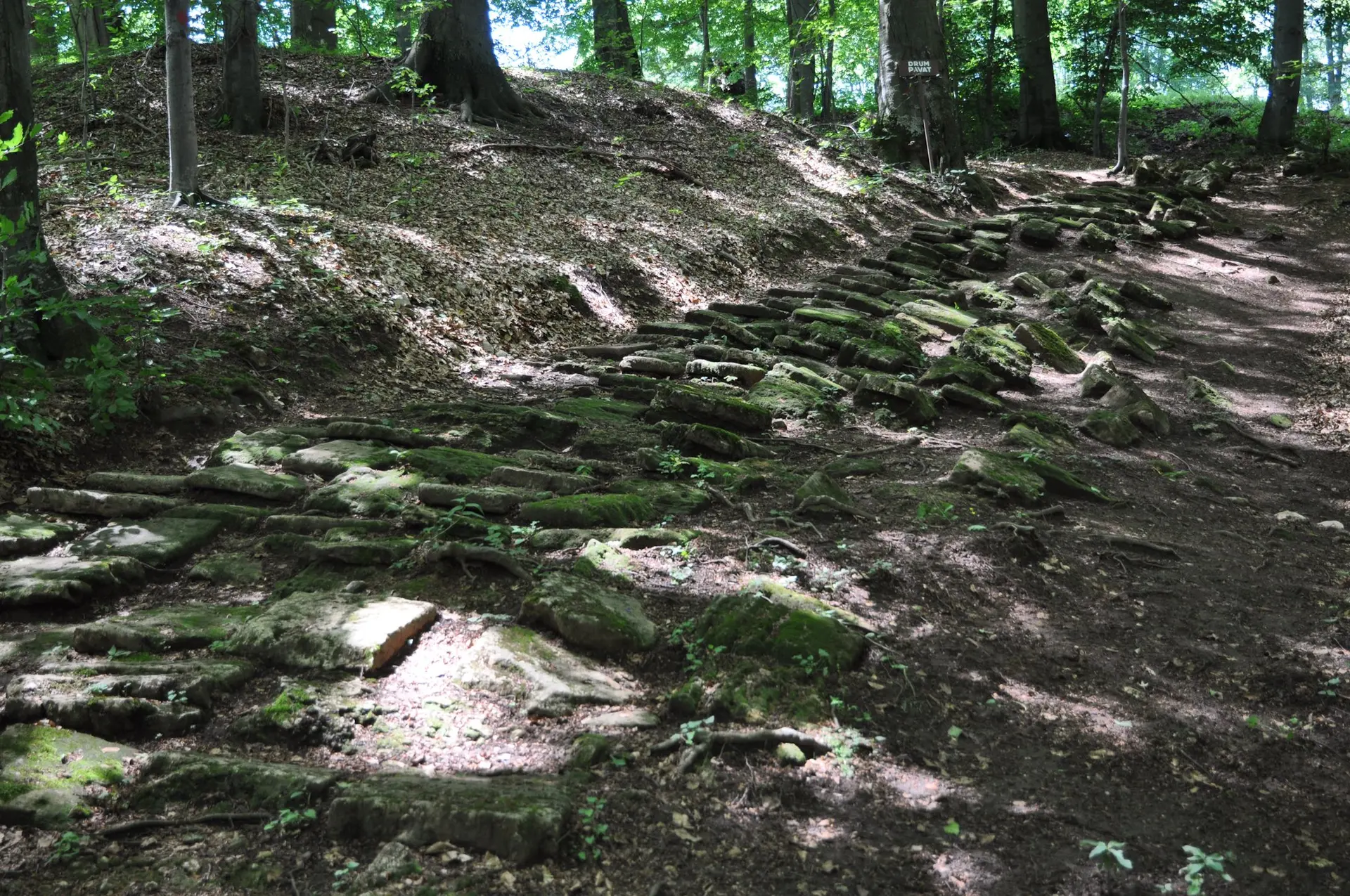
Luncani-Piatra Roșie Dacian Fortress
Luncani, Hunedoara County, Romania
126.0 km away
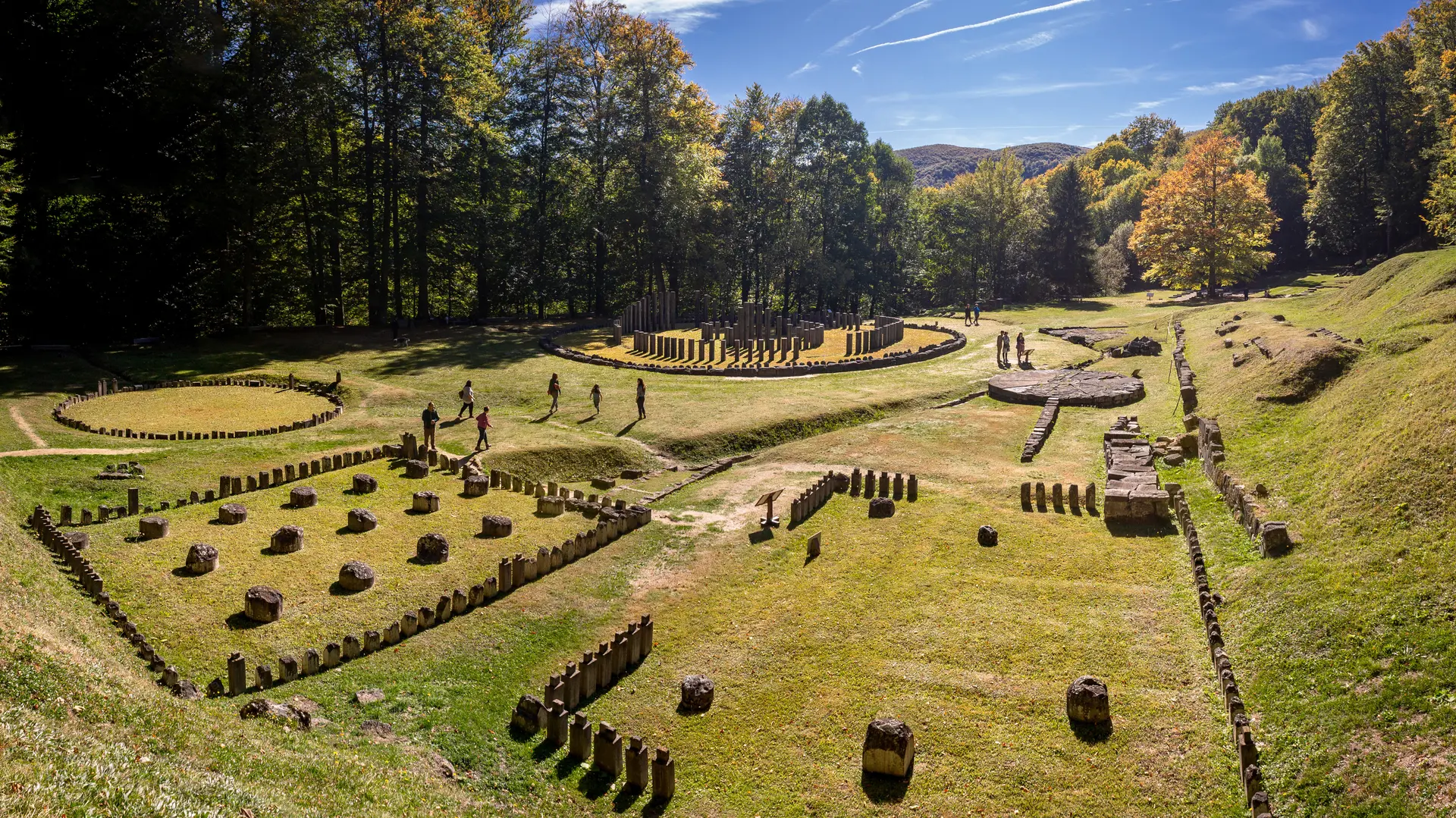
Sarmizegetusa Regia
Grădiștea de Munte, Hunedoara County, Romania
136.4 km away
Share a photo
Help visitors recognize Maria Radna Monastery and Church, Romania. Every submission is reviewed before publication.