Danteshwari Temple, Chhattisgarh
A Shakti Peetha at a river confluence where the goddess is mother to both Hindu pilgrims and Bastar's forest clans
Understand sacred places, explore living traditions, and learn how to engage respectfully with Pilgrim Map.
Access has not been verified. Check current local guidance before planning a visit.
Dondi Tahsil, Chhattisgarh, India
Read the sources
Visit essentials
A quick read before you go
- Duration
- 1–2 hours for darshan; a full day or more to experience Dussehra rituals.
- Access
- In Dantewada town, Bastar region, southern Chhattisgarh, at the Shankini–Dankini river…
Overview
Danteshwari Temple stands in Dantewada, in the Bastar region of southern Chhattisgarh, at the auspicious confluence of the Shankini and Dankini rivers. By legend it marks the spot where the tooth — daanth — of the goddess Sati fell when her body was dismembered, making it one of the 52 Shakti Peethas of pan-Indian goddess worship and giving both the goddess (Danteshwari) and the town (Dantewada) their names.
A dark, black-stone idol of Danteshwari Mai, a form of the Divine Mother or Kali, presides in a temple traditionally attributed to the Kakatiya rulers of Bastar in the fourteenth century, who took her as their tutelary Kuldevi. But Danteshwari is not only a Hindu deity. She is the protective mother-goddess of Bastar's Adivasi communities, and the centre of the Bastar Dussehra — a festival of roughly seventy-five days that is among the longest ritual cycles in India.
Unlike the pan-Indian Dussehra, it does not re-enact the Rama–Ravana story; it is fundamentally a tribal festival that gathers the deities and clans of the forests around their goddess. This record concerns the original Shakti Peetha at Dantewada, which is sometimes confused in sources with the separate royal Danteshwari temple at Jagdalpur. The site sits where two sacred worlds meet, and is best understood with that doubleness held intact.
Why this place is sacred
Danteshwari's thinness has several sources at once. There is the Shakti Peetha framework, which casts the spot as a place where the Mother's bodily relic, her tooth, sanctifies the land. There is the confluence of the Shankini and Dankini rivers, a sangam that amplifies the felt potency of the place. And there is the convergence, during Bastar Dussehra, of village and forest deities, drummers, and clans, when the goddess becomes the gathering point for a whole region's sacred life.
For Bastar's tribal communities she is a living guardian; the festival is a profound collective affirmation of identity.
A Shakti Peetha shrine of the Divine Mother at the river confluence, which became the tutelary Kuldevi shrine of the Bastar rulers.
It has remained a living pilgrimage temple and the ritual heart of the 75-day Bastar Dussehra, drawing thousands of tribal and Hindu devotees each year.
Experience and orientation
Pilgrims describe a deeply atmospheric riverside shrine centred on the dark stone idol of the Mother. Outside festival season the setting is quieter and contemplative, and devotees report a strong sense of maternal protection and ancestral connection. During Bastar Dussehra the intensity is extraordinary, as tribal deities, drummers, and clans converge for processions and rites. For Bastar's communities the goddess is a living presence, and her festival is a collective reaffirmation of who they are.
Take darshan of the black-stone idol with respect for the river-confluence setting. If you come during Bastar Dussehra, observe the Nisha Jatra, Mavli Parghav procession, and the gathering of regional deities as a non-intrusive guest; the festival is centrally a tribal and royal ritual, not a spectacle staged for visitors.
Context and lineage
When Sati's body was dismembered — in some accounts by Vishnu's Sudarshana chakra — and her parts fell across the land to create the 52 Shakti Peethas, her tooth (daanth) fell here, giving rise both to the goddess's name, Danteshwari, and the town's, Dantewada. The goddess became the Kuldevi of the Kakatiya rulers of Bastar, who are traditionally credited with building the temple in the fourteenth century and instituting her royal worship.
Shakta (goddess-centred) Hinduism intertwined with Bastar Adivasi folk religion under former royal patronage.
Danteshwari Mai
Presiding goddess
Sati
Mythic origin
Kakatiya (Chalukya) rulers of Bastar
Patrons and builders
Traditions and practice
Daily aarti and puja to Danteshwari Mai, Navaratri worship, and offerings at the Shakti Peetha.
The 75-day Bastar Dussehra, from Shravan amavasya to the bright fortnight of Ashwin, includes the Nisha Jatra, the Mavli Parghav procession, the gathering of regional deities, palanquin and chariot processions, and royal and priestly rites — among the longest festival cycles in India.
Sit with the doubleness of the place: a fragment of the Divine Mother's body and the living guardian of a forest people. Let the river confluence frame the visit, and approach the goddess as both pilgrims and Bastar's clans do — as a present, protective mother.
Hinduism (Shaktism)
ActiveRevered as one of the 52 Shakti Peethas — the spot where, by legend, the tooth (daanth) of Sati fell — giving Dantewada its name. The black-stone idol of Danteshwari Mai is a form of the Divine Mother / Kali.
Daily aarti and puja, Navaratri observances, and offerings at the Shakti Peetha.
Bastar tribal (Adivasi) folk religion
ActiveDanteshwari is the protective mother-goddess of the Bastar region and the Kuldevi of its former rulers; the Bastar Dussehra is fundamentally a tribal festival centred on her, gathering deities and clans from across the forests rather than re-enacting the pan-Indian Rama–Ravana story.
Nisha Jatra and Mavli Parghav processions, the gathering of village and forest deities, palanquin processions, and 75 days of ritual culminating in Bastar Dussehra.
Perspectives and open questions
Danteshwari is read as a paradigm of Hindu–Adivasi fusion, a living tribal mother-goddess, and a charged Shakti Peetha, with her deepest origins only partly documented.
Scholarly perspective
Scholars read Danteshwari as a paradigmatic case of the fusion of mainstream Shakta Hinduism with Adivasi (tribal) goddess worship under royal patronage; the Bastar Dussehra is studied as a distinctive, regionally rooted festival quite different from the pan-Indian Dussehra.
Living and traditional perspectives
For Bastar's tribal communities Danteshwari is a living mother-goddess and ancestral guardian; the festival is a sacred reunion of the region's deities and clans.
Alternative interpretations
The Shakti Peetha framework casts the site as a charged locus where the Mother's bodily relic, the tooth, sanctifies the earth; the river confluence amplifies its perceived energetic potency.
Open questions
The deeper pre-Hindu, tribal origins of the goddess and the precise history of her absorption into the Shakti Peetha tradition remain only partly documented.
Plan your visit
Access and arrival
In Dantewada town, Bastar region, southern Chhattisgarh, at the Shankini–Dankini river confluence; about 80 km from Jagdalpur, the nearest major town and regional transport hub. Reachable by road.
Respectful visit
Modest, respectful dress; traditional Indian attire preferred though not mandatory; avoid shorts, skirts, and sleeveless or revealing clothing. Remove footwear before entering.
Restricted inside the sanctum; ask temple authorities before photographing. During Dussehra, be sensitive about photographing tribal rituals.
Flowers, coconuts, and traditional puja offerings; donations accepted (no entry fee).
Sanctum customs apply; maintain decorum; certain ritual spaces and processions are reserved for designated priests, the royal lineage, and tribal officiants.
Certain ritual spaces and processions are reserved for designated priests, the royal lineage, and tribal officiants. During Dussehra, be sensitive about photographing tribal rituals, and respect the tribal and Adivasi dimension of the goddess rather than flattening it into a pan-Hindu frame.
Location
Map loads as you approach this section.
Pilgrim reflections
A portrait of encounter, not a score
Pilgrims describe what they felt, how present they could become, and whether the place would shape a journey. There are no stars and no ranking of traditions.
No reviewed reflections yet
The first pilgrims can help describe the character of being here.
Share a reflection
Available after an account-backed “Been there.” Every reflection is reviewed before publication.
Nearby sacred places
Explore other sacred places in the region. Proximity does not establish access or travel time; check each place’s guidance.
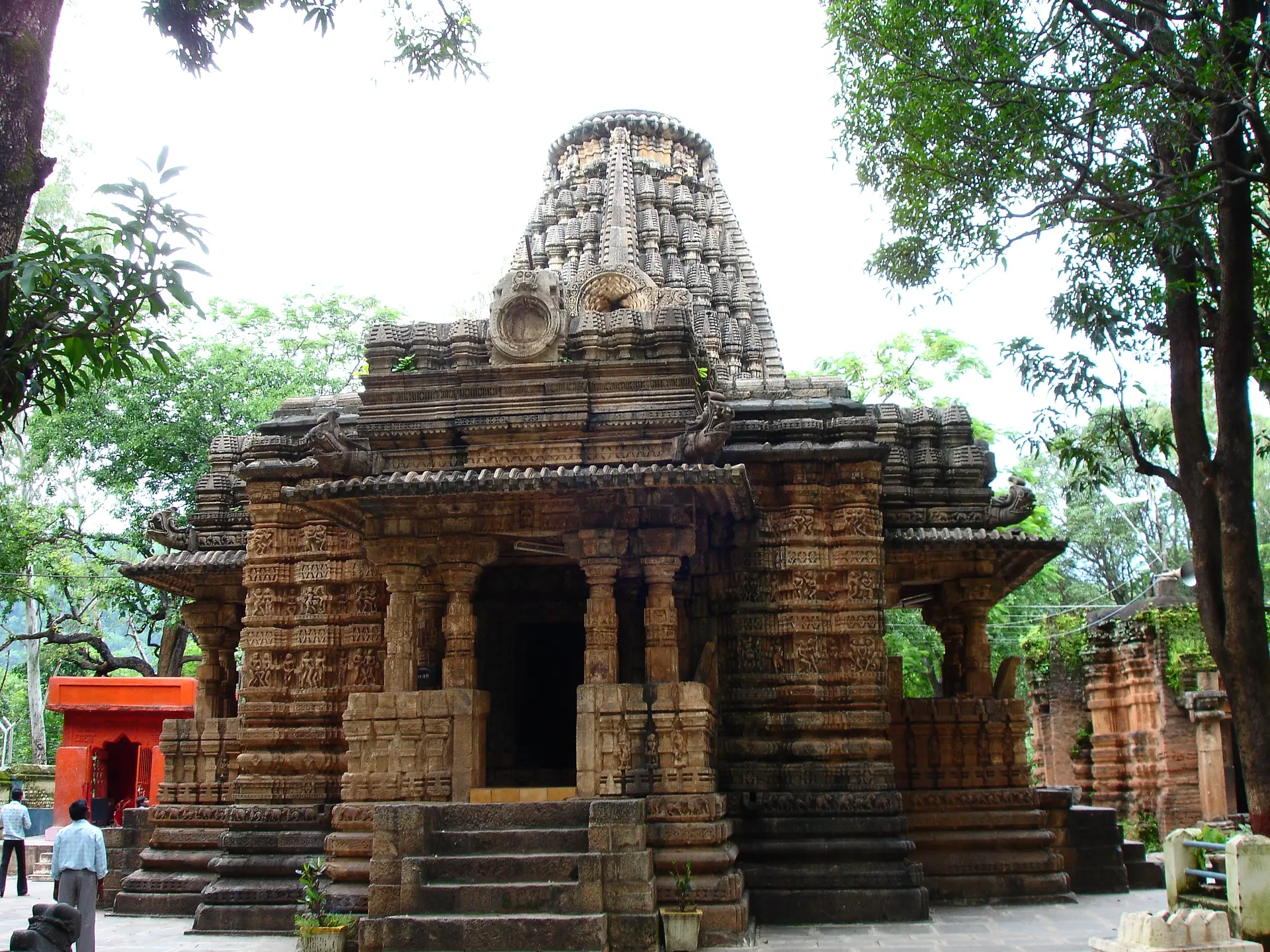
Bhoramdev Temple, Kabirdham district, Chhattisgarh
Bodla Tahsil, Chhattisgarh, India
171.3 km away

Kapil Dhara, Amarkantak
Madhya Pradesh, India
242.9 km away
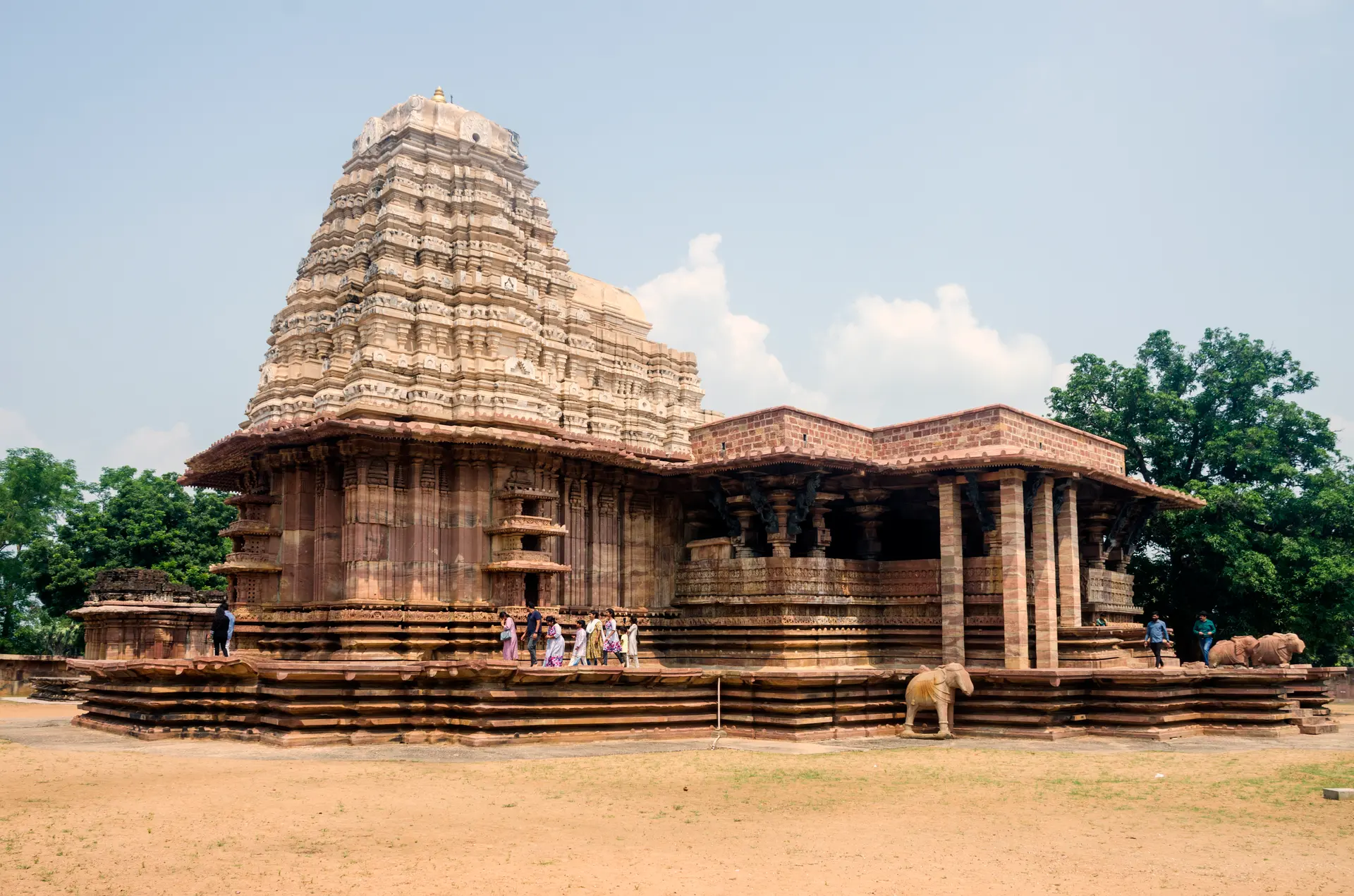
Kakatiya Rudreshwara Ramappa Temple, Telangana
Palampet, Telangana, India
287.6 km away

Bhadrakali Temple, Hanamkonda, Telangana
Hanamkonda, Telangana, India
331.4 km away
References
Sources consulted for this page. Source categories describe the publication, not a guarantee that every claim is verified. Traditional accounts and outside interpretations may differ.
- 01Danteshwari Temple — Wikipedia — Wikipedia contributorsacademicConfirms 14th-century origin, Shakti Peetha status (tooth of Sati), Kuldevi of Bastar, four-part architecture, black-stone idol, Bastar Dussehra role.
- 02Danteshwari Temple — Jagdalpur's Spiritual Landmark — Incredible India — Ministry of Tourism, Government of IndiaofficialGovernment tourism portal; deity significance and festival context.
- 03Dantewada Tourist Place — District Dantewada, Government of Chhattisgarh — Government of Chhattisgarh (district administration)officialOfficial district government page on the temple and Dantewada.
- 04Bastaria Dussehra: A Coming Together of Deities — Sahapedia — SahapediaacademicScholarly/cultural-heritage account of the 75-day Bastar Dussehra and Danteshwari's central role.
- 05Bastar Dussehra — Dantewada and Devi Danteshwari — Unexplored Bastar — Unexplored BastarSource contextFestival rituals: Nisha Jatra, Mavli Parghav procession, tribal participation.
- 06Dussehra Bastar, a Hindu-ethnic festival — Magik India — Magik IndiaSource contextFestival duration (Shravan amavasya to Ashwin), tribal-Hindu syncretism.
- 07Danteshwari Temple in Dantewada — Sacred Shakti Peeth of Chhattisgarh — Beautiful Bastar — Beautiful BastarSource contextShakti Peetha legend, river confluence location, visitor context.
- 08Danteshwari Temple Sightseeing — Complete Travel Guide — TripClap — TripClapSource contextTimings, dress code, photography rules, best time to visit.
Photo gallery
3 curated photos
Share a photo
Help visitors recognize Danteshwari Temple, Chhattisgarh. Every submission is reviewed before publication.